What the Secunda team needed from the cutting line
The client was a medium sized fabrication floor in Secunda working on support brackets for plant maintenance and general steelwork. The job list changed often, but the bracket sizes repeated enough to justify a proper plasma cutting setup rather than hand cutting each batch. They needed straight cuts, clean holes, and parts that matched from one shift to the next.
The brief was simple on paper: cut mild steel brackets faster, reduce rework, and keep operators from spending half the day on marking out. The floor also had to cope with load-shedding interruptions and air quality that was not always ideal, because dust and compressor moisture can shorten tip life and affect cut quality if the setup is ignored.
- Repeated component cutting for support brackets
- Material range: 3 mm to 12 mm mild steel
- Batch sizes from 20 to 150 pieces per run
- Need for stable results during power interruptions
Production limits we had to work around
The main constraint was floor space. The cutting area had to fit into an already busy workshop with grinding, fit-up and welding happening nearby. Noise and sparks had to be managed properly, and the operators still needed easy access for loading sheet and collecting finished parts. The team also wanted a setup that could be trained quickly, because turnover and shift cover are always part of life in a working fabrication shop.
Another issue was air supply. Plasma cutting depends on dry, clean air, and the workshop had a compressor line that needed checking before the system could deliver consistent results. We also looked at the electrical side so the floor could recover cleanly after outages. If the system restarts badly after a dip in supply, the cut quality drops and the first few parts end up in the scrap bin.
- Limited workshop floor area
- Air quality and moisture control
- Power stability during load-shedding
- Fast operator handover across shifts
What we supplied and installed on site
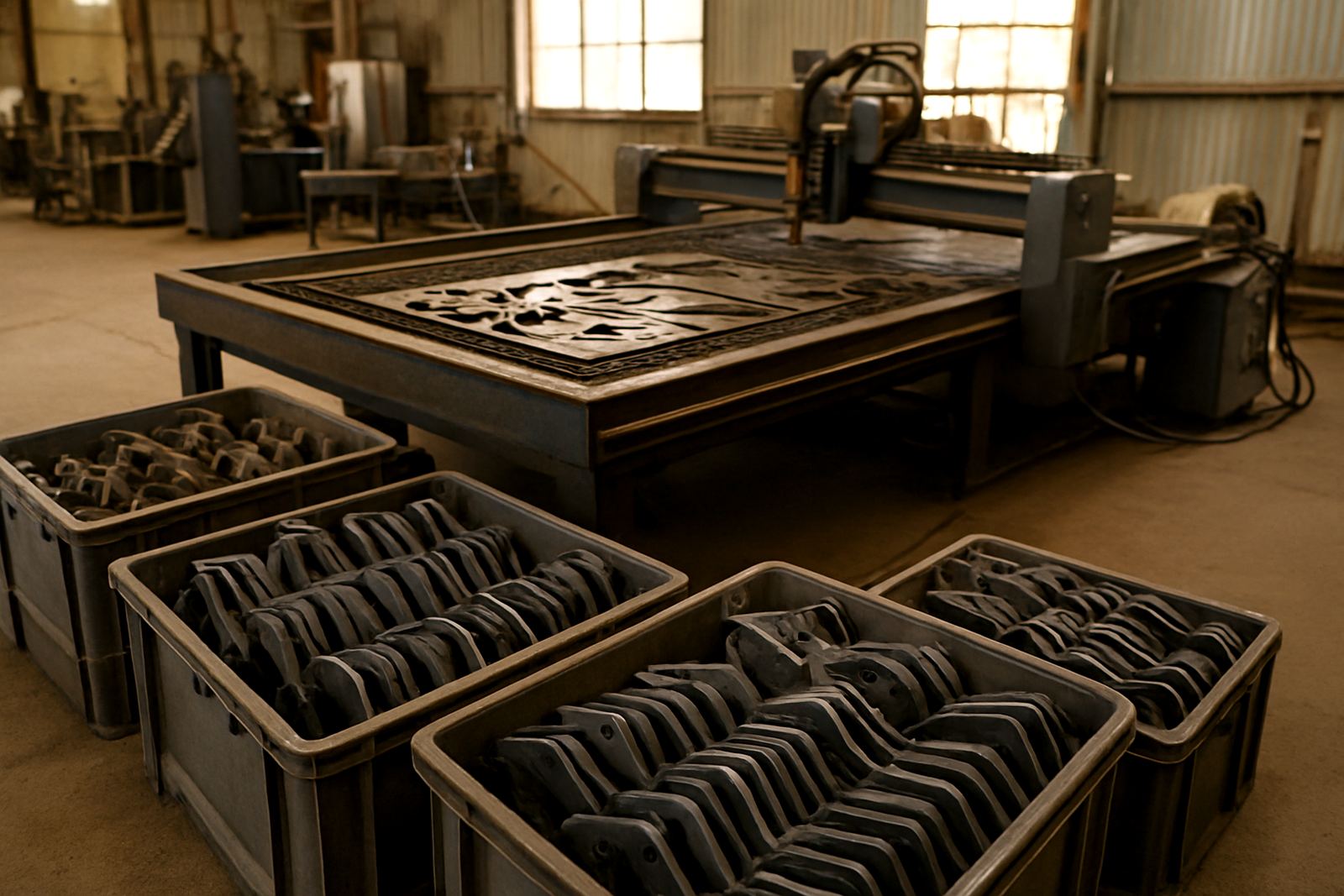
We supplied a CNC plasma cutting package suited to repeated bracket work, together with setup support for the table, torch height control, air system checks and basic part handling. The cutting program was arranged around the client’s common bracket shapes so the floor could move from marking out by hand to stored cut cycles for repeat jobs. That reduced the chance of small variation creeping into every batch.
On site we checked cut parameters, torch stand-off, consumable condition and earth return positioning. We also carried out a height control calibration and cut quality audit, then set the operators up with practical rules for pierce height, travel speed and edge finish. For the holes and slots that needed cleaner edges, we adjusted the approach so they could be cut once, not reworked afterward. It was a straightforward handover, not fancy, but it worked.
- CNC table setup for repeated bracket patterns
- Height control calibration and test cuts
- Air system inspection and moisture checks
- Consumables checks and spare parts guidance
Timeline from first visit to steady output
The project ran over 3 weeks from assessment to stable production. Week 1 was the workshop review, measurement of the common bracket sizes, and inspection of the power and air supply. Week 2 covered installation, table setup and the first round of trial cuts. Week 3 focused on operator training, fine tuning the settings, and checking that the same parts could be repeated without drifting off spec.
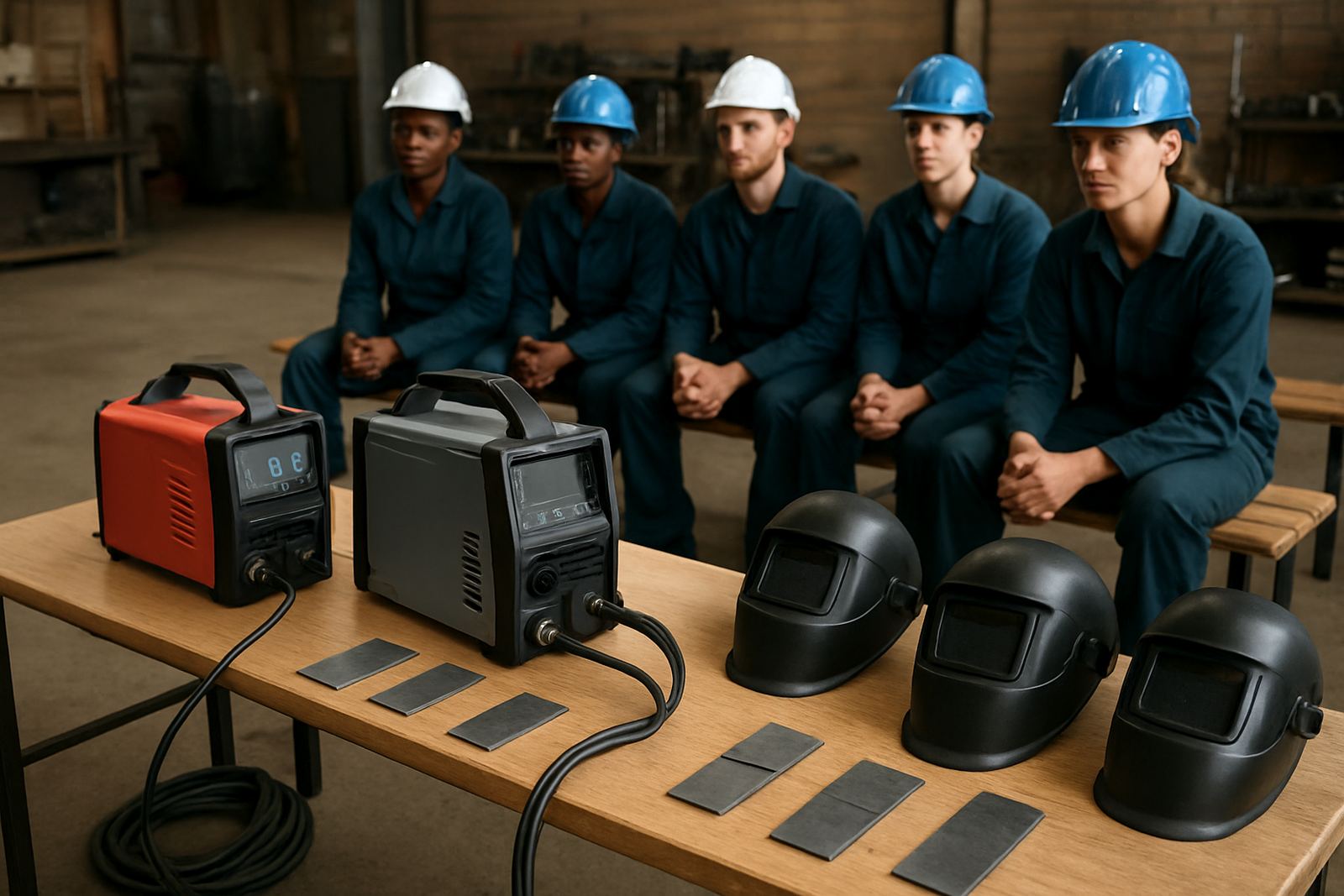
Training was kept practical. We showed the team how to inspect consumables before a shift, how to listen for air problems, and what to do when a cut starts getting rough. The support floor did not need theory, it needed actions that could be followed at 6 am before production started. A small printout of the approved settings was left with the team for quick reference.
- Week 1: site assessment and measurements
- Week 2: setup and trial cutting
- Week 3: training and final checks
Results on the fabrication floor
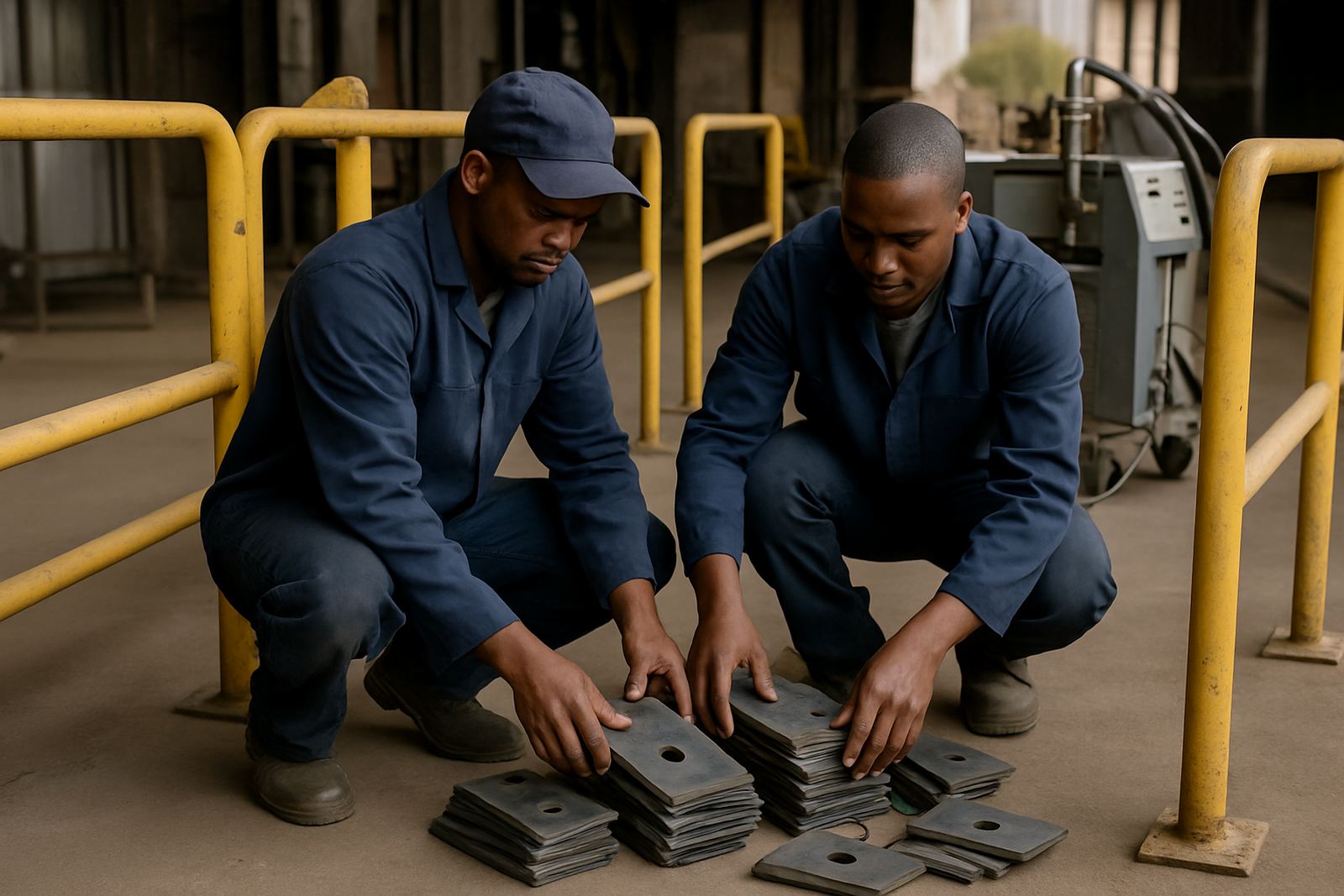
Once the setup was settled, the floor moved through bracket batches with much less marking out and far fewer rejected parts. The client reported more consistent hole placement and better edge finish, especially on repeat jobs that used to be cut by hand and then cleaned up later. The operators were able to keep the same settings for standard parts, which helped with planning and reduced wasted plate.
The other gain was in consumable control. By checking air quality and keeping an eye on torch condition, the team reduced unnecessary tip wear and got longer service from the cutting gear. That matters in a plant environment where every extra minute of machine time counts and a stopped line can hold up welding, assembly and dispatch. The workshop lead also noted that the team was handling breakdown calls better because they knew what normal looked like.
- More repeatable bracket sizes
- Less manual marking out
- Lower rework on holes and edges
- Better control of consumables and downtime
What we would carry into the next fabrication job
We would follow the same approach again for any similar fabrication floor in Secunda, Sasolburg, Vanderbijlpark or Welkom: inspect the air supply first, map the common parts, then set up the cutting process around the work that repeats most often. That order saves time and avoids fitting a machine to the wrong workflow. It also keeps the job practical for a real shop, not a showroom.
For clients in Gauteng and the Free State, we would also keep the service plan simple. Preventive maintenance, consumables checks, operator training and quick on site support make a better long term result than waiting for a torch problem or power source fault to stop production. Marius van der Merwe and the team at our Vereeniging base handle enquiries through the contact form, and we can support setup, servicing and breakdowns across the region when needed.
- Check air quality before cutting starts
- Build settings around the common parts first
- Train the operators on daily checks
- Keep spare consumables on hand
Key facts
| Project town | Secunda |
|---|---|
| Work type | Repeated component cutting for support brackets |
| Material range | 3 mm to 12 mm mild steel |
| Timeline | 3 weeks |
| Key services used | CNC table servicing, height control calibration, air system inspection, operator training |
| Service area | Vereeniging, Gauteng and the Free State |