What the Welkom team needed on site
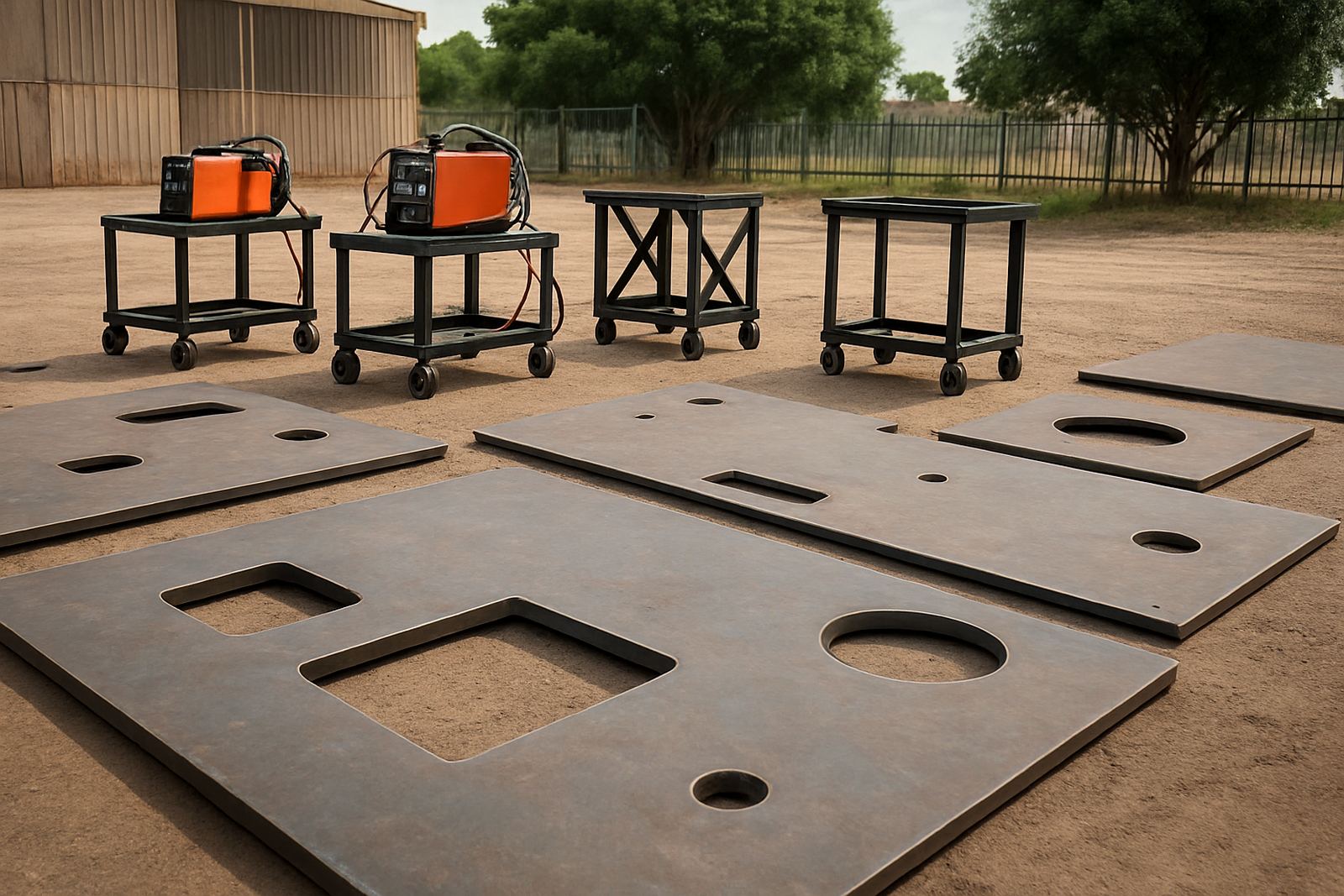
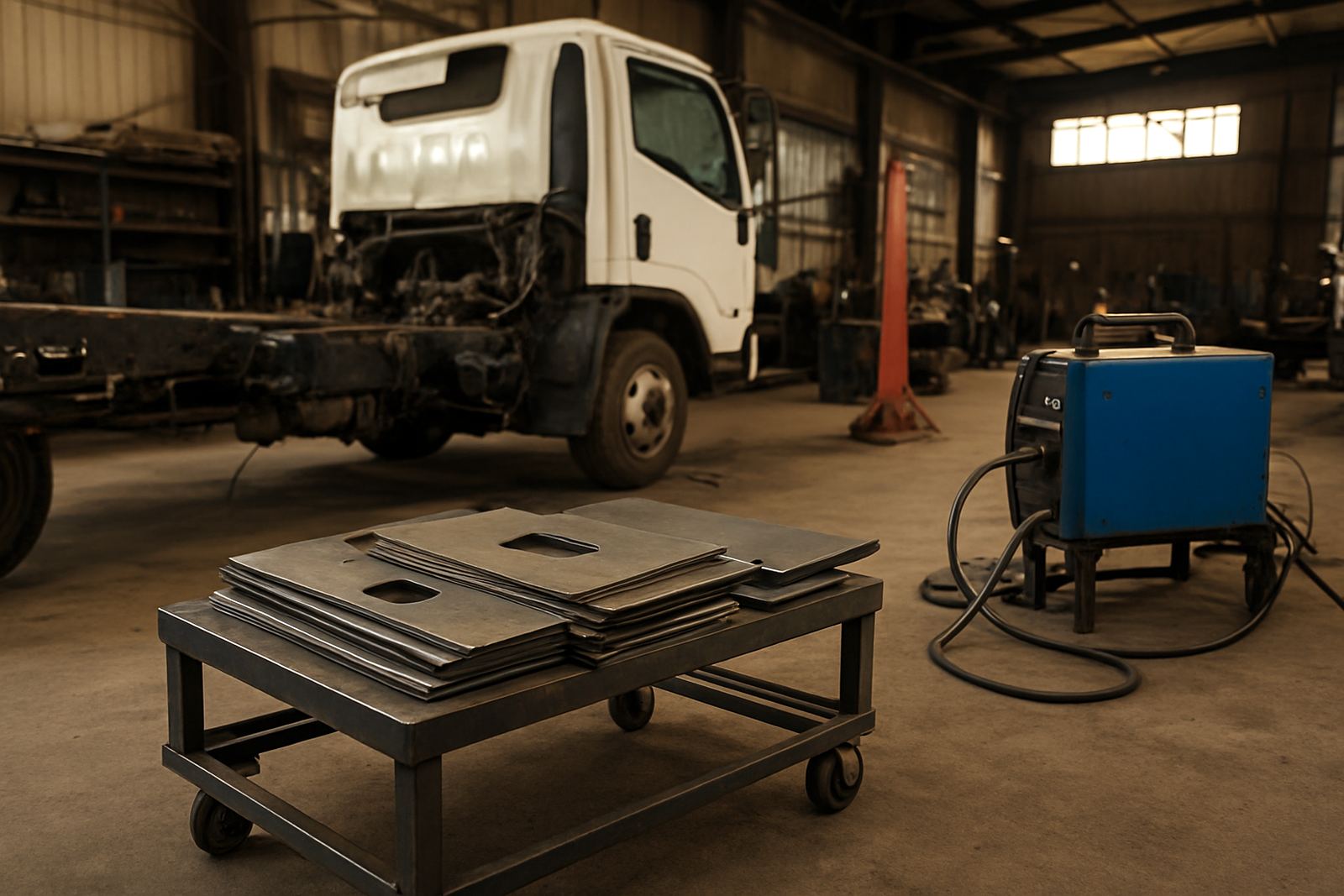
The client was a busy maintenance crew in Welkom working on recurring steel repairs for a large industrial operation. Their cutters were being used on brackets, guards, frames and plate repairs, often under time pressure and with jobs changing from one shift to the next.
The brief was straightforward: reduce downtime, improve cut consistency and make sure the team had support they could actually use on the floor. The site runs in a part of the Free State where dust, heat and long operating hours can all affect equipment, and the crew wanted a supplier with a Vereeniging base that understood what maintenance teams need when a job cannot wait.
- Cutting support for mild steel maintenance work
- Help with handheld plasma cutters and CNC table setup
- Operator guidance for mixed skill levels
- Fast access to spares and consumables
The main constraints we worked around
At the Welkom site, a few workshop realities shaped how the servicing work had to be done. Power quality was not always stable, so equipment had to be checked carefully before being put back into daily use. There was also a need to work around production windows, which meant servicing had to happen without blocking the maintenance schedule or holding up planned shutdown tasks.
On top of that, the team needed cleaner cut edges for quicker fit-up and less grinding. When maintenance crews are repairing worn steel, every extra minute spent dressing a cut adds cost. We also had to account for consumable wear, compressed air quality and torch handling, because small issues in those areas can quickly turn into bigger stoppages.
- Variable power quality and load-shedding risk
- Compressed air condition and moisture control
- Dust exposure in an industrial environment
- Tight maintenance windows and shift work
What we supplied and carried out
We began with an on site assessment and then moved through commissioning, repairs and tuning in stages. The work covered handheld units as well as CNC-related support where table performance and torch height control needed attention. Our technical lead checked output stability, torch condition, pilot arc behaviour and air delivery before anything went back into regular service.
We supplied practical support, not just a one-off handover. That included torch repairs, power source repairs, consumables checks, air system inspection, CNC table servicing and height control calibration. Where wear was found, we replaced spares and explained what caused the issue so the maintenance team could spot it earlier next time.
- Torch Repairs
- Power Source Repairs
- Preventive Maintenance
- Consumables Checks
- Air System Inspection
- CNC Table Servicing
- Height Control Calibration
- Cut Quality Audits
Training that made the tools easier to keep running
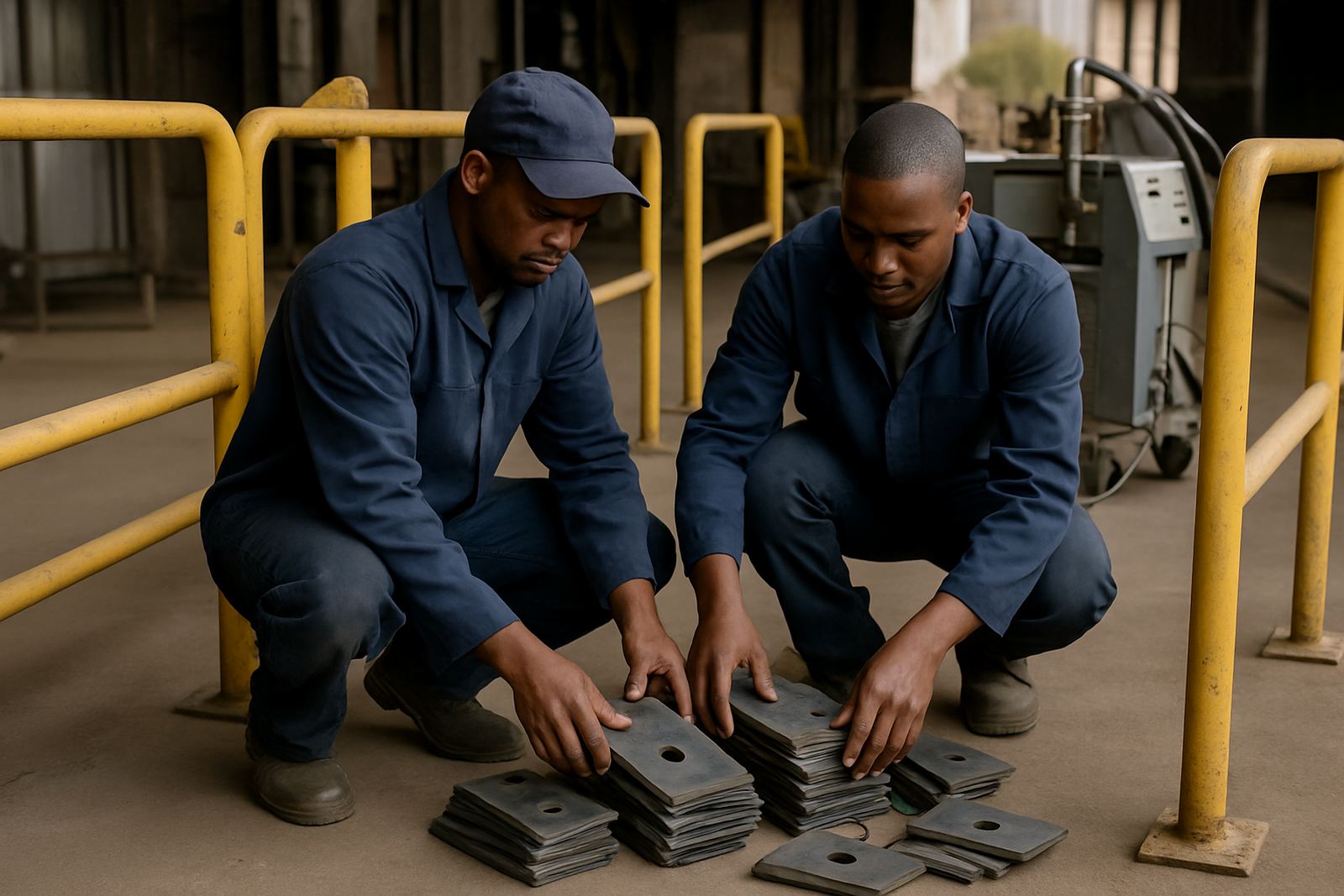
The crew had a mix of experienced welders and newer operators, so training had to be practical and easy to repeat on shift. Our training and demos consultant walked the team through safe starting procedures, correct standoff, travel speed, torch angle and how to tell the difference between a consumable issue and a setup issue. That mattered because many cut faults are blamed on the machine when the real problem is air, wear or technique.
We kept the training focused on what the team would see day to day. No fancy language, just the checks that help keep a cutter productive. The customer support coordinator also helped the site set up a simple call-back process for service requests and spares orders through the enquiry form, which made it easier for the team to flag issues before they became breakdowns.
- Safe torch handling and restart checks
- Recognising worn nozzles, electrodes and swirl rings
- Setting air pressure for cleaner edge quality
- Basic operator routines for end-of-shift checks
Timeline and response from the base in Vereeniging
The project ran over four weeks from first contact to final checks. Week one covered inspection and fault finding. Week two focused on repairs and consumables replacement. Week three covered operator training and height control calibration. In week four we completed the cut quality audit and confirmed the machines were ready for normal maintenance work.
Being based in Vereeniging helped with support across Gauteng and into the Free State. For Welkom, that meant we could plan the trip properly, arrive with the right parts and avoid wasting site time on second visits. The field service technician handled the onsite work, while the technical lead and sales manager kept the client updated on what was found and what should be monitored going forward.
- Project duration: 4 weeks
- On site visits: 2 planned service trips
- Follow-up support: remote check-ins after commissioning
Results the maintenance crew could measure
By the end of the project, the crew had more consistent starts, better edge finish and fewer stops caused by worn consumables or poor air delivery. Cut quality improved enough that several jobs needed less grinding before fitting, which saved time on repetitive repairs. The team also had a clearer idea of which faults to report early, so small problems could be sorted before they turned into full stoppages.
For a maintenance crew, the real win is usually not a single big improvement. It is the steady reduction in interruptions. In this case, the site got a more dependable setup for daily repair work, plus support that could be called on again when consumables ran low or a torch needed attention.
- Cleaner cuts and less rework
- Reduced downtime from avoidable faults
- Better operator confidence on repetitive repairs
- Clearer maintenance routines for the site team
What we would keep the same on another maintenance team site
We would use the same approach again for any maintenance crew in Welkom, Sasolburg, Vereeniging or Vanderbijlpark handling regular steel repairs. Start with an inspection, check the air supply, test the power source properly and then train the operators on the issues they are most likely to face. That order saves time and avoids guessing.
For sites working through load-shedding, dusty conditions or long shifts, preventive maintenance pays for itself quickly. We would also recommend regular consumables checks and a scheduled cut quality audit every few months, especially where the cutters are used on plate, frames and general repair work. It is a simple way to keep the equipment earning its keep instead of sitting idle for avoidable reasons.
- Inspect first, then repair and train
- Keep a small spares buffer on site
- Check air quality before blaming the machine
- Plan follow-up servicing around shutdowns
Key facts
| Project | Welkom Maintenance Team |
|---|---|
| Location | Welkom, Free State |
| Service area | Gauteng and the Free State |
| Timeline | 4 weeks |
| Scope | Torch repairs, power source repairs, maintenance, training and cut quality checks |
| Team involved | Technical Lead, Field Service Technician, Training and Demos Consultant, Customer Support Coordinator |