What the Benoni yard needed from us
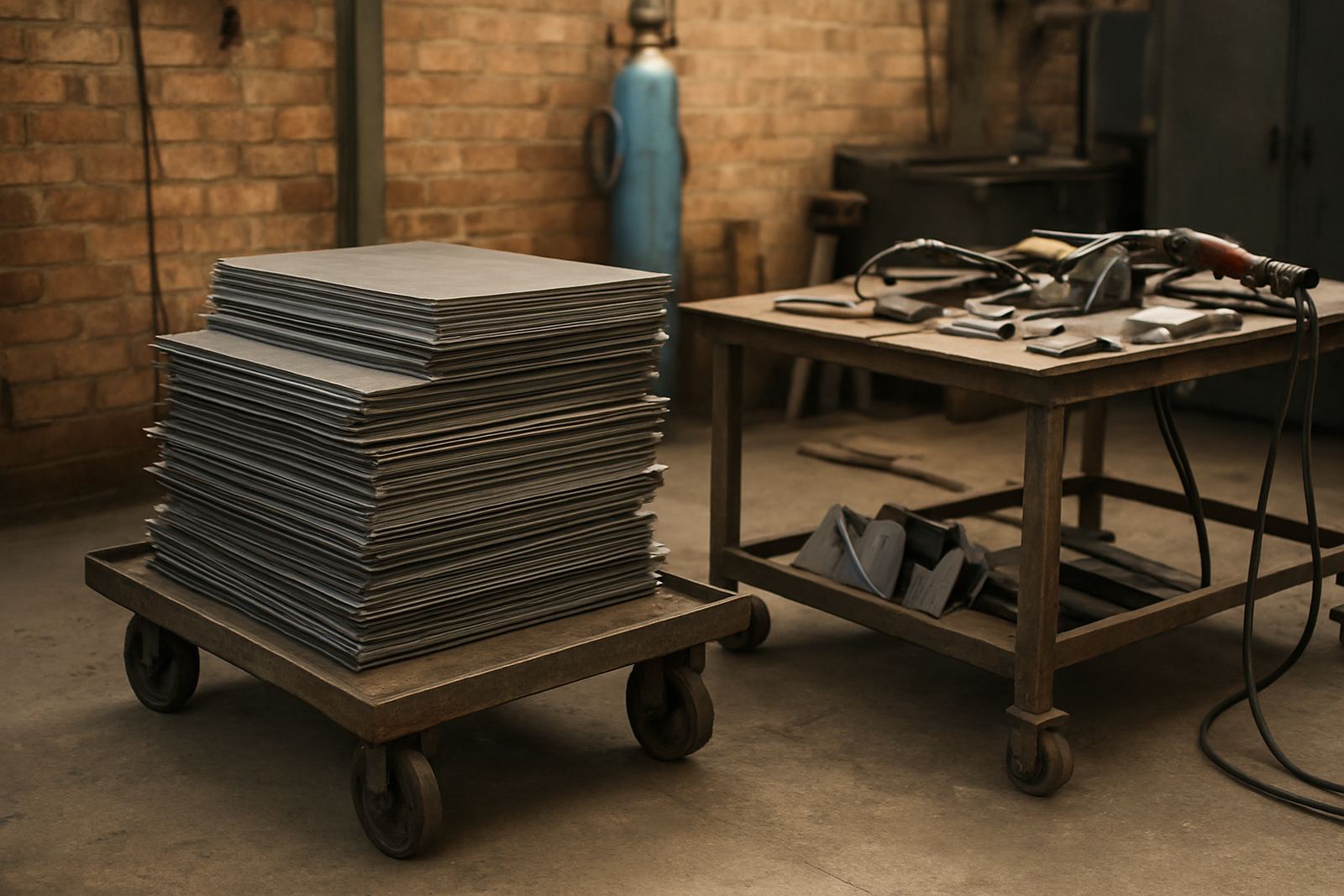
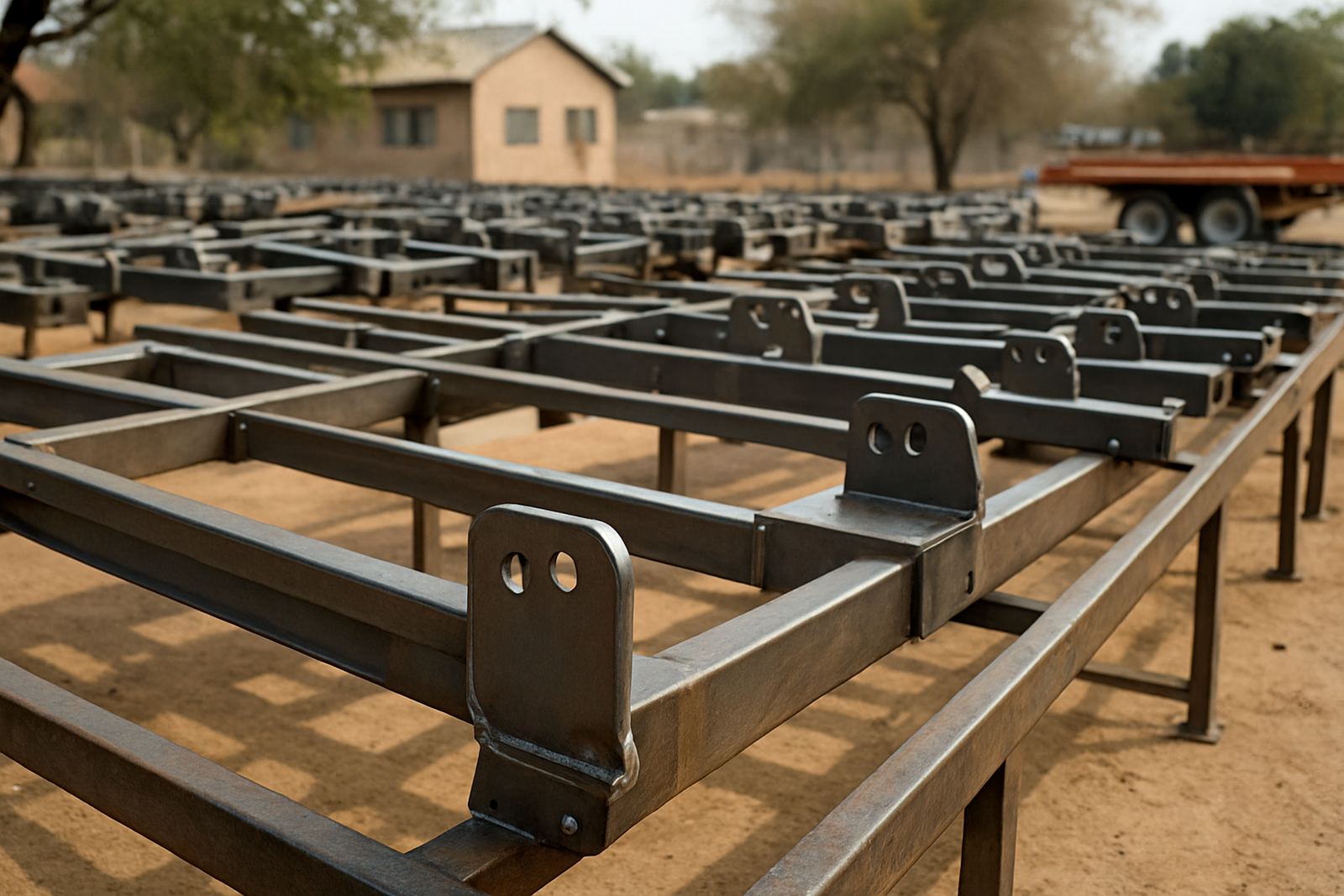
The client was a boilermaker and fabrication yard in Benoni handling structural repair work, vessel components and general heavy steel jobs for local industry. Their team needed plate openings and shaped profiles cut to a dependable standard, with clean edges that reduced grinding and kept assembly moving.
The Benoni job sounded straightforward, but the cutting tolerances and fit-up requirements left little room for error. Parts had to match existing fabrication drawings, fit into mixed thickness plate, and arrive ready for tack-up without extra trimming. The yard also works in a busy production environment, so any delay on cut parts can stall fitment and push out handover. We were asked to support the cutting side, and to do it in a way that suited the pace of a working boilermaker shop, not a showroom setup.
- Client type: boilermaker and fabrication yard
- Town: Benoni, Gauteng
- Work type: heavy plate openings and shape profiles
- Main goal: cleaner fit-up with less rework
Plate thickness, tolerances and site constraints
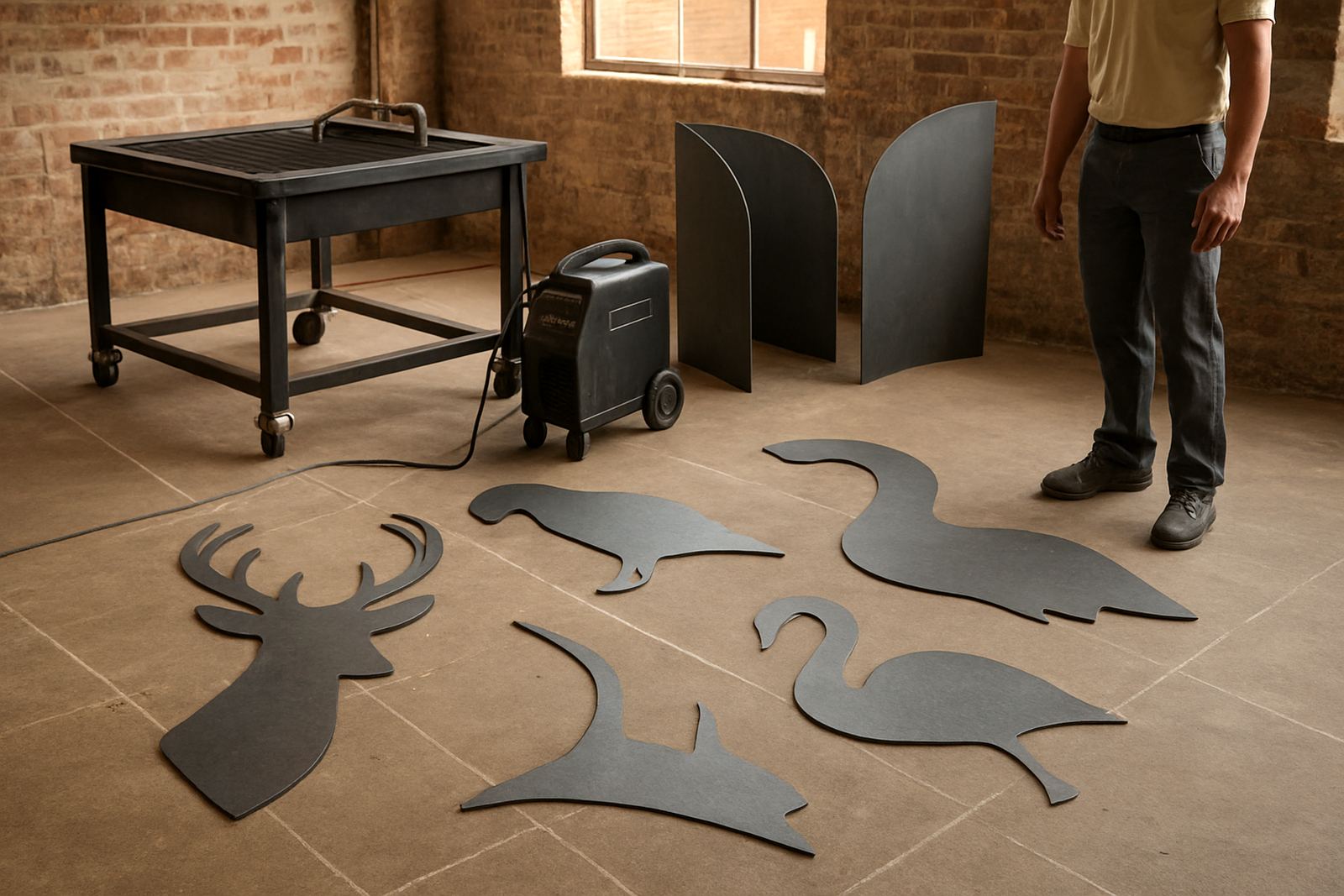
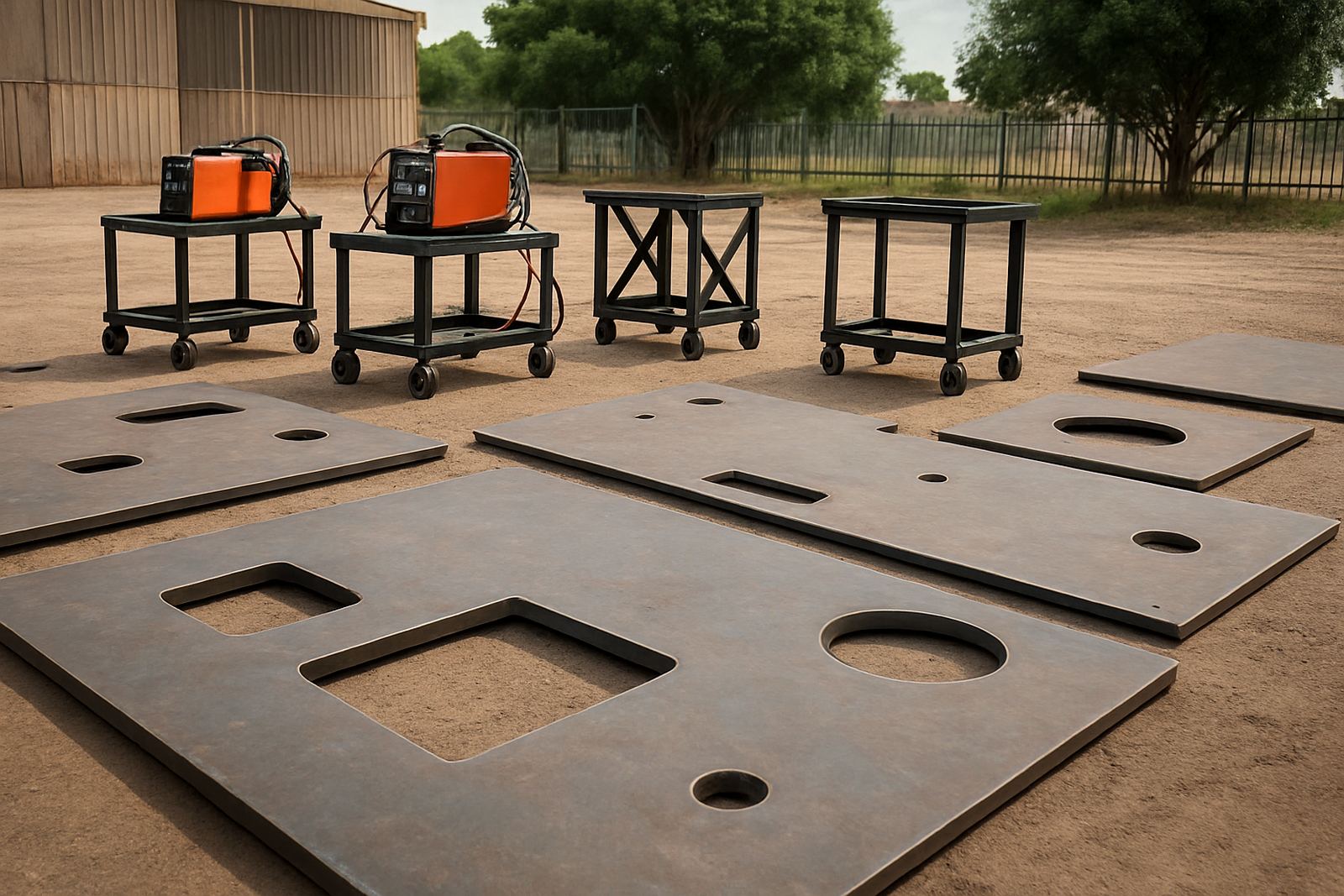
The job involved heavy mild steel plate in the 8 mm to 25 mm range, with a mix of round, rectangular and irregular cut-outs. Some openings were for access, some for connection points, and some for shape matching on fabricated sections. The key was staying true to size while keeping dross low enough that the fitters did not waste time cleaning every edge.
Benoni yards often work around power interruptions, compressor downtime and tight floor space, so we planned the sequence to limit stoppages. The team also wanted cuts that could handle repeat use across similar fabrication sets, because batch consistency matters when multiple parts are going to the same assembly line. We allowed for that by checking torch setup, air supply quality and cut settings before starting the main work. It sounds small, but bad air and poor set-up will show up fast on thick plate.
- Material range: 8 mm to 25 mm plate
- Cut types: openings, profiles and shaped sections
- Fit-up requirement: minimal edge cleanup
- Site constraint: production had to keep running around the cutting work
What we supplied and how the job was managed
We supplied the cutting support, set-out checking and practical guidance needed to get the parts out cleanly. Where needed, we helped confirm dimensions before cutting so there was less risk of wasting plate. For heavier sections, we focused on accurate start points, steady travel and torch control to reduce taper and keep the profile within the required line. On work like this, the difference between acceptable and good is often only a few millimetres.
The yard also asked for advice on consumable wear and air quality because they wanted a repeatable result, not a once-off fix. We checked nozzle condition, electrode wear and air delivery during the job and advised on the sort of maintenance routine that helps in a fabrication shop. That included looking at moisture in the airline, which is common in Gauteng when the weather shifts, especially on mornings where the compressor starts hard after a cold night.
- Set-out verification before each cut sequence
- Consumable condition checks during production
- Air line inspection to reduce moisture related cutting issues
- Edge quality checks before parts were released to the fitters
Timeline from first brief to completed parts
The work ran over 2 weeks from first walkthrough to final handover. Week 1 covered brief confirmation, measurements and the first batch of opening cuts. Week 2 focused on the remaining profiles, checks against the fabrication team’s requirements, and final adjustments where the yard wanted a tighter fit on a few repeat parts.
That timing worked because the yard could keep welding and prep work going while the cut items were being prepared. It avoided a stop-start pattern that would have slowed the whole job. We kept communication direct and practical, with the team on site knowing what was ready, what was still in process, and what needed a quick recheck before release. No fuss, just clear progress.
- Week 1: brief, measurements and first cuts
- Week 2: remaining profiles and final checks
- Hand-over: parts released ready for fit-up
Results on the boilermaker floor
The finished openings and profiles fitted the fabrication work with less grinding than the yard had been allowing for previously. That saved time at fit-up and reduced the amount of rework at the bench. The edges were consistent enough for the boilermakers to move from cutting straight into assembly, which is where the value sits on a busy shop floor.
Another benefit was consistency across the repeated sections. When a fabrication yard has to produce the same type of opening more than once, it needs repeatable results or else each set becomes a fresh problem. The work we supplied gave the yard a better base to work from and helped keep the production line moving. That matters in Benoni, where many workshops are balancing urgent repairs, customer collections and daily load-shedding planning all at once.
- Less edge cleanup before tack welding
- Better repeatability across similar parts
- Reduced delay between cutting and assembly
- Cleaner handover to the fabrication team
What we would do again on a job like this
For a yard like this, we would follow the same approach again: confirm the drawings early, check plate condition before cutting, and keep the air supply and consumables under control from the start. If the client had a larger repeat run, we would also recommend grouping identical profiles together to improve consistency and save time on set-up. That works well when a shop is trying to get through a batch before the end of the week.
We would also keep the servicing side close to the cutting side. On heavy plate work, a plasma system that is slightly out of calibration or running on wet air can cost more in wasted material than many people realise. A simple inspection before the shift can prevent that. In short, the Benoni project showed again that careful preparation and practical support make a real difference on boilermaker work, not just at the first cut but right through the fabrication process.
Key facts
| Project location | Benoni, Gauteng |
|---|---|
| Client type | Boilermaker and fabrication yard |
| Material range | 8 mm to 25 mm mild steel plate |
| Work completed | Heavy plate openings and shape profiles |
| Project duration | 2 weeks |
| Outcome | Cleaner fit-up with less grinding and rework |