Project brief for a Heidelberg sheet shop
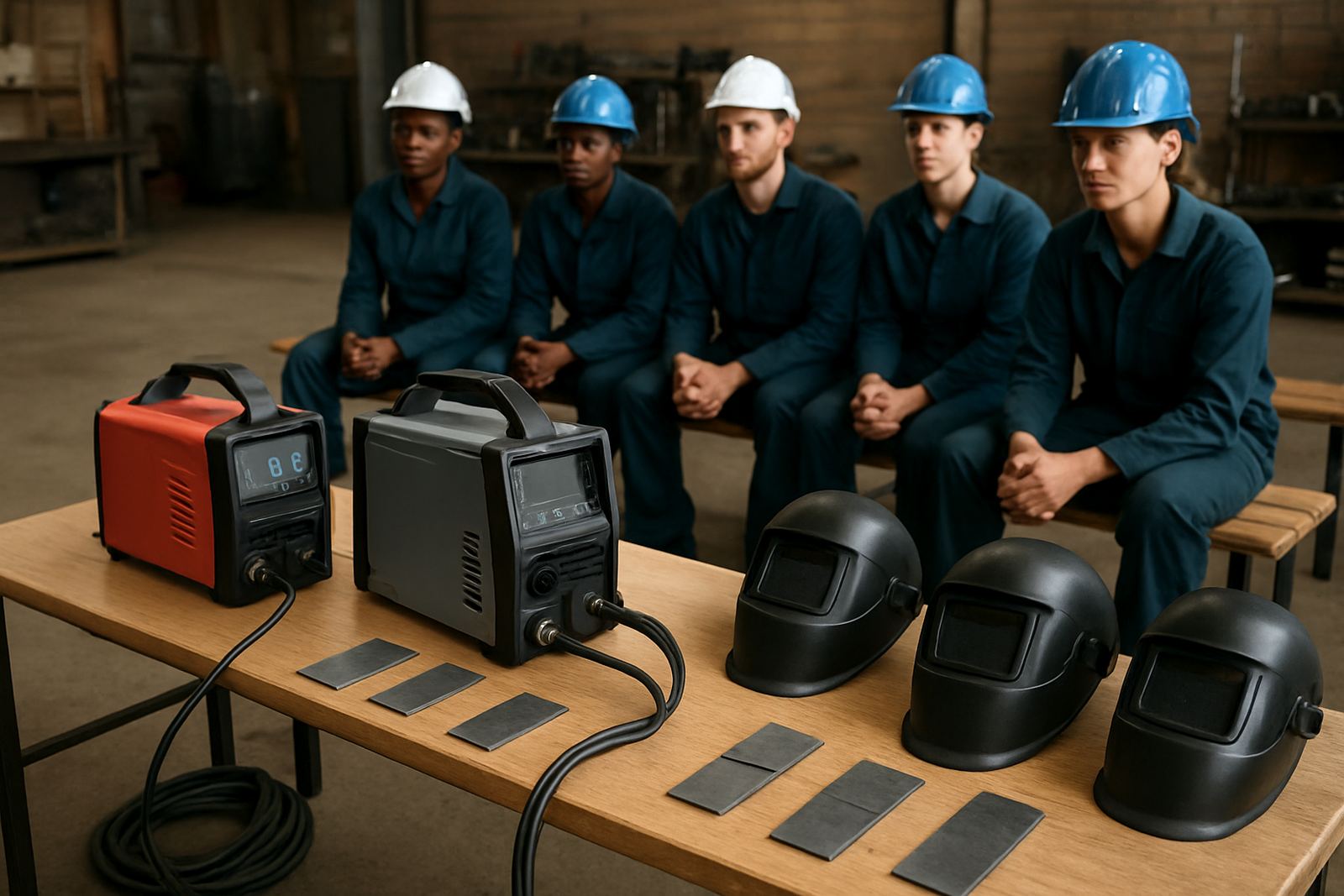
The client was a sheet metal production shop in Heidelberg serving commercial and light industrial work in the East Rand. Their team needed a batch of duct blanks and matching support tabs for a run that had to slot into an existing fabrication schedule without holding up assembly.
The brief was straightforward but tight on tolerance. Parts had to nest efficiently, keep edge distortion low, and arrive ready for folding and fit-up. The shop was working around normal plant pressure, so there was no room for rework or repeated trimming on site.
- Location: Heidelberg, Gauteng
- Part type: duct blanks and support tabs
- Material range: mild steel sheet for fabrication work
- End use: sheet metal assembly and support brackets
What the production run needed from us
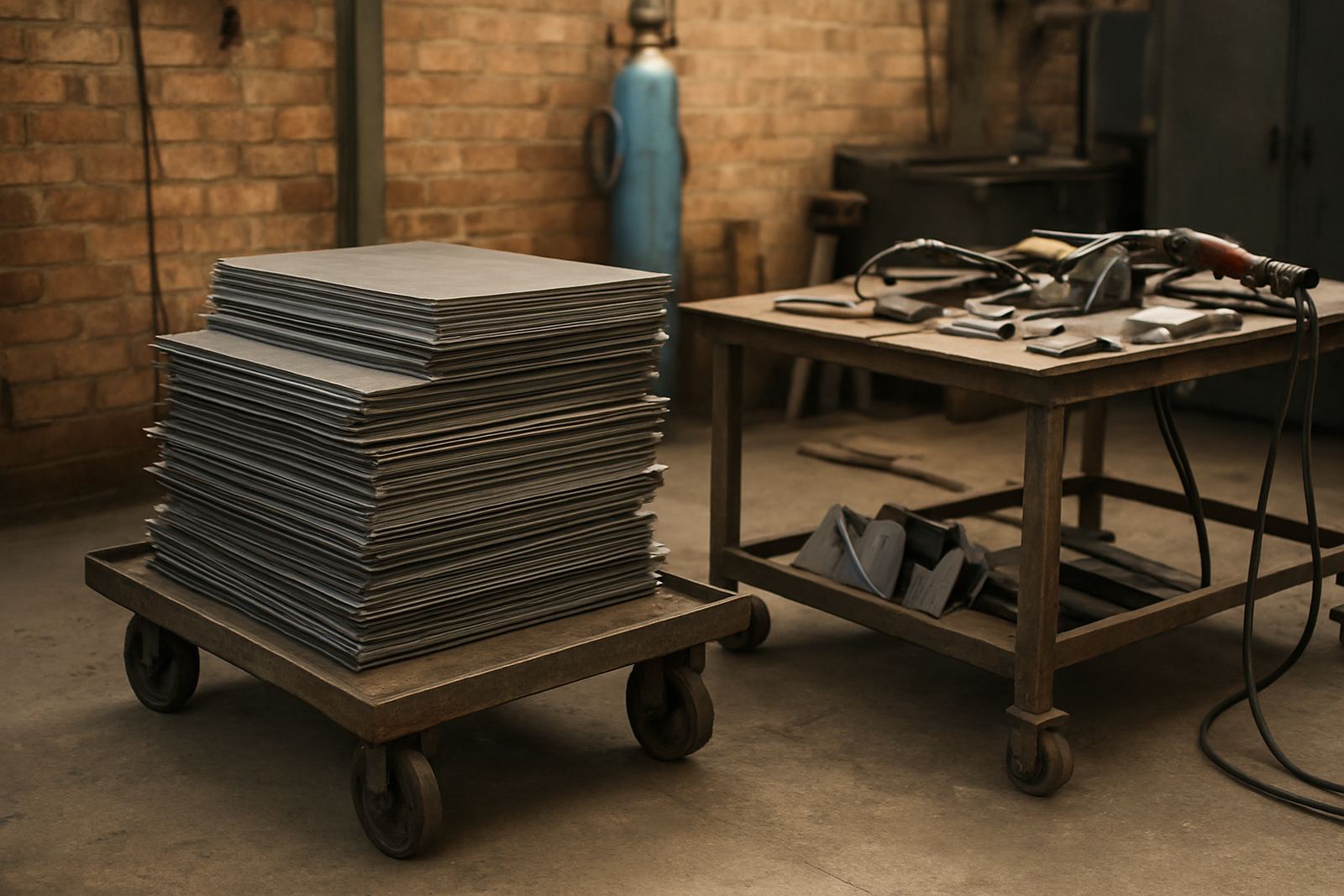
The main constraint was turnaround. The fabrication team wanted the job cut, checked and ready within a short window so the assembly crew could keep moving. Material condition also mattered because stored sheet can arrive with light surface marking, and that needs to be managed before cutting.
We also had to account for a typical South African workshop reality: intermittent load-shedding, air supply quality and the need for parts to stay consistent across the batch. With duct work, even a small size shift can cause a problem when flanges, tabs and seam lines come together.
- Consistent hole and edge quality for folding and assembly
- Stable cutting settings for repeat parts across the batch
- Allowance for workshop interruptions and power changes
- Simple identification of parts for sorting at the bench
Cutting and prep work we supplied
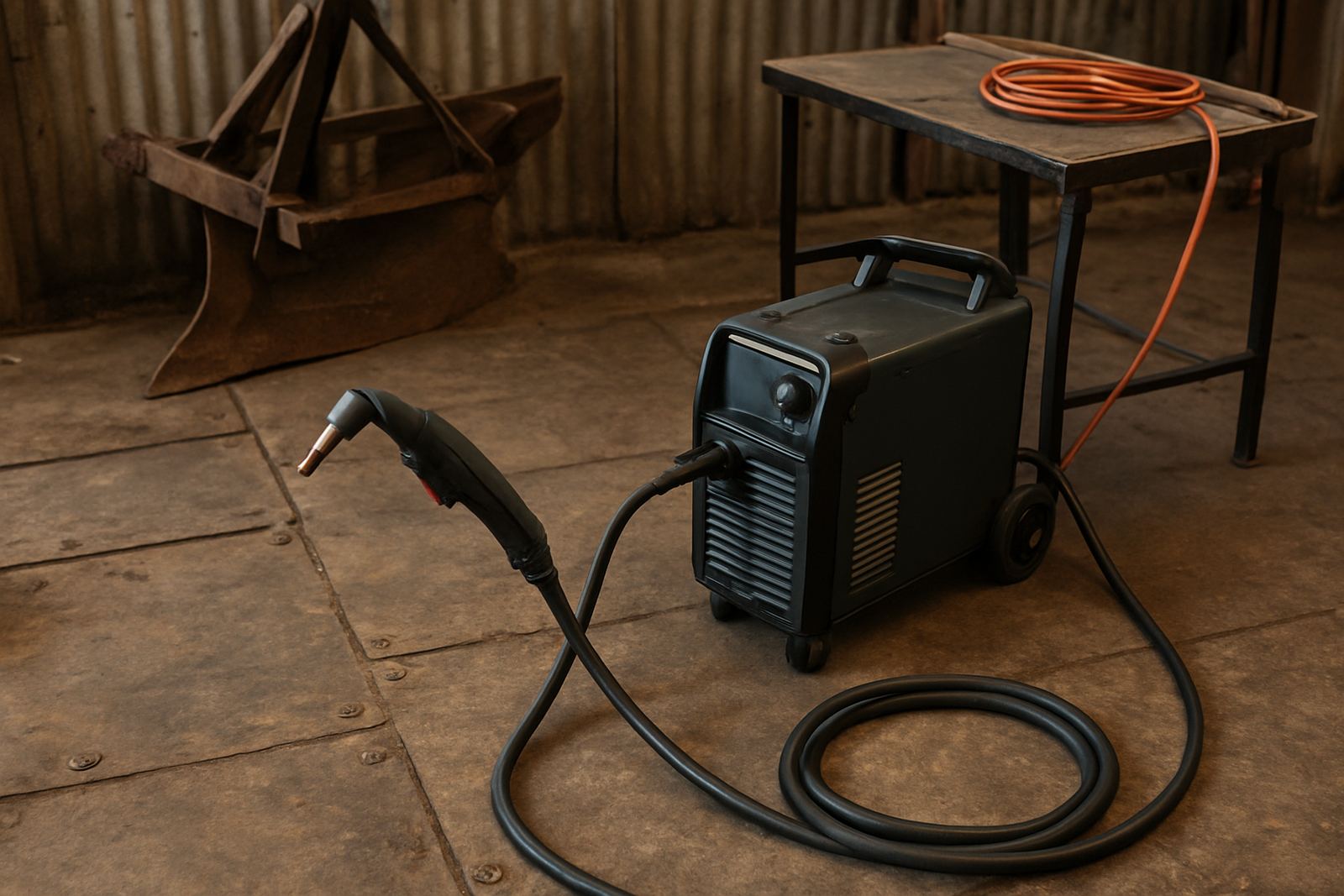
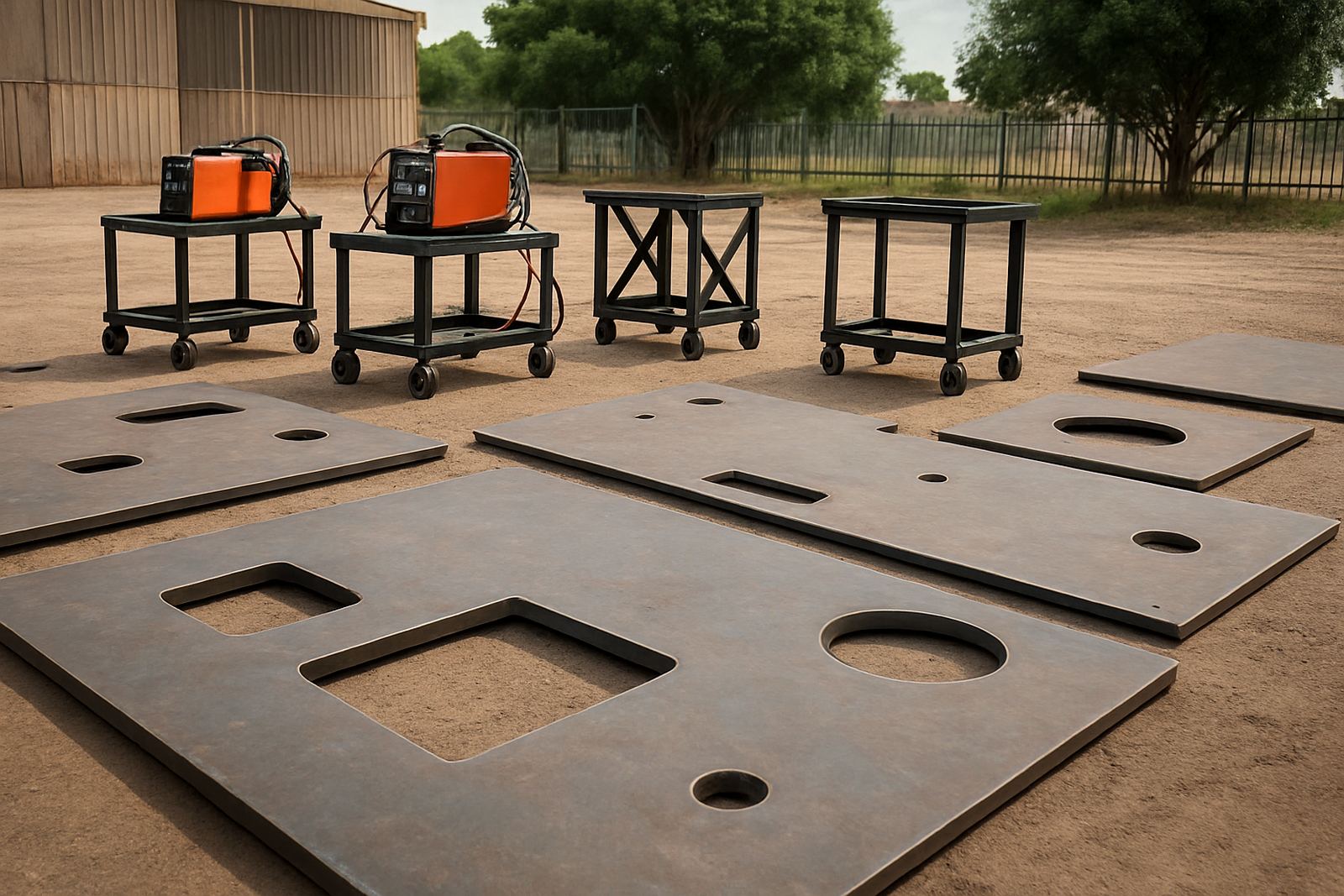
We used a CNC plasma setup for the batch and prepared the job to keep material use efficient. The blanks were laid out to reduce offcut waste, and the support tabs were grouped so the fabricators could separate parts quickly on the receiving side. Clean cut edges helped reduce grinding time, which is often where hours are lost on a run like this.
Before release, we checked the cut path for common issues such as overburn, dross build-up and tight corner movement. The goal was not only to make the parts fit, but to make them pleasant to handle through the rest of the workshop process.
- Batch nesting to reduce scrap
- Cut path checks for straightness and corner accuracy
- Edge finish suitable for folding and tack-up work
- Parts sorted by size for easy issue on the floor
Timeline from drawing to delivery
The job ran over two weeks from first layout to final handover. In week one we confirmed the part sizes, checked the sheet thickness and locked the cutting sequence. In week two the batch was cut, inspected and prepared for collection and use in the production run.
That pace suited the Heidelberg team because it kept their internal schedule intact. The shorter turnaround also meant less material sat waiting, which matters in humid conditions where stored sheet can pick up light rust if it is left too long before use.
- Week 1: confirm measurements and cutting plan
- Week 2: cut, inspect and hand over
- Total turnaround: 2 weeks
Results on the shop floor
The finished blanks and tabs fitted the fabrication sequence as planned. The client was able to move directly into folding and assembly without sending parts back for rework. That saved time at the bench and reduced handling between stations, which is always useful when a production run is moving fast.
The clean cut quality also helped with consistency from one piece to the next. For duct work, repeatability is what keeps the assembly line calm. If the first part fits, the rest generally follow, and that was the outcome here.
- Less trimming before assembly
- Cleaner fit-up between blanks and tabs
- Reduced handling and rework
- More predictable progress through the run
What we would keep the same for another sheet shop job
For the next Heidelberg sheet shop run, we would keep the same approach: confirm the sheet size early, batch the parts in the order they will be used, and leave enough time for a final check before release. That works well for shops balancing production, transport and power interruptions at the same time.
If the next batch includes thicker material or a larger number of tabs, we would also allow for a quick consumables check and air system inspection before cutting starts. It is a simple step, but it helps keep edge quality steady and avoids stop-start work mid shift.
- Confirm material and drawing details before cutting begins
- Group parts by assembly sequence
- Check consumables and air supply ahead of the run
- Build in time for a final inspection before handover
Key facts
| Project | Heidelberg Sheet Shop |
|---|---|
| Town | Heidelberg, Gauteng |
| Work completed | Duct blanks and support tabs |
| Process | CNC plasma cutting and part prep |
| Timeline | 2 weeks |
| Application | Sheet metal production run |