The brief from a Parys studio
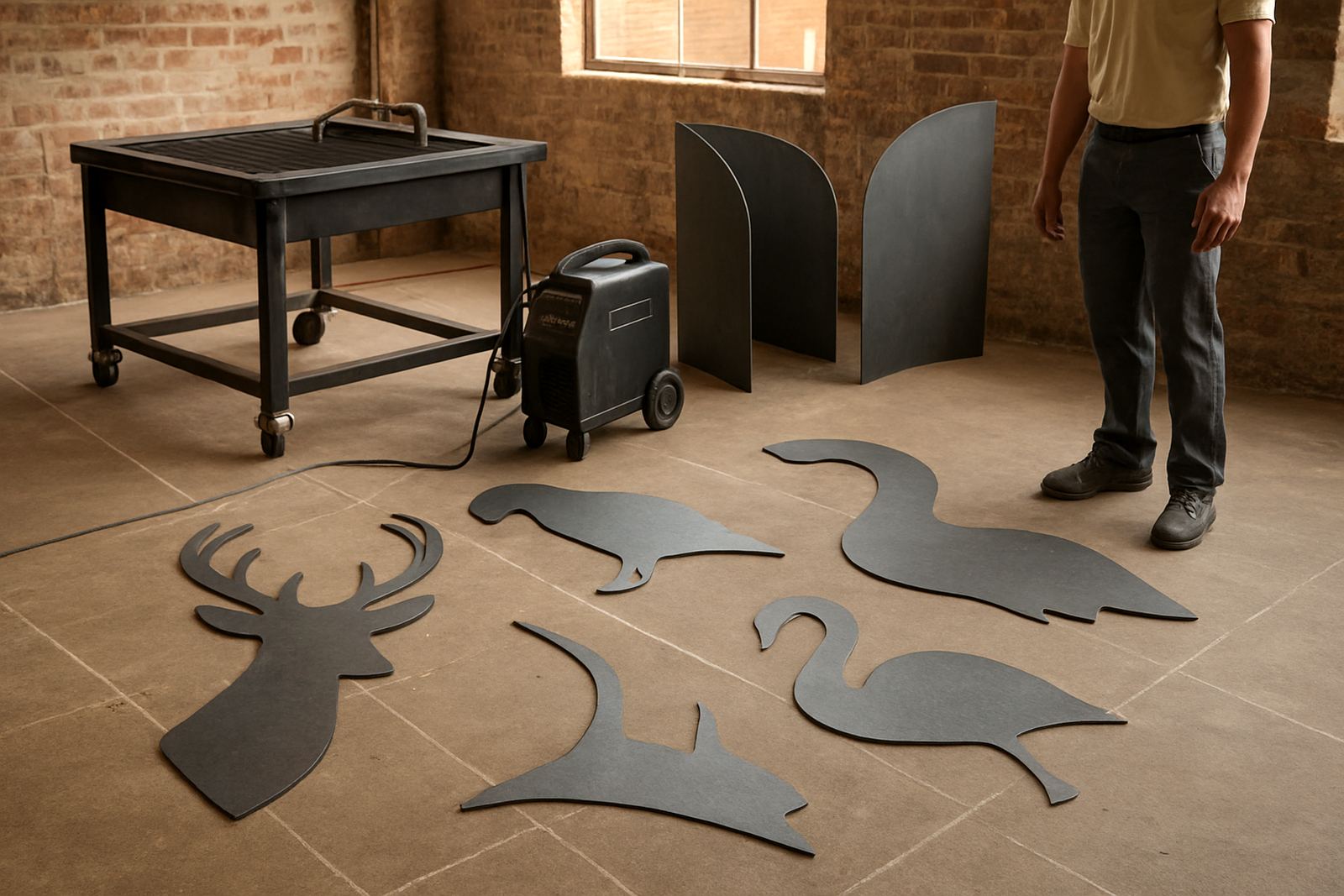
The client was a small artist studio in Parys working on a one-off installation for a private indoor space. For the Parys studio, the concept was easy to describe, but the finished pieces had to line up neatly once welded and mounted.: cut a series of decorative silhouettes, curved panel edges and matching openings that would sit together neatly once welded and mounted. The pieces had to look hand-finished, but the cut quality still needed to be consistent across every part.
They were using mild steel sheet for most of the work, with a few test pieces in thinner material before moving to the final set. The studio wanted crisp edges with limited grind work afterwards, because the installation had a fixed handover date and the panels were going straight into finishing and assembly. There was also concern about heat distortion on the finer shapes, especially on long cut-outs and narrow connecting sections.
We discussed the layout, the sequence of cuts and the thickness range before any cutting started. That planning stage mattered because decorative work can look straightforward until you have to repeat it across multiple panels and keep every line true.
Site constraints and practical cut settings
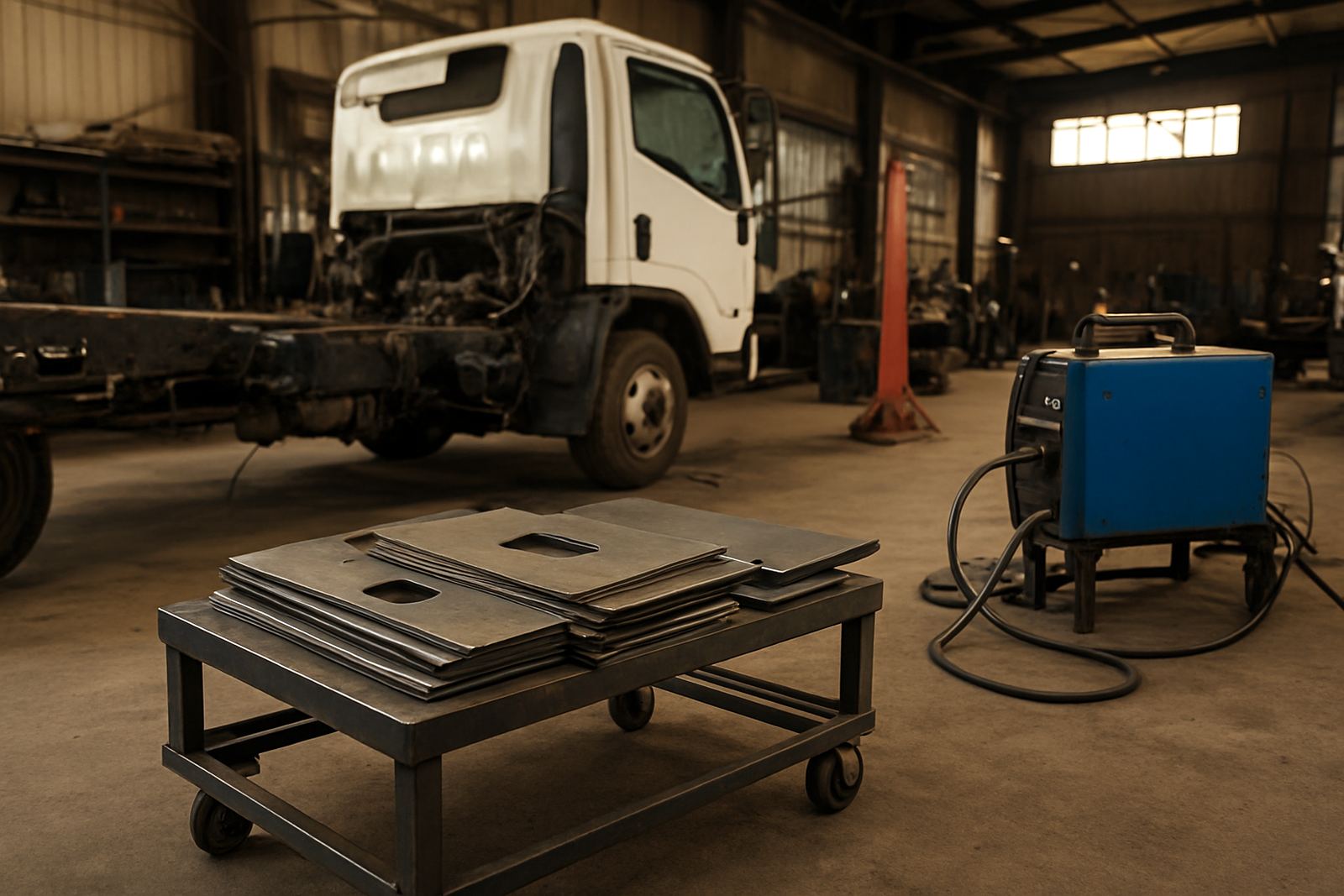
Parys can be a practical test for any small workshop setup. The studio had limited floor space, a mix of natural light and shade and power that needed to be used carefully around other equipment in the room. Because the work was for a live project, they also needed to keep noise and fumes manageable while other finishing tasks carried on nearby.
The material thickness varied from 1.6 mm up to 6 mm mild steel, with the finer decorative elements needing the most care. We adjusted the setup to suit clean edge work rather than sheer speed, and we checked the air line, consumables and torch condition before each run. On thinner sheet, even a small change in travel speed or stand-off can show up as drag lines, so we kept the process steady and repeatable.
Load-shedding was also part of the conversation. The studio wanted a plan that would not waste material if power was interrupted mid-job. We talked through cut sequencing, recovery steps and what to check before restarting after an outage. In a small space, that kind of practical planning saves time and stops scrap from building up.
- Material range: 1.6 mm to 6 mm mild steel
- Cut style: decorative silhouettes, shaped panels and internal cut-outs
- Workspace: compact studio with limited bench and floor area
- Risk points: heat distortion, power interruptions and repeat alignment
What we supplied and how we supported the job
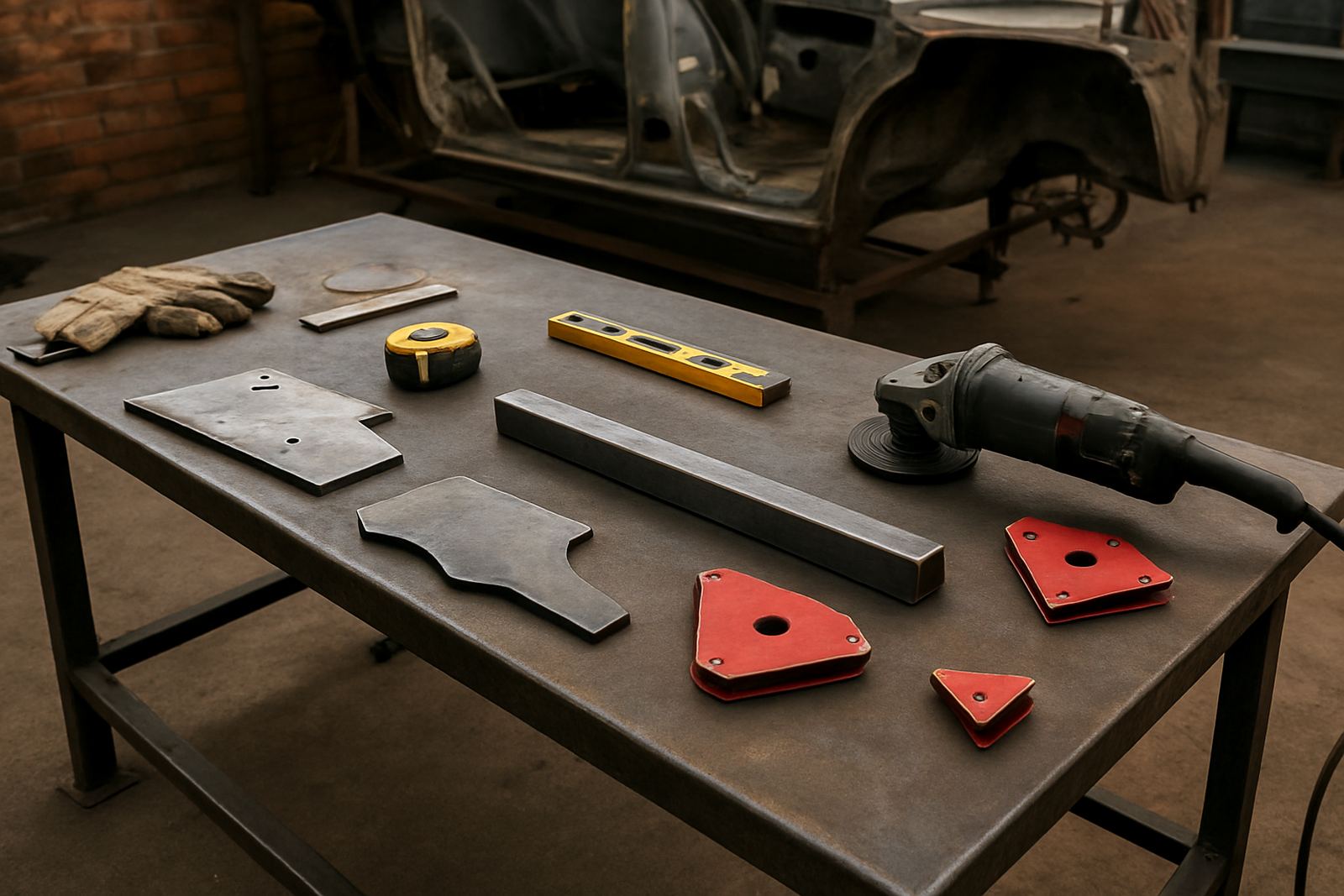
We supplied a handheld plasma cutting setup suitable for the thickness range and the type of detail required. The job called for accurate freehand control on the profiles, plus a clean enough edge that the studio could move straight into fitting and finishing without heavy rework. We also supplied advice on consumable condition, air quality and cut speed, because all three affect finish more than most people expect.
Before the main cuts, we did a few sample runs to confirm arc behaviour on the different sheet sizes. That helped the client decide where to use slower passes and where a slightly faster travel speed would still give a clean edge. Johan from our technical team went through setup with the operator, and Naledi handled the training side so the studio team could repeat the same process on the rest of the pieces.
The support included:
- Torch and consumables inspection before cutting started
- Air system inspection to keep the cut stable and dry
- Operator training on starting points, angle control and restart method
- Advice on cut sequence to reduce distortion on narrow sections
- Check of final edge quality before the pieces were released for finishing
Because the client wanted a neat result with limited grinding, we kept a close eye on the pierce points and corners. On decorative work, that is where you either save time or create extra cleanup later. The setup worked well and the studio did not need to re-cut any of the main shapes.
Timeline from first sample to final release
The full project ran over three weeks. The first week was planning, sample cutting and confirming the material schedule. The second week was the main cutting period, with the majority of the decorative silhouettes and panel shapes completed in sequence. The final week was used for checking, minor touch-ups and handing the parts over for finishing and installation preparation.
That timeline suited the way the studio worked. They did not want a rushed batch that would need sorting later. They wanted each panel checked as it came off the table so the assembly phase could start without delays. We stayed available through the enquiry form during the job, which made it easy for them to ask about small changes, such as edge direction on a curved panel or the best way to handle a narrow bridge in a cut-out.
There was one point where a shape needed a slight re-sequence after a test piece showed more heat pull than expected. We adjusted the order of cuts and the issue was resolved quickly. That kind of change is normal on bespoke art work and it is better to catch it early than after the whole set has been cut.
Results for the installation team
The finished pieces came out with clean profiles and consistent fit, which made the assembly phase faster than the studio had planned. Because the cut quality was steady, the finishing team spent less time dressing edges and more time on the visual aspects of the installation. The final panels lined up well and the silhouettes retained the detail the artist wanted.
For the client, the main result was confidence. They had a repeatable method for the cut work, a clearer understanding of which settings suited each sheet thickness, and a practical way to manage future projects with similar detail levels. The studio also appreciated that the process was explained in plain terms, not treated as something mysterious or overcomplicated.
- Cleaner edges with less post-cut grinding
- Better repeatability across matching panels
- Lower material wastage from early test checks
- More control over heat on narrow and detailed sections
The installation was completed on time and the studio was able to move the pieces straight into the final mounting stage. In decorative metal work, that is usually the difference between a smooth week and a stressful one.
What we would repeat on the next art build
If we were doing the same style of project again, we would follow the same approach: test first, confirm the air quality, lock in the cut sequence and keep a close eye on consumable wear. For a bespoke art installation, that combination gives the best balance between edge quality and time spent on cleanup. It also helps in smaller towns like Parys where the workshop space may need to carry several jobs at once.
We would also keep the operator training short and practical, with a focus on how to maintain cut height on thin sheet and how to restart without leaving a visible mark. Those small details make a real diffrence when the work is going on show. The same method would suit studios in Vereeniging, Vanderbijlpark, Sasolburg, Meyerton, Alberton, Germiston, Bloemfontein or Welkom, especially where the job must move from cutting to finishing without delay.
For us, this project showed again that decorative work is not just about the machine. It is about planning, the condition of the air system, the quality of the consumables and how well the team understands the material in front of them. That is where good results come from.
Key facts
| Project | Parys Artist Studio decorative metal installation |
|---|---|
| Location | Parys, Free State |
| Material | Mild steel sheet |
| Thickness range | 1.6 mm to 6 mm |
| Scope | Decorative silhouettes, panel shapes and internal cut-outs |
| Timeline | 3 weeks from sample to final release |