Springs Yard Pressure and the Cutting Brief
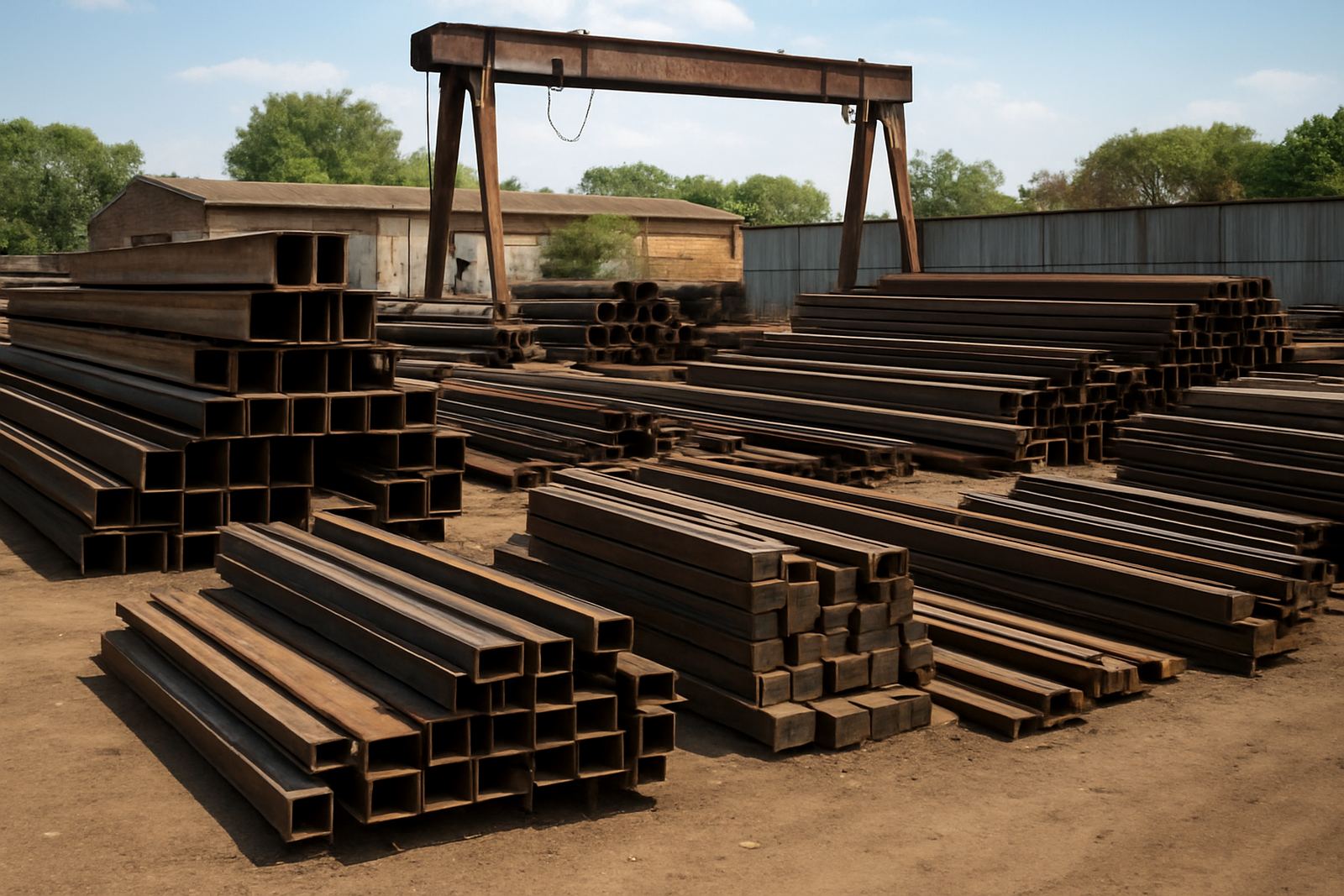
The client was a busy scrap yard in Springs handling mixed ferrous scrap, offcuts and dismantled sections from demolition, plant shut-downs and general industrial clean-up. The problem was simple enough, but the work was not: oversized beams, plate, pipe and machine frames were stacking up faster than the team could safely cut and load them. They needed those sections reduced into manageable pieces for magnet loading, transport and sorting, with less torch time and fewer re-cuts.
The brief was to support cutting of oversized sections into manageable scrap handling pieces. That meant clean separation, dependable arc starts and a process the yard team could repeat under pressure. The site also needed practical support because scrap work in Springs usually happens in dust, uneven ground and constant movement, with forklifts, grabs and trucks coming in and out all day.
Site Constraints That Shaped the Job
We planned the work around the realities of a scrap yard rather than a workshop. Power quality can be uneven on industrial sites, and load-shedding had to be factored into the schedule so cutting did not stop mid-shift. Dust and metallic fines were another concern, so we kept the equipment checks thorough and the consumables supply close to hand.
There were also physical limits on the yard itself. Some stock was too heavy to flip easily, some pieces had surface rust or paint, and other items were awkwardly shaped with trapped seams or mixed thicknesses. In plain terms, the job needed a cutter that could handle dirty material without giving the operator a fight every few minutes. Access inside the yard was tight at times too, so compact equipment and good hose management mattered.
- Mixed scrap thicknesses from thin sheet up to heavy structural sections
- Dusty outdoor working conditions and uneven cutting positions
- Power interruptions and the need to pause safely during outages
- Handling sizes required for magnet loading and truck-ready pieces
What We Supplied For The Springs Scrap Yard And How It Was Set Up
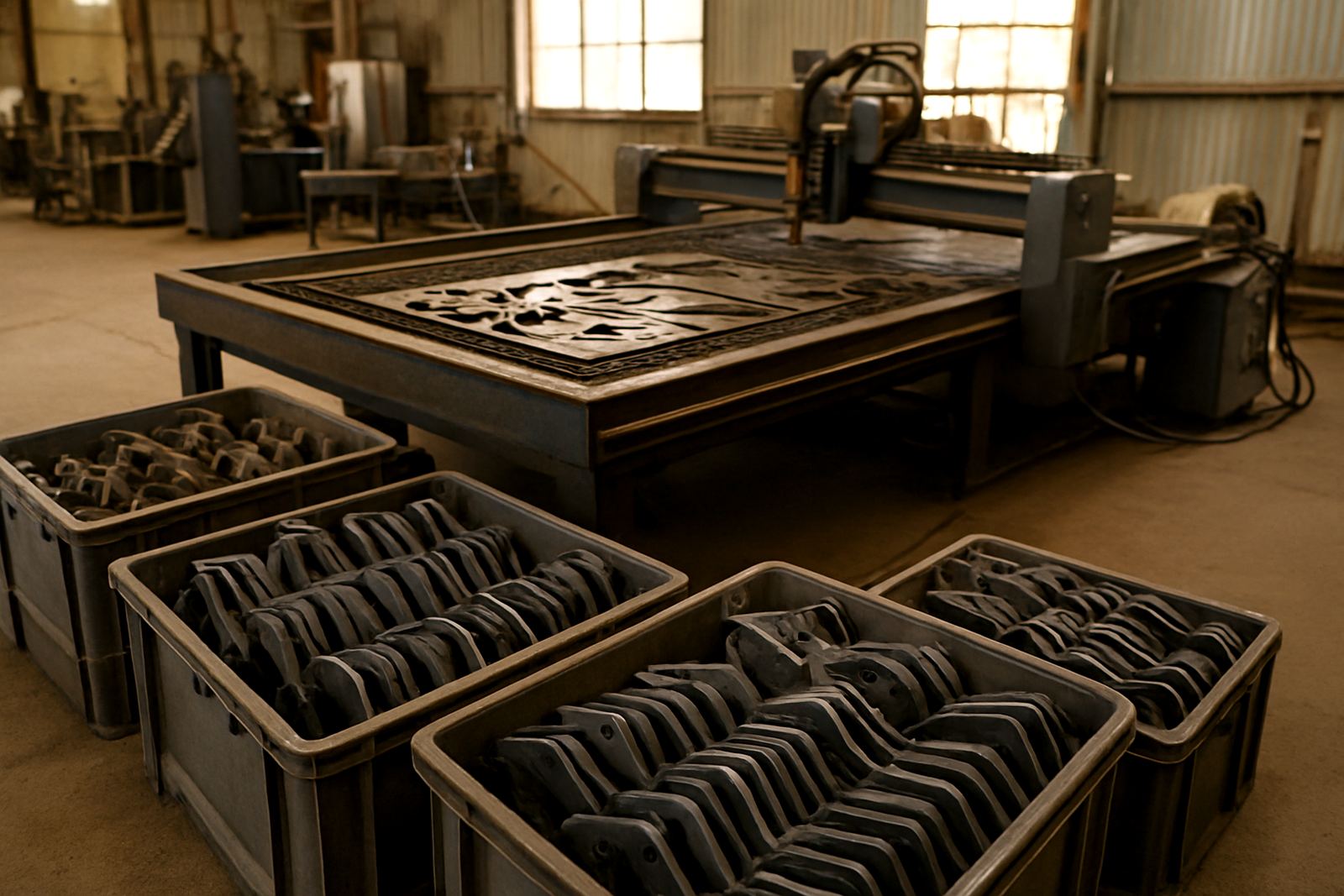
We supplied handheld and CNC cutting support suited to the yard’s workload, with a focus on clean, repeatable cuts on mild steel and general scrap reduction. The setup included torch checks, consumables inspection, air system inspection and height control calibration where needed. For handheld work, we checked lead condition, torch consumables and pilot arc consistency. For the machine side, we looked at cut quality, table travel and the way the system handled repeated starts through dirty material.
Our technical lead also checked that the air supply was dry enough for reliable cutting. In a scrap environment moisture and oil carryover can shorten consumable life quickly, especially near Springs where mornings can be cold and damp. We also adjusted working practice so the team could keep cut quality steady without wasting plates or torch parts. That saved time on rework and helped the yard get more value from each shift.
- On site breakdown support for cutting interruptions
- Consumables checks and spares supply planning
- Air system inspection for dry, clean cutting air
- Height control calibration and cut quality checks
Two-Week Timeline from Assessment to Output
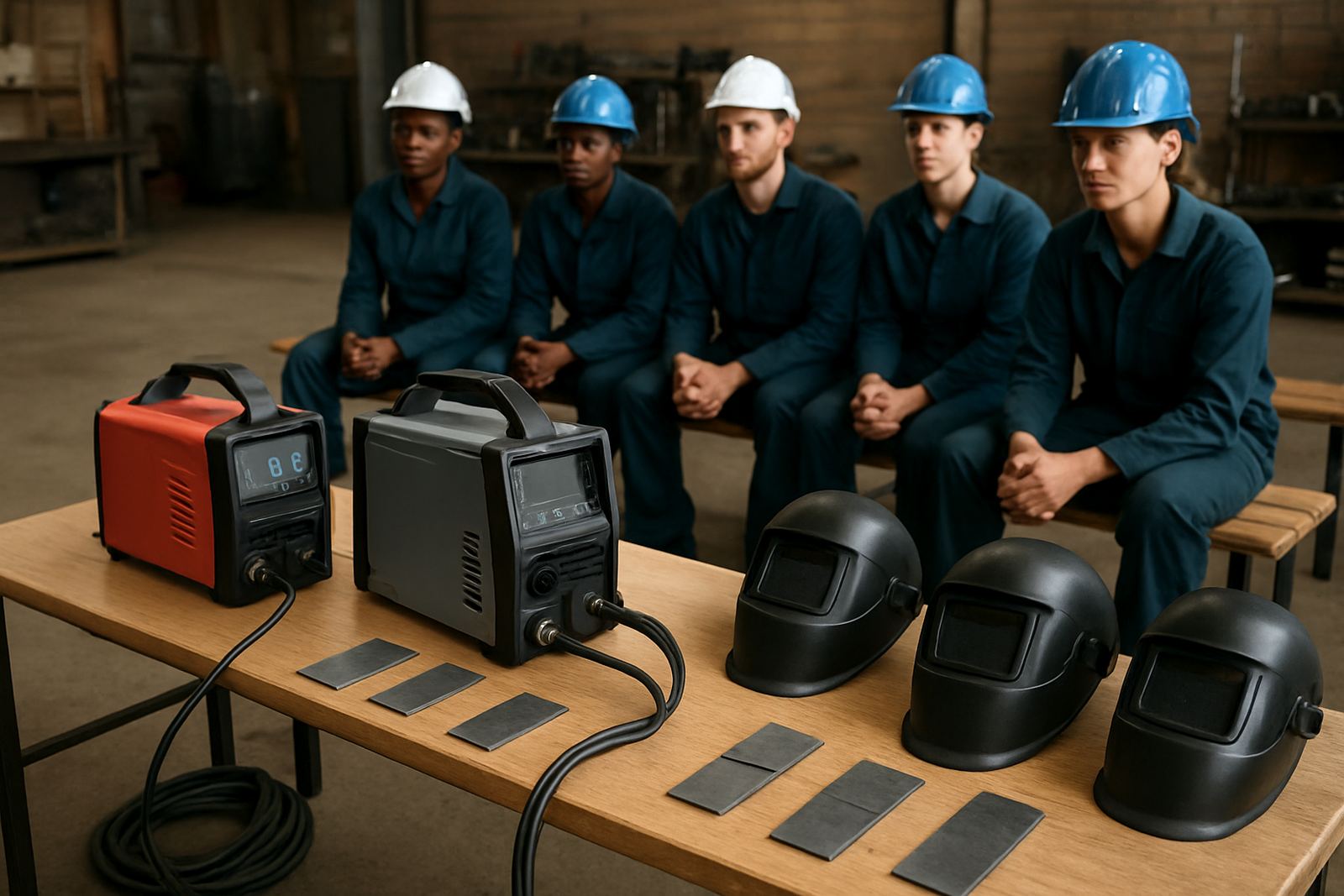
The project ran over 2 weeks. In week one we completed the site assessment, checked the cutting setup and identified the material types that were causing the most delay. We also trained operators on safer handling, better lead routing and how to keep the torch moving through heavier rusted sections without losing the cut. By the end of week one, the yard team had a clearer process for sorting what should be cut first and what could wait.
Week two focused on practical production support. We revisited the site for fine-tuning, checked consumable wear and confirmed that the air supply and height settings were still giving a consistent kerf. That second visit also helped us spot a minor issue with repeated starts on one cutting line, which was traced to a worn component and replaced before it caused a longer stoppage. The result was steadier output and less pressure on the team during peak receiving periods.
Results for Scrap Handling and Yard Flow
The main result was that oversized sections were reduced into pieces the yard could handle safely and move faster. That improved truck loading, magnet pick-up and general sorting, because long awkward lengths no longer had to sit in the yard waiting for attention. It also reduced manual strain for the team, which matters in a place where lifting and dragging can quickly slow everyone down.
Cut quality improved enough that fewer sections needed a second pass. For scrap work, that is important because every extra cut wastes consumables and ties up the operator. The yard also reported better planning around incoming material because they could now break down problem pieces as they arrived, instead of letting them stack up. In practical terms, the site moved from reactive cutting to a more controlled routine.
- Cleaner handling sizes for loading and transport
- Less time spent re-cutting missed or rough edges
- Improved operator confidence on mixed material
- Lower wear on consumables through better setup
What We Would Keep The Same On Another Scrap Yard Site
If we handled the same kind of scrap yard job again, we would follow the same method: assess the material flow first, set the equipment around the actual job size and keep a close eye on air quality and consumables. Scrap yards in Springs, Vereeniging and Vanderbijlpark often run in tough conditions, so the best support is practical support that keeps cutting moving and avoids fancy solutions that do not hold up outdoors.
We would also repeat the operator coaching. A short session on torch handling, cut speed and start points makes a clear difference when the team is working through heavy mixed steel. On this site, that training cut down on waste and kept the yard moving during busy receiving windows. For us, that is the kind of result that matters most: less waiting, fewer stoppages and a cleaner path from oversized scrap to manageable stock.
Key facts
| Project town | Springs, Gauteng |
|---|---|
| Client type | Scrap yard handling mixed industrial steel |
| Project duration | 2 weeks |
| Material handled | Oversized beams, plate, pipe and machine frames |
| Services used | Torch repairs, preventive maintenance, consumables checks, air system inspection, operator training |
| Outcome | Oversized sections cut into safer, manageable scrap handling pieces |