Custom gate parts for a Meyerton workshop
The client was a local metalwork shop in Meyerton handling a residential gate and matching railing set. They came to us with a clear brief: cut decorative steel inserts for the main gate leaf and base plates for the posts and hinge points, all sized for quick welding and final assembly on site.
The project needed parts that looked good from the street but also held up in day to day use. The gate would sit on a boundary wall near the Vaal area, where dust, afternoon heat and seasonal moisture can affect finishes if the steel is not prepared properly. The fabricator wanted pieces that arrived true to size, with minimal slag and no time wasted on rework.
The key facts were straightforward: material was mild steel, thickness ranged from 3 mm decorative sheet to 8 mm plate, and the cutting had to follow a repeated pattern across multiple inserts. Because the railing design shared the same visual language, the client also asked us to keep the radius corners and slot spacing consistent so the whole install would match. Small details matter on a gate, especially when the finished job is seen every day.
Brief, constraints and the cut plan
The main constraint was fitment. The fabricator had fixed post centres and hinge positions already marked on the frame, so the inserts and plates had to land within a tight tolerance. We also had to work around the fact that the site installation was planned around other trades, so delays would affect painting and final hanging.
We checked the dimensions against the supplied drawings and confirmed the cut path before starting. For the decorative inserts, the client wanted repeatable patterns with enough open area to keep the gate light enough for smooth operation. Too much solid steel would have made the leaf heavy, which is not ideal for a domestic gate or for long term hinge wear.
- Decorative insert sheet thickness: 3 mm mild steel
- Base plates: 8 mm mild steel for hinge and anchor points
- Cut finish: clean enough for direct welding with limited grinding
- Fitment target: repeatable accuracy for left and right gate leaves
- Timeline: quoted in weeks, with the cutting completed in the first week and final checks in the second week
We also checked for practical site conditions. If the gate is painted too soon after cutting and welding, trapped moisture or mill scale can cause later problems. So the pieces were cut with enough edge quality to make prep easier and to help the workshop move on to primer and topcoat without unnecessary delays.
What we supplied and how the job was managed
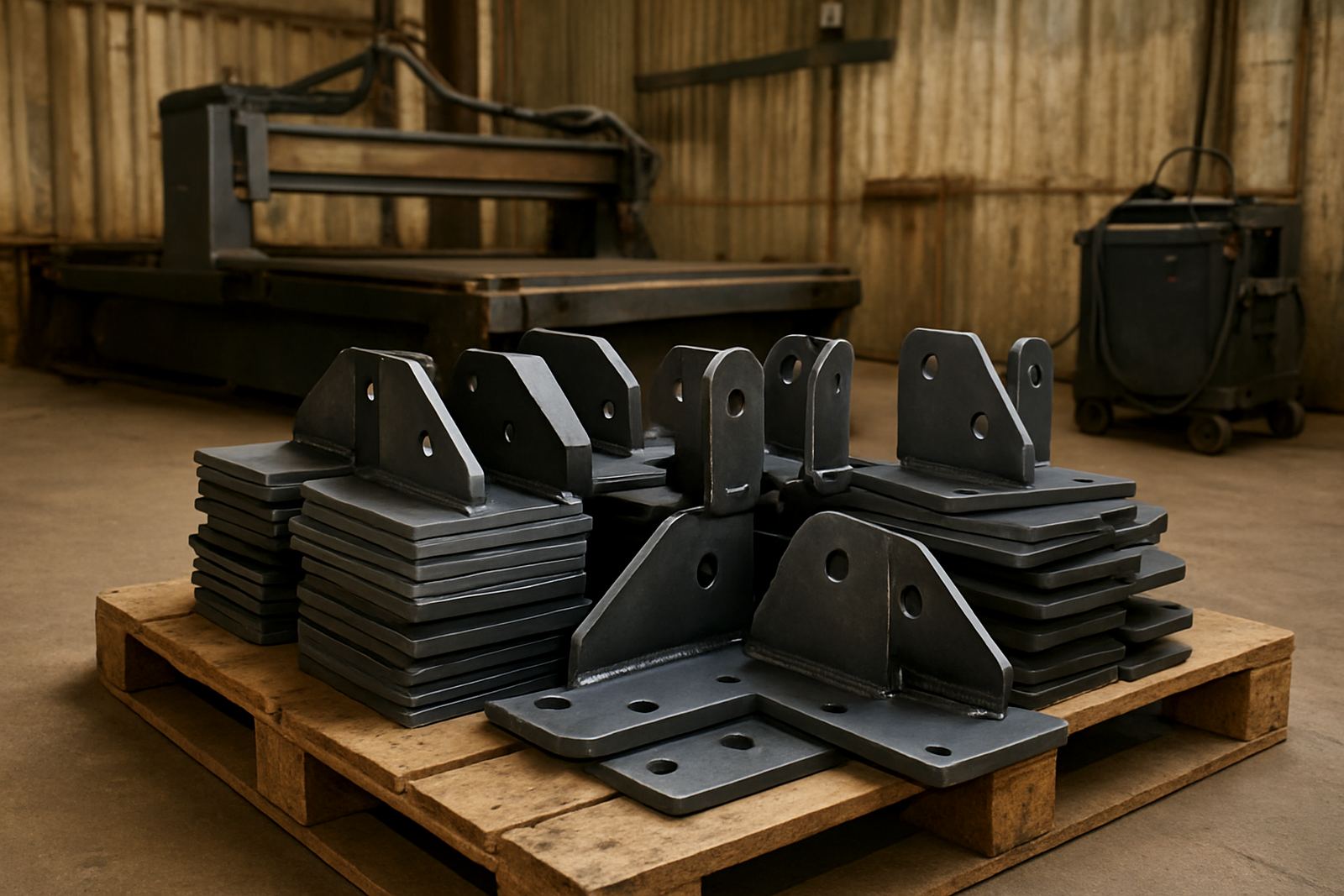
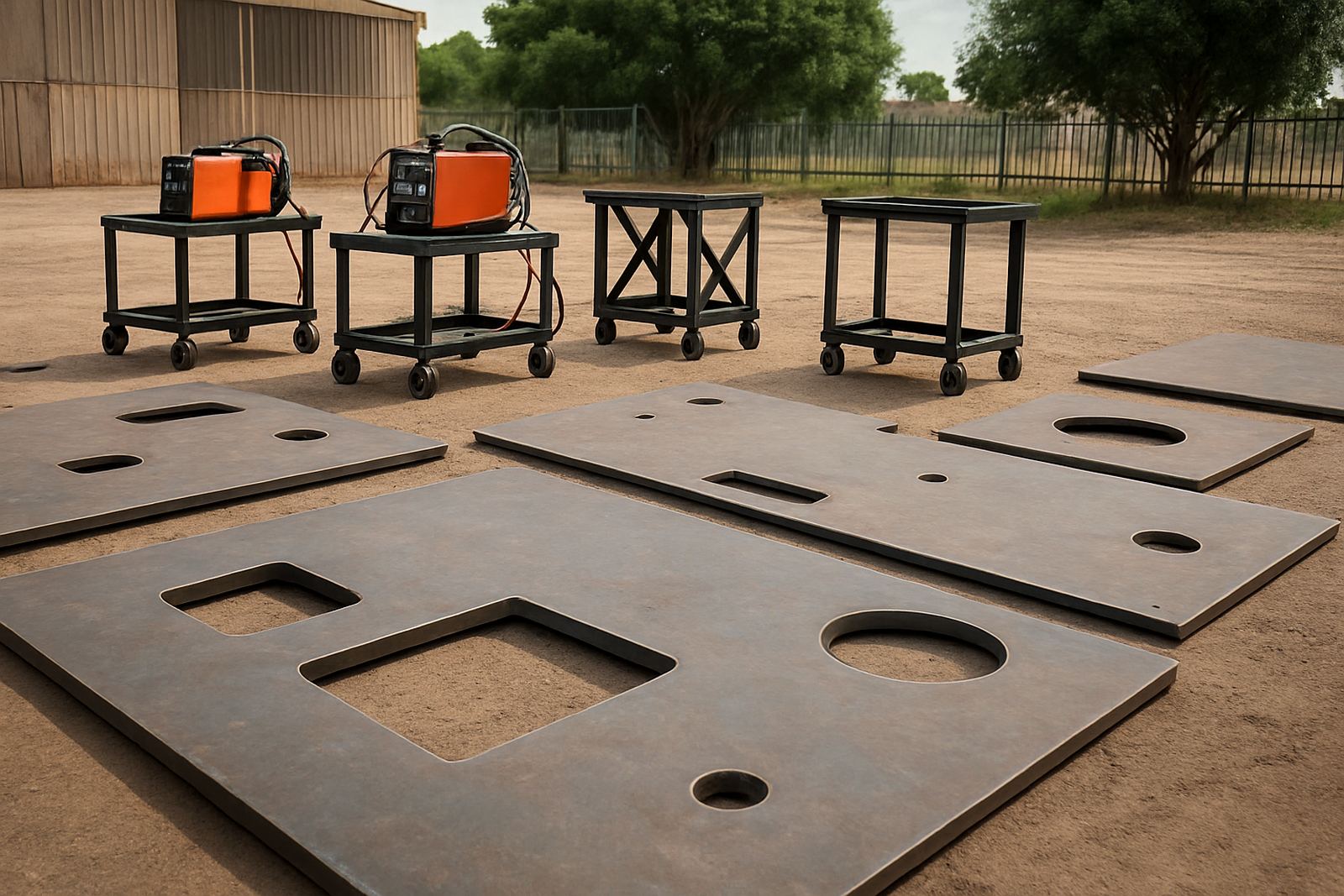
We supplied the cut decorative inserts, matching base plates and a set of reference pieces for the fabricator to use during tack-up. The inserts were laid out so the pattern stayed consistent across both sides of the gate, and the plate holes were cut to suit the client’s anchor and fixing plan. Where needed, we added lead-ins that reduced edge marking and helped keep the final profile tidy.
Because the workshop wanted a proper fit check before final assembly, we kept the batch organised and marked by part type. That made it simple for the client to identify which piece belonged to each section of the gate. It sounds small, but on a busy job it saves time and avoids the sort of mix-up that can slow a project right down.
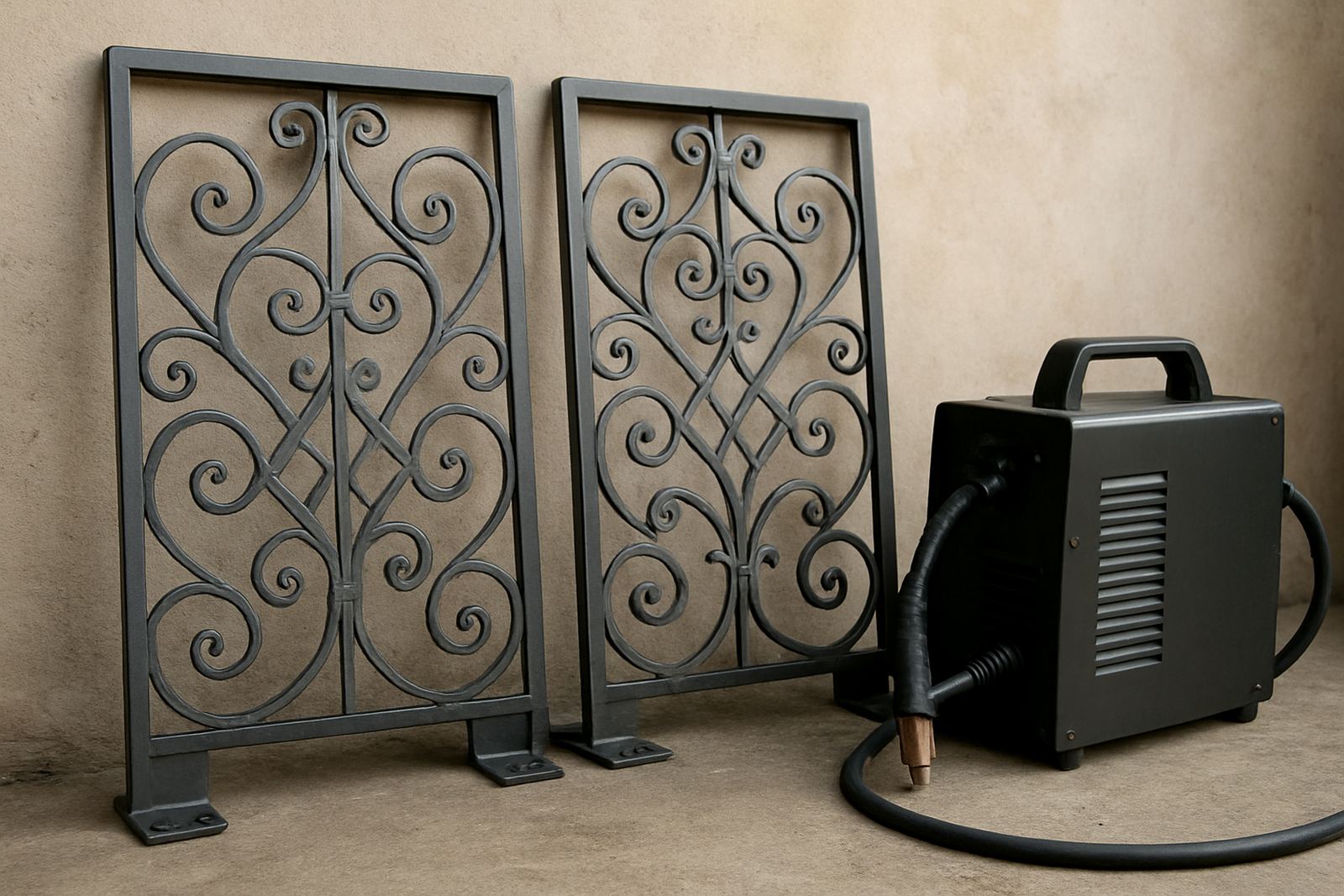
- Cut decorative inserts for the gate face
- Cut base plates for post and hinge locations
- Prepared matching left and right side parts
- Separated parts for easy workshop handling and welding
- Provided guidance on edge cleanup before paint
The job suited a practical shop environment. Once the cut parts were delivered, the fabricator could weld, grind where needed and move into assembly without waiting on extra machining. That is the kind of result most gate builders want, especially when the install date is already fixed.
Timeline from first measure-up to final sign-off
The full job ran over two weeks. In week one we confirmed the brief, checked the dimensions and completed the cut work. In week two we handled a final review of the parts, answered fitment questions and made sure the fabricator had what they needed to continue without interruption.
The client appreciated that the work was kept moving even with normal workshop pressure and load-shedding interruptions in the area. Planning around power cuts matters in Gauteng, and a gate project can quickly fall behind if the cutting schedule is not managed properly. Our aim was to keep the sequence tight so the workshop could stay productive when power was available.
We also kept an eye on the finish requirements. Decorative gate work is not just about making things fit, it is about making the parts easy to clean up before coating. That meant no unnecessary overcut, no sloppy corners, and no plate holes that needed chasing with a file after the fact.
Result on site and what changed for the client
The result was a gate and railing set that came together cleanly and held its shape during fabrication. The inserts sat square in the frame, the base plates lined up with the existing mounting points, and the workshop reported far less time spent on correction work. The final finish looked neat and the gate action was smooth once hung.
The client also said the parts helped keep the whole job on schedule. That matters in Meyerton and nearby towns where fabricators often handle multiple residential and light commercial jobs at once. A delay on one project can push out painting, transport and installation for the next team in the queue.
- Cleaner fit at the frame and hinge points
- Less grinding and rework in the workshop
- Consistent pattern alignment across the gate face
- Better turnaround for painting and installation
- Parts ready for a standard residential security gate setup
For a decorative gate, the result is simple: it has to look right, hang properly, and last. This job did all three without forcing the fabricator to fight the parts.
What we would do again for a similar gate job
If we were doing a similar Meyerton gate workshop project again, we would follow the same process: confirm the frame dimensions early, separate decorative and structural parts clearly, and keep the cut sequence organised so the workshop can move from cutting to welding without confusion. For a custom gate, that approach saves time and helps protect the final fit.
We would also keep the same attention on plate thickness and hole placement. A base plate that is even slightly off can affect alignment, especially where the gate leaf carries more weight on one side. On decorative work, we would again prioritise clean edge quality so the client has less cleanup before primer, and less risk of coating defects later on.
The practical lesson from this project is that good cutting is only half the job. The other half is understanding how the parts will be used once they leave the workshop. When the brief is clear and the measurements are checked properly, the result is better for everyone involved.
Key facts
| Project | Meyerton Gate Workshop |
|---|---|
| Client type | Local metalwork workshop handling a custom residential gate and railing set |
| Location | Meyerton, Gauteng |
| Materials | 3 mm mild steel inserts and 8 mm mild steel base plates |
| Timeline | 2 weeks from brief confirmation to final sign-off |
| Scope | Decorative inserts, base plates, fitment support and workshop guidance |