Workshop brief and the parts they needed
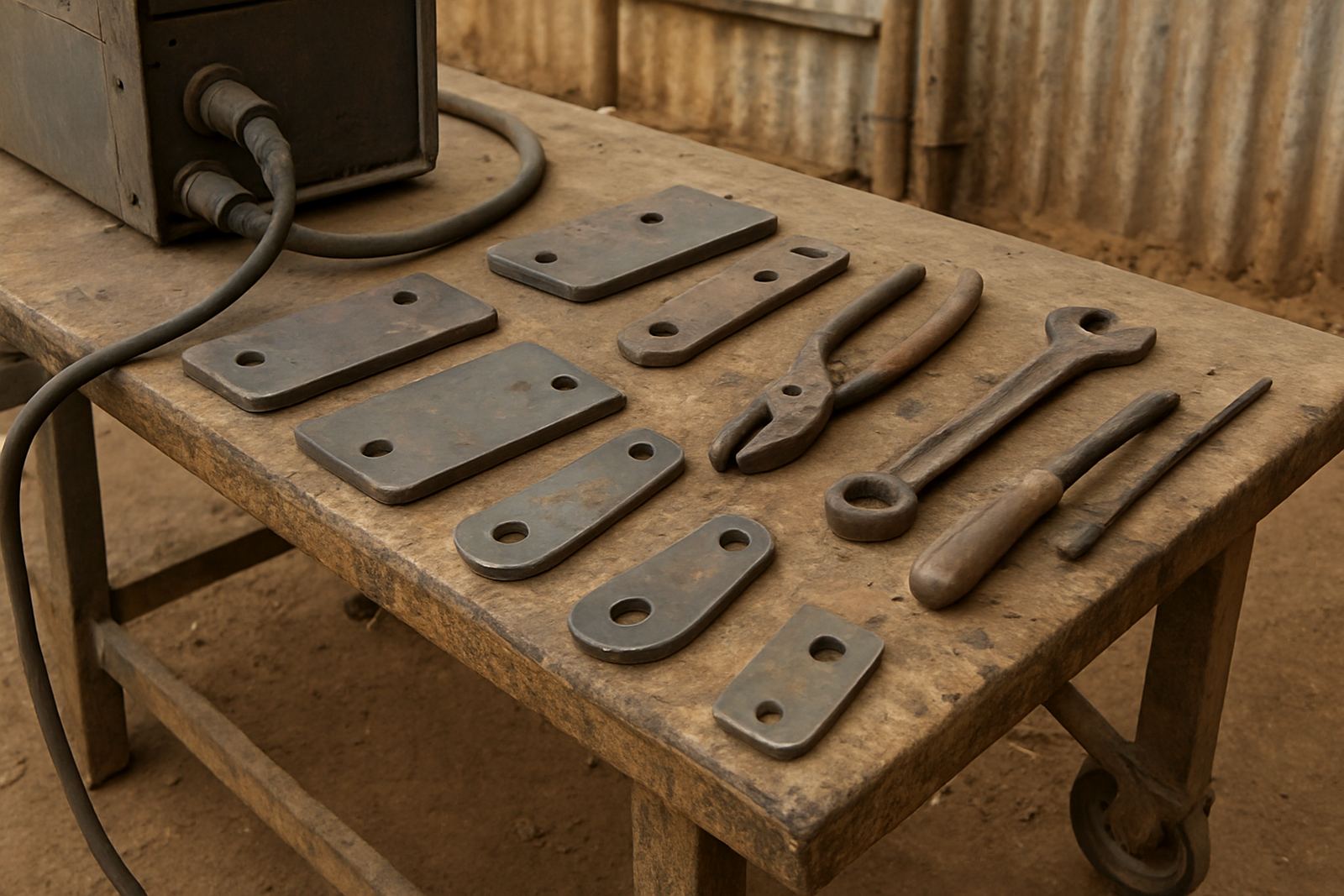
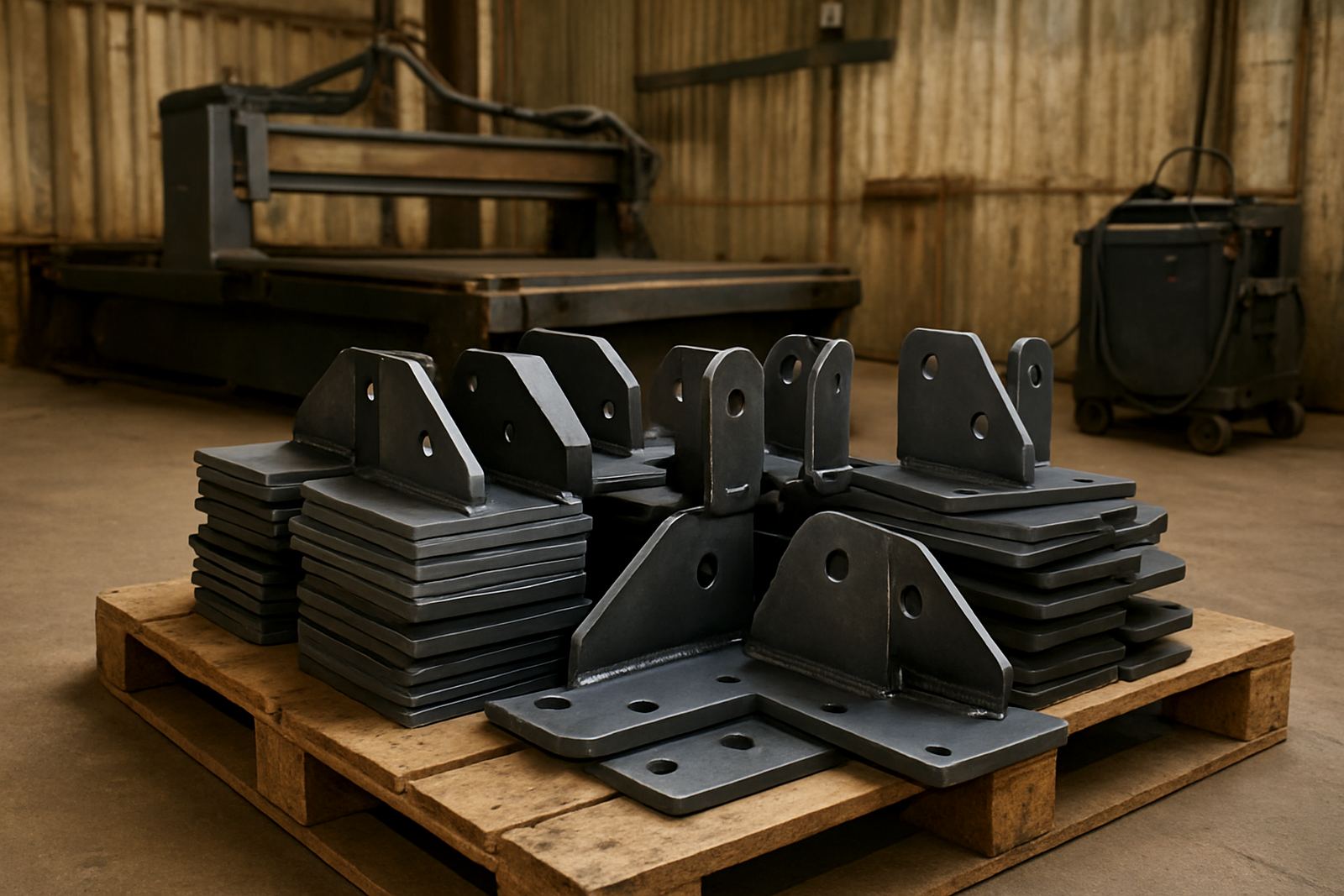
The client was a general fab shop in Vereeniging working on plant frames, brackets and light structural assemblies for local industrial customers. Their upgrade list was straightforward: cut profile plates and gussets accurately enough that parts fitted first time, with edges clean enough to reduce grinding before fit-up and welding.
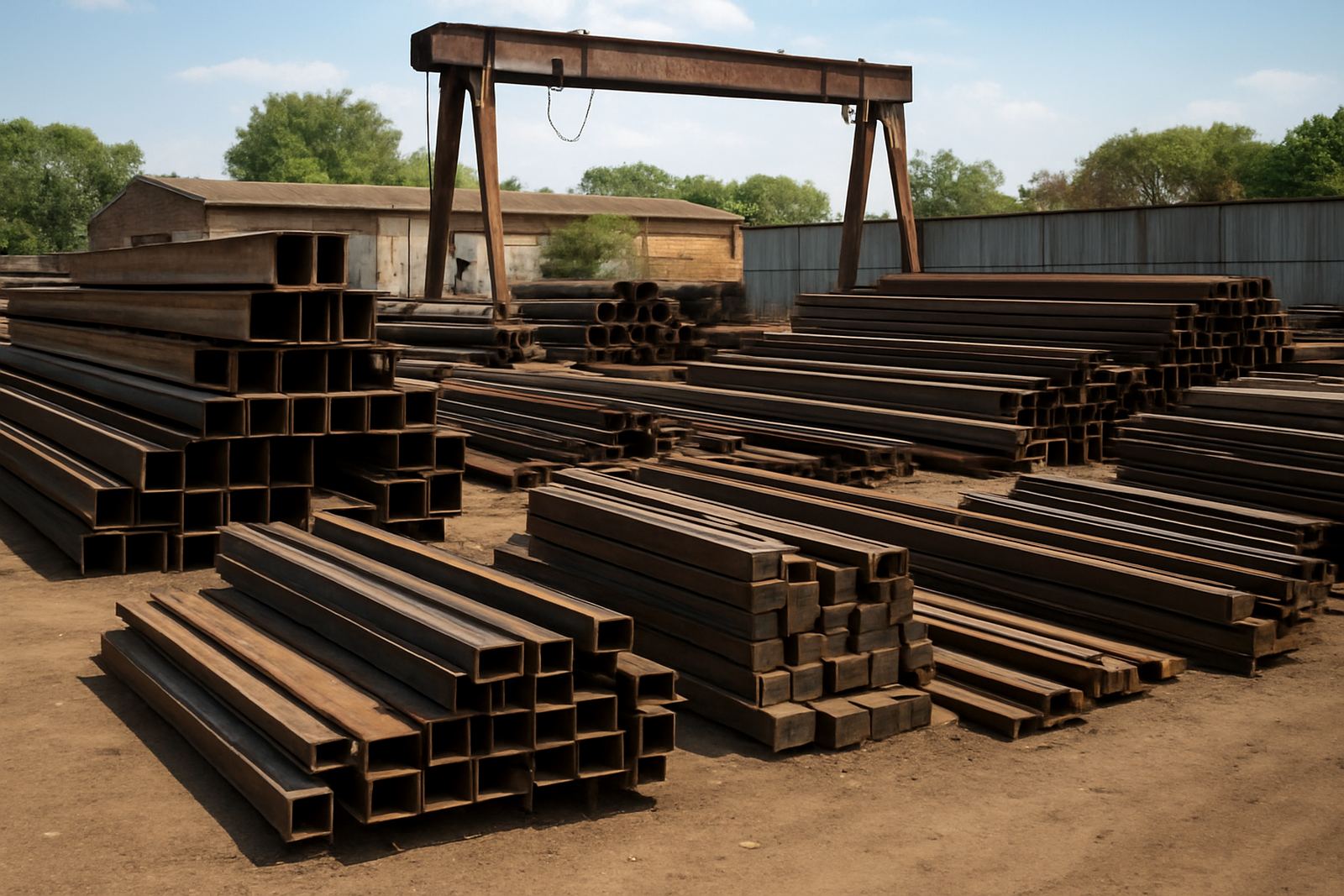
The job called for repeatable cutting on mild steel plate, mostly in the 6 mm to 12 mm range, with a few heavier sections for wear parts and mounting plates. They also wanted better hole quality on bolt patterns, because oversized or tapered holes were creating delays during assembly. The shop had enough fabrication skill already, but the cutting side needed more control and a steadier process.
Because the work was happening in Vereeniging, the setup also had to suit practical local conditions. Dust, heat and power interruptions all affect plasma performance. The client wanted a solution that could keep working around load-shedding schedules and would not be overly fussy about day-to-day use by different operators.
Constraints on site and what had to be fixed first
Before any cutting started, we checked the full gas and air side of the process. In many workshops, the cutter itself gets the blame when the real issue is poor air quality, pressure drop, worn consumables or a machine that has not been kept square and clean. Here the main constraints were compressed air consistency, table alignment and a few electrical issues that had crept in during busy production periods.
Vereeniging can be hard on equipment because of fine shop dust and the stop-start nature of small manufacturing yards. The client also needed the team to work around other fabrication jobs, so the plan had to be simple enough for shift staff to follow without a long learning curve.
- Compressed air had to be dry and steady at the torch
- Cut paths needed to hold size without extra filing
- Parts had to nest efficiently to save plate
- The crew needed a process that still made sense during power cuts
We also checked whether the cutting layout matched the actual work flow in the shop. If a machine is placed where plates have to be carried too far, production slows down even when the machine itself is fine. Small layout changes often save more time than a bigger machine would.
What we supplied and carried out
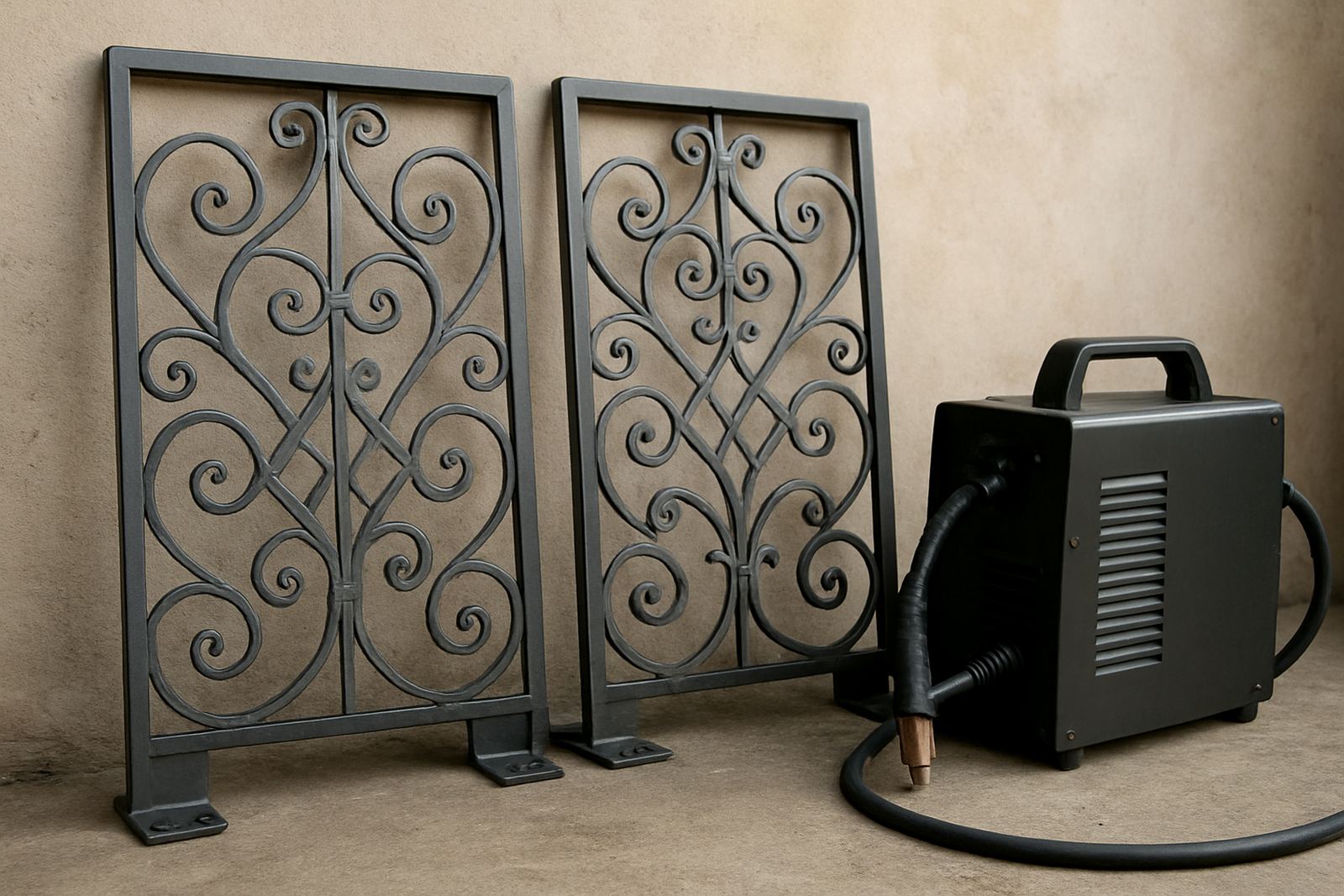
We supplied a handheld plasma cutter package suited to workshop fabrication, then set it up for the plate thicknesses the client uses most often. The main focus was clean profile cutting and gusset production, so we tuned the machine for stable arc start, edge quality and manageable speed on the common material sizes.
We also carried out an on-site commissioning check, consumables inspection and torch condition assessment. That included checking the air system, confirming the height control settings on the cutting setup and making sure the operator had the right sequence for starting, cutting and shutting down the unit. Where needed, we adjusted procedure rather than just handing over equipment and walking away.
- Plasma cutter commissioning and basic setup
- Torch and power source inspection
- Consumables check and spare parts guidance
- Air system inspection for pressure, moisture and leaks
- Operator training on cut speed, edge angle and pierce control
The workshop wanted to keep running while the upgrade happened, so we worked in stages. First the machine and air supply were checked, then the first cuts were completed together with the client team, and only after that did the shop move into normal production. That kept mistakes small and let the operators build confidence quickly.
Timeline, support and local servicing detail
The project ran over three weeks from initial site visit to handover. Week one covered assessment and setup checks. Week two was used for test cuts, operator coaching and adjustment of the cutting sequence. Week three focused on production runs, final checks and practical guidance for ongoing maintenance.
Our Vereeniging base made local support easy, and the client also knew that servicing help was available across Vanderbijlpark, Meyerton, Sasolburg, Alberton, Germiston, Bloemfontein and Welkom if their work expanded or if another site needed attention. For a shop doing mixed fabrication, that matters because machines often move between bays or are shared across more than one work area.
During the support period we kept an eye on the usual wear points, especially nozzle condition and torch alignment. These are small items, but they affect kerf width, dross and pierce quality very quickly. The client had seen before how a little neglect leads to extra grinding and scrap, so the maintenance side was just as important as the cutting side.
Results on plate, gussets and repeat work
By the end of the project the workshop was producing cleaner profile plates and gussets with less edge cleanup. Hole quality improved, fit-up became quicker and the fabricators spent less time correcting parts before welding. That gave them more useful hours on the rest of the job list, which is exactly what a busy fab shop needs.
The biggest gain was consistency. Once the operators understood the right travel speed and pierce routine, the cuts became more predictable across the 6 mm to 12 mm work the shop does most often. The client also had better control over consumable use, so the cutting process was not chewing through tips and nozzles faster than necessary.
- Less grinding before assembly
- Cleaner gusset edges and better fit-up
- Fewer rejected parts from oversize holes
- More stable cutting during day-to-day production
It also helped that the machine was set up with the local power situation in mind. The team now knows how to resume work properly after interruptions, which reduces nuisance faults and keeps the workflow moving on the same day instead of pushing jobs into the next shift.
What we would repeat on the next fab shop upgrade
If we were doing the same type of upgrade again, we would still start with the air supply and torch condition before any judgement on the cutter itself. In practice, that is where many shop problems start. We would also insist on a short operator handover on the actual parts being made, not just a general machine demo, because gussets, profiles and hole patterns all behave a bit differently.
For similar fabrication workshops, the best results come from a simple plan: check the air, set the machine for the plate thickness you use most often, verify cut speed on a few test parts, then train the team on keeping that quality consistent. That approach saves time, reduces waste and keeps the shop ready for ordinary production pressure.
This Vereeniging job showed that a practical setup, backed by proper support, is often enough to turn a frustrating cutting process into one the fabricators can rely on every day.
Key facts
| Project | Vereeniging Fab Shop upgrade |
|---|---|
| Town | Vereeniging |
| Client type | General fabrication workshop |
| Main parts cut | Profile plates and gussets |
| Common material thickness | 6 mm to 12 mm mild steel |
| Timeline | 3 weeks from site assessment to handover |