
Farm workshop brief in Kroonstad
The client was a mixed farming operation outside Kroonstad, with a busy workshop that handles planter repairs, trailer work and the usual day to day fixes that come with seasonal farming. For this Kroonstad farm workshop, the requirement was clear but the fit and service life still had to be right.: supply replacement steel parts that fit properly, hold up in service and could be fitted without wasting time on extra trimming.
Most of the parts were for equipment that already had wear at pin points, mounting ears and bracket edges. Some pieces had cracked from vibration, others had been bent by rough field use. The workshop wanted replacements that matched the original shape closely enough to save labour during fitting, while still being strong enough for the next season.
- Client type: agricultural workshop supporting active farm equipment
- Town: Kroonstad, Free State
- Parts needed: planter components, trailer plates and maintenance brackets
- Priority: accurate fit, quick turnaround and durable steel
What made the job tricky
The main constraints were not unusual for a farm job, but they did matter. Measurements had to be taken from worn parts, so a straight copy would not always work. Several items had damage from previous repairs, which meant the replacement steel had to allow for clean alignment rather than simply matching the old bends and holes exactly.
There was also the usual pressure of timing. Farming does not wait for a workshop schedule, and the client needed parts ready before the next round of machine use. On top of that, the workshop runs near dusty storage areas and open sheds, so any cut edges and mounting faces needed to be neat enough for fast installation and easy cleaning later.
- Worn originals had distorted dimensions
- Some brackets had irregular hole spacing from earlier repairs
- The workshop needed parts that could be bolted in with minimal rework
- Dust and weather exposure meant clean edges and proper fit were important
Steel parts we supplied and cut
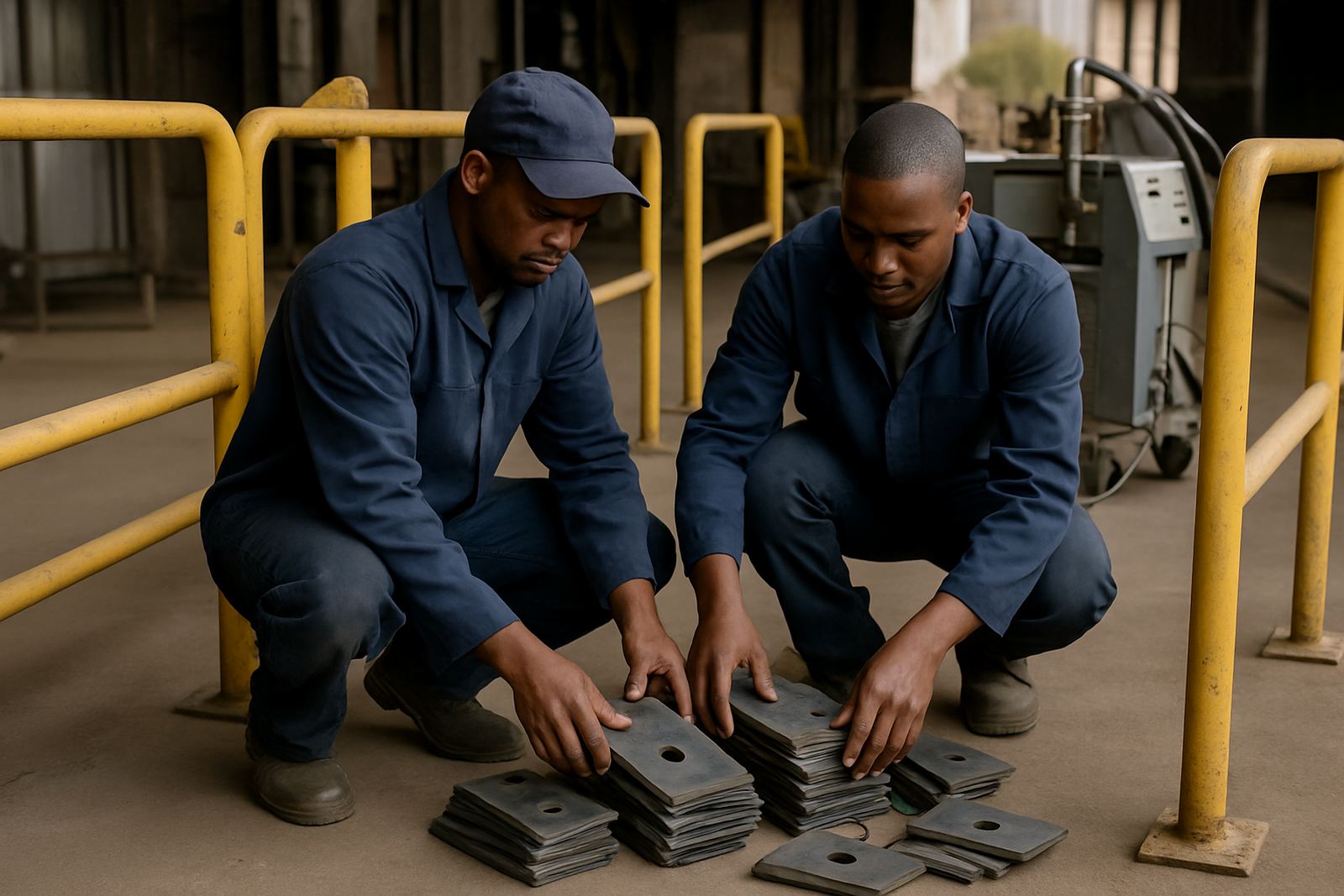
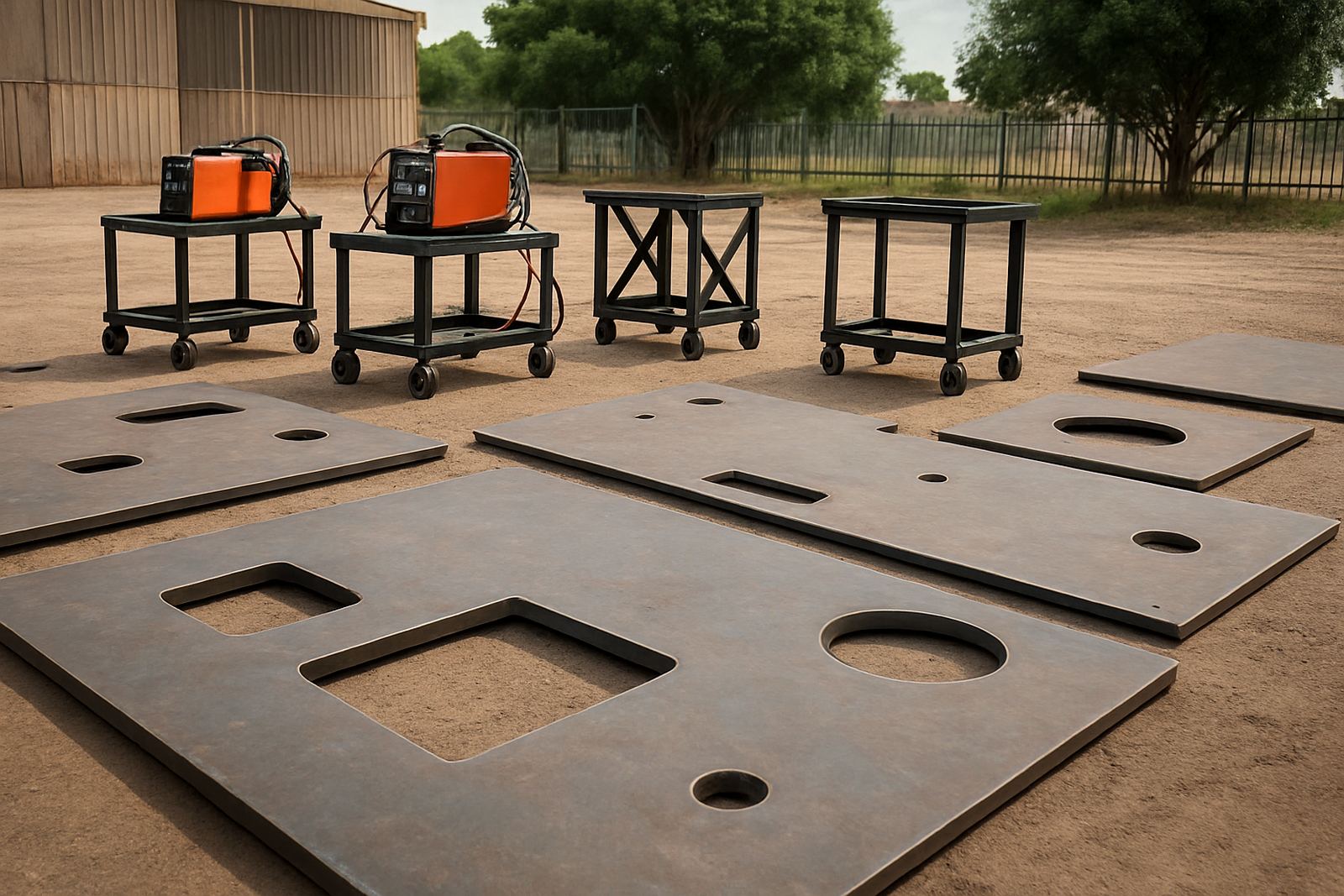
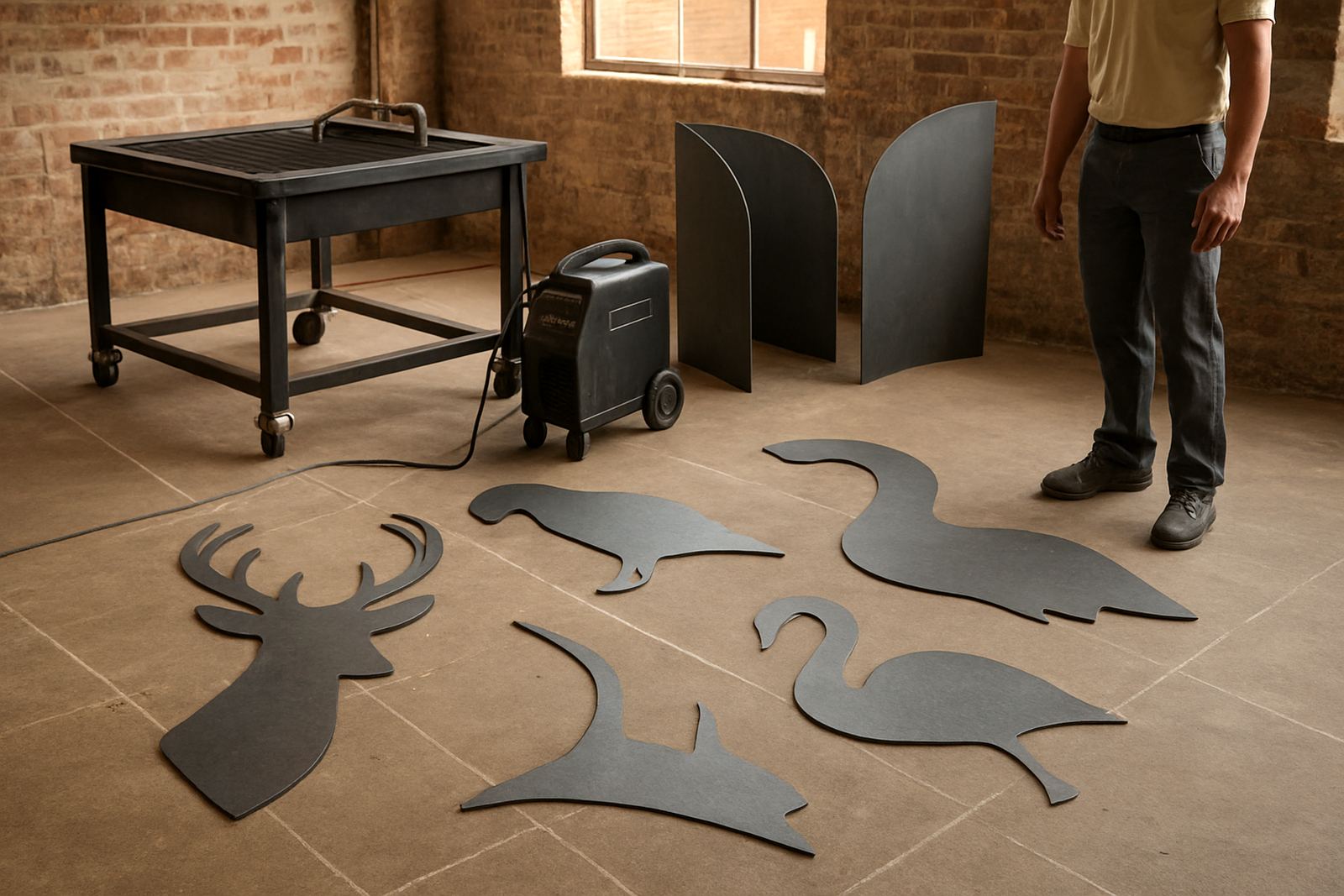
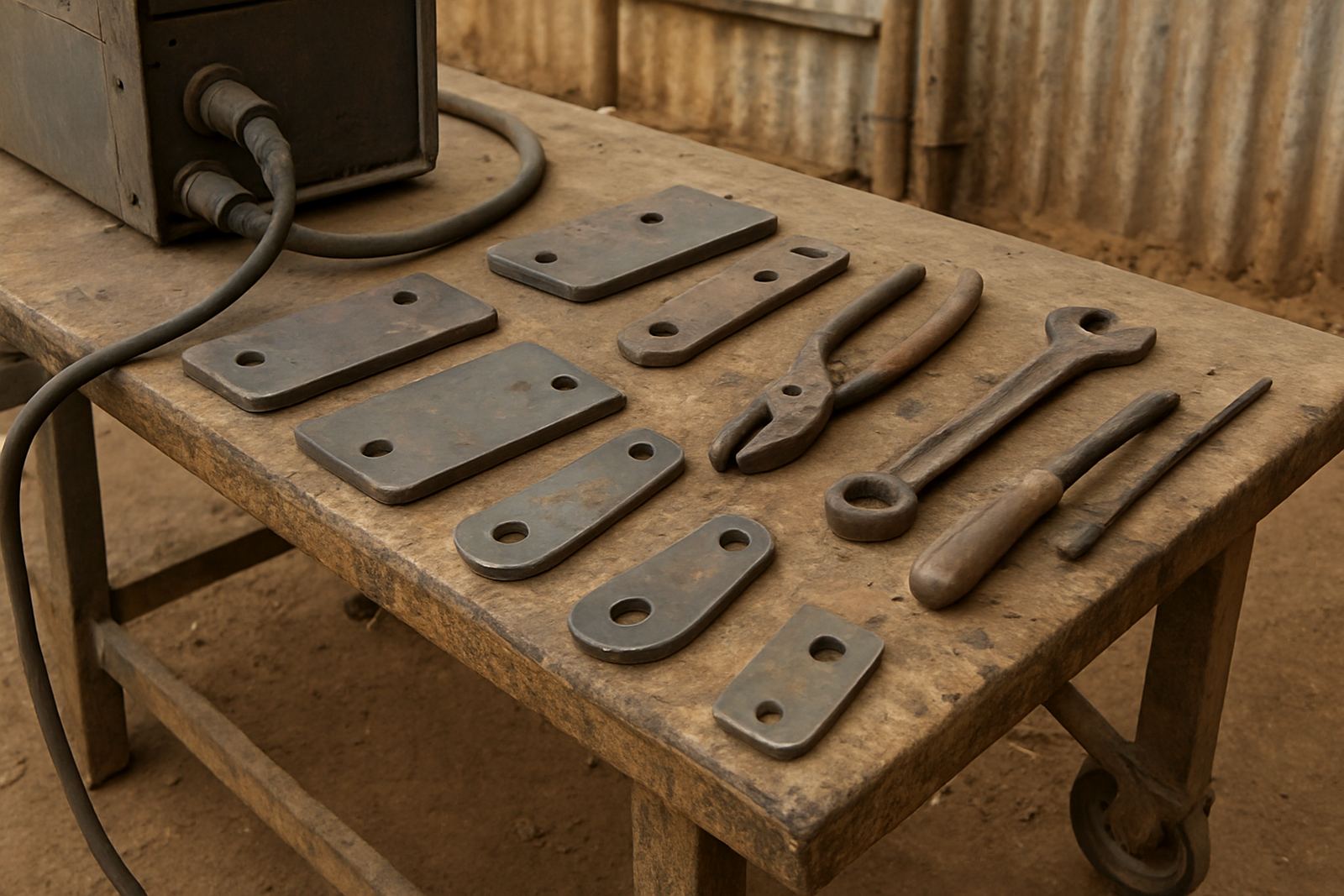
We prepared replacement steel parts for planters, trailers and workshop maintenance jobs using accurate cutting and careful checking against the damaged originals. The work included flat plates, shaped brackets, mounting tabs and repair sections that needed holes, slots and edge finishing. Where needed, we added small allowances so the final fitting could be adjusted on site without forcing the part into place.
The material selection depended on the application. Heavier wearing pieces were cut from thicker plate, while lighter brackets and repair sections were made from thinner sheet where the load allowed it. This kept the parts practical and cost aware. We also made sure the pieces were suitable for welding, bolting or a combination of both, because farm repairs often change once the mechanic gets under the machine.
- Replacement plates for planter mounting points
- Trailer repair sections for cracked or bent areas
- Workshop maintenance brackets and support pieces
- Hole patterns and slots cut to suit existing fasteners
- Edges finished for safer handling and easier fitment
Timeline and delivery in practical terms
The full job ran over two weeks from first inspection to handover. The first stage was measuring and confirming the damaged components, then the cutting work followed once the sizes were locked in. After that we checked the finished pieces against the originals and sorted any final adjustments before the client fitted them in the workshop.
That timing worked well because the client could keep the repair sequence moving instead of waiting for each component to be made one by one. In a farm setting, that matters. If one planter bracket is missing, the whole machine can sit idle, and that affects field planning. By keeping the turnaround short, the workshop could plan labour and installation properly.
- Week 1: inspection, measurement and specification confirmation
- Week 2: cutting, checking and final supply
- Result: parts were ready for fitment without unnecessary delay
Results in the workshop and in the field
The replacement parts fitted cleanly and helped the workshop get through a list of repair jobs without repeated rework. The planter parts lined up better than the worn originals, which made installation faster and reduced the time spent forcing holes into alignment. The trailer pieces also restored structural support where the old steel had started to open up under load.
For the client, the real result was less downtime and fewer interruptions during maintenance. The workshop team could move from stripping to assembly with less grinding and less frustration. That is often the difference between a repair that drags on for days and one that gets finished before the next job comes in.
- Cleaner fitment on planter repairs
- Improved trailer support at stressed mounting points
- Less time spent on trimming and re-drilling
- Better control over workshop scheduling
What we would do again for a similar farm job
For a similar farm workshop project, we would follow the same approach: inspect the worn parts first, confirm the real working dimensions, then cut replacements with enough tolerance for practical fitment. That method works well where old equipment has seen years of vibration, weather and rough loading.
We keep communication direct and focused on use rather than theory. A farm workshop needs parts that fit the machine and let it return to production. If a repair needs to be completed within the week, the specification should reflect that from the start. In this kind of job, clear measurements, suitable material choices and efficient turnaround matter most.
Our support team can assist with related cutting, servicing and training work across Vereeniging, Vanderbijlpark, Sasolburg, Meyerton, Alberton, Germiston, Bloemfontein and Welkom. Clients reach us through the enquiry form on our contact page for project enquiries, servicing and support.
Key facts
| Project type | Replacement steel parts for agricultural workshop repairs |
|---|---|
| Town | Kroonstad, Free State |
| Turnaround | 2 weeks from inspection to supply |
| Parts supplied | Planter pieces, trailer parts and maintenance brackets |
| Material | Cut steel plate and sheet matched to application |
| Finish | Clean edges, hole patterns and fitment allowances |
| Support area | Demos and servicing across Gauteng and the Free State |