When a sheet metal shop needs cleaner cuts
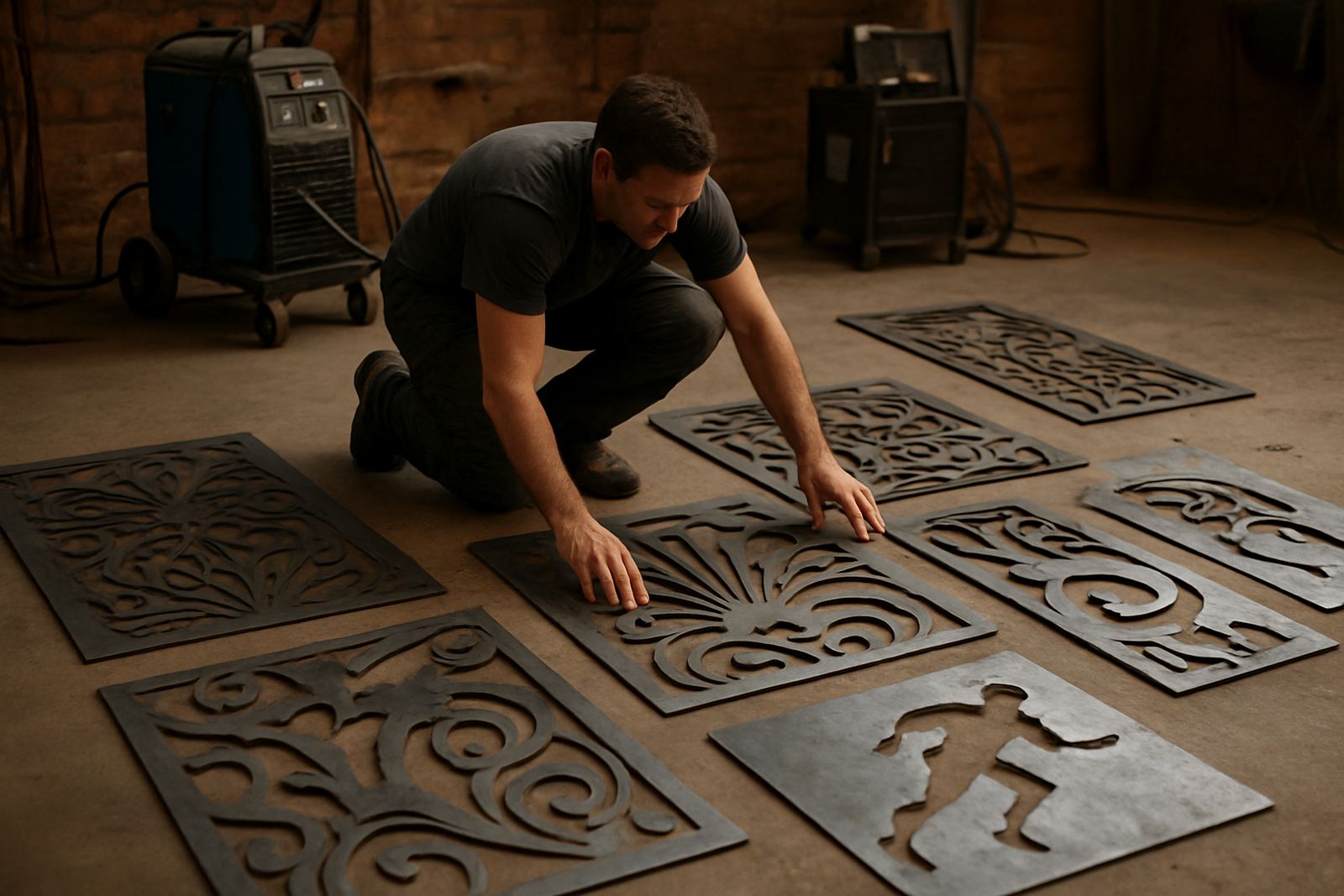
In a sheet metal shop, the cutting stage affects almost every part of the job after it. If the edge is rough, the fitter spends more time dressing it, the folder fights the bend line, and the installer ends up adjusting covers on site. For ducting, cable covers, machine guards and electrical enclosures, the goal is usually a neat cut on thinner material with as little rework as possible.
Most shops in Vereeniging, Vanderbijlpark, Sasolburg, Meyerton, Alberton, Germiston, Bloemfontein and Welkom want equipment that gives repeatable results on mild steel, stainless steel and aluminium without asking for constant attention. That is where a good plasma setup earns its keep. It helps when you are cutting 0.8 mm to 6 mm sheet every day, with the occasional heavier bracket or frame part mixed in.
Load-shedding, compressed air quality and dust all matter too. A plasma cutter may be small compared with a guillotine or press brake, but if the air is wet, the consumables wear quickly and the cut edge suffers. In a coastal area humidity can be a problem, and inland dust still gets into every gap if the shop is not kept tidy.
Typical equipment used in a working sheet metal bay
Sheet metal shops often run a mix of manual and automated equipment. The exact setup depends on volume, sheet sizes and how many one-off jobs come through the gate. A practical bay usually includes:
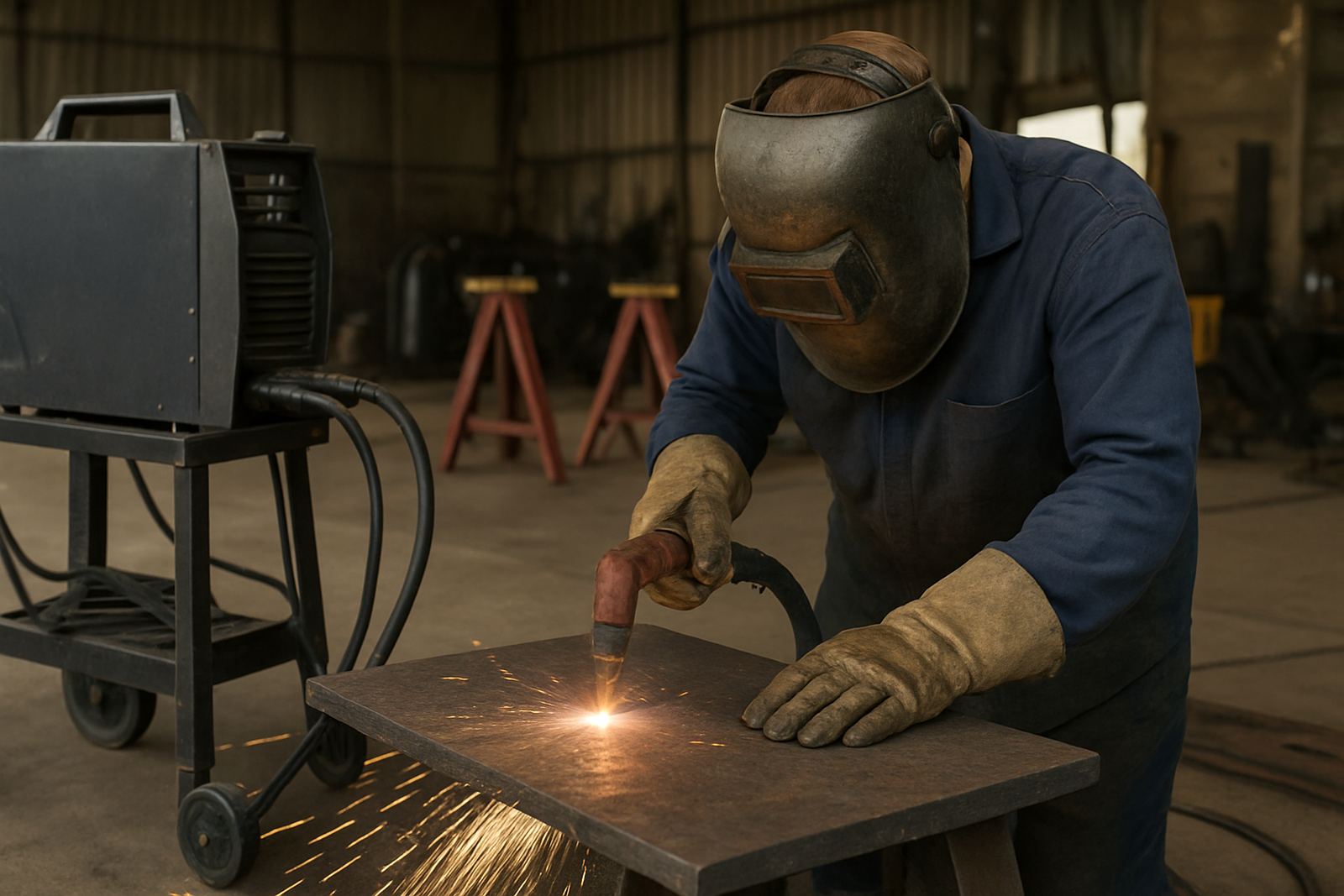
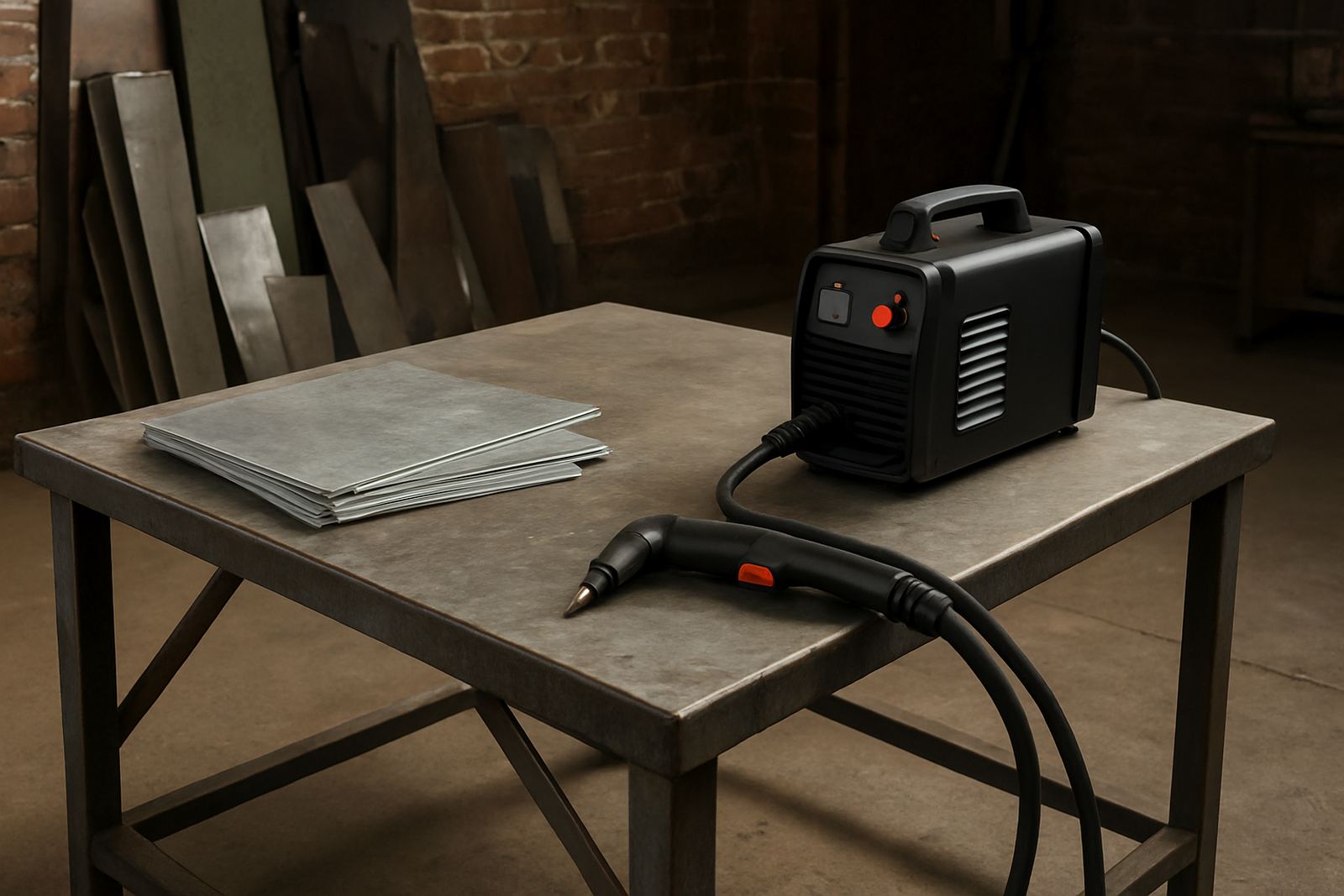
- Handheld plasma cutters for trimming, repair work and quick one-off parts
- CNC plasma tables for repeat panels, flanges and bracket sets
- Air compressors with clean, dry supply lines
- Extraction or good airflow near the cutting area
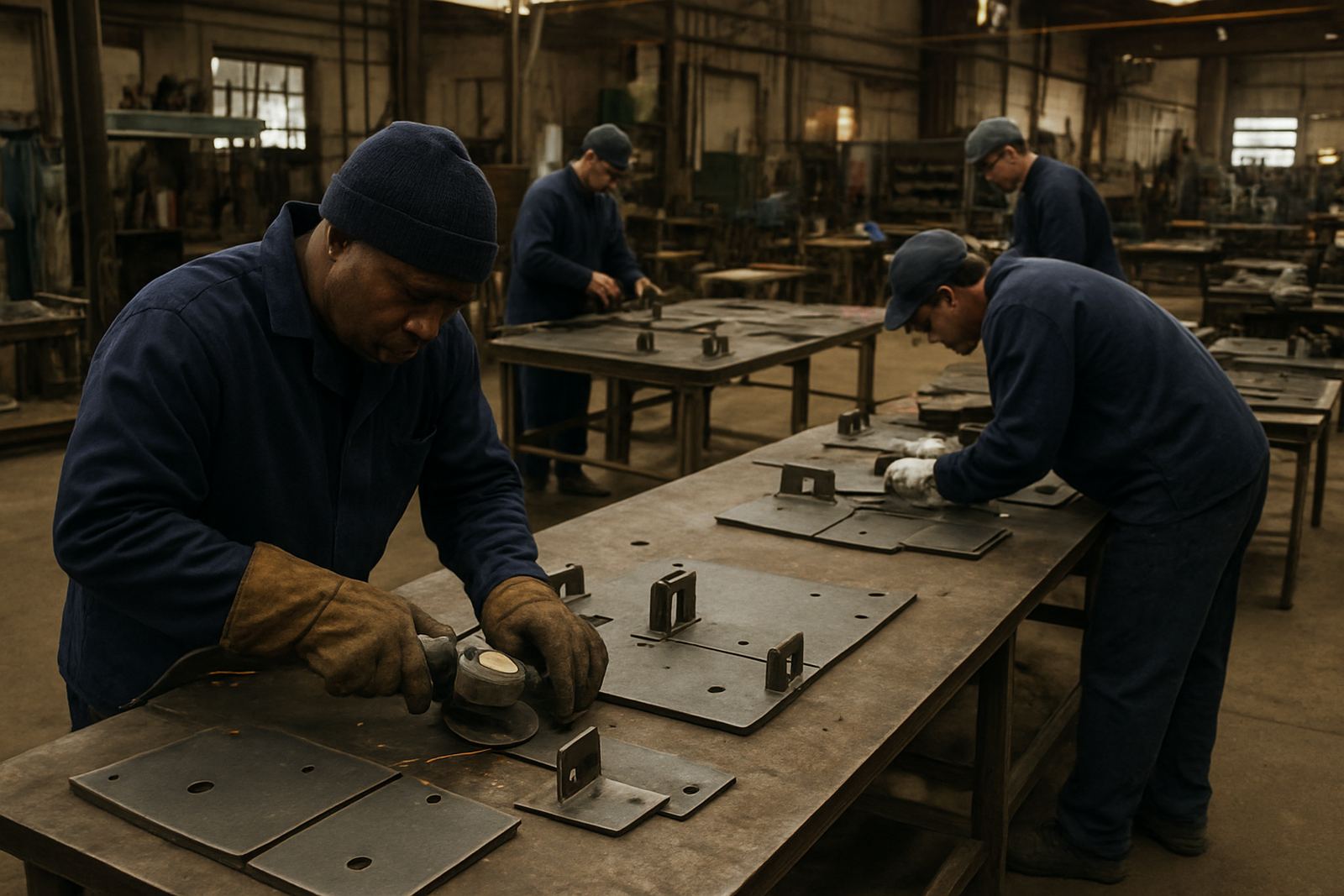
- Grinding and finishing tools for edge cleanup
- Measuring and marking tools for layout control
For smaller shops, a handheld unit is often the first step because it handles cut-outs, service repairs and site work without much setup. For higher volume work, a CNC table saves time on repeat sheets and improves consistency. If your team makes duct sections, access covers, drip trays, enclosures or guards, a table with proper height control and good torch movement can reduce scrap and keep dimensions more stable.
PlasmaCutter supplies and supports both handheld and CNC cutting equipment, and the team can help match the machine to the thickness range and duty cycle you actually use, not just the nameplate numbers.
Layout and planning that keep the shop moving
Good layout matters more than many shops expect. If the cutting area is too close to the forming section, offcuts and grit move into the rest of the workshop. If the compressor sits too far away or the air line is undersized, you lose pressure at the torch. If the CNC table is placed where forklifts or sheet deliveries pass too close, the machine becomes a traffic problem.
A sensible shop plan usually puts the plasma area near material storage, with enough space for sheets to be loaded flat and for finished parts to be stacked without bending. Keep maintenance access open on both sides where possible. Leave room for a torch lead, a safe operator position and a clear path to the scrap bin. In many sites, the best solution is not a bigger machine it is a better flow.
It also pays to work around load-shedding and generator capacity. During load-shedding, some shops shift lighter work to handheld units or use scheduled cutting windows around generator availability. If you are commissioning a CNC table, stable power and correct earthing should be checked before production starts, otherwise the first weeks can be frustrating. On municipal sites, noise, extraction and fire control rules also need attention, especially where smoke or hot slag could affect neighbouring units.
Common mistakes that cost sheet metal shops time
Many cutting problems are not caused by the machine itself. They start with the wrong setup, poor air supply or rushed handling. The most common issues we see are:
- Running wet air into the torch and burning through consumables too quickly
- Using a machine that is too small for the plate thickness
- Skipping height control checks on CNC work
- Leaving worn tips in service until the cut quality drops badly
- Cutting without proper test pieces on new material types
- Allowing dust and scale to build up around the cutting area
Another common mistake is buying for the biggest job instead of the normal job. A shop that mostly handles thin sheet for enclosures does not need the same setup as a heavy fabrication yard. It is better to choose a machine that matches your daily output and then budget for spares, air treatment and operator training. That way you get cleaner edges and fewer stoppages.
For CNC shops, bad nesting and poor clamp or table setup can waste material fast. Even a small error on 1.2 mm sheet becomes expensive when the batch runs into dozens of panels. A cut quality audit can often show where to save time before the material reaches the folder or assembly bench.
Budgets in Rand for small, medium and busy shops
Budgets vary a lot depending on whether you need a handheld unit, a CNC table or both. As a working guide, many small sheet metal shops in Gauteng and the Free State look at the following ranges:
- Handheld plasma setup for light daily work: R18,000 to R45,000
- Mid-range handheld system with better duty cycle and cleaner cutting: R45,000 to R90,000
- Small CNC plasma table for repeat sheet work: R120,000 to R280,000
- Larger CNC setup with height control, commissioning and training: R280,000 to R650,000+
- Consumables, spares and maintenance reserve for the first year: R8,000 to R35,000
The right budget depends on how much cutting you do per week, whether the shop has a dry air system already, and how much downtime you can absorb. A cheaper machine can become expensive if consumables are hard to get or if the operator spends time fighting the cut. It often pays to plan for setup, training and preventive maintenance from the start rather than adding them later as emergencies.
PlasmaCutter also assists with spares supply, consumables checks, machine commissioning and operator training, which helps new purchases settle in faster and keeps running costs under control.
Support for shops that cannot afford long stoppages
Sheet metal work is often deadline driven. When a ducting batch is late or a cover panel needs to go out for installation, even a small torch fault can hold up the whole line. That is why local support matters. From the Vereeniging base, PlasmaCutter handles demos and servicing across Gauteng and the Free State, with field support for breakdowns, torch repairs, power source repairs and CNC table servicing where needed.
The support team includes Marius van der Merwe, Kgomotso Mhlongo, Johan Botha, Phenyo Diale, Ruan Visser and Naledi Selebalo. The focus is practical help: correct machine setup, simple operator guidance, calibration checks, and maintenance that keeps cutting quality where it should be. For shops that are adding a plasma unit for the first time, a short training session can prevent a lot of avoidable waste in the first month.
If your workshop makes ducts, covers, enclosures or light fabrication parts, the best results usually come from a machine that fits the job, a clean air supply and a team that knows how to keep the torch in good condition. That combination saves material, shortens rework and gives steadier output across the week.