What boilermaking shops need from a plasma cutter
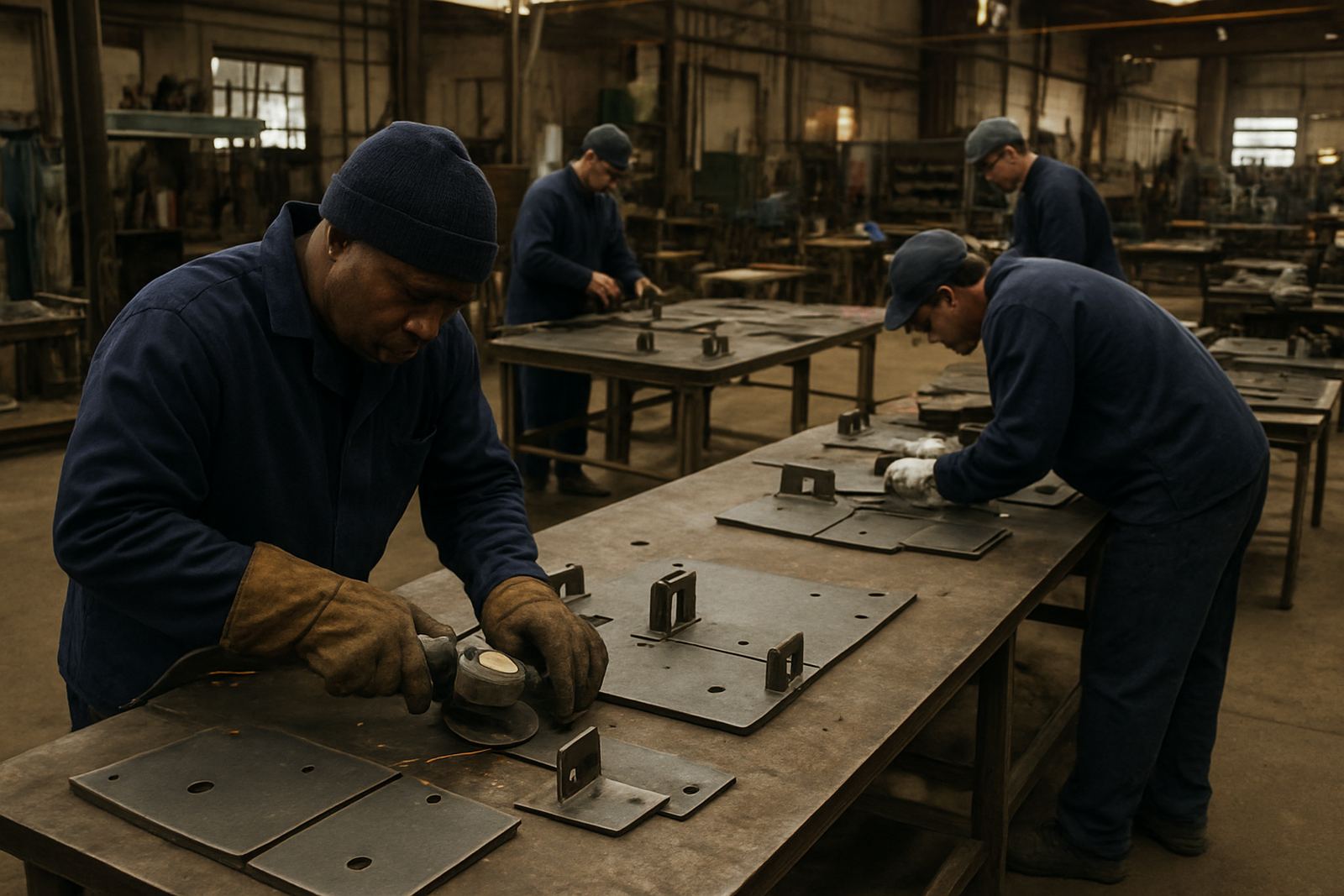
In a boilermaking shop, cutting is not only about speed. It is about getting plate ready for fit-up, opening inspection ports, trimming gussets and making shaped parts that sit properly on the job. When the cut edge is poor, the fitter spends more time grinding and correcting, and that slows the whole bay down.
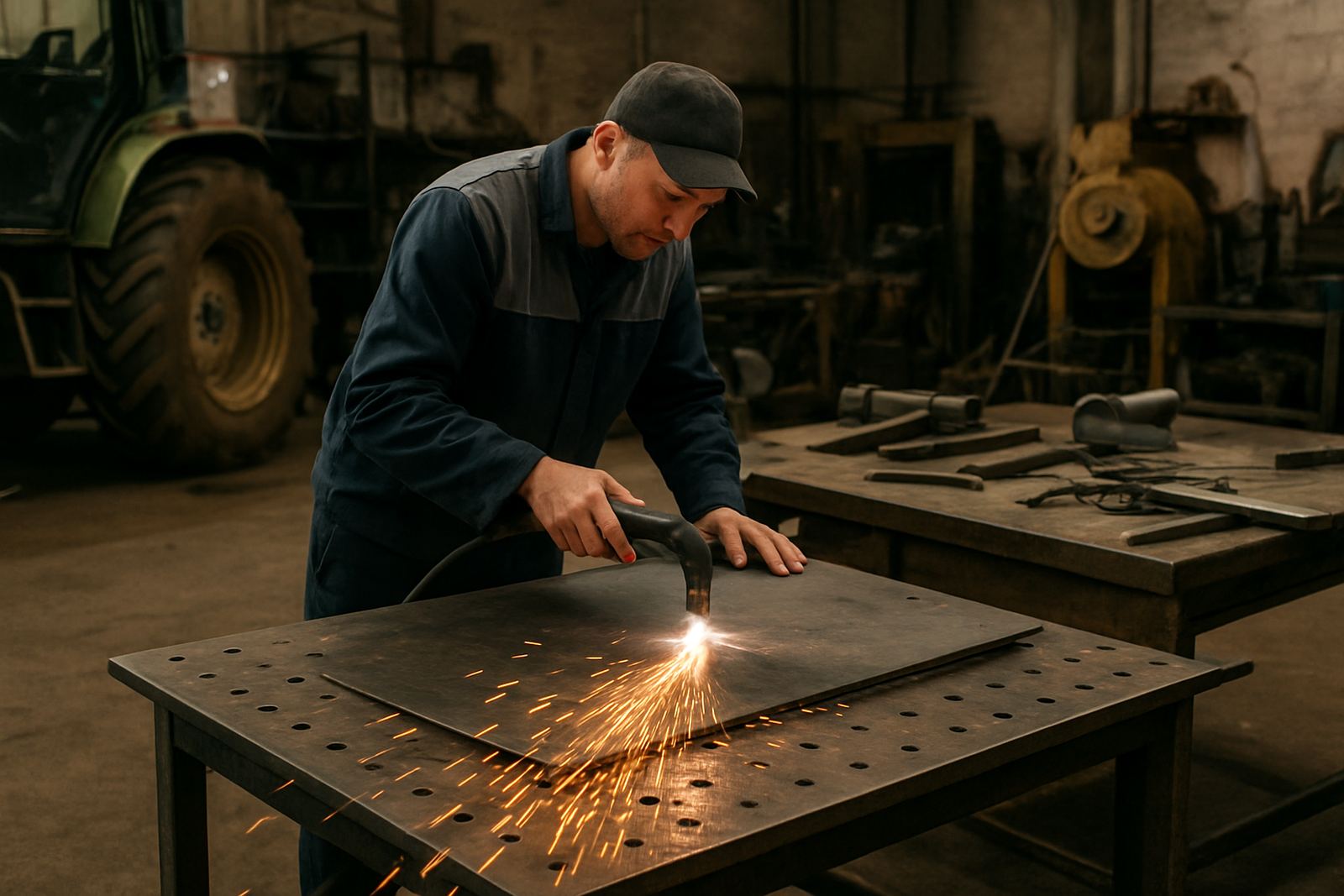
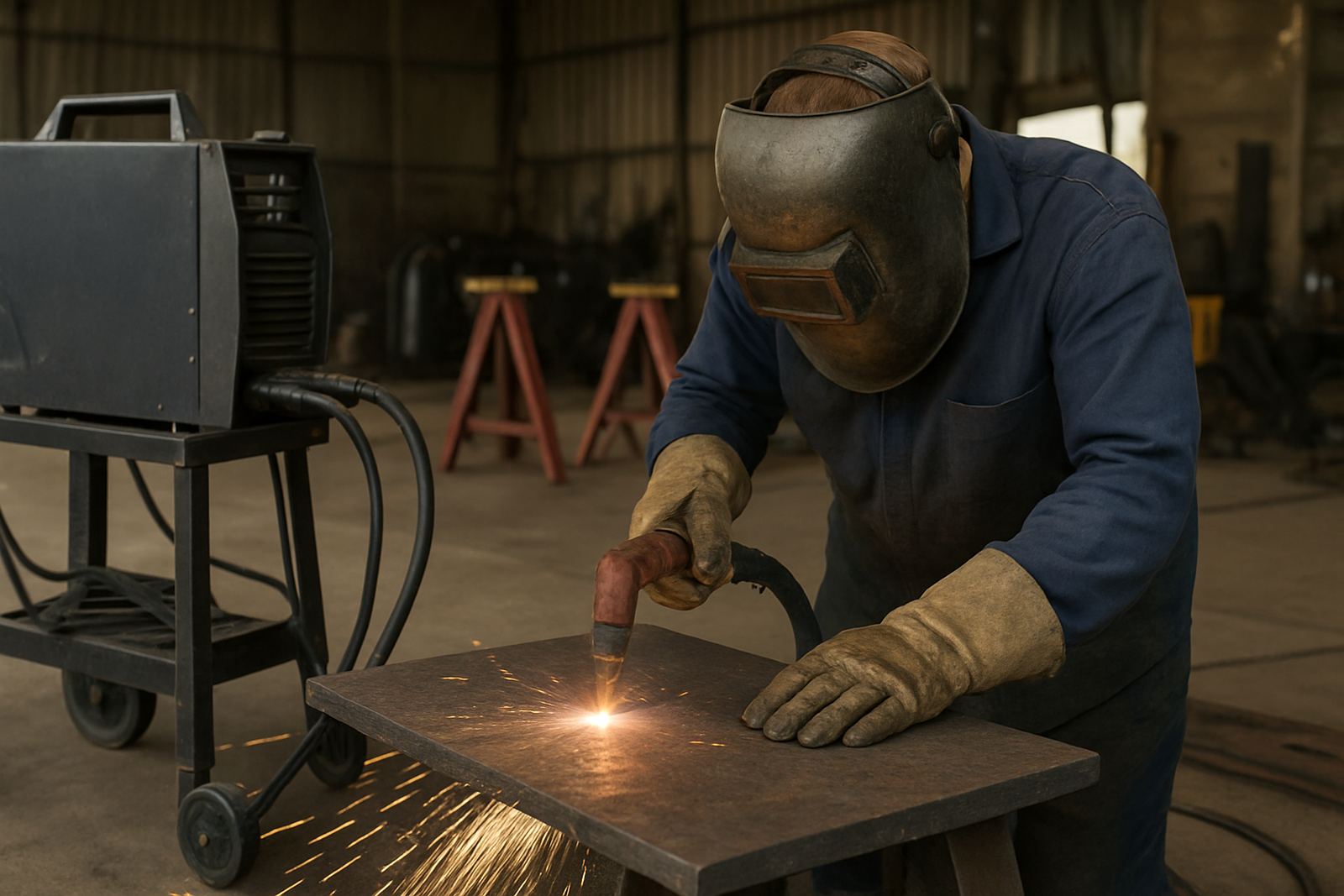
Most shops need a mix of handheld plasma cutters for on-site work and CNC plasma systems for repeat parts on the floor. A good setup should handle mild steel plate, pipe cut-outs and repair work without constant stopping for tip changes or unstable arc start. In Vereeniging and the surrounding industrial areas, many shops also ask for equipment that copes with dust, heat and load-shedding shifts.
- Plate prep for frames, tanks and skids
- Opening holes, slots and access cut-outs
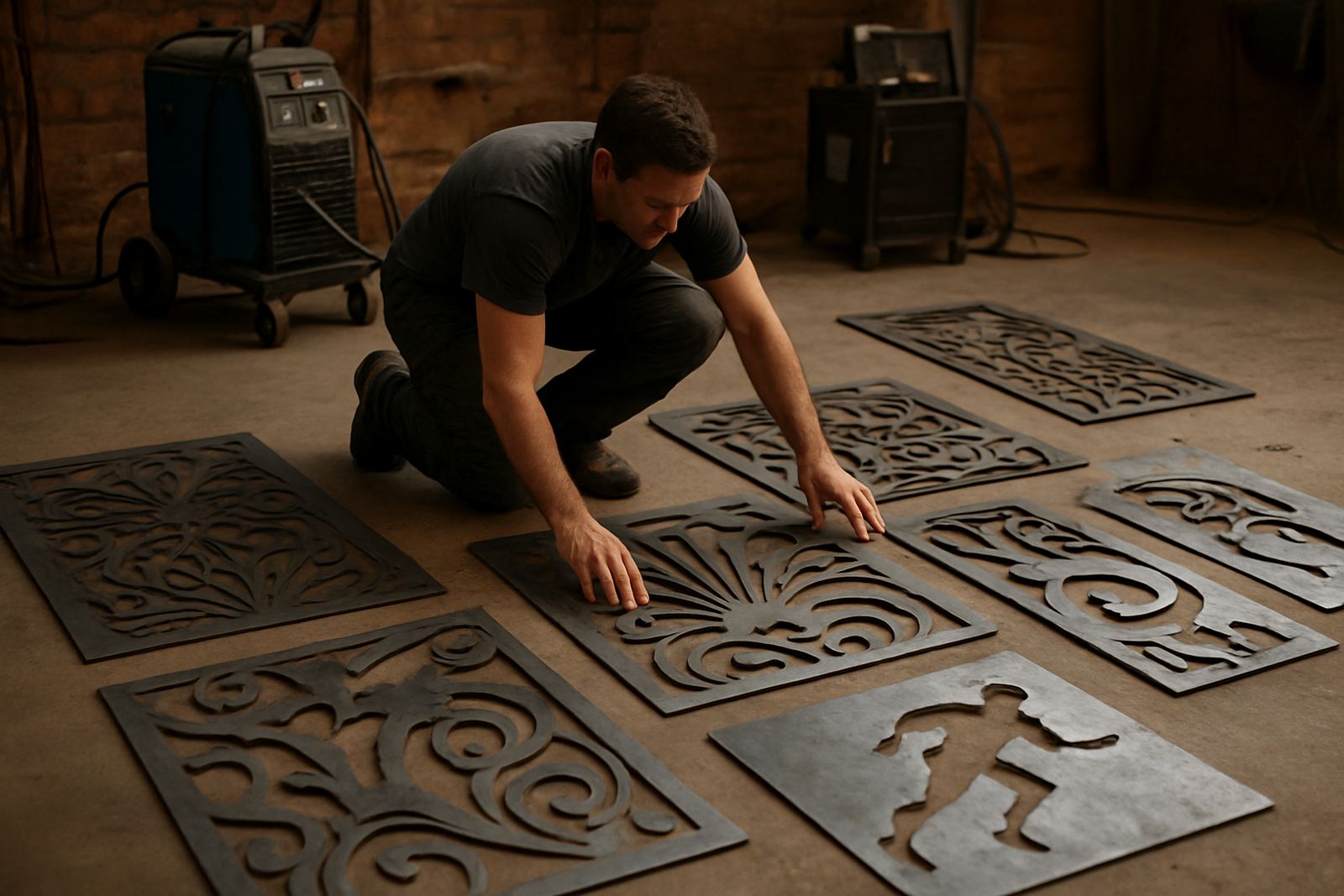
- Shaped component work for brackets and gussets
- Repair cuts on site or in the yard
Typical equipment set for a busy workshop
The right equipment set depends on the size of the shop and the type of work. Smaller boilermaking shops often start with one handheld plasma cutter, an air compressor and a set of consumables kept close to the cutting bench. Larger shops that do repeat parts or batch work may add a CNC table, height control and a more stable air system. Without clean dry air, cut quality drops fast and consumables wear out much quicker.
A practical setup usually includes the machine, torch, earth clamp, good quality leads, a compressor sized for continuous use, moisture traps and spare consumables. For CNC tables, accurate alignment, level support and enough clearance around the machine matter just as much as the cutter itself.
- Handheld plasma cutter for repairs and site work
- CNC table for repeat parts and production cuts
- Air compressor with drying and filtration
- Spare nozzles, electrodes and swirl rings
- Height control for consistent cut distances
Layout and planning advice for plate prep areas
A boilermaking shop works better when the cutting area is planned before equipment arrives. Leave enough room for loading plate, moving offcuts and turning long sections without blocking the grinder or welding bay. If the cutter is too close to the welding area, dust and fume levels go up and the torch life usually goes down. It is also wise to keep the compressor in a ventilated position where intake air stays clean.
For shops in industrial zones such as Alberton, Germiston or Vanderbijlpark, power supply planning is worth the effort. Some workshops run a generator or backup supply for essential cutting during outages, while others schedule heavy cutting earlier in the day. Keep leads off the floor where possible, and make sure operators can reach the machine controls without crossing through hot work areas. A tidy layout saves time and reduces damage.
Common mistakes that cost time and consumables
Many cutting problems are blamed on the machine, but the issue is often setup. Poor air quality, worn tips, incorrect cutting speed or a badly earthed job all affect finish. If the operator pushes too slowly, dross builds up. If the travel speed is too high, the cut angle suffers and the edge needs extra grinding. In some shops the torch is replaced too soon when a consumable check would have solved the issue.
Another common mistake is buying a cutter that is too small for the material thickness. A machine may slice through light plate easily, but struggle when the shop needs regular 16 mm or 20 mm work. That leads to overheating and downtime. Training also makes a big difference, especially when several people share one machine and each person uses a slightly different method.
- Using wet or dirty air lines
- Ignoring consumable wear
- Undersizing the power source
- Poor earth connection on the workpiece
- No planned maintenance or cleaning routine
Budget ranges for boilermaking shops
Budget depends on whether the shop needs a handheld unit or a CNC table, and on how much cutting happens each day. For a smaller workshop, a practical handheld solution can start from about R18 000 to R45 000, depending on capacity and torch setup. A stronger workshop unit, with better duty cycle and cleaner output, often sits between R45 000 and R95 000. CNC plasma systems for production work can range from around R180 000 to well above R500 000 once you include table size, height control and air preparation.
It is sensible to budget for installation, operator training, spare consumables and the first service interval as well. Some shops save money by buying a cheaper unit, then spend more later on downtime and repair work. A better fit upfront often costs less over 12 months, especially where the machine is used every day.
Support for Vereeniging and surrounding industrial towns
PlasmaCutter works with boilermaking shops across Vereeniging, Vanderbijlpark, Sasolburg, Meyerton, Alberton, Germiston, Bloemfontein and Welkom. Support includes torch repairs, power source repairs, preventive maintenance, consumables checks, air system inspection, CNC table servicing, height control calibration, on-site breakdowns, machine commissioning, operator training, spares supply and cut quality audits.
The team includes Marius van der Merwe, Kgomotso Mhlongo, Johan Botha, Phenyo Diale, Ruan Visser and Naledi Selebalo, so customers get practical help from first enquiry through to servicing and training. For shops that rely on steady output, that kind of backup matters as much as the cutter itself.