
What agricultural workshops need from a cutter
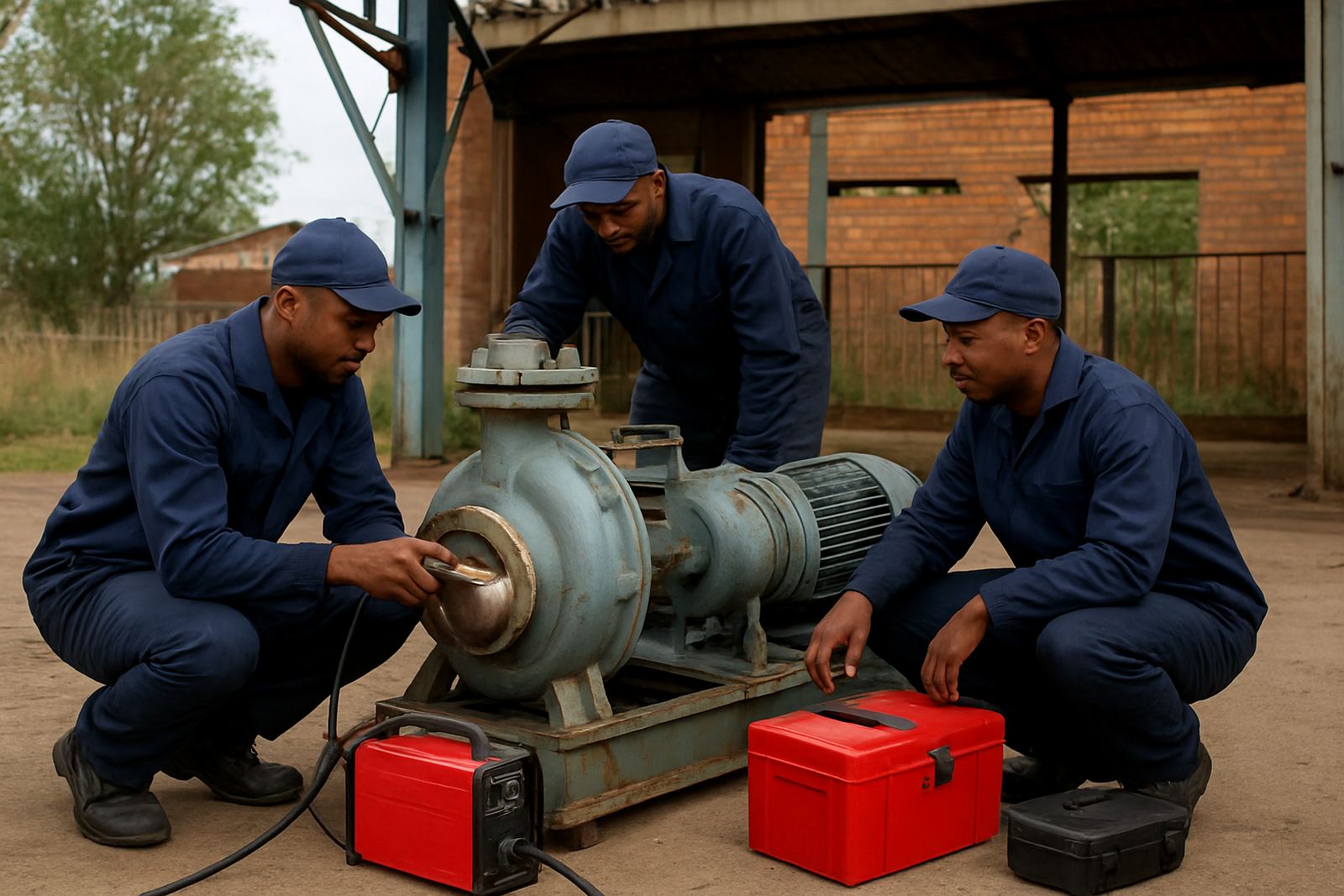
A farm workshop is not a neat production line. One day you are fixing a tractor guard, the next you are rebuilding a trailer chassis, and after that you are cutting brackets for a grain bin or spray rig. The cutting equipment has to work on mild steel, worn farm plate and odd shapes without wasting time on grinding back rough edges. It must also cope with dust, long hours and power that may not always be steady during load-shedding.
For this kind of work, owners usually want a machine that is easy to learn, simple to maintain and able to cut accurately enough for rework parts and small fabrication runs. A workshop serving the farming sector around Vereeniging, Vanderbijlpark, Sasolburg or further into the Free State often needs both handheld work for repairs and a CNC option for repeated parts. Clean cuts save time on fitting and drilling, which matters when a machine must get back into the field before the next job comes in.
Typical equipment in a farm repair workshop
A useful agricultural workshop usually has a mix of cutting, repair and finishing equipment. The exact set depends on the size of the farm, the number of outside jobs, and whether the team builds new items or mainly repairs what comes through the gate. Many customers start with handheld plasma cutting and later add a CNC table when repeat work grows.
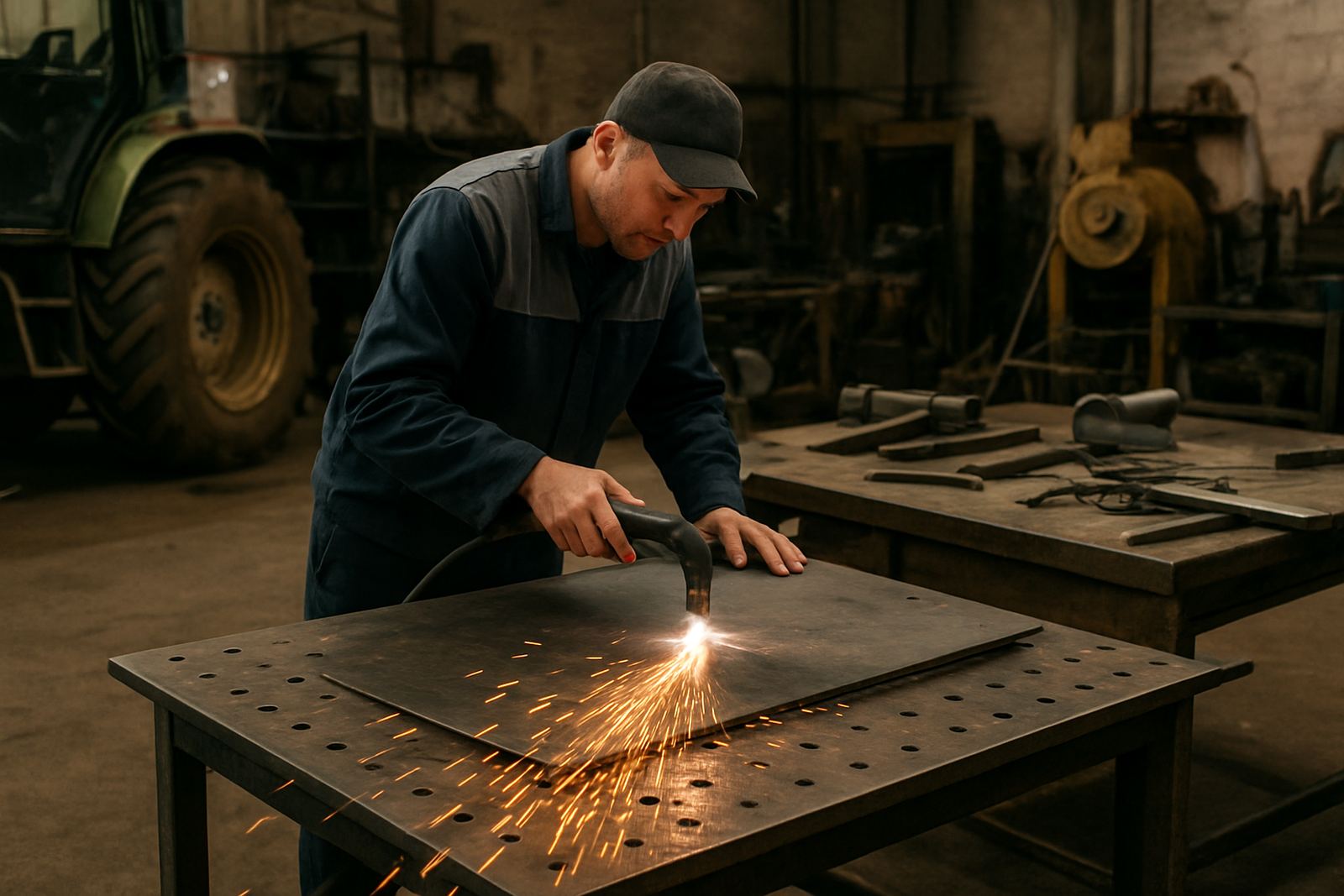
- Handheld plasma cutter for brackets, chain plates, damaged guards and quick fixes
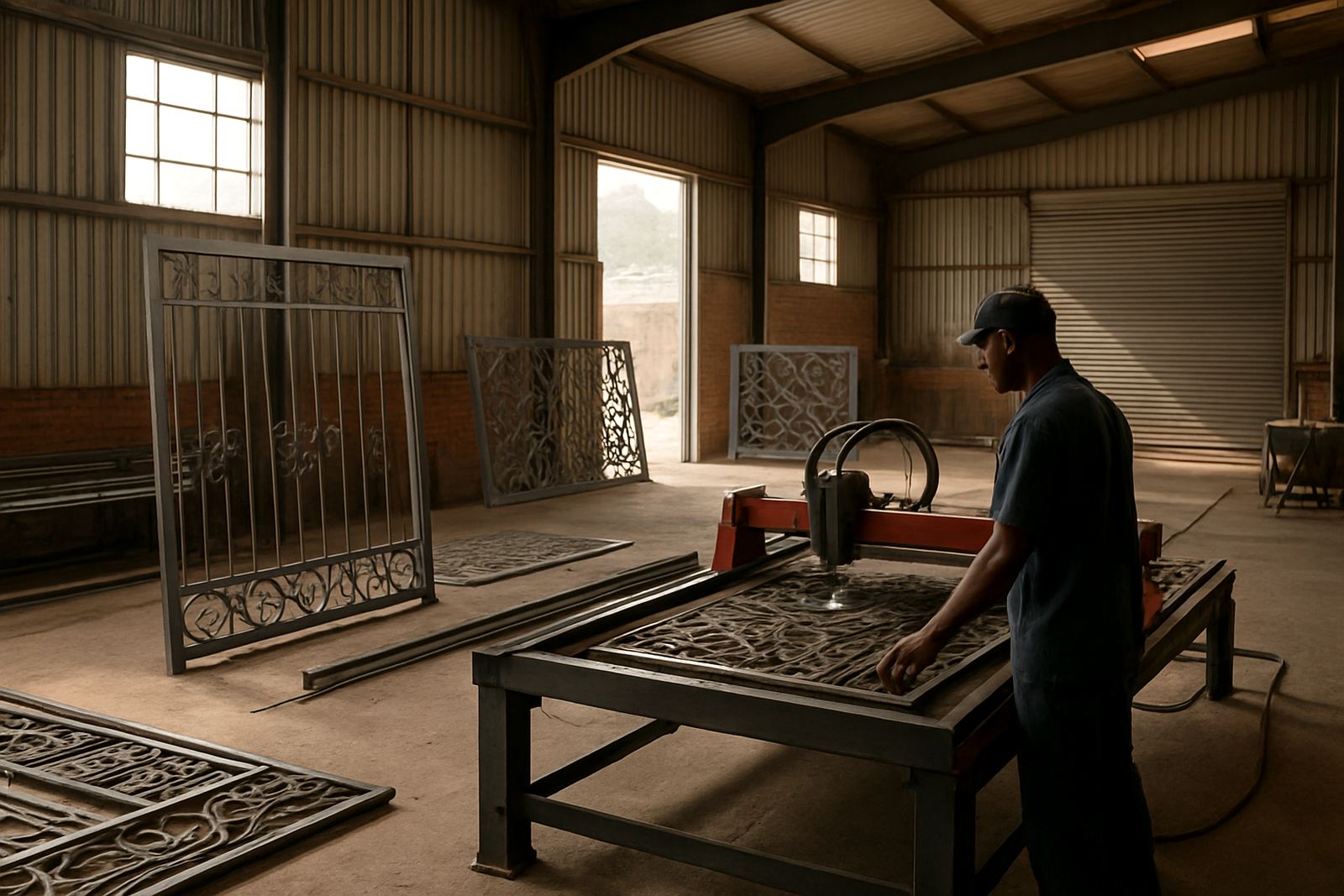
- CNC plasma table for repeat parts, gussets, panels and accurate profiles
- Air compressor and dryer for stable cut quality in humid coastal free and inland workshop conditions
- Angle grinders, drills and welding equipment for fit-up and finishing
- Repair jigs for trailer sides, axle mounts and implement frames
- Measuring gear, templates and marking tools for consistent part sizes
Many workshops also keep spare consumables, torch parts and electrodes on hand. If the workshop is busy, that stock can be the difference between same-day repair and a job sitting until the next supplier run. We also advise keeping the machine area separate from heavy grinding dust, because dust build-up shortens torch life and can affect cut quality, especialy on longer runs.
Layout and planning for safe workshop flow
Good layout matters just as much as the cutter itself. In an agricultural setting, floor space is often shared between vehicles, stock, steel lengths and repair jobs waiting for attention. The cutting area should have enough room for loading plate, moving long sections and keeping the operator clear of sparks and hot offcuts. A level floor helps with CNC table setup and makes it easier to keep repeat parts accurate.
Where possible, place the cutting station near compressed air, power distribution and a clear exit for fumes. If the workshop is in an area with frequent outages, plan for surge protection and a sensible restart procedure after power returns. It also helps to position the machine away from wet wash-down areas, feed storage and places where fertiliser dust may collect. In towns like Meyerton, Alberton and Germiston, where workshops often share space with general fabrication, a marked cutting bay makes it easier to keep the work organised and compliant with basic safety rules.
- Allow space for sheets or flat bar longer than the table by at least 1 metre on each side
- Keep air lines short and protected from tractor tyres and moving stock
- Use proper extraction or open ventilation for fumes and smoke
- Store consumables in a dry cabinet to prevent corrosion
- Mark a safe route for loading and unloading heavy steel
Common fabrication jobs on farms
Agricultural workshops handle a wide spread of work, from small repairs to one-off fabrication. The most common jobs are usually practical, not pretty. They must fit properly, survive vibration and hold up against dust, rain and repeated use. Plasma cutting is well suited to this because it gives fast, accurate cuts on steel plate and structural members without a lot of time spent on cleanup.
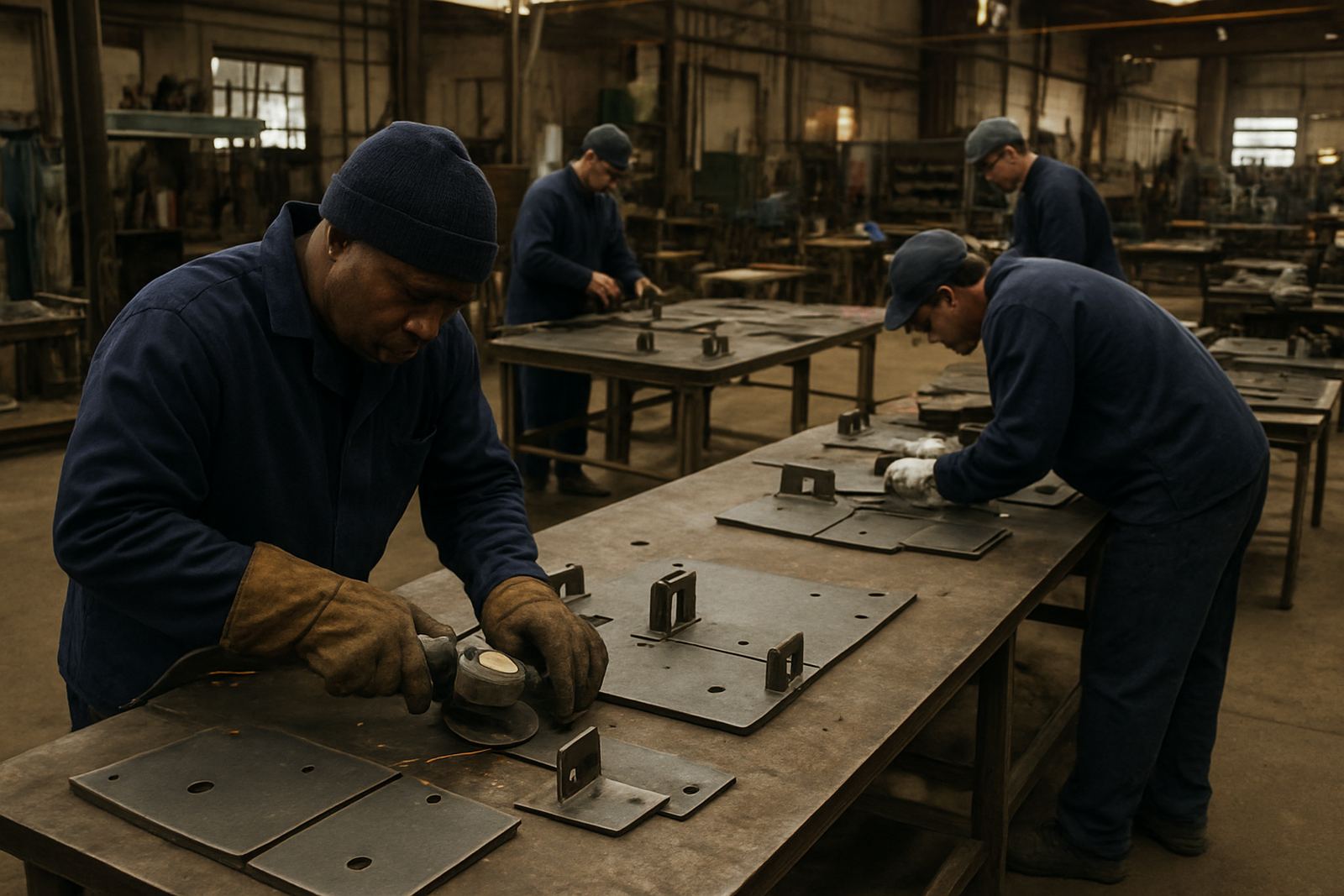
Typical jobs include repair sections for trailer decks, tailgates, irrigation stands, cattle rails, silage frames, gate hinges and implement mounts. Some farms also need new guards, reinforcement plates, bucket parts and customised brackets for older equipment. For those in steel structure repair, cut accuracy matters because poor fit-up leads to extra welding, more heat distortion and weaker joints. A clean edge saves time on the bench and reduces wear on tools further down the line.
- Trailer repairs and replacement cross-members
- Farm gate and hinge fabrication
- Guarding for moving parts on machines and conveyors
- Steel frame repair for sheds, pens and storage racks
- Repeat parts for local fabrication and maintenance teams
Where the right setup saves money
Budgeting for a farm workshop usually starts with the immediate job list, then moves to future work. A small handheld setup may suit a farm that mainly does maintenance in house, while a workshop taking outside repairs may justify a CNC table and better air treatment. The right choice depends on daily output, the thickness range you need to cut and how often the machine will run.
As a practical guide, handheld plasma cutting setups for light to medium agricultural repair work often start in the lower tens of thousands of Rand, depending on output and accessories. A more capable workshop package with better duty cycle, air prep and spare parts can move higher, while CNC table systems with controls, height sensing and installation can reach into the higher tens of thousands or beyond. Commissioning, training and servicing should be part of the budget too, because a machine that is not set up correctly costs more in wasted consumables and poor cut edges.
For farms and contractor workshops around Bloemfontein, Welkom and Sasolburg, the bigger saving is often downtime avoided. If a header guard, trailer bracket or structural plate can be cut in house instead of waiting days for a subcontract job, the machine pays for itself through time saved and fewer delays during busy seasons.
Mistakes we often see in agricultural workshops
One common mistake is buying only for today and not for the next busy season. A machine that is fine for small bracket work can struggle once the workshop starts handling heavier plate or more repeat work. Another problem is poor air supply. Plasma systems depend on clean, dry air, and many workshops underestimate the damage caused by moisture, oil and dust in the line.
We also see machines placed too close to grinding benches, welding bays or paint areas. That leads to contamination, faster wear and more stoppages. Operators sometimes ignore consumable condition until the cut becomes rough, which wastes material and slows down fabrication. Training helps here. A well-trained operator can spot a worn nozzle, choose the right cutting speed and keep edges square on material that will later be welded into a frame. That small discipline makes a real difference when you are working with farm steel that already has rust, scale or uneven thickness.
Support for Vereeniging and surrounding farming areas
PlasmaCutter works from a Vereeniging base and supports agricultural workshops across Gauteng and the Free State, including Vanderbijlpark, Sasolburg, Meyerton, Alberton, Germiston, Bloemfontein and Welkom. We assist with torch repairs, power source repairs, preventive maintenance, consumable checks, air system inspection, CNC table servicing, height control calibration, on site breakdowns, machine commissioning, operator training, spares supply and cut quality audits.
For farm owners and workshop managers, the most useful support is usually practical and direct. We help assess the job mix, advise on layout, and match the cutter to the kind of repairs or modifications done most often. If you need to ask about a workshop setup, send an enquiry through the contact page and we will work from there. The goal is straightforward: keep the cutting station ready for the next tractor fix, trailer rebuild or steel structure repair, without unnecessary stoppages.