When Maintenance Crews Need Clean Cuts Without Delays
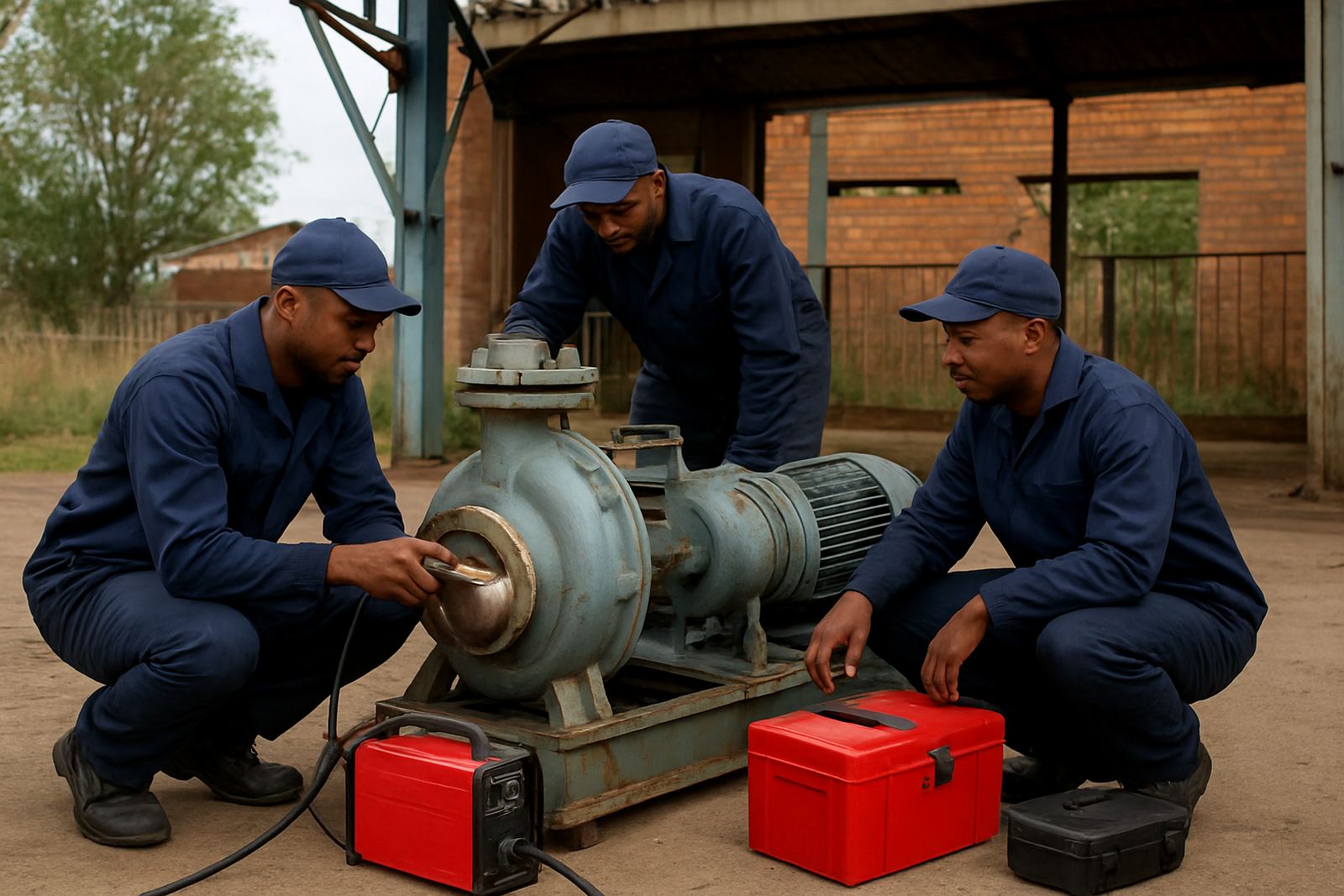
Maintenance teams work under pressure. A cracked bracket on a conveyor, a worn platform edge, a pipe support that has to be reworked before shift end, these jobs rarely happen at a convenient time. In plants around Vereeniging, Vanderbijlpark, Sasolburg and Meyerton, crews often need a cutter that can move from one bay to another, work in tight spaces and still leave a clean edge that does not require hours of grinding.
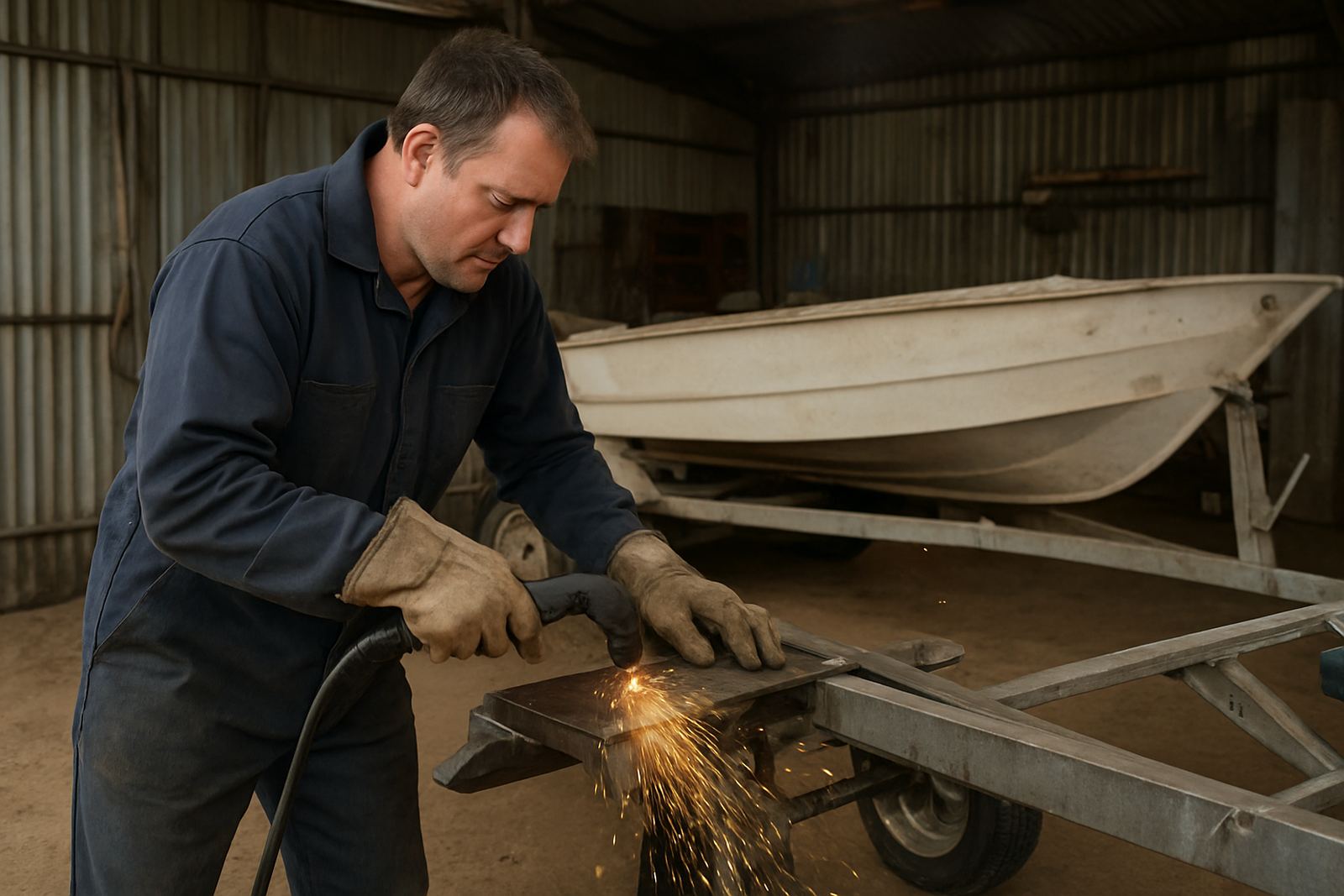
Plasma cutting suits this type of work because it handles mild steel quickly and accurately, even when the job is awkward or the material is already installed. For maintenance crews the value is not only speed, it is control. You can trim, open up, repair or replace steel sections without dragging a large workshop process into the middle of a plant stoppage.
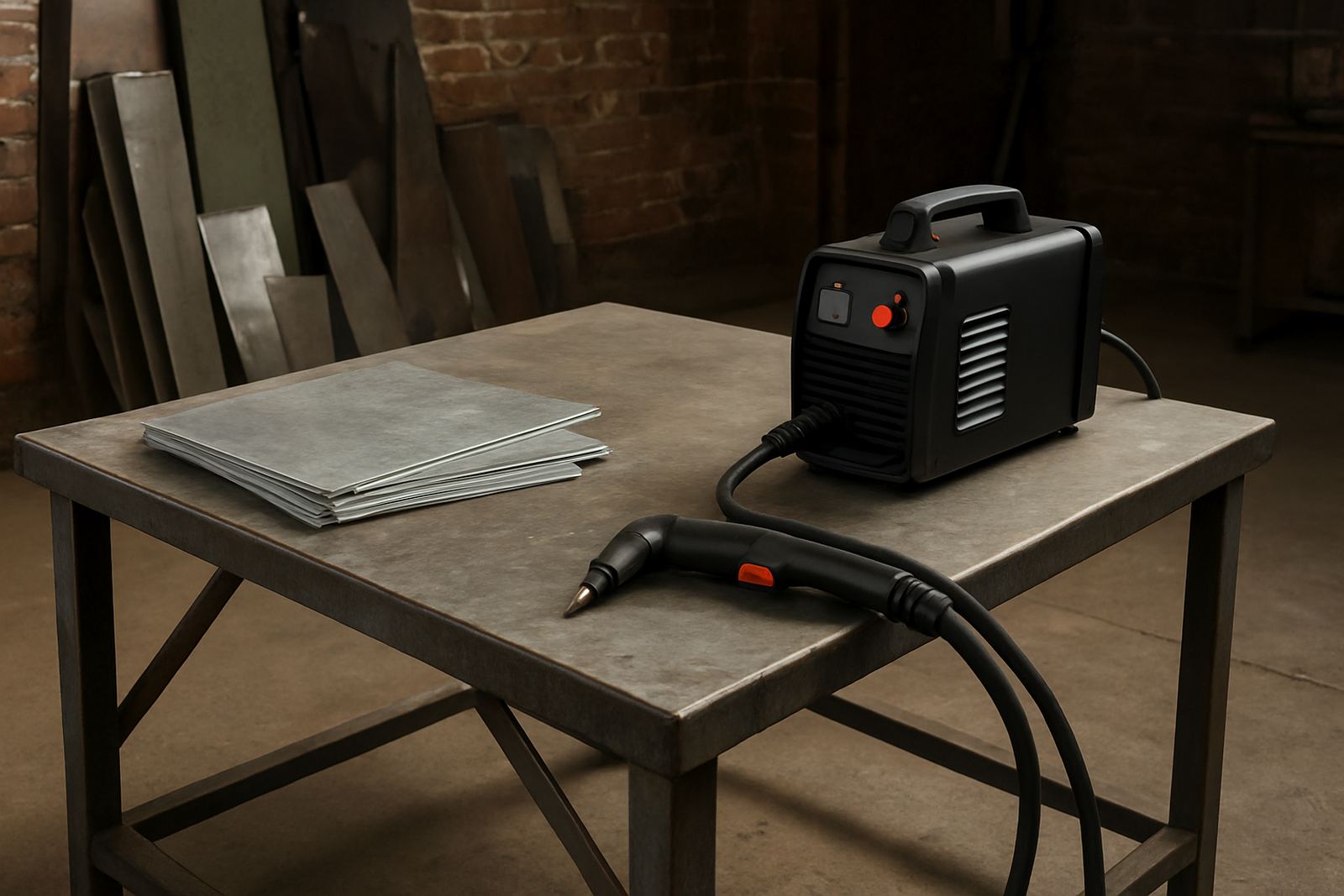
PlasmaCutter supplies handheld and CNC plasma cutting equipment for teams that need practical results on site or in the workshop. If your crew is fixing guards, frames, brackets, service hatches or access panels, the right machine can reduce rework and keep the job moving.
Typical Equipment Set For Plant Repairs And Steel Modifications
A maintenance crew setup usually needs more than one machine. Small repair teams often use a handheld unit for site work and a CNC table for repeat parts, templates and cleaner cuts in the workshop. In larger operations, the plasma cutter becomes part of a wider maintenance kit with air supply checks, spare consumables and a service plan that keeps downtime predictable.
- Handheld plasma cutter for cutting in plant areas, erection work and emergency repairs
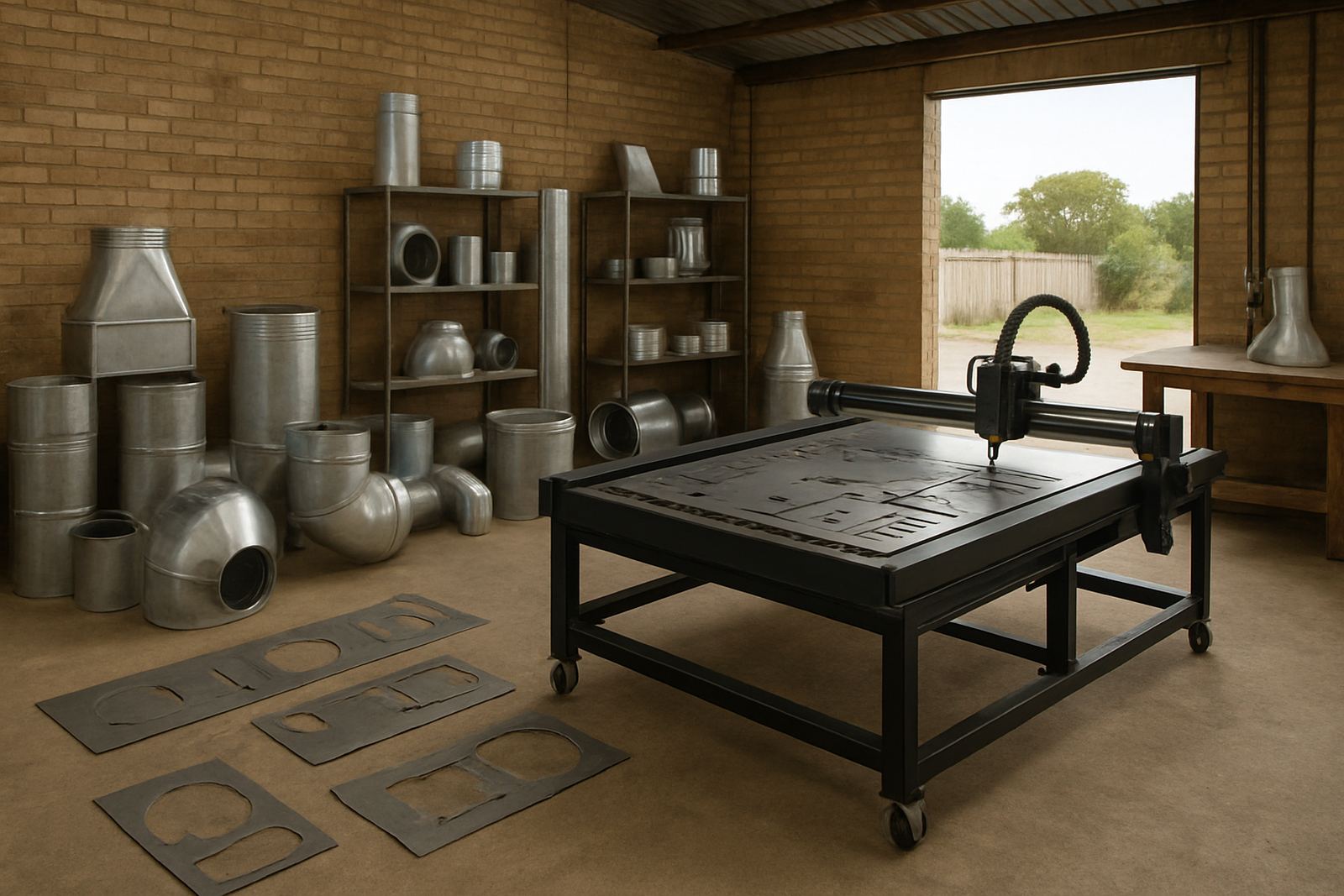
- CNC plasma table for brackets, plates, patch pieces and repeat fabrication
- Stable air supply with dry, filtered air to protect cut quality and torch life
- Consumables such as tips, nozzles and electrodes kept in stock for urgent jobs
- Height control and calibration for better cut consistency on table work
- Basic lifting, clamping and workholding gear for safe positioning of steel
On many sites in Gauteng and the Free State, the real issue is not whether a machine can cut, but whether it can keep working after load shedding, dusty conditions or long shifts. That is why maintenance crews need proper servicing, clear operator training and a supplier that can help when a torch faults out just before a shutdown window ends.
Planning The Cutting Area For Safety And Fast Changeovers
A good cutting area saves time on every job. Whether you are working in a fabrication bay, an outdoor maintenance yard or a plant workshop, plan for clear access around the machine, enough space for plates and offcuts, and a dry area for storing consumables. Coastal humidity is not the issue only for Durban. Even inland, damp mornings and poor storage can shorten the life of spares and connectors.
For site work, crews should think about cable length, airflow, power stability and access to compressed air before the first cut starts. If the machine is moving between workshops in Alberton, Germiston and Bloemfontein, or being taken out for breakdowns in Welkom and Sasolburg, transport protection matters as much as cutting power. A machine that is easy to shift, set up and check will be used more often and maintained properly.
Where possible, keep a simple layout with a marked cutting zone, fire extinguisher, PPE storage and a dry bench for spares. A small amount of planning reduces lost time and helps different shifts use the same setup without confusion.
Common Mistakes That Slow Down Maintenance Jobs
Maintenance crews often lose more time to setup errors than to the cut itself. The most common problem is poor air quality. Wet or dirty air can ruin consumables, cause erratic arc starts and leave rough edges that need dressing. Another mistake is using worn tips too long because the team wants to finish one more job before changing them, which usually costs more in rework than a fresh set would have.
Another issue is trying to use one machine for every kind of job without checking whether it suits the thickness, duty cycle or access conditions. A handheld cutter that is fine for quick modifications may not be the best option for a repeated production pattern. The same goes for CNC work. If the table is not level, the torch height is not calibrated, or the cut files are not checked properly, the crew ends up chasing faults instead of cutting steel.
- Using damp air lines or dirty filters
- Ignoring torch wear until cuts start failing
- Skipping preventive maintenance before a shutdown
- Leaving spare consumables unlabelled or mixed together
- Not training all operators on basic setup and troubleshooting
PlasmaCutter assists with consumables checks, torch repairs, power source repairs and operator training so crews can avoid repeat faults. That support is useful when the plant is running on a tight schedule and there is no room for guesswork.
Budget Ranges For Workshop And Site Use
Budgets depend on whether you need a portable unit for breakdowns or a CNC setup for regular workshop work. For a small maintenance crew, a practical handheld cutting setup can start from about R18 000 to R45 000 depending on output, features and accessories. For teams that need stronger capacity, better duty cycle and a cleaner finish, the cost can move well above that.
A CNC plasma table setup for repeat repair parts, plant plates and fabrication work can range from around R95 000 to R350 000 or more depending on table size, control features, extraction, height control and commissioning requirements. If you also need training, spare consumables, air system checks and a service plan, it is wise to include those costs from the start rather than adding them later after faults start showing up.
For many maintenance departments in Vereeniging and the surrounding towns, the best approach is to budget for the machine, the first consumables pack and a short support plan together. That gives the crew a realistic view of running cost, not only purchase price.
Support That Keeps Crews Working Across Gauteng And The Free State
Maintenance teams need service that is practical and local. PlasmaCutter works from Vereeniging and supports demos and servicing across Gauteng and the Free State, including Vanderbijlpark, Sasolburg, Meyerton, Alberton, Germiston, Bloemfontein and Welkom. That matters when a breakdown happens on a Friday afternoon or a new operator needs guidance before a shutdown starts on Monday.
The service mix includes torch repairs, power source repairs, preventive maintenance, consumables checks, air system inspection, CNC table servicing, height control calibration, on site breakdowns, machine commissioning, operator training, spares supply and cut quality audits. For plant maintenance crews, that means one supplier can help with both the machine and the people using it.
If your team handles urgent steel modifications, plant repairs or routine shutdown work, the best time to sort the cutting setup is before the pressure starts. A short demo, a proper commissioning visit and a sensible maintenance plan can save a lot of downtime later, and that is usually where the real saving is.