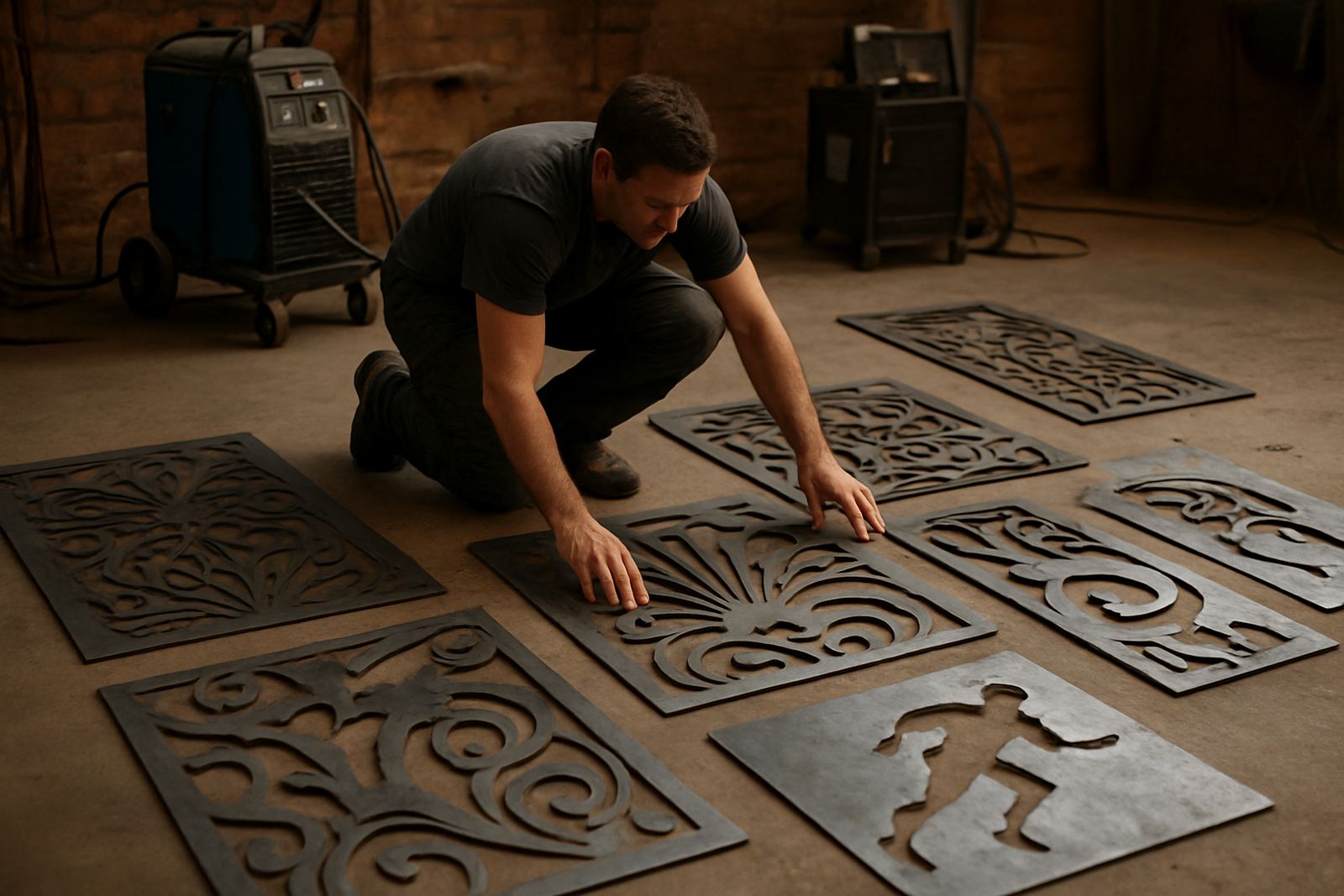
When ductwork jobs need faster, cleaner cutting
HVAC fabrication is full of repeat parts that must match drawings and fit together without extra grinding. If you are cutting rectangular duct sections, round transitions, angle cleats, flange plates, brackets or support straps, the cutting process has a direct effect on install speed and leak control. A good plasma setup helps your team produce parts with cleaner edges, less distortion and fewer reworks on site.
For contractors working in Vereeniging, Vanderbijlpark, Sasolburg, Meyerton and Alberton, the pressure is usually on lead time. One week the job is for a factory extract system, the next it is for a shopping centre riser or a workshop ventilation run. Plasma cutting suits this type of work because it handles mild steel quickly and keeps sheet handling simple. On smaller jobs, a handheld unit may be enough. On regular duct production, a CNC table saves time on repeat profiles and hole patterns.
Because many HVAC parts are thin to medium gauge, control matters more than raw power. Too much heat can warp flanges, leave sharp dross or make parts hard to fold. The right machine setup helps keep edges tidy, which is important when your sheet metal team is folding, riveting or sealing joints afterwards.
Typical equipment set for HVAC fabrication shops
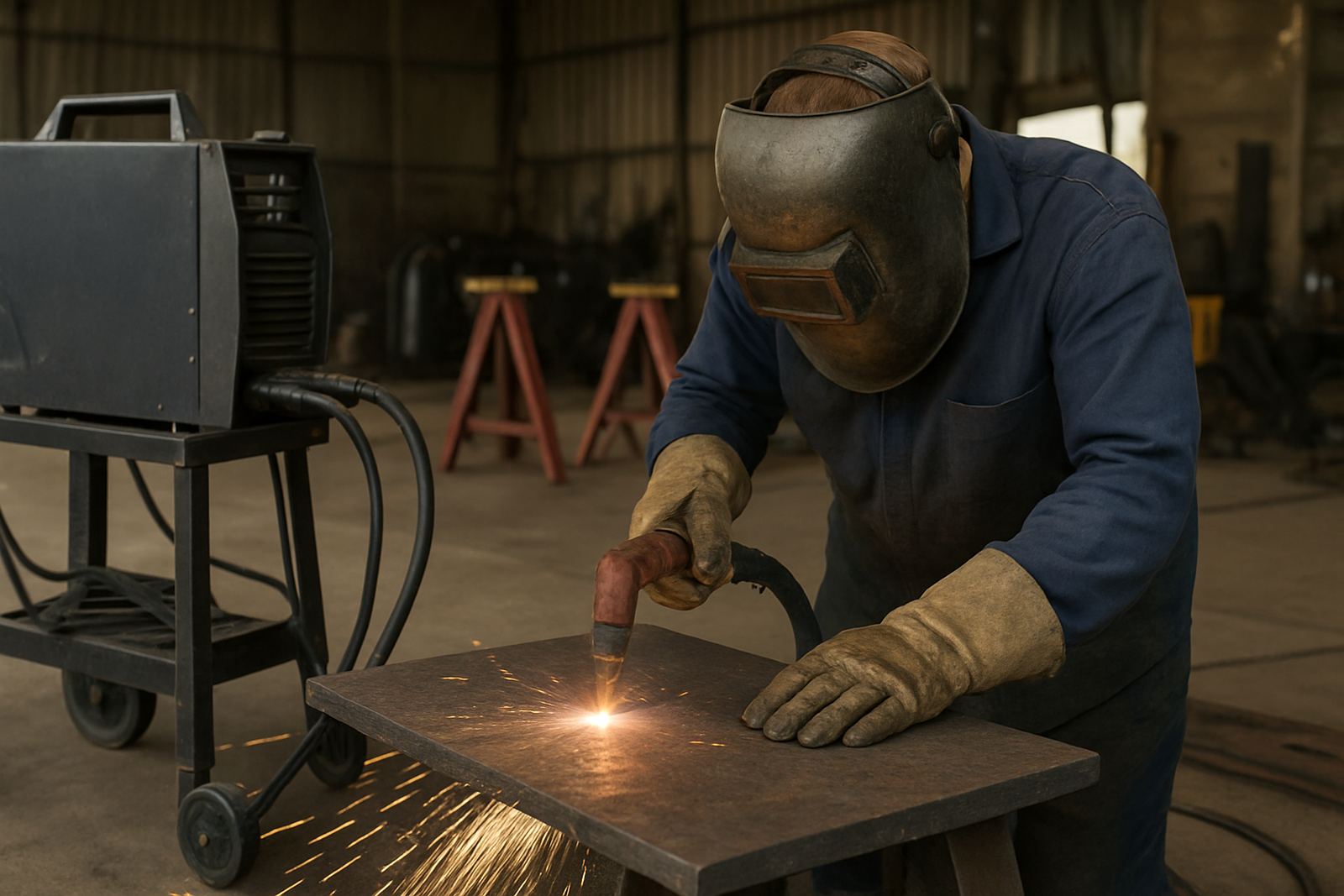
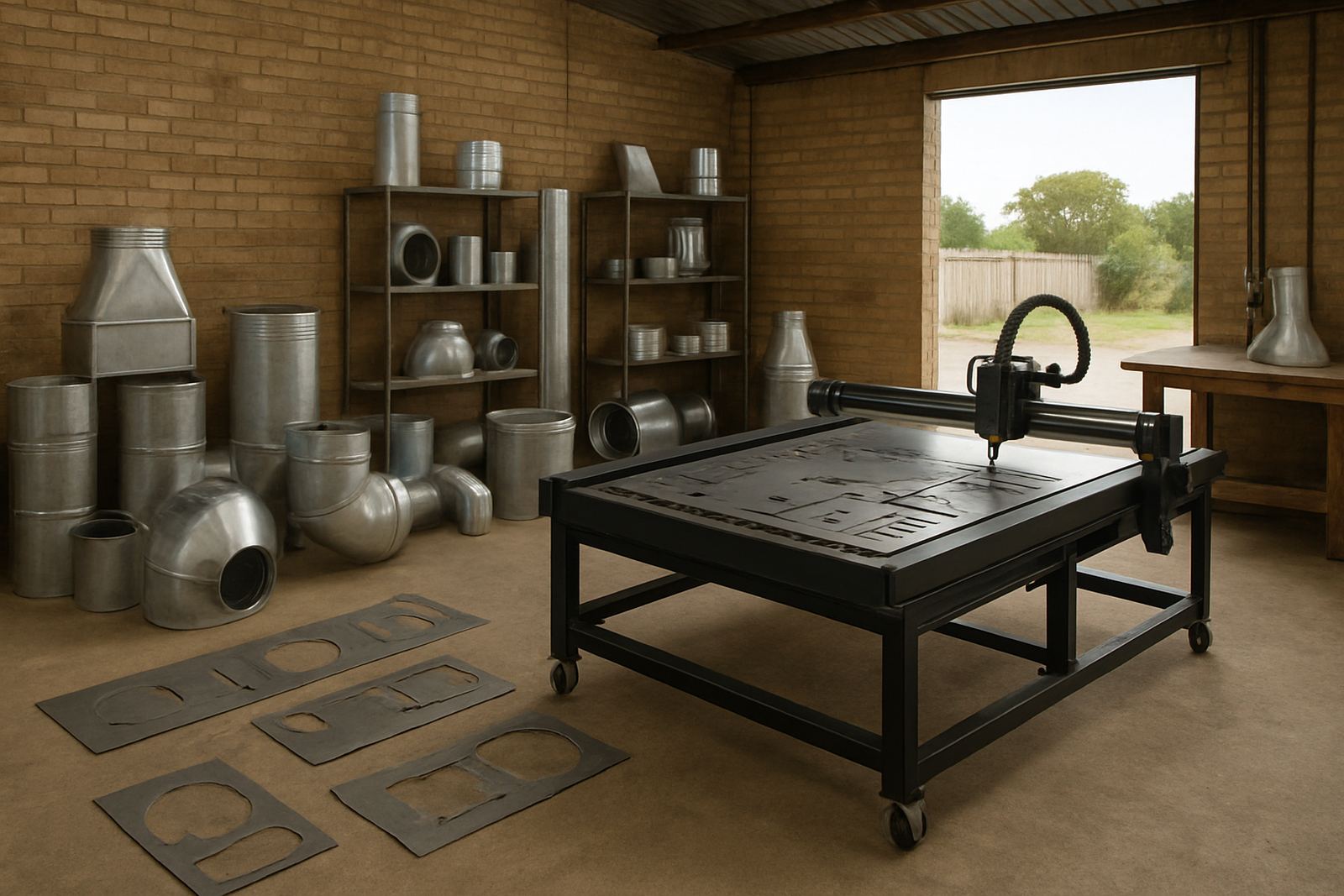
Most HVAC workshops do not need a machine room full of oversized kit. They need reliable cutting equipment, stable air supply and a layout that supports repeat work. A practical set-up often includes a handheld plasma cutter for site adjustments and maintenance, plus a CNC table for batch production of duct components and flat patterns.
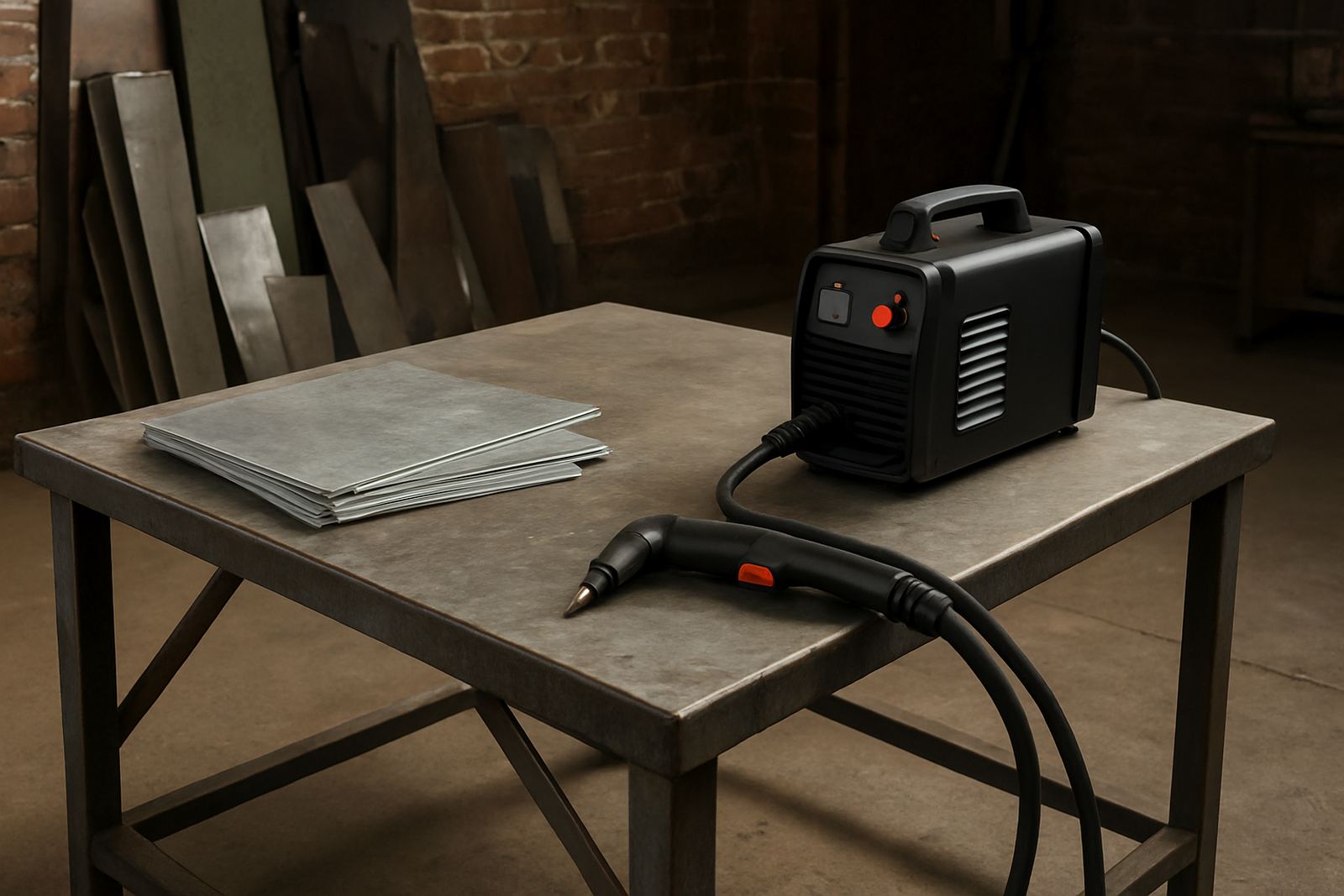
- Handheld plasma cutter for brackets, repairs and small one off parts
- CNC plasma table for flange plates, end caps, gussets and cut patterns
- Dry, filtered compressed air to protect torch consumables
- Work tables for marking, nesting and sorting cut parts
- Extraction or good ventilation to manage fumes and dust
- Storage for consumables, tips and spare torch parts
In coastal or humid conditions, even inland on damp mornings, air quality becomes a real issue. Water in the airline shortens consumable life and can make cuts inconsistent. A proper moisture trap and regular drain checks are worth more than many people think. Teams in Sasolburg and Welkom often ask for help with consumables that wear too quickly, and the answer is usually a mix of air quality, torch condition and cutting technique.
Planning the workshop layout around real production flow
A good layout starts with the material flow. Sheets should come in near the cutting area, not across finished work. Offcuts need a place to go without blocking access to the table. If your team is cutting duct parts in batches, keep marking, cutting, folding and assembly close enough to reduce walking but separate enough to avoid mix ups.
For a busy HVAC shop, think in zones. One zone for raw sheet, one for cutting, one for folding and fitting, and one for finished parts ready to leave. This matters when you are working with 1.2 m x 2.4 m sheets or larger and trying to keep different job cards apart. If the floor space is tight in Germiston or Germiston industrial areas, a smaller CNC table with good access around it may be a better choice than trying to squeeze in oversized equipment.
Load-shedding is another planning factor. If power drops mid shift, a machine that recovers predictably is easier to live with than one that needs constant fiddling. Many workshops also keep a separate area for compressed air equipment and service access, because a blocked compressor or wet airline can stop production faster than a cutting fault.
Common mistakes that waste time and steel
HVAC shops often lose time on the same few mistakes. The first is using the wrong cut settings for thin material. That can leave wide kerf, extra slag and distorted edges, especially on small flange parts. The second is poor nesting. If parts are laid out with too much waste between them, sheet costs climb quickly. The third is ignoring torch wear until the cut quality drops badly.
Other common problems include:
- Running wet air through the system and damaging consumables
- Using worn torch parts long after cut quality has dropped
- Skipping preventive maintenance on the CNC table and height control
- Not checking square and fit before sending parts for folding
- Leaving small support parts unlabelled, which causes assembly mix ups
For ventilation contractors, the cost of a bad cut is not only the wasted steel. It is the extra handling, delay on site and the risk of a flange or bracket not fitting when the installer needs it. That is why cut quality audits and operator training help more than many people expect. A short correction in setup can save a full sheet of material later on.
Budget ranges for HVAC cutting work in Rand
Budgets vary depending on whether you are doing light workshop support or daily production. A handheld plasma cutter setup for maintenance, small brackets and on site adjustments can start from about R15 000 to R45 000, depending on output and torch package. A CNC plasma cutting system for regular HVAC fabrication usually sits in a wider range, often from around R90 000 to R350 000 or more when table size, height control and air preparation are included.
Do not forget the hidden items that make the machine usable. These include the air system, extraction, spare consumables, a proper earth setup and training time. Many first time buyers budget only for the cutter and table then get stuck on support items later. If your team works across Vereeniging, Meyerton or Bloemfontein and needs the unit to earn its keep quickly, it is better to plan the full installation cost upfront.
For shops looking at phased growth, it can make sense to begin with a solid handheld setup, then add CNC capability once repeat duct work justifies it. That approach keeps cash flow under control while still improving cut quality and turnaround. It also suits contractors who have seasonal demand and need flexibility through the year.
Support for HVAC teams on the road and in the shop
PlasmaCutter works with customers who need more than a machine drop off. HVAC teams often need commissioning, operator training, consumables checks and occasional breakdown support when a torch or power source starts acting up. For shops in Vereeniging, Vanderbijlpark, Sasolburg, Alberton, Germiston, Bloemfontein and Welkom, local support makes it easier to keep jobs moving without long delays.
Our service support includes torch repairs, power source repairs, preventive maintenance, air system inspection, CNC table servicing, height control calibration, on site breakdowns, machine commissioning, operator training, spares supply and cut quality audits. That practical support helps when a workshop is trying to keep duct parts flowing out the door before an install date.
If you are setting up a new HVAC fabrication line, or improving an old one, start with the parts you cut most often, the air you feed into the system and the level of operator training on the floor. Those three things usually decide whether a plasma setup feels like a help or a headache.