
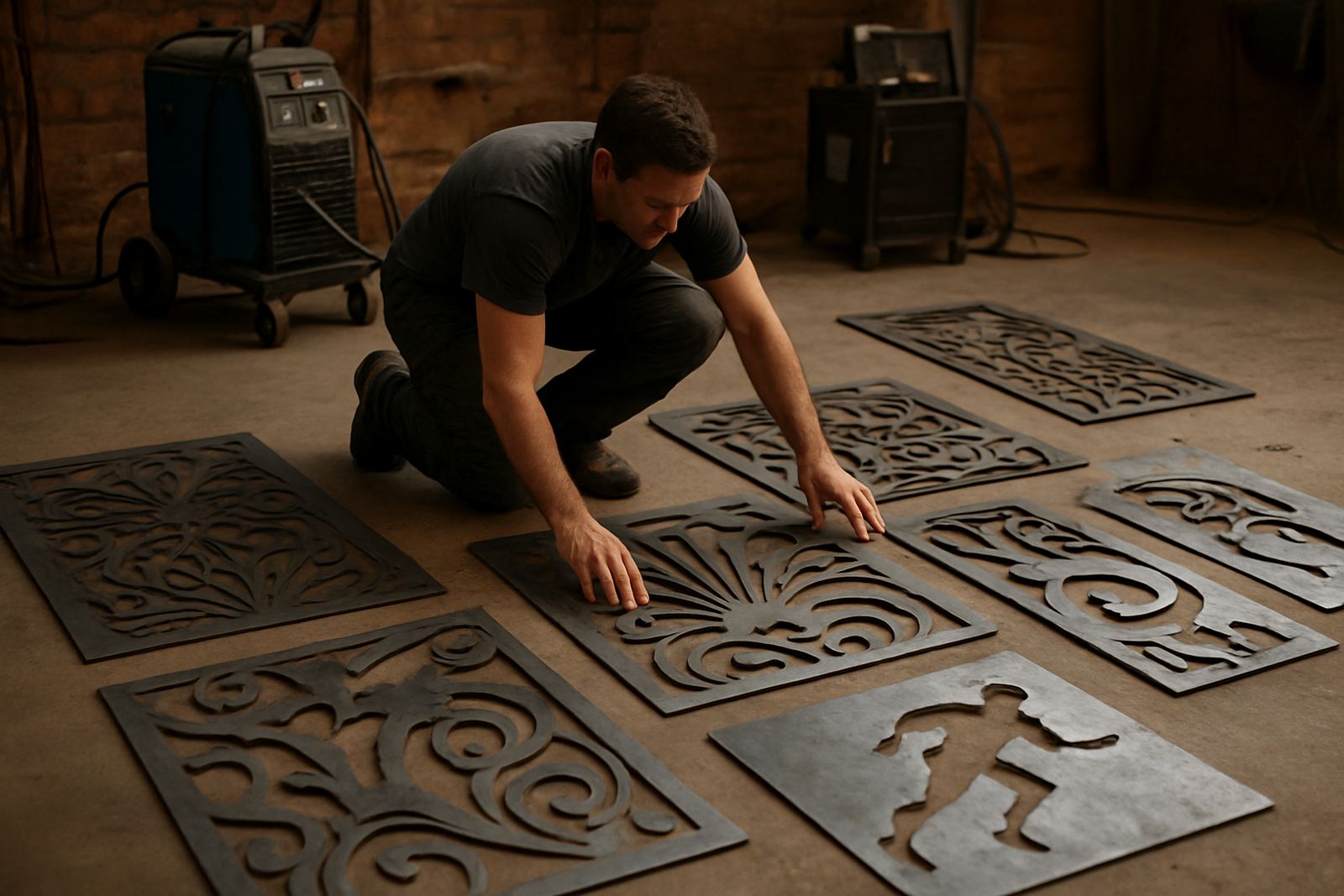
When metal art needs neat edges and repeatable detail
Art and signage work usually starts with a design that looks simple on paper but becomes fussy once steel, aluminium or mild plate enters the job. Lettering must read clearly, curves must stay smooth, and decorative panels often need a finish that looks good from a metre away and still holds up when someone walks right up to it. That is where the right plasma cutter matters. It gives you a clean cutting path for custom name plates, logos, numbers, route markers, wall art and feature panels for homes, shops, workshops and farm entrances.
For many clients in Vereeniging, Vanderbijlpark and Sasolburg, the main need is not just speed, it is control. Smaller handheld units suit one-off art pieces, repair work and site-made signs. CNC plasma systems are better when you need repeated shapes, nested layouts and lettering that matches from batch to batch. The trick is matching the machine to the work you actually do, not the machine you wish you had on a busy Monday.
Typical equipment set for signage and decorative cutting
Most signage shops and metal artists use a basic setup that can grow with the workload. A stable cutting table, clean compressed air, a suitable power source and proper extraction or outdoor airflow make a noticeable difference to cut quality and consumable life. In Gauteng and the Free State, dust, winter dryness and workshop grime all affect finishing, so it pays to keep the system simple and serviceable.
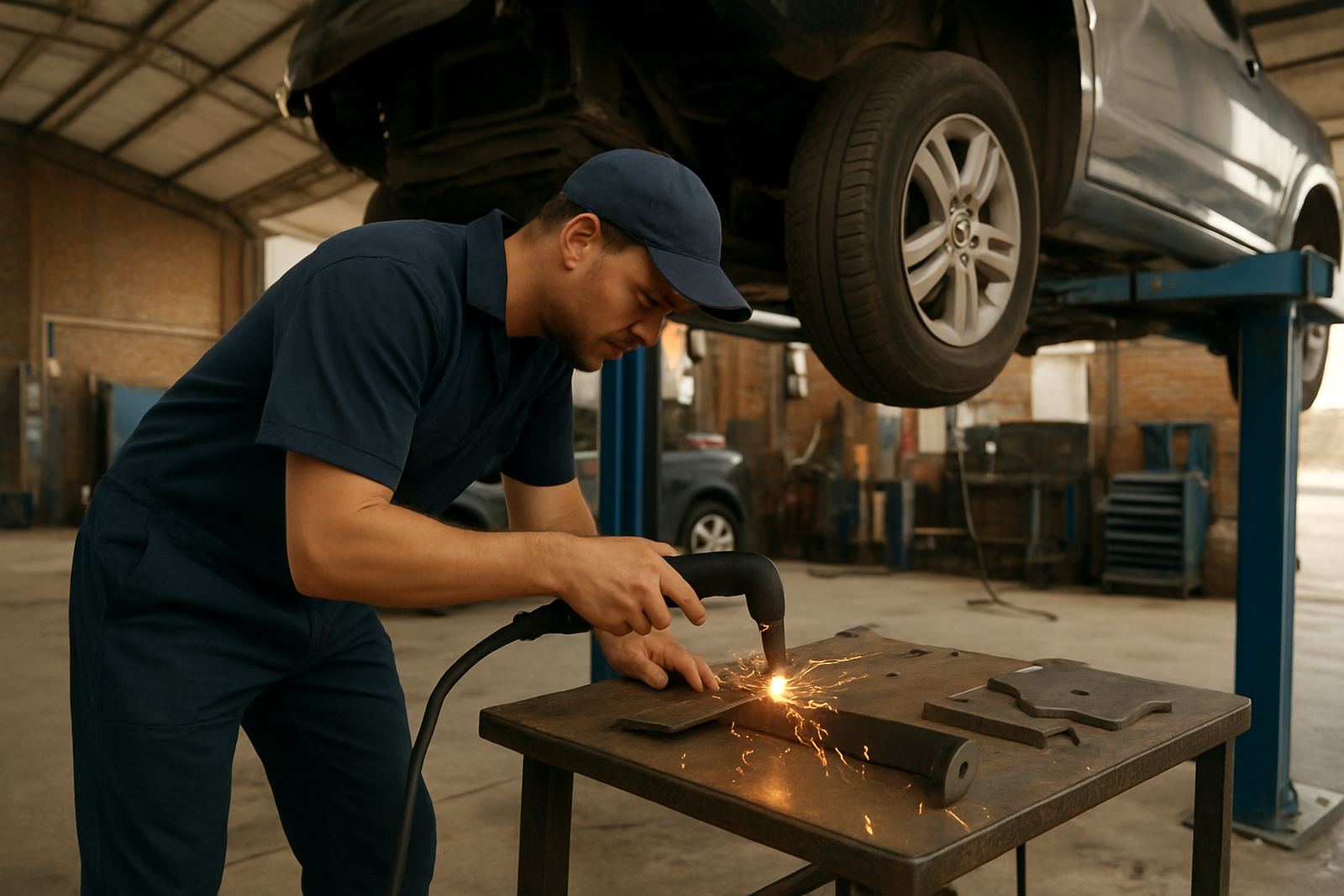
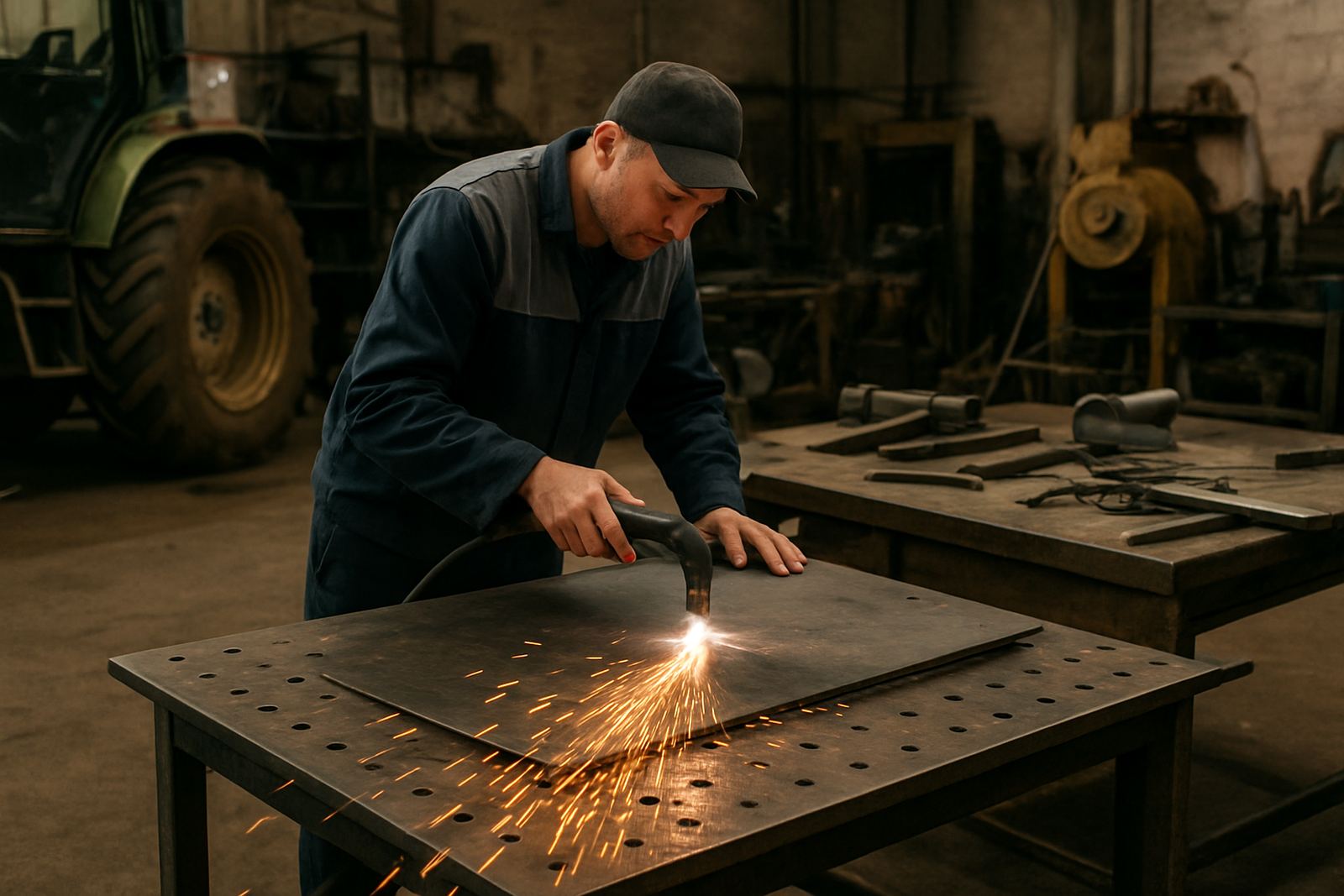
- Handheld plasma cutter for templates, repairs and small production runs
- CNC plasma table for repeated letters, brackets, panel art and panel sets
- Air supply with filtration to reduce moisture and oil in the line
- Height control on CNC work to keep the arc stable on warped sheet
- Spare consumables for nozzles, electrodes and shields
- Flat storage for sheet, plus a clean area for deburring and finishing
If your work includes aluminium, painted sheet or rusted mild steel, the cutter needs enough headroom to maintain edge quality. Thin sheet used for décor can warp quickly, so operators need settings that limit heat input. On thicker signage frames, especially entrance pieces and stand-alone letters, a machine with steady duty performance saves time and reduces rework.
Layout and planning advice before you cut
Good signage work is won before the torch starts. File prep, letter spacing, lead-in placement and tab location all affect the final look. For decorative panels, consider how the piece will be mounted, whether it needs backlighting, and if rain or dust will collect inside the cut-outs. Outdoor signs in towns like Meyerton, Germiston and Bloemfontein also need allowance for wind loading and proper fixing points, especially when the panel is mounted above eye level.
When planning a CNC job, keep text size realistic. Very small script or tight internal corners may look fine on screen but turn messy on steel. Leave enough gap for the kerf and allow for clean-up after cutting. If the item will be powder coated or painted, make sure the designer leaves room for hanging points and masking. It saves time later and the finish looks more professional.
- Use thicker material for freestanding signs and thinner sheet for wall art
- Keep internal detail practical, especially on letters like A, O, R and B
- Plan fixing holes early so they do not land in a visible area
- Allow for post-cut grinding, sanding and coating
- Check whether the sign must meet body corporate, municipal or estate rules
Common mistakes that spoil a good job
Many poor results come from setup mistakes rather than the cutter itself. Damp air in the line can create rough edges and inconsistent starts, while worn consumables can make a clean design look tired. In areas affected by load-shedding, sudden power interruptions may also upset CNC repeatability if the system is not protected properly. A simple backup plan and safe shutdown process prevents lost jobs and damaged parts.
Another mistake is ignoring material condition. Rust scale, paint build-up and bent sheet all affect arc stability. On decorative panels, this shows up as excessive dross or uneven edge colour. For outdoor signs near the coast, humidity can also attack stored sheet and consumables, so dry storage matters even if the workshop is inland. The small things count, and they add up fast.
- Running wet air through the machine
- Using blunt or worn consumables for fine detail
- Cutting warped sheet without checking table support
- Trying to force very small lettering through thick plate
- Skipping test cuts before a paid job
What clients usually budget for art and signage work
Budget depends on whether you are buying a handheld unit for occasional art pieces or a CNC setup for regular sign production. A dependable handheld plasma cutter for light to medium workshop use can start around R8 000 to R18 000, depending on cutting capacity and features. For regular decorative work, many workshops step up to a stronger unit in the R18 000 to R45 000 range so they can handle thicker material and longer duty cycles.
CNC plasma systems for signage and repeat production usually sit higher, often from about R65 000 to R180 000 and more, depending on table size, torch control, height control and the level of automation. Factor in air prep, extraction, spares, consumables and training, because the real working cost is not the machine alone. A sensible setup often gives better value than buying too small and replacing it after six months.
Support for workshops across Gauteng and the Free State
PlasmaCutter works with makers and fabricators in Vereeniging, Vanderbijlpark, Sasolburg, Meyerton, Alberton, Germiston, Bloemfontein and Welkom. The support side matters just as much as the sale. Torch Repairs, Power Source Repairs, Preventive Maintenance, Consumables Checks, Air System Inspection, CNC Table Servicing, Height Control Calibration, On Site Breakdowns, Machine Commissioning, Operator Training, Spares Supply and Cut Quality Audits all help keep production moving.
That support is useful when a sign job has a hard deadline and the machine starts leaving rough edges or losing arc stability. It is also helpful for new operators who need clear guidance on settings, air pressure and basic fault finding. Whether you are producing feature panels for a restaurant, local business signage, farm entrance art or custom metal décor, the aim is the same: clean cuts, less waste and a machine that stays working when the work is due.