When plasma cutting makes sense in automotive work
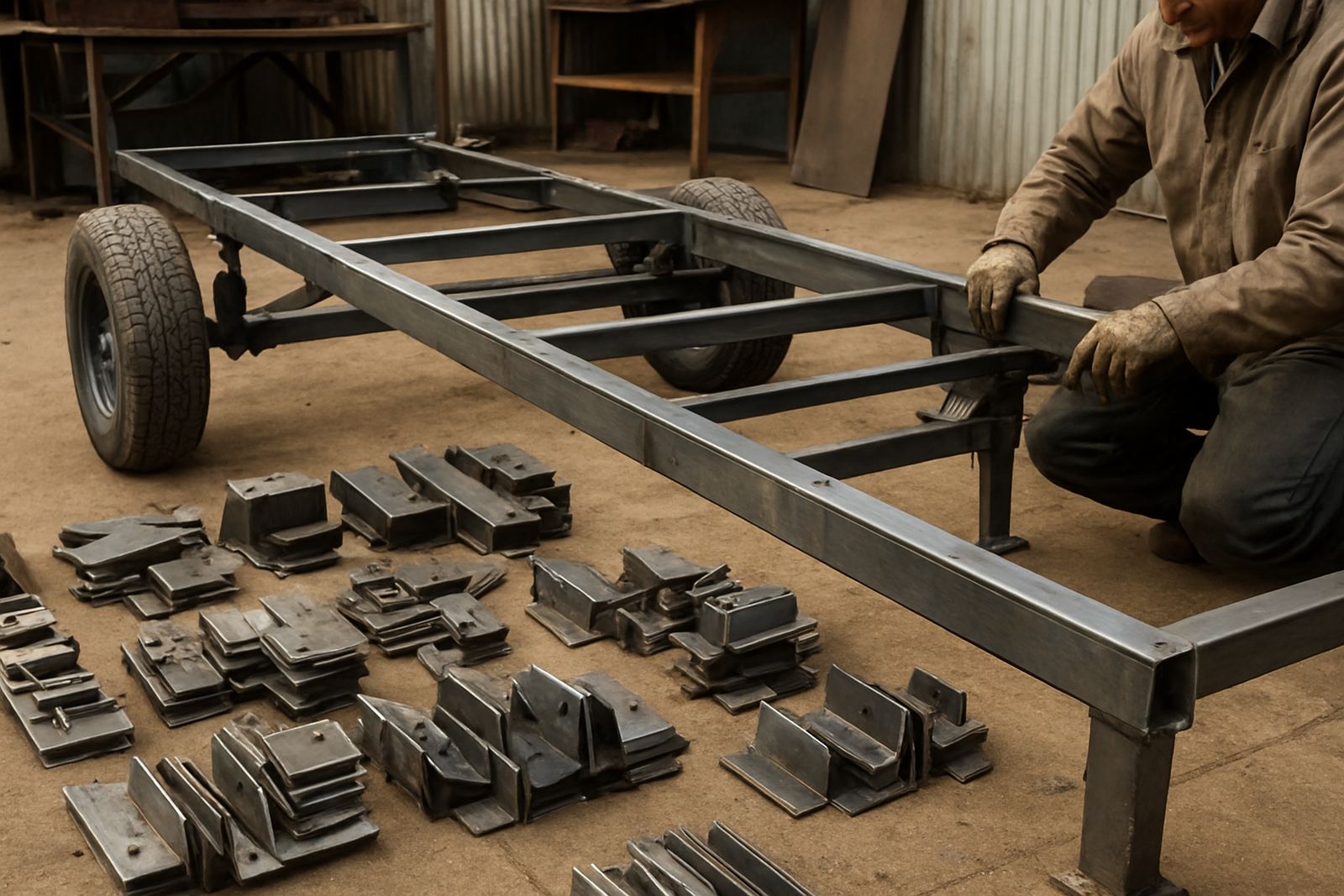
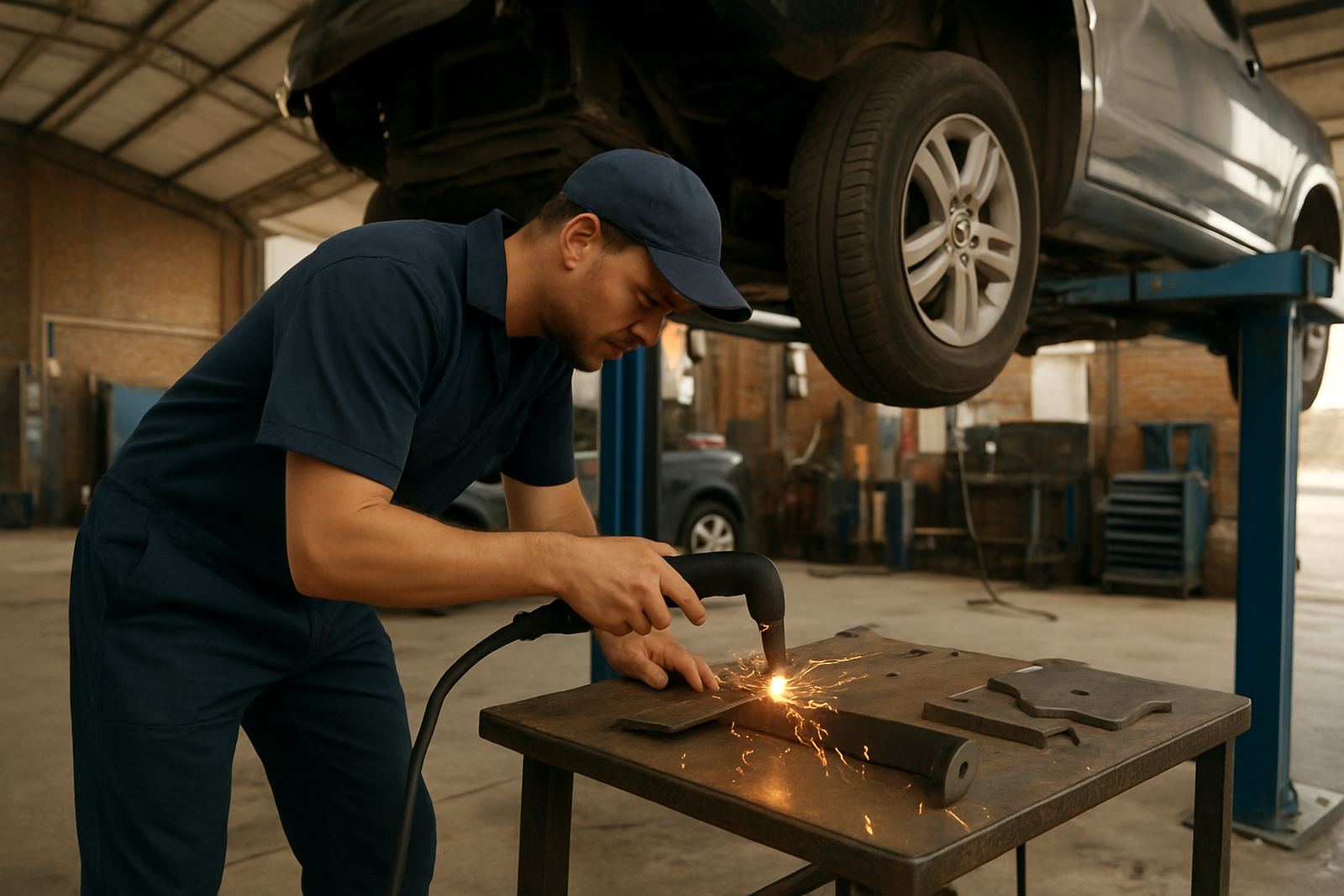
In an automotive workshop, a plasma cutter earns its place when you need repeatable cuts in mild steel, stainless steel or aluminium parts that still need welding or bolting up afterwards. It is especially useful for chassis tabs, brake brackets, exhaust flanges, body repair patches, floor pans, suspension brackets, load box repairs and the odd custom bracket that never comes off a shelf.
For general repair work, a handheld unit is often enough. It lets you cut 3 mm to 12 mm plate quickly, trim rusted sections, open holes for pipe work and remove damaged pieces without spending too much time grinding. For more regular production work, a CNC table gives better pattern control and cleaner edge consistency, which matters on brackets and repeat builds. Many shops in Vereeniging, Vanderbijlpark and Alberton use both, one for the bench and one for the table.
If you work on restoration projects, the biggest gain is fit-up. A cleaner edge means less filing, less rework and less heat distortion before welding. That matters on older vehicles where panel alignment and mounting points are already unforgiving.
Typical equipment set for a small to medium workshop
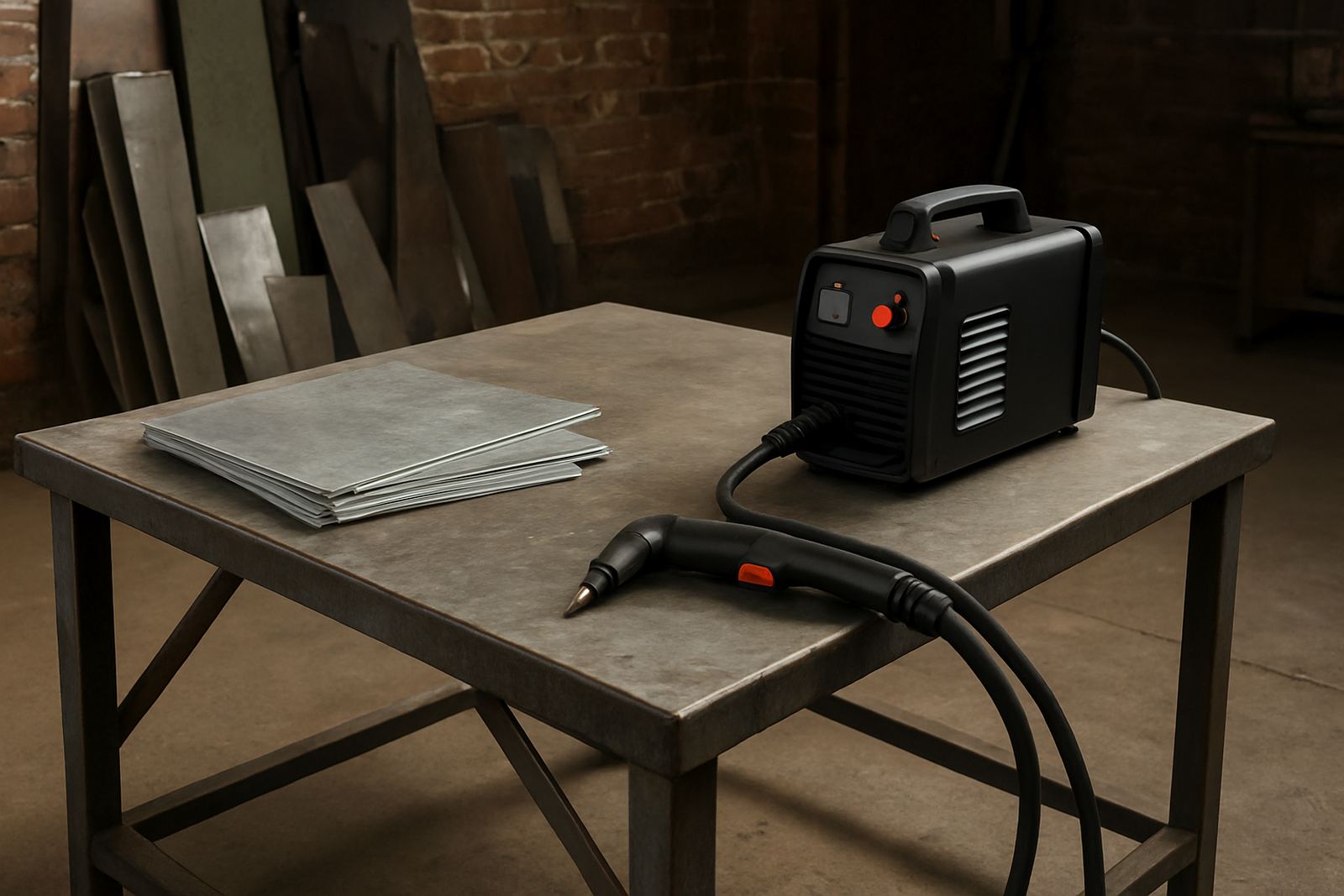
A proper automotive setup does not need to be complicated, but it should be matched to the work you actually do. A 40 A to 60 A handheld plasma cutter is usually enough for most repair and fabrication jobs in a general workshop. If you are cutting thicker plate for roll cages, trailer parts, recovery gear or frequent bracket batches, a 70 A to 100 A machine may be a better fit. For CNC work, table size should suit your common parts, not just the biggest sheet you can find.
- Handheld plasma cutter for trimming, patching and removal work
- CNC plasma table for repeated brackets, panels and templates
- Dry, clean compressed air supply with filtration
- Stable earth connection and proper clamping points
- Spare torch consumables, tips and electrodes on hand
- Extraction or good workshop ventilation for smoke and dust
In South African workshops, air quality is often the weak point. Wet air and oil carry-over shorten consumable life quickly, and on the coast humidity can make it worse. Even inland, a simple filter and moisture trap can save a lot of wasted cutting time. If your compressor already struggles when the load-shedding ends and everything starts up again, it is worth checking duty cycle and recovery time before buying a cutter.
Layout and planning for a busy repair bay
The best layout is the one that keeps the cutter close to the work without getting in the way of welding, grinding and assembly. In a workshop that does repairs daily, the plasma unit should be near a clean bench, away from spray painting and far enough from the compressor line to avoid long air runs. Keep lead routes short and avoid dragging cables through oil, sparks or sharp edges.
For CNC work, give the table a level surface, easy access for sheet loading and enough room to move offcuts safely. A 3 m by 1.5 m table might suit a fabrication shop that cuts brackets and small panels, while larger restoration or trailer work may need a bigger bed. Leave space for a cut-off bin, parts sorting and a flat area for checking dimensions before the next run. If you do exhaust work or custom mounts, make sure there is room to trial fit parts on the vehicle before final welding.
In Vereeniging and surrounding industrial areas, workshops often work under tight space and power limits, so planning around single-phase or three-phase supply matters. The right machine choice can avoid nuisance trips and reduce pressure on other tools in the bay.
Common mistakes that waste time and consumables
Most poor cutting results come from setup issues rather than the machine itself. Dirty air, a weak earth clamp, worn consumables and incorrect standoff height can all leave rough edges, heavy dross and extra grinding. On automotive jobs that means longer turnaround, and on restoration work it can mean damaged original parts that are hard to replace.
Another common problem is choosing too much machine for too little air. A cutter may be rated for the job but if the compressor cannot keep up, the arc becomes unstable and cut quality drops. The same applies to trying to cut thick plate with a light machine and expecting fabrication-grade results. Better to match the cutter to the typical job and keep one heavier unit for the rare bigger tasks.
- Using damp air and skipping the filter check
- Holding the torch at the wrong angle on trim cuts
- Cutting rusty material without cleaning the edge first
- Ignoring consumable wear until arc start becomes unreliable
- Overloading a small compressor in a hot shop
- Skipping test cuts before making a final template
For a workshop that handles customer vehicles, consistency matters. If every bracket comes out slightly different, your welding and alignment time goes up and the final job is harder to invoice fairly.
Budget ranges for automotive cutters and servicing
Budget depends on how much cutting you do, how thick the material is, and whether you need a handheld unit or a CNC setup. For a basic automotive repair workshop, a good handheld plasma cutter usually starts around R15 000 to R30 000, with better output, cleaner arc control and stronger duty cycle pushing into the R35 000 to R60 000 range. If you need a CNC table for repeat production, budget from about R120 000 upwards depending on table size, drive system and height control.
It is also wise to set aside money for installation, compressed air improvements, training and initial consumables. A new workshop often forgets those items, then wonders why the first month costs more than expected. A sensible first-year allowance for service and wear items can be anything from R5 000 to R20 000 for a small setup, more if the machine is in daily use.
For used or higher-hour equipment, ask about torch condition, power source repairs, cable wear and whether the machine has been kept in a dry store room. In coastal or dusty areas, neglected machines can cost more to restore than to buy properly the first time.
Support for workshops, restorers and custom builders
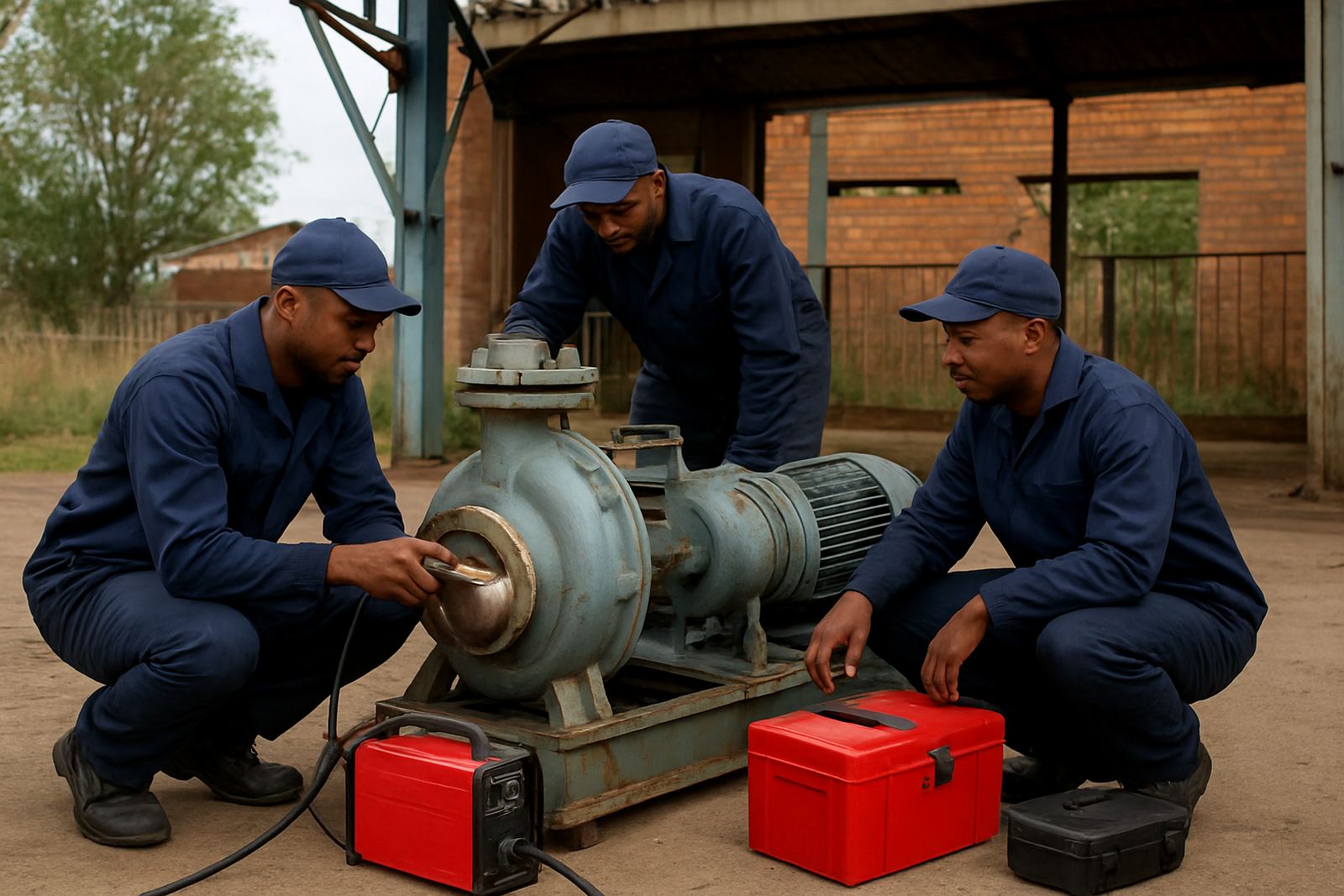
Automotive work rarely stays neat and predictable. One week it is a set of exhaust repairs in Meyerton, the next it is custom mounts for a project car in Sasolburg or chassis tabs for a rebuild in Bloemfontein. That is why practical support matters. PlasmaCutter assists with torch repairs, power source repairs, preventive maintenance, consumables checks, air system inspection, CNC table servicing, height control calibration, on site breakdowns, machine commissioning, operator training, spares supply and cut quality audits.
For workshops that want fewer stoppages, regular checks are usually cheaper than waiting for a breakdown. A quick service can catch poor air supply, worn torch parts or calibration drift before it starts affecting every cut. If you are training a new operator, the first few hours should focus on edge quality, pierce technique and safe handling around vehicles, fuel lines and paint. Small habits make a big difference and save money fast.
Whether you are cutting a rust repair on a daily driver or producing repeat brackets for a restoration batch, the aim is the same: clean parts, less grinding and a quicker path to welding and assembly.