
Trailer work that needs the same cut every time
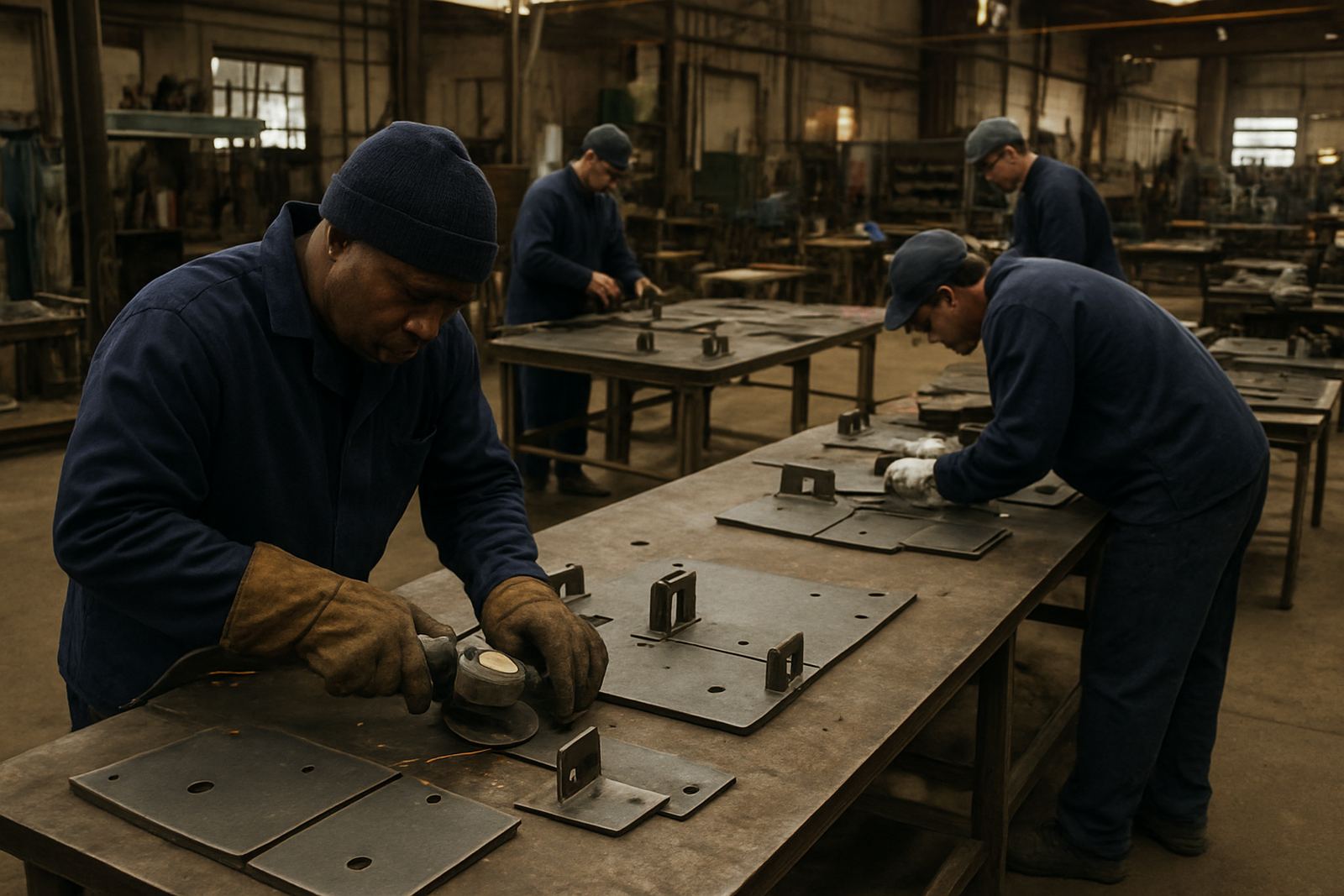
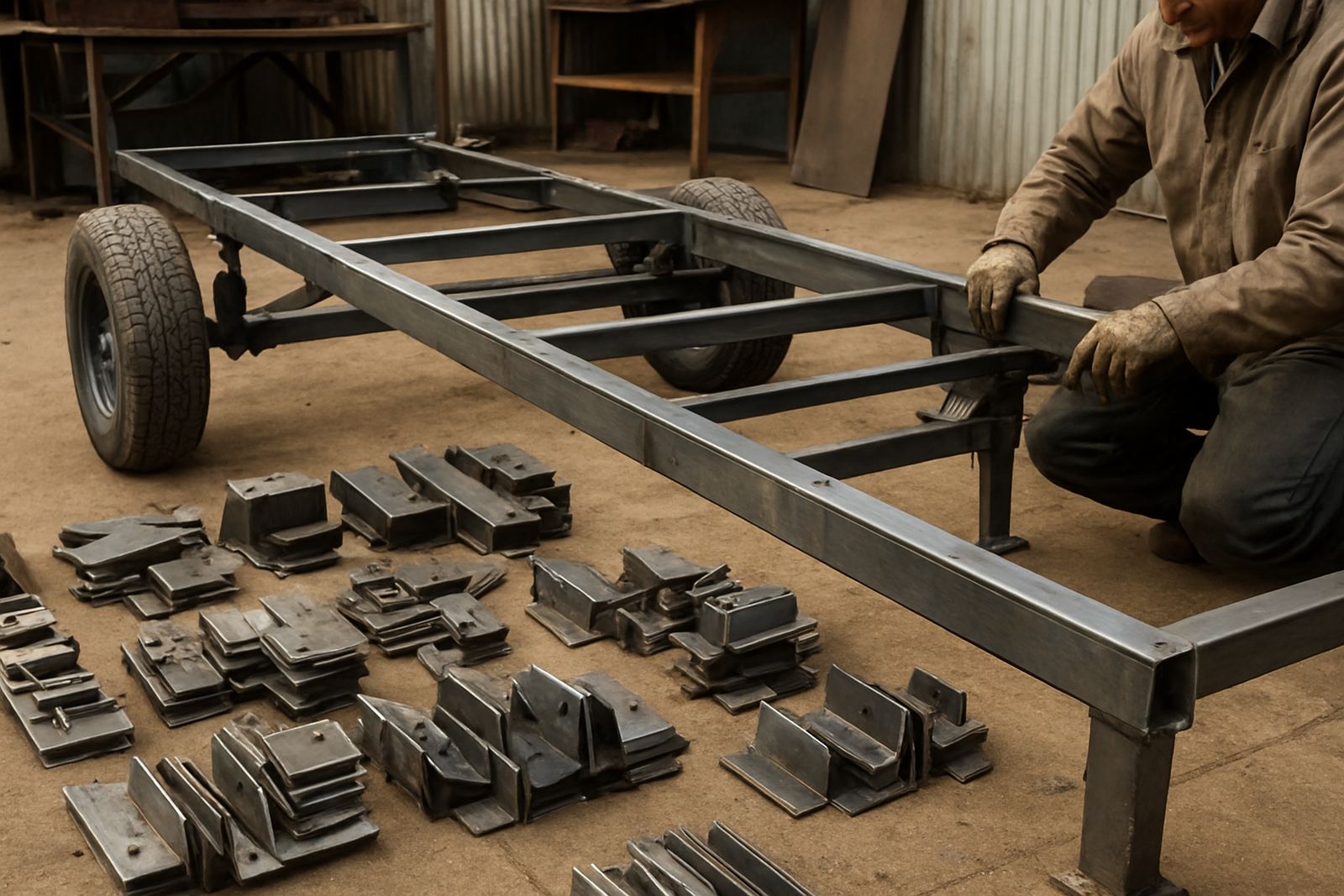
Trailer builders work with steel plate, angle, box section and flat bar all day, so a cutter has to handle short runs, repeat parts and awkward repair jobs without slowing the shop down. Gussets, spring hangers, drawbar brackets, chassis plates and body mounts all need clean edges and consistent hole sizes if the trailer is going to line up properly at assembly.
For a workshop in Vanderbijlpark, Meyerton or Sasolburg, the usual pressure is not just speed. It is accuracy after a busy week, plus the ability to keep going when the power is off or the air line is not ideal. A suitable plasma setup helps reduce grinding time, keeps weld prep neater and gives better repeatability when you are cutting the same part ten or twenty times.
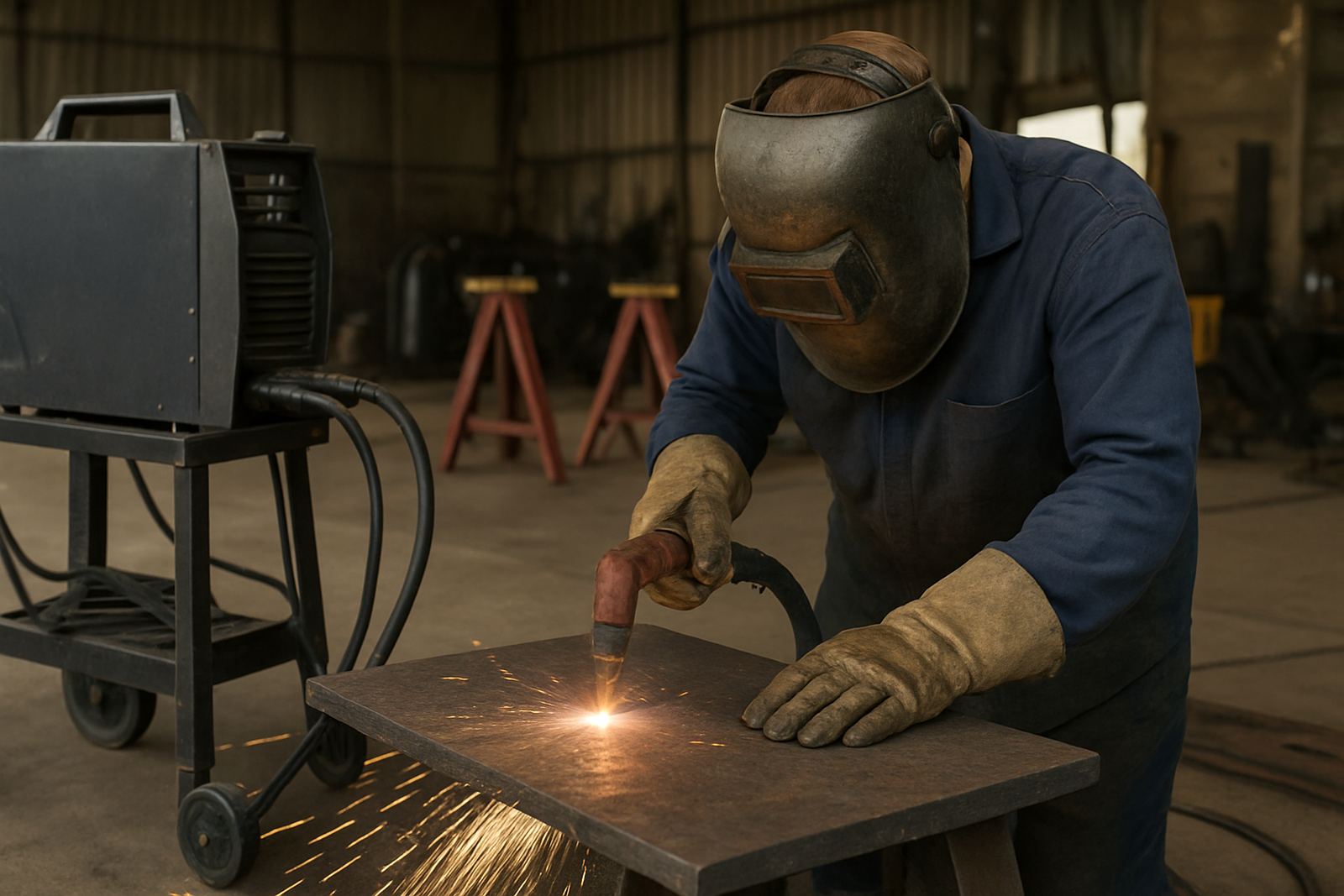
Plasma cutters are well suited to trailer shops because they cut mild steel quickly and handle mixed jobs, from repair patches to production brackets. You can use them for site repairs, batch cutting and CNC work depending on your setup.
Typical equipment set for a trailer workshop
The right set depends on whether you are repairing one-off utility trailers or building a small run of plant, car transporter or livestock trailers. Most workshops start with a handheld unit for daily use, then add CNC cutting when the volume grows.
- Handheld plasma cutter for repair work, tabs, brackets and offcuts
- CNC plasma table for gussets, side plates, floor supports and repeat chassis parts
- Clean compressed air supply with filtration and water separation
- Suitable cutting consumables matched to steel thickness
- Height control for steadier cut quality on plate work
- Extraction or good ventilation for enclosed shops
In many Vereeniging and Alberton workshops, the handheld unit does most of the day to day work while the CNC table handles repeat batches. If your work is mainly repair based, a compact unit with a stable air system may be enough. If you cut the same pattern often, CNC starts paying for itself very quickly.
Layout and planning that saves time on the floor
Trailer builders usually work in a tight space with welding, grinding, measuring and cutting happening close together. That means the cutter needs to fit the flow of the shop rather than sit in a corner and slow everyone down. Good planning makes a real difference to output and safety.
For handheld work, keep a cutting bay close to the steel rack and the welding benches, but away from finished paint and upholstery areas. For CNC, allow enough room for loading plate, stacking cut parts and moving scrap out without crossing the main work path. In Bloemfontein and Welkom, where many workshops also handle outdoor repairs, dust control and cable management matter just as much as cutting speed.
- Leave clear access around the table for sheet handling
- Keep the air system dry and easy to service
- Place consumables near the machine so operators do not waste time looking for parts
- Allow for load-shedding by planning generator or inverter support where needed
- Use proper earth connections and safe cable routing in wet or coastal conditions
A small setup can work very well if the layout is sensible. A bad layout turns every cut into extra walking, more mistakes and unnecessary wear on the equipment.
Common mistakes that cost money in trailer production
One of the biggest mistakes is buying a machine only on cutting thickness and ignoring the air supply. If the compressor is too small or the air is wet, cut quality drops fast. That means more dross, more clean-up and more time on the grinder.
Another issue is using the wrong consumables for the job. A trailer shop often cuts thin material in the morning and heavier plate later in the day. If the nozzle and electrode choice is wrong, the arc becomes unstable and the edge quality suffers. Poor maintenance also shortens torch life, especially in dusty shops or in coastal humidity where corrosion can creep into connectors and fittings.
We also see workshops overspend on a large CNC machine before sorting out their parts flow. If operators are still marking by hand on the floor and waiting for steel to arrive in odd sizes, the table sits idle. Start with the way the work moves through the shop, then match the cutter to that flow.
Budget ranges for South African trailer builders
Budget depends on whether you need a handheld cutter for repair work or a CNC setup for production. A practical entry-level handheld package for a small workshop can start from about R18,000 to R35,000 depending on output and torch setup. Mid-range units for regular trailer fabrication often sit between R35,000 and R75,000.
For CNC plasma cutting, a small table package can begin around R120,000 to R250,000, while larger systems with height control, better motion components and stronger production capacity can move well above that. You also need to budget for air preparation, consumables, table setup, operator training and possible electrical work. Many workshops forget those items and then the project ends up costing more than planned.
If you are in Germiston, Sasolburg or Vanderbijlpark and building trailers for steady orders, it is often better to plan the full setup properly once rather than patch the workshop in stages. That usually gives better value over two or three years.
Support for demos, servicing and operator training
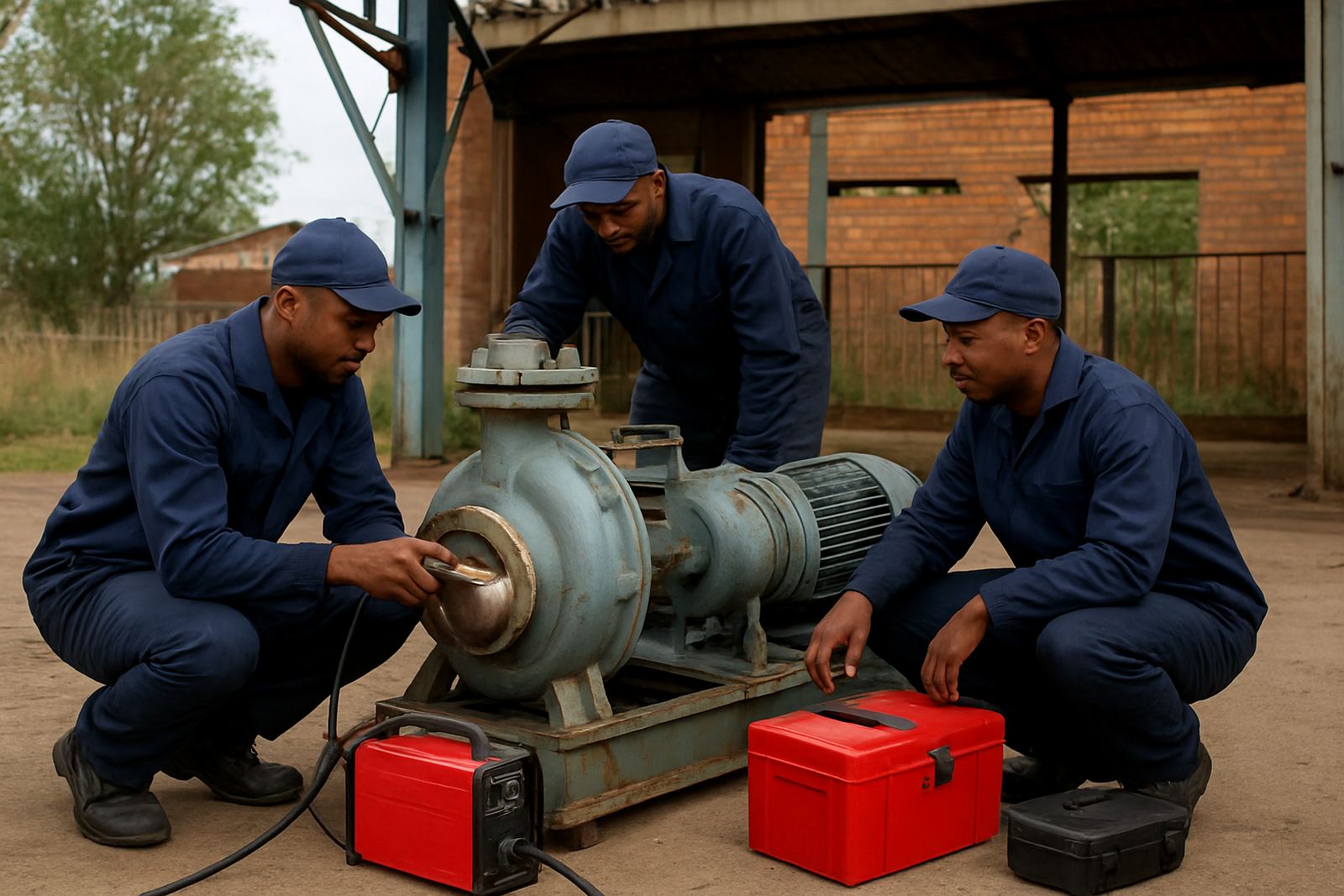
Trailer shops need more than a machine drop-off. They need guidance on setup, cut quality, torch use and basic maintenance so the team can keep production moving. PlasmaCutter provides demos and servicing across Gauteng and the Free State, with work support from our Vereeniging base and visits into towns such as Alberton, Meyerton, Vanderbijlpark, Sasolburg, Germiston, Bloemfontein and Welkom.
Our services for trailer builders include torch repairs, power source repairs, preventive maintenance, consumables checks, air system inspection, CNC table servicing, height control calibration, on site breakdowns, machine commissioning, operator training, spares supply and cut quality audits.
That support matters when a workshop is trying to meet delivery dates and cannot afford a machine to sit idle. A quick inspection can usually pick up worn consumables, poor air quality or alignment issues before they become a full stoppage.