When plasma cutting makes sense in a fabrication shop
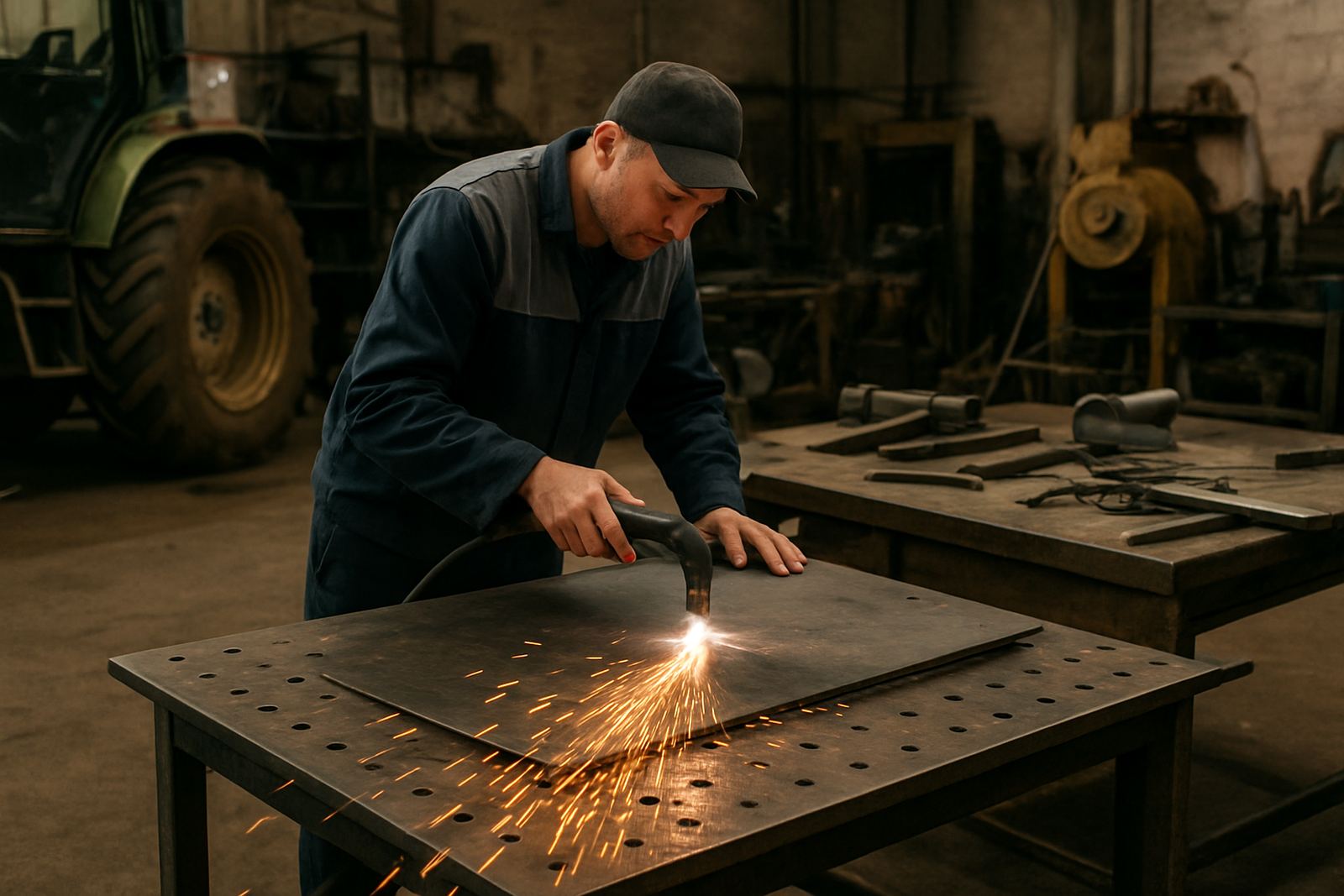
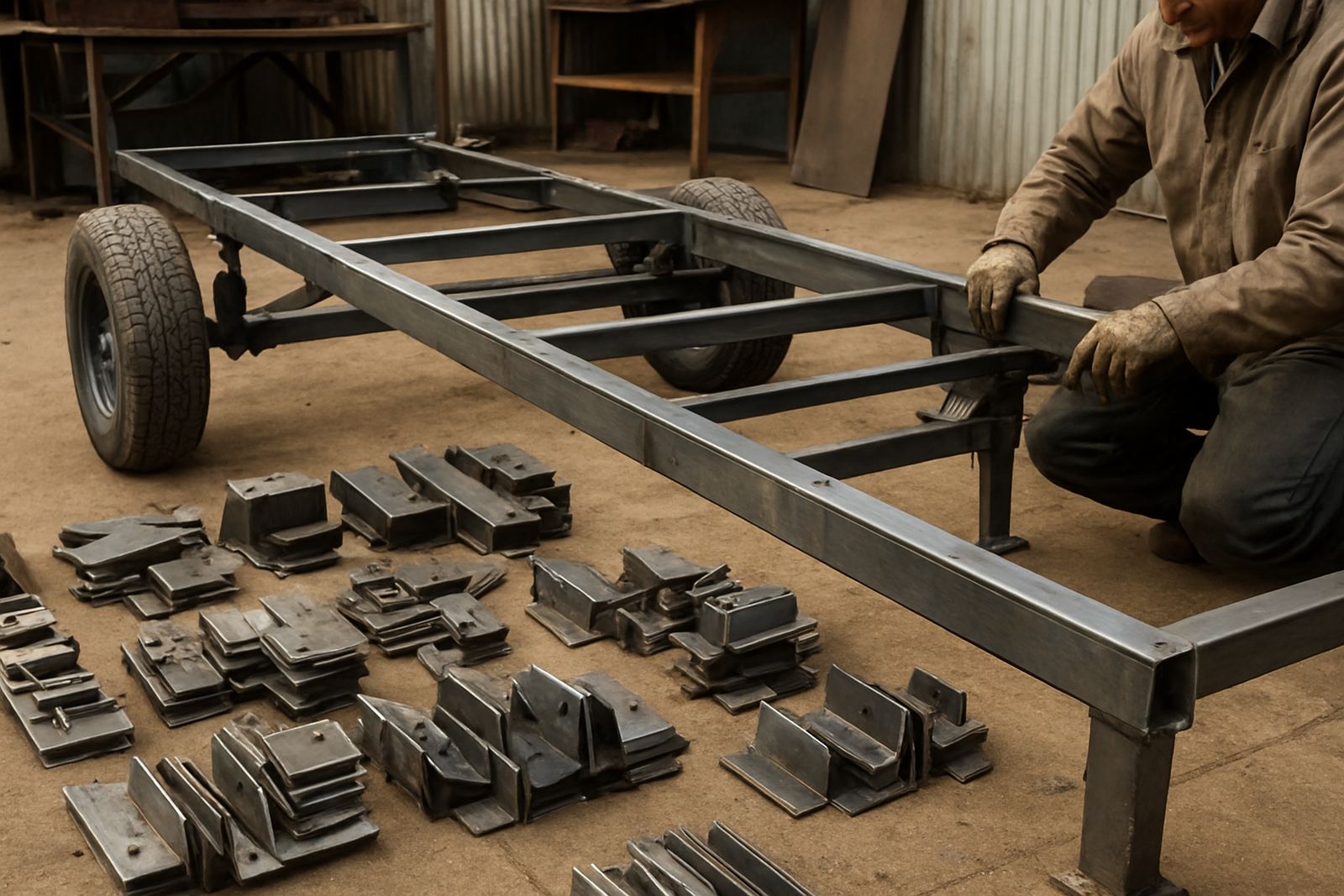
If your shop is cutting mild steel for brackets, gussets, flanges, repair plates or small frame parts, a plasma cutter usually fits better than hand sawing or waiting on outside cutting. It handles short runs well, deals with irregular shapes, and keeps the fitter moving when drawings change at short notice. In Vereeniging, Vanderbijlpark, Alberton and Germiston, many workshops use plasma for work that needs to go out same day, especially when the client wants holes, slots or repeated profile cuts without long lead times.
It also helps when load-shedding has already interrupted the day and the team needs a machine that can be brought back into service quickly once power is stable again. For smaller shops, the main choice is often between a hand torch setup for flexible site and workshop use, or a CNC table for repeat cutting and better consistency on batches.
- Good for mild steel brackets, repair plates, tabs and light fabrication
- Useful where turnaround matters more than very slow manual cutting
- Fits shops doing one-offs, small batches or repeat parts
- Works well for general fabrication, automotive repairs and maintenance jobs
Choosing handheld or CNC for your day-to-day work
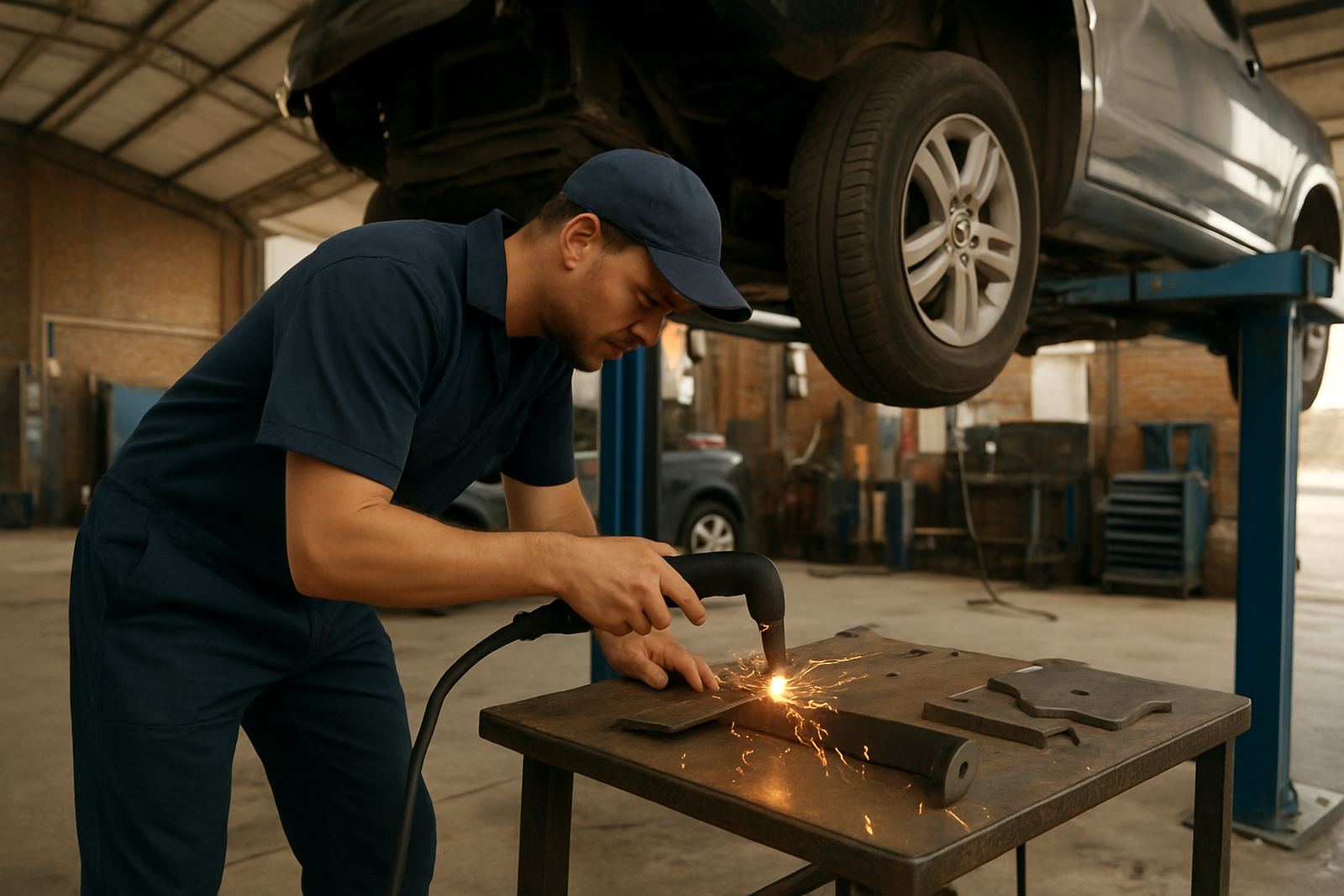
A handheld unit suits teams that move between the workshop, yard and site work. It is practical for repair crews in Sasolburg or Meyerton that need to trim, bevel or cut plate on location. A CNC table is the better choice when you are cutting the same parts again and again, or when the work needs tighter repeatability for brackets, machine guards, frames and panel parts. If the shop is running several jobs at once, CNC also helps reduce waste because the nesting is planned before the first cut is made.
The right set depends on plate thickness, duty cycle, available floor space and the level of operator skill on the shift. For a small fabrication bay, a compact handheld system may be enough. For a busier operation in Bloemfontein or Welkom, a table with height control and proper extraction often pays its way quicker than expected.
- Handheld units: better for site repairs, one-off work and mixed tasks
- CNC tables: better for repeat parts, cleaner edges and batch work
- Height control: useful for stable cut quality and longer consumable life
- Air supply: dry, clean air matters more than many first-time buyers expect
Planning the bay before you install the cutter
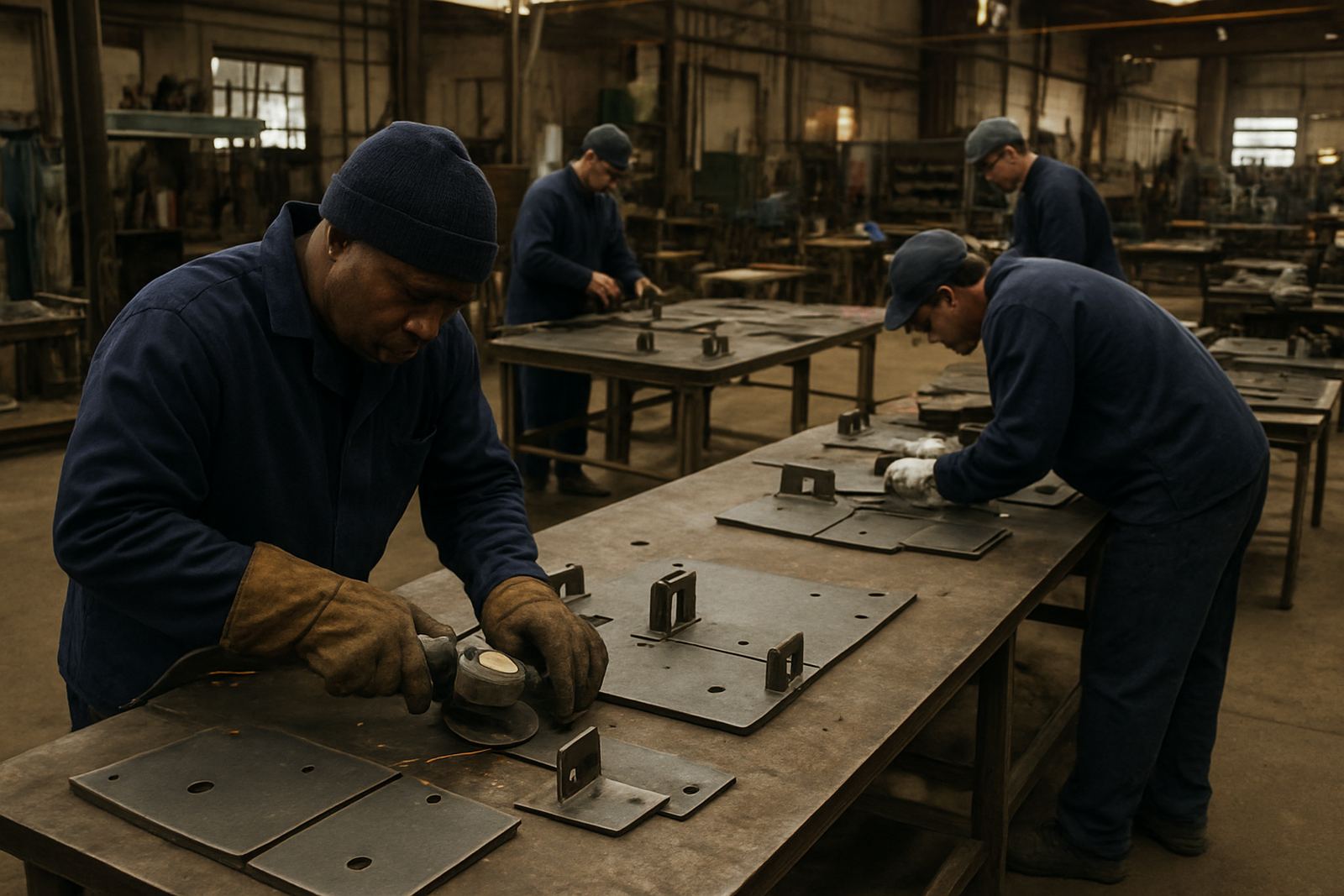
A good layout saves time every shift. Leave enough space around the cutting area for sheet handling, offcut sorting and safe torch movement. The operator should not have to walk around the table every few minutes to fetch plate or shift a clamp. In shops with limited floor space, a straight material flow from storage to cutting to grinding helps keep work moving without clutter.
Think about power quality, compressed air routing and where the fume extraction will discharge. In industrial areas around Germiston and Alberton, dust and workshop dirt can shorten component life if the machine sits too close to grinding stations. Coastal humidity is not the issue in Gauteng, but damp air and poor drainage around the compressor room can still affect the air system. If the shop has frequent voltage dips, plan for protection so the machine and control components are not taking unnecessary strain.
For a CNC table, make sure the floor is level enough for accurate torch travel and that the operator can load sheets safely. Keep consumables, nozzles and spares in a dry cabinet, not on the side of the machine where grinders and steel offcuts will knock them about.
Typical fabrication mistakes that waste cut quality
Most poor cutting results come from setup, not from the machine alone. Dirty air, worn consumables, poor earth connection and rushed torch handling all show up on the edge of the cut. A shop may blame the cutter, but in many cases the issue is as simple as moisture in the air line or a torch that has not been checked since the last busy week.
Another common problem is choosing a machine that is too small for the job. A unit bought for thin plate will struggle if the workshop later starts cutting heavier material day after day. The same applies to operator training. If the team is guessing on pierce height, travel speed or torch angle, the shop loses time and the consumable bill rises fast. On CNC tables, bad nesting or skipping calibration can cause cut size errors that only show up during assembly.
- Wet or dirty compressed air
- Loose work clamp or poor earthing
- Consumables used past their useful life
- Incorrect travel speed and pierce settings
- Skipping height calibration on CNC tables
Budget ranges for metal fabrication shops
Budget depends on whether you need a portable cutter for workshop repairs or a full CNC cutting set for daily production. As a broad guide, smaller handheld systems for general fabrication can start from about R25 000 to R60 000, depending on output and torch setup. Mid-range workshop units often sit between R60 000 and R120 000 when you need better duty cycle and steadier performance. CNC cutting tables, including controls and height management, can range from around R180 000 to R600 000 or more based on table size, drive system and the kind of production you are running.
It is worth budgeting for consumables, air treatment, spares and training from the start. A cheap machine that burns through tips, or a table that needs frequent stoppages, costs more over a year than many buyers expect. For shops in Vereeniging, Vanderbijlpark and Sasolburg, the practical question is often not just the purchase price but how much downtime the cutter will save over twelve months.
Keep a reserve for service items such as torch parts, height control components and air system maintenance. That way, one breakdown does not stop the whole cutting bay.
Support that keeps the cutting bay productive
PlasmaCutter supports fabricators with torch repairs, power source repairs, preventive maintenance, consumables checks, air system inspection, CNC table servicing, height control calibration, on site breakdowns, machine commissioning, operator training, spares supply and cut quality audits. That matters in a fabrication shop because most losses happen when small faults are ignored until they become shutdowns. A loose connection, dirty air filter or worn torch part can hold up a full day’s work.
The team works from the Vereeniging base and assists clients across Gauteng and the Free State, including Bloemfontein and Welkom. For a new installation, commissioning and training help the operators get consistent results from the first week. For existing workshops, a cut quality audit can show where the torch is drifting, where the air system is under pressure, or why the edge is coming out rough on thicker plate.
- Servicing for handheld and CNC systems
- Site breakdown assistance for urgent stoppages
- Training for operators and supervisors
- Consumables and spares guidance for planned upkeep