When Marine Repairs Need Plasma Cutting
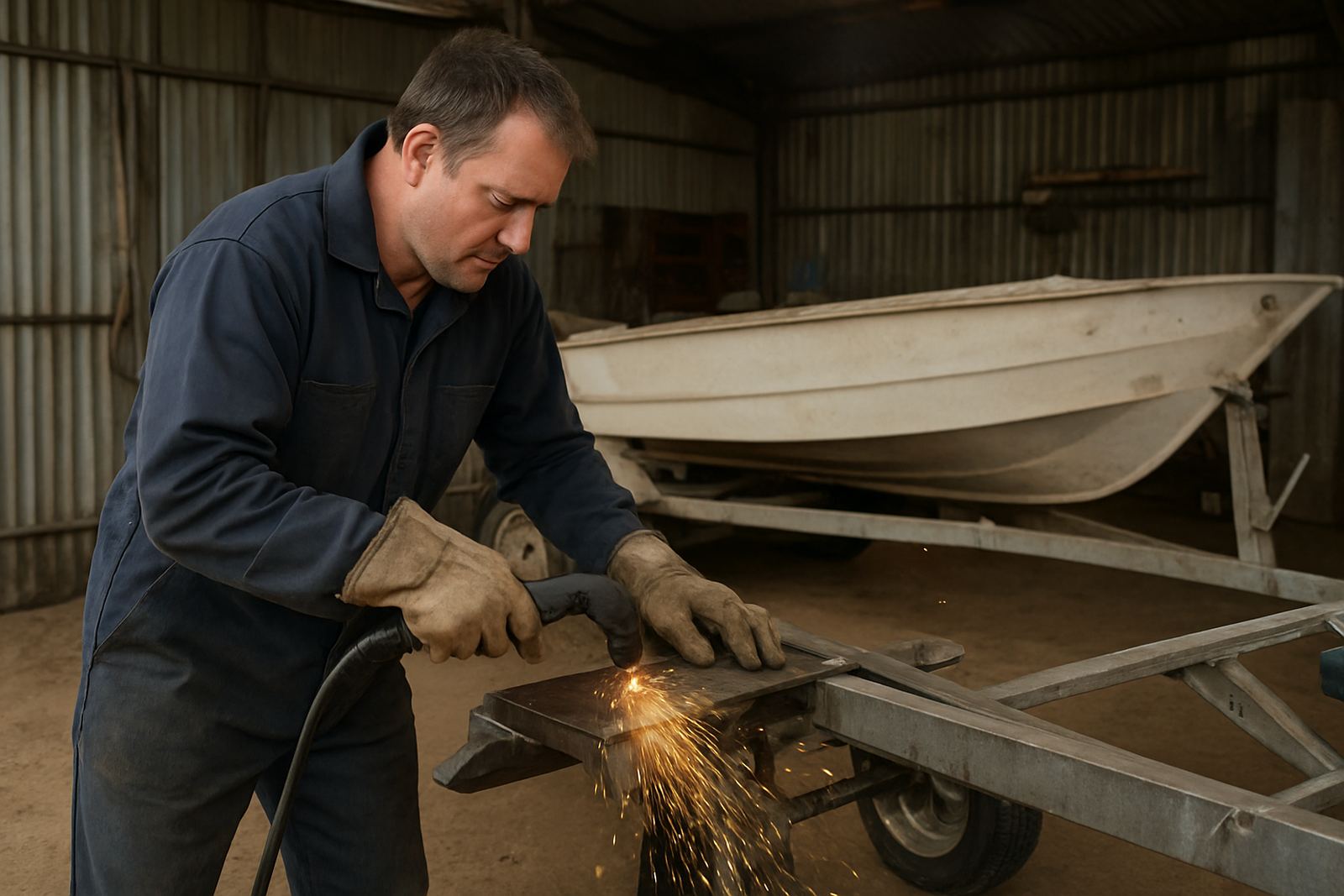
Marine repairs usually start with corrosion, cracked brackets, worn tow eyes or damaged deck fittings. On aluminium pontoons and steel trailers, the job is often less about heavy fabrication and more about accurate repair work around thin material, tight corners and awkward mounting points. A handheld unit is handy for quick strip-outs, while CNC cutting helps when you need repeat parts like gussets, side plates and mounting tabs.
In Vereeniging, Vanderbijlpark, Sasolburg and Alberton, many workshop teams repair utility craft that work near dams, rivers or on transport routes where road salt and moisture cause extra wear. The trick is to cut only what is needed, keep heat under control and avoid distorting the structure. A poor repair can leave a trailer pulling crooked or a pontoon frame out of line.
Typical Equipment Set For Workshop And On-Site Work
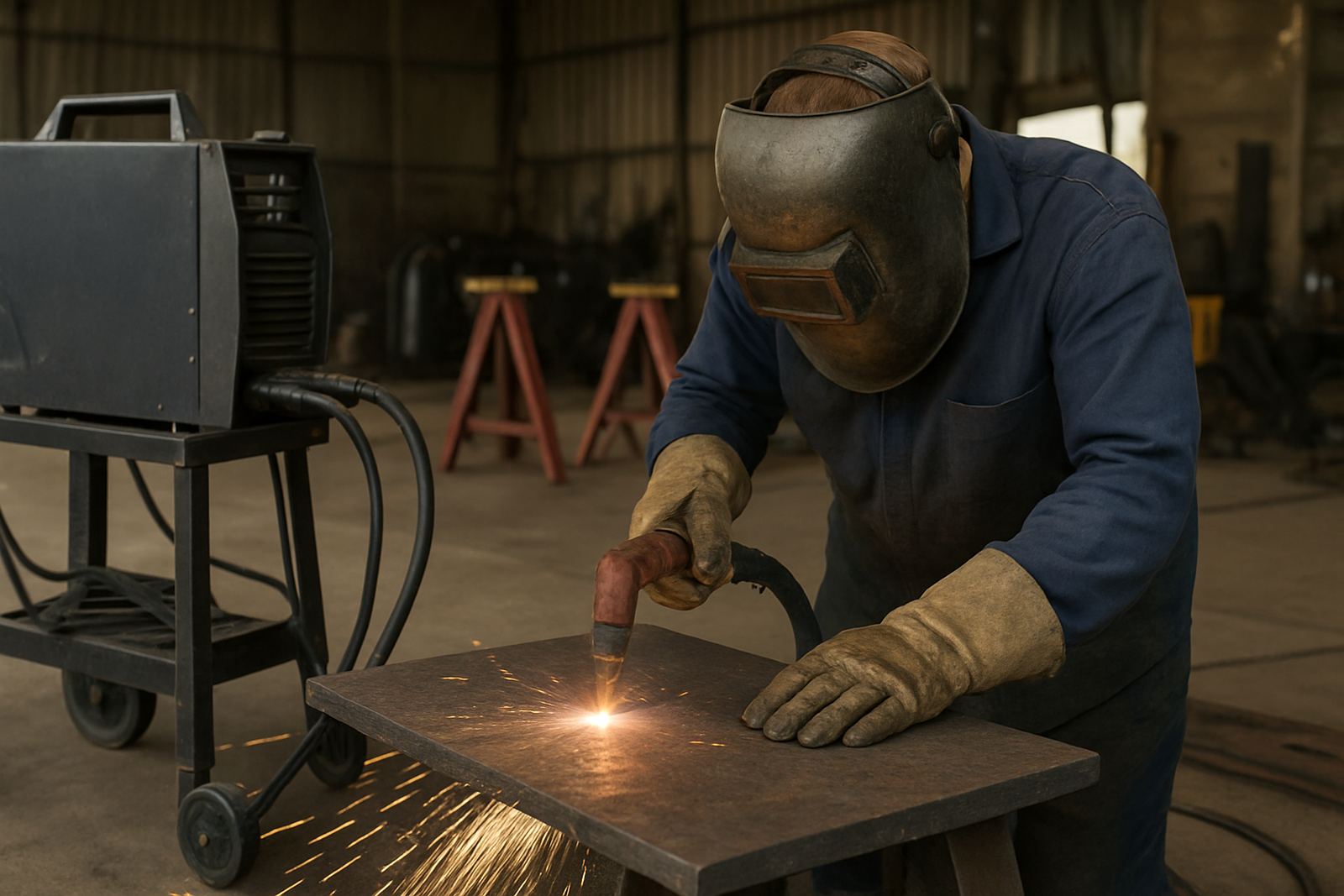
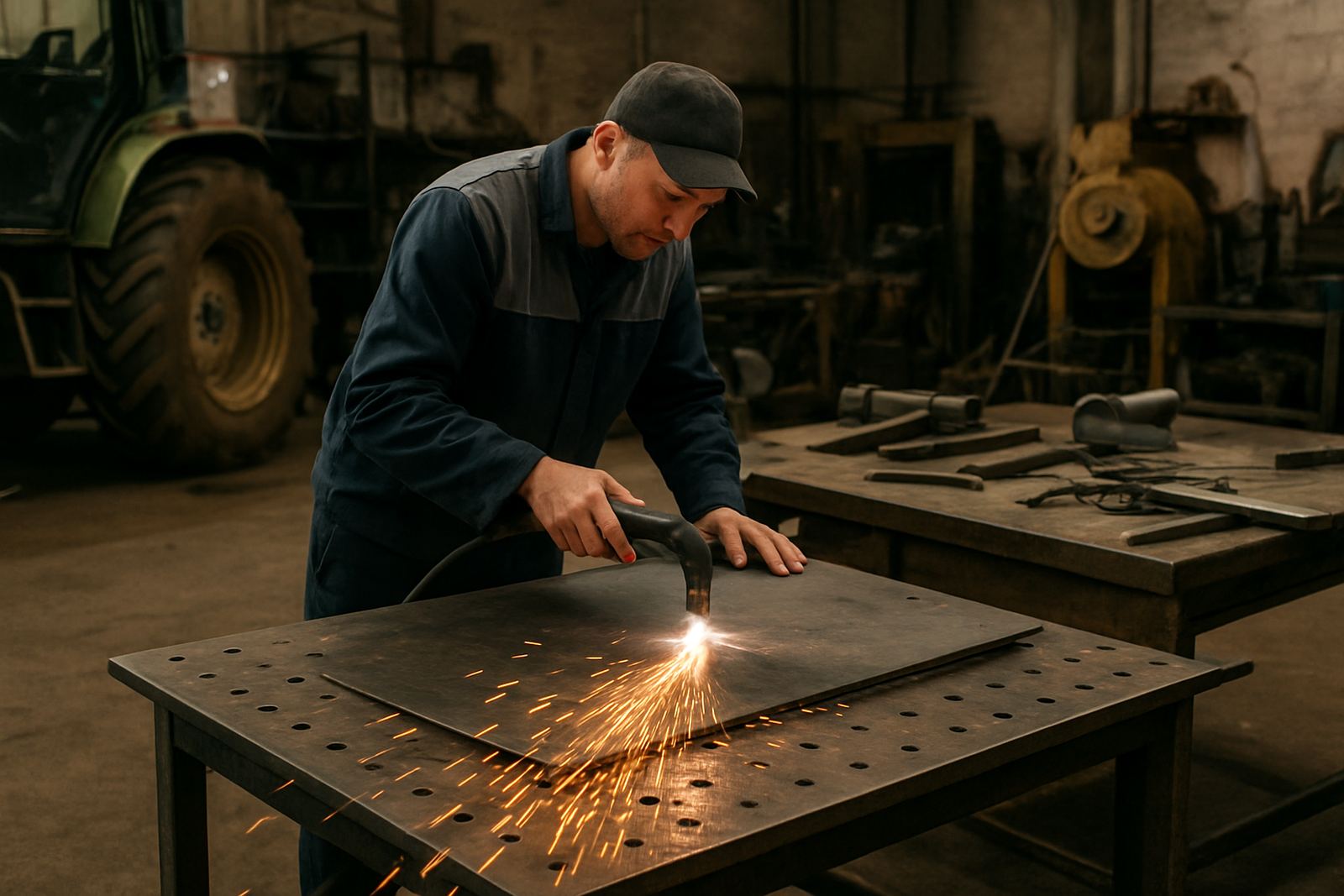
For marine repair jobs, most teams use a compact mix of handheld and table-based equipment. The exact set depends on whether you are replacing small brackets or cutting full side sections. In a busy Gauteng or Free State workshop, that usually means a machine that can run steadily on site power, plus a clean air supply and basic measuring tools.
- Handheld plasma cutter for strip-outs, patch removal and bracket cuts
- CNC plasma table for repeat plates, gussets and fit-up parts
- Dry air system to help protect the torch and improve cut finish
- Height control calibration for cleaner edges on plate work
- Consumables checks to reduce arc issues and uneven cuts
- Spare torch parts for busy repair periods and breakdown callouts
For coastal or humid conditions, keep the machine stored off the floor and away from open wash areas. Moisture in the air can cause extra wear on consumables, so a basic inspection of the air line and filter setup goes a long way. If your workshop also does automotive or trailer work, one properly managed plasma set can cover a lot of repair tasks without needing a large footprint.
Layout And Planning Tips For Cleaner Repairs
Good layout planning saves hours later. Before any cut, mark the repair zone, measure the replacement section and check how the part ties into the rest of the frame. On pontoons, make sure access is sorted before the first cut because internal spaces often leave little room for rework. On trailers, look at weld access, wheel clearance and the position of rollers, guides or lights.
When you are setting up a marine repair bay, leave space for a safe work path around the craft and enough room for the operator to move sheets, clamps and brackets. If you are cutting near painted surfaces or seals, protect the surrounding area first. A simple bench for measuring and marking helps too, because marine jobs often need several small parts cut to the same size.
- Measure twice on curved or tapered sections, especially on pontoon skins
- Keep replacement plates slightly oversize until fit-up is confirmed
- Use clamps and supports to hold thin material flat during cutting
- Allow for re-welding, grinding and corrosion protection after the cut
Common Mistakes That Cost Time And Money
The most common mistake is cutting too fast and leaving a rough edge that needs extra grinding. Another is assuming all marine plate is the same thickness. In practice, trailers, pontoons and utility craft can have different wall sizes, mixed repairs and old welds that behave differently under heat. A machine that is poorly set up will show this immediately with slag, taper or poor edge quality.
People also underestimate the effect of air quality. Wet air and dirty lines can shorten consumable life and make the cut unstable. That becomes expensive when a repair team is working under pressure in a yard or at a launch site. Another error is skipping a full inspection of hidden damage. A small visible crack may actually be linked to a bent support or corroded mounting point behind it.
Finally, do not rush the finishing stages. After cutting and welding, marine repairs still need grinding, cleaning and coating so the metal does not start rusting again. On aluminium jobs, correct prep matters just as much. A good cut is only the first part of a proper repair, not the whole job.
Budget Ranges For Marine Repair Work In Rand
Budget depends on whether you are doing light patch work or a full section replacement. For a small workshop handling trailer and pontoon repairs, a practical handheld setup starts at roughly R25 000 to R60 000 depending on duty cycle, torch setup and accessories. A CNC table for repeat repair parts can range from about R95 000 to R280 000, with the final figure shaped by size, height control and air handling.
Running costs matter too. Consumables for cutting and torch maintenance should be budgeted every month, especially if the team works through winter rushes, municipal downtime or load-shedding gaps. For service planning, set aside funds for preventive maintenance, air system inspection and occasional power source repairs. That usually works out cheaper than losing a day to avoidable breakdowns.
If you are pricing a marine repair bay, do not only count the machine. Add clamps, extraction, marking tools, storage, spares and training. A lean operation can start well under R100 000 for basic repair work, while a more complete fabrication and repair setup can move well past R300 000 once CNC and support gear are included.
Support For Workshops In Gauteng And The Free State
PlasmaCutter supports marine repair teams from Vereeniging with demos and servicing across Gauteng and the Free State, including Vanderbijlpark, Sasolburg, Meyerton, Alberton, Germiston, Bloemfontein and Welkom. That matters when a repair bay cannot wait for long turnaround times on a torch fault, power issue or calibration problem. On-site breakdown support, machine commissioning and operator training help keep the work moving.
For marine repair clients, our team also helps with torch repairs, preventive maintenance, consumables checks, air system inspection, CNC table servicing, height control calibration and cut quality audits. Marius van der Merwe oversees the business, with Kgomotso Mhlongo handling sales, Johan Botha leading technical support, Phenyo Diale coordinating customer support, Ruan Visser handling field service and Naledi Selebalo managing training and demos. If your workshop is building a better repair process for trailers, pontoons or utility craft, the first step is usually a proper look at the actual work flow and the parts you cut most often.