
Steelwork jobs that need fast, clean cutting
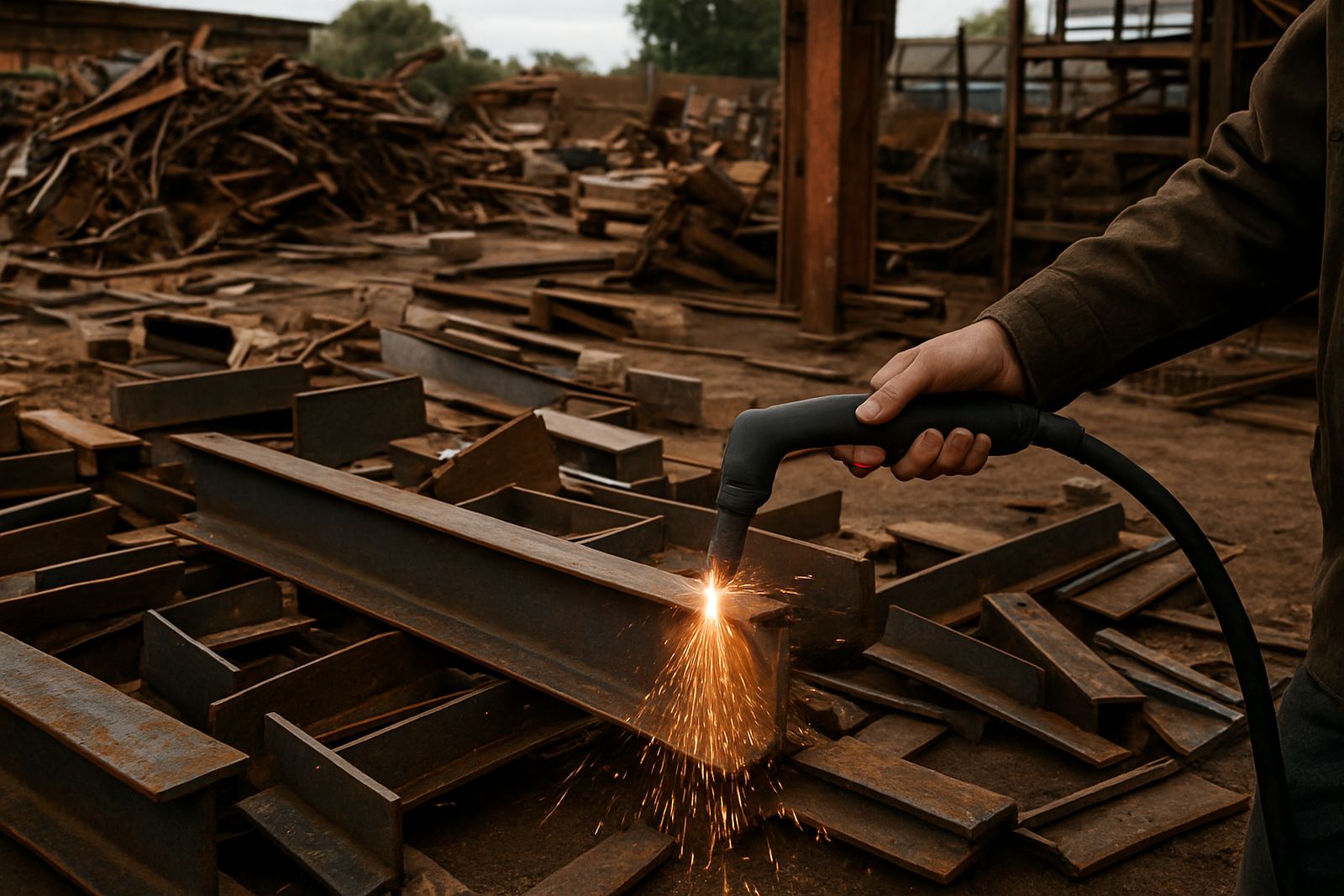
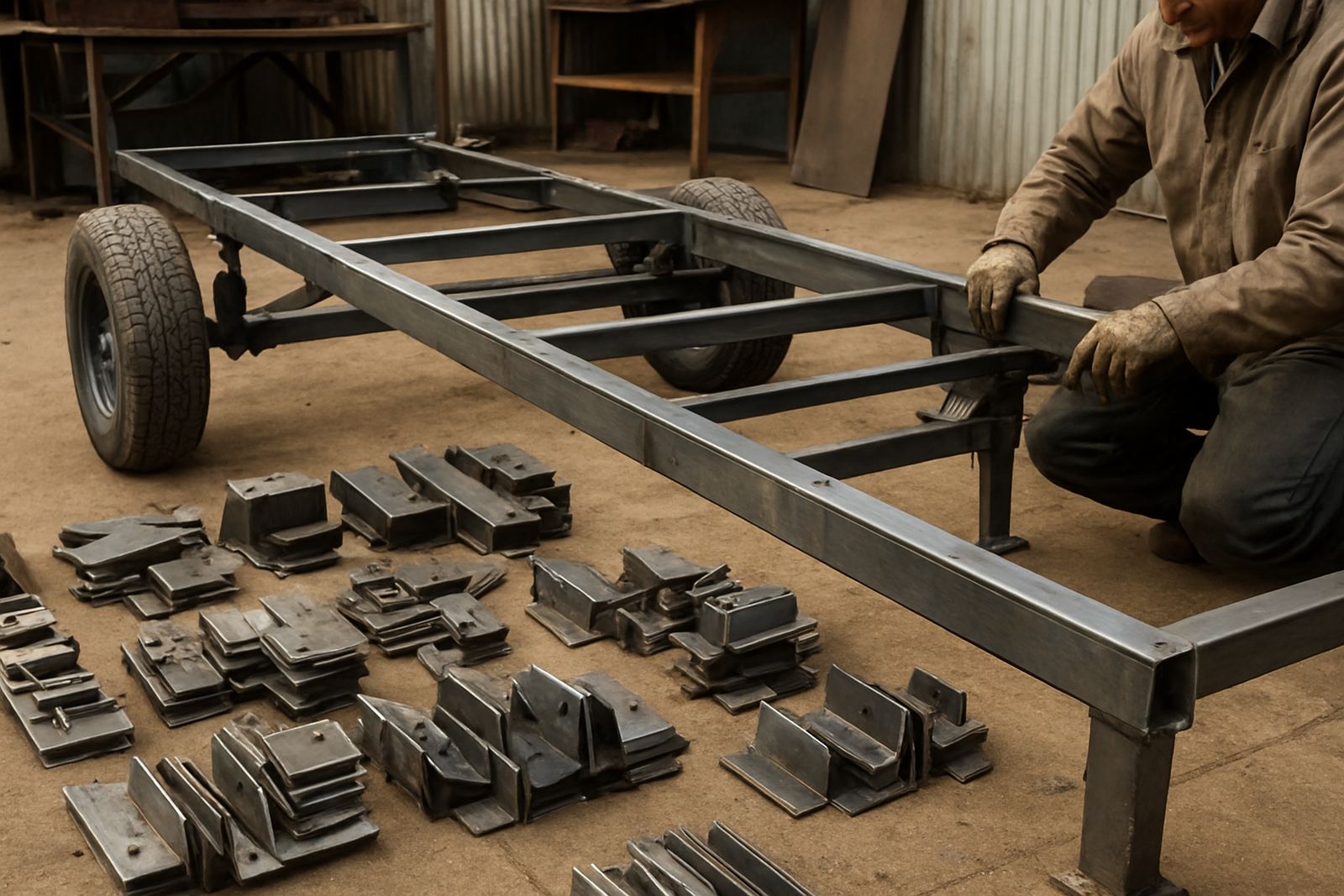
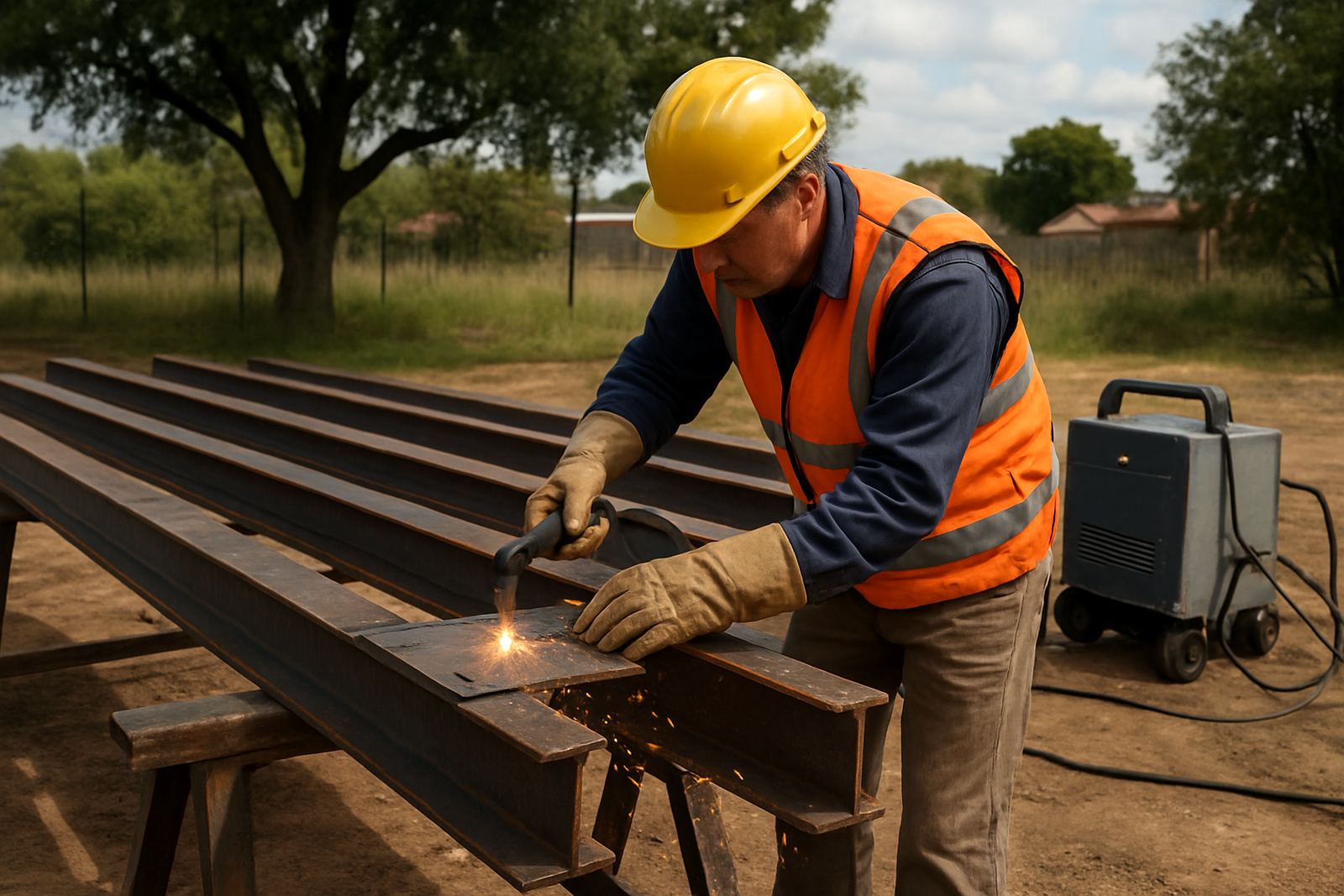
On construction projects, plasma cutting is often used for site prep, steel fitting and component trimming before lifting, bolting or welding. It suits beams, brackets, gusset plates, pipe, angle iron, flat bar and base plates, especially where teams need accurate cuts without dragging material back to a workshop.
For contractors working in Vereeniging, Vanderbijlpark, Sasolburg, Meyerton, Alberton, Germiston, Bloemfontein and Welkom, the main need is simple: a cutter that gives repeatable results on mild steel, can move between sites, and does not need constant fussing. That matters when crews are under time pressure and the steel arrives late or changes on the day.
- Site prep for structural frames and mezzanine work
- Fitting plates, cleats, holes and edge trims
- Cutting repair sections and replacement members
- Making quick adjustments after measuring on site
Typical equipment set for construction crews
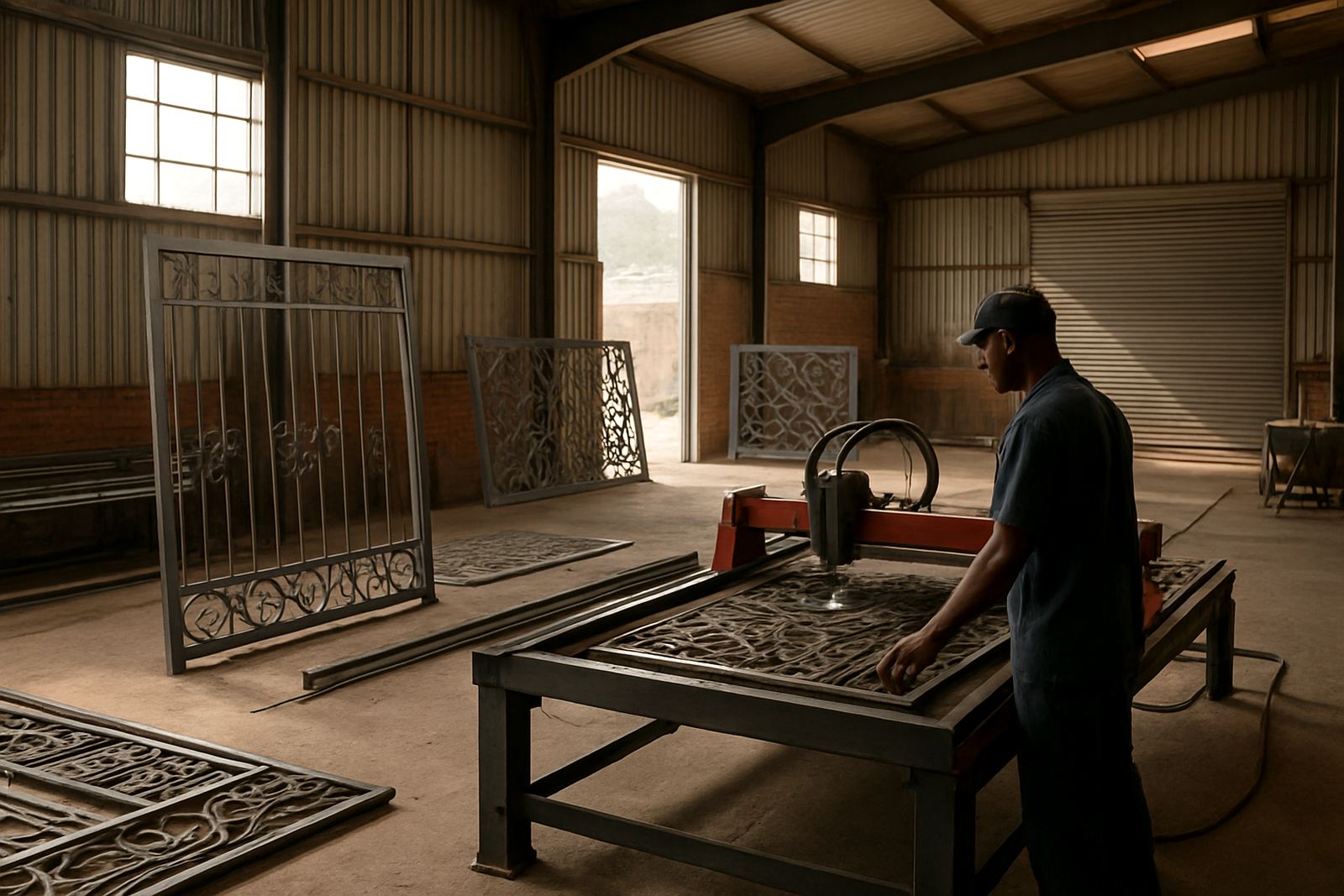
A practical steelwork setup usually starts with a handheld plasma cutter for mobile work and may add a CNC table for repeat parts in the fabrication yard. The right choice depends on plate thickness, duty cycle, power supply and how often the machine will be moved between jobs. If your team works in yards with limited power or load-shedding interruptions, planning that supply is just as important as the machine itself.
For heavier construction work, teams often look at a unit that can handle daily cutting on 6 mm to 20 mm material, with enough reserve for thicker plate when needed. A compressed air system must be dry and clean, because moisture from a poor air line causes poor cut faces and extra consumable wear. In coastal or humid areas, it is worth checking the air system more often, even inland rain can catch people out.
- Handheld plasma cutter for mobile site work
- CNC table for plate parts and repeat profiles
- Air compressor with filtration and water removal
- Cutting leads, torch consumables and spares
- Measuring tools, templates and marked-out jigs
Layout and planning that save rework
Good planning makes the difference between a neat job and a stack of wasted offcuts. Keep the cutter close to the work area, but away from grinding dust and standing water. On active sites, the best arrangement is usually a small cutting station with clear access for loading, plus a safe path for moving plate and scrap. If the team is cutting near other trades, mark the zone clearly so sparks and lead hoses do not become a trip risk.
For CNC work, check that the table footprint suits the available floor space and that there is enough room for sheet loading on at least one side. Many contractors underestimate the space needed for plate storage, offcuts and finished parts. That can slow production fast, and it creates avoidable damage to fresh cuts.
- Allow enough room for plate handling and clamping
- Keep leads and air lines short and tidy where possible
- Separate cutting from painting and assembly areas
- Plan for dust extraction, ventilation and fire control
- Confirm power availability before machine delivery
Common mistakes on construction sites
One of the biggest mistakes is choosing a cutter only on price, then discovering it cannot keep up with the workload. Another is running wet air through the torch, which shortens consumable life and causes poor edge quality. Teams also lose time when they do not keep the right spares on hand, especially nozzles, electrodes, swirl rings and shields. A small spares box can save a whole day on site.
We also see problems when operators rush the cut speed or pierce height. That leads to slag, bevelled edges and extra grinding before fitment. On site, that extra grinding means more labour and often more dust. If a team is cutting close to municipal boundaries or on formal construction sites, keep fire control and housekeeping tight so inspections do not become a problem.
- Ignoring air dryness and filter changes
- Buying a machine that is under-sized for the plate thickness
- Running long leads without checking voltage drop
- Skipping torch maintenance and height checks
- Not training the operator on pierce and cut speed
Budget ranges for steelwork teams
Budget depends on whether you need a handheld unit, a CNC package or a mix of both. For smaller construction teams and maintenance crews, a practical handheld setup can start from about R18 000 to R45 000, depending on output, torch setup and accessories. Mid-range options for higher daily output often fall between R45 000 and R95 000. CNC table packages for fabrication yards can start around R120 000 and move upward based on table size, drive system and control requirements.
Do not budget only for the machine. A proper plan should include installation, commissioning, operator training, consumables, spares and routine servicing. If the team works through load-shedding, add backup power planning or schedule cutting around available supply. That is not a nice-to-have, it is part of the real running cost.
Support for Vereeniging and nearby project teams
PlasmaCutter works from Vereeniging and supports construction steelwork clients across Gauteng and the Free State with demos and servicing. That includes torch repairs, power source repairs, preventive maintenance, consumables checks, air system inspection, CNC table servicing, height control calibration, on-site breakdowns, machine commissioning, operator training, spares supply and cut quality audits.
For project managers and workshop supervisors, the aim is straightforward: keep the machine cutting, keep the edges clean and keep the crew moving. Marius van der Merwe leads the business, with Kgomotso Mhlongo handling sales, Johan Botha on technical support, Phenyo Diale coordinating customer support, Ruan Visser doing field service and Naledi Selebalo assisting with training and demos. If your work is in Vereeniging, Vanderbijlpark, Sasolburg, Meyerton, Alberton, Germiston, Bloemfontein or Welkom, you can reach the team through the enquiry form on the contact page.