
When scrap has to be sorted, cut and stacked fast
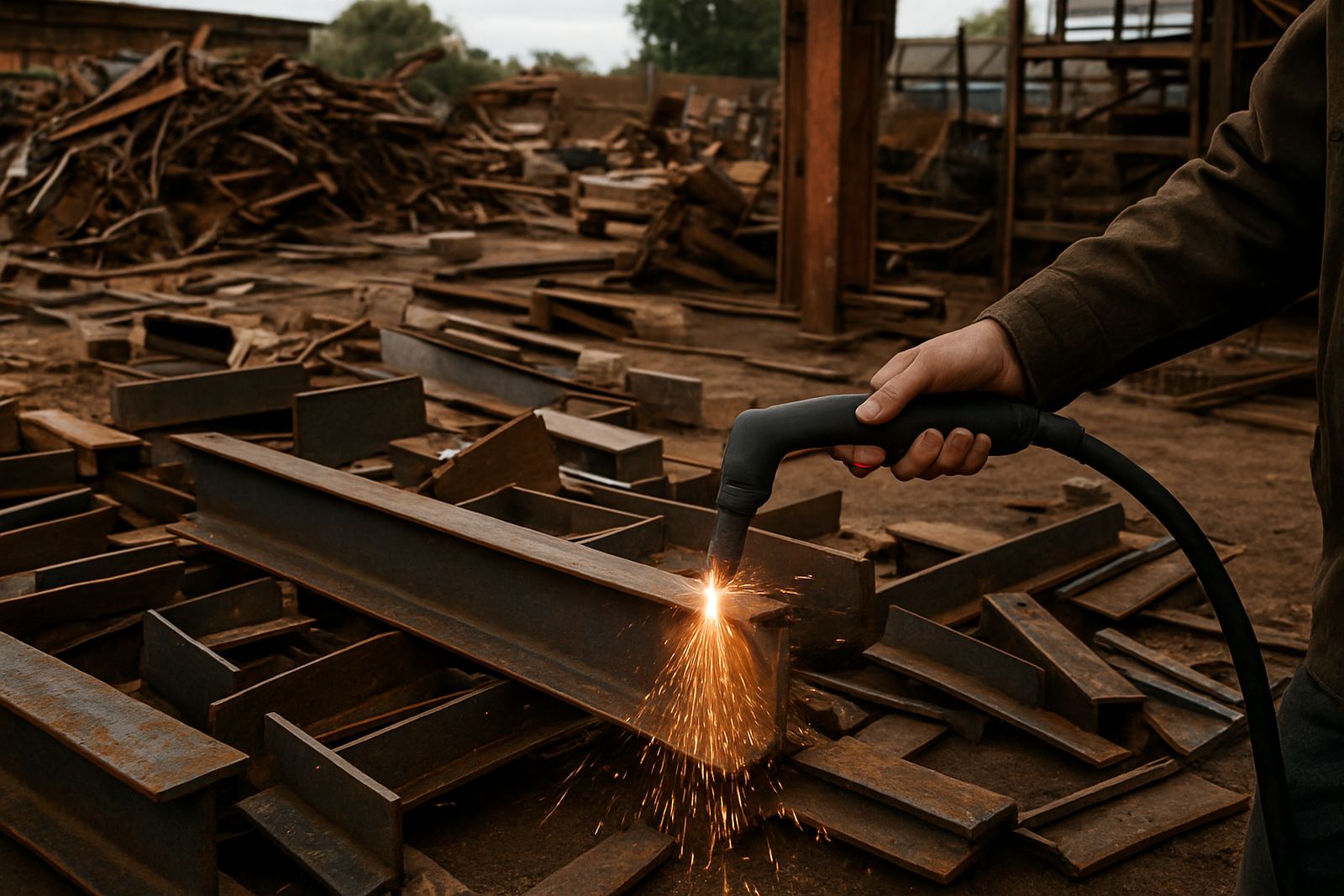
Scrap processing is not only about cutting metal smaller. It is about separating sections quickly, keeping usable steel intact, and reducing the time spent handling heavy pieces. In yards around Vereeniging, Vanderbijlpark and Sasolburg, that often means working through offcuts, damaged fabrication, old frames, plate, pipe and structural steel that must be sized before loading or resale.
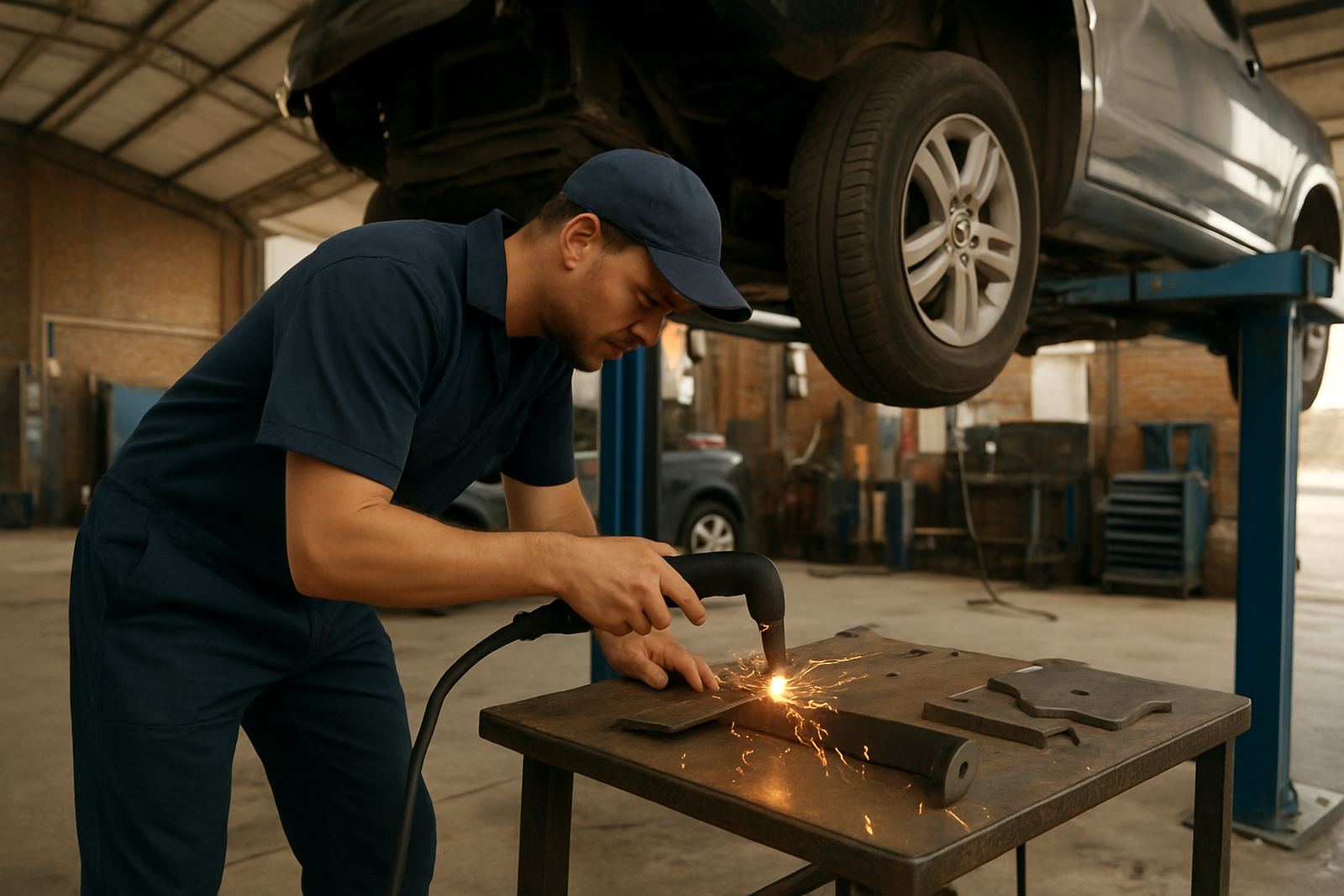
The right plasma cutter helps the team make cleaner cuts than grinding or oxy work in many day to day jobs. That matters when you are trying to recover channels, flat bar, plate or box section for reuse. It also helps when loads need to be prepared for transport under municipal and weighbridge rules, because smaller, neater pieces are easier to manage and safer to stack.
- Breaking down mixed scrap into manageable lengths
- Separating reusable sections from low value waste
- Cutting tangled or awkward material in the yard
- Reducing handling time before sorting and resale
Typical equipment set for scrap yards and recycling sites
For scrap processing, handheld plasma cutters are often used for flexible cutting across different materials and thicknesses. They are useful when the team works around piles, bins, trucks and uneven ground. CNC plasma cutters suit repeat work on plate, brackets, repair parts and measured sections that must be cut to a consistent size.
A practical setup usually includes a cutter matched to the work rate, a stable air supply, a good earth connection and spare consumables on hand. If the site handles long shifts or works through load-shedding, generator compatibility becomes important. Coastal humidity is less of a concern inland than on the coast, but dust, heat and poor air lines can still shorten consumable life and cause rough edges.
- Handheld plasma cutter for general breakdown work
- CNC table for repeat cutting and measured sections
- Dry, filtered air supply to protect cut quality
- Spare torches, tips, electrodes and shields
- Basic lifting gear for safe movement of heavy pieces
Layout and planning that keeps scrap moving
The best scrap processing setup is one that keeps the material moving in one direction. Scrap comes in, gets inspected, cut down, sorted, then stacked by grade or sent out. If the cutting bay sits too far from the receiving area, the team wastes time moving pieces twice. If the power source is too close to the dust zone, maintenance costs climb.
At a Vereeniging base or a satellite site in Germiston or Bloemfontein, planning should allow for truck access, turning room and safe walkways. It also helps to keep the cutting area dry and level, especially where rainwater or wash-down water may collect. Good lighting matters too, because scrap work often includes marking, measuring and checking whether a section is still worth saving. A simple layout can make a real difference to day to day throughput.
- Place receiving, cutting and dispatch areas in sequence
- Keep air lines and electrical cables clear of traffic paths
- Separate reusable steel from mixed waste early
- Allow space for offcut bins, pallets and bundles
Common mistakes that cost time and consumables
One of the biggest mistakes in scrap processing is choosing a cutter that is too small for the job. The team then forces the machine to work beyond its duty cycle, which leads to poor edge quality and unnecessary downtime. Another common issue is using wet or dirty air, which damages consumables and leaves a rough cut that needs extra clean up.
Some yards also underestimate operator training. A cutter can perform well, but if the torch angle is wrong or the pierce height is off, the consumable life drops quickly. On CNC tables, poor height control calibration can waste plate and leave sections unusable. In busy yards around Alberton and Welkom, that quickly becomes a cost issue. It is worth checking the setup before the first shift rather than trying to recover after the fact.
- Undersized power source for the material thickness
- Dirty air supply and blocked filters
- Poor torch handling and inconsistent speed
- Weak maintenance routines for torches and tables
Budget ranges for scrap processing equipment in Rand
Budget depends on how much material you need to process each day and whether you need handheld cutting only or a mix of handheld and CNC work. For light scrap sorting and small workshop use, entry level handheld setups can start from about R18 000 to R45 000. Mid range units for more regular yard use often sit between R45 000 and R95 000, depending on capacity and duty cycle.
If you need a CNC plasma table for repeat cutting, the spend rises to around R180 000 to R650 000 or more, depending on table size, drive system and height control. Add on air treatment, commissioning, spare parts and operator training, because those items affect the real running cost. A yard that saves on consumables or maintenance at the start often pays more later in repairs and downtime.
- Handheld cutting for light to medium scrap work
- Mid range systems for steady daily yard use
- CNC tables for repeat sizing and plate work
- Maintenance and training budget for first year running
Service support for yards, workshops and recycling teams
PlasmaCutter supports scrap processing sites with torch repairs, power source repairs, preventive maintenance, consumables checks and air system inspection. For CNC users, the team handles CNC table servicing, height control calibration and machine commissioning. On site breakdowns are covered across Vereeniging, Vanderbijlpark, Sasolburg, Meyerton, Alberton, Germiston, Bloemfontein and Welkom, with demos and training arranged where needed.
That support is useful when a yard is dealing with a sudden stoppage or trying to improve cut quality before a large collection run. Marius van der Merwe and the team work with operators, supervisors and workshop managers to match the cutter to the real job, not just the brochure spec. If your scrap stream changes often, the right guidance can keep the system useful for longer and reduce avoidable downtime.
- Problem diagnosis on cutting performance and air supply
- Repairs and servicing for handheld and CNC systems
- Operator training for safer, cleaner cutting
- Spare parts supply and cut quality audits