
Start With The Work You Actually Need To Cut
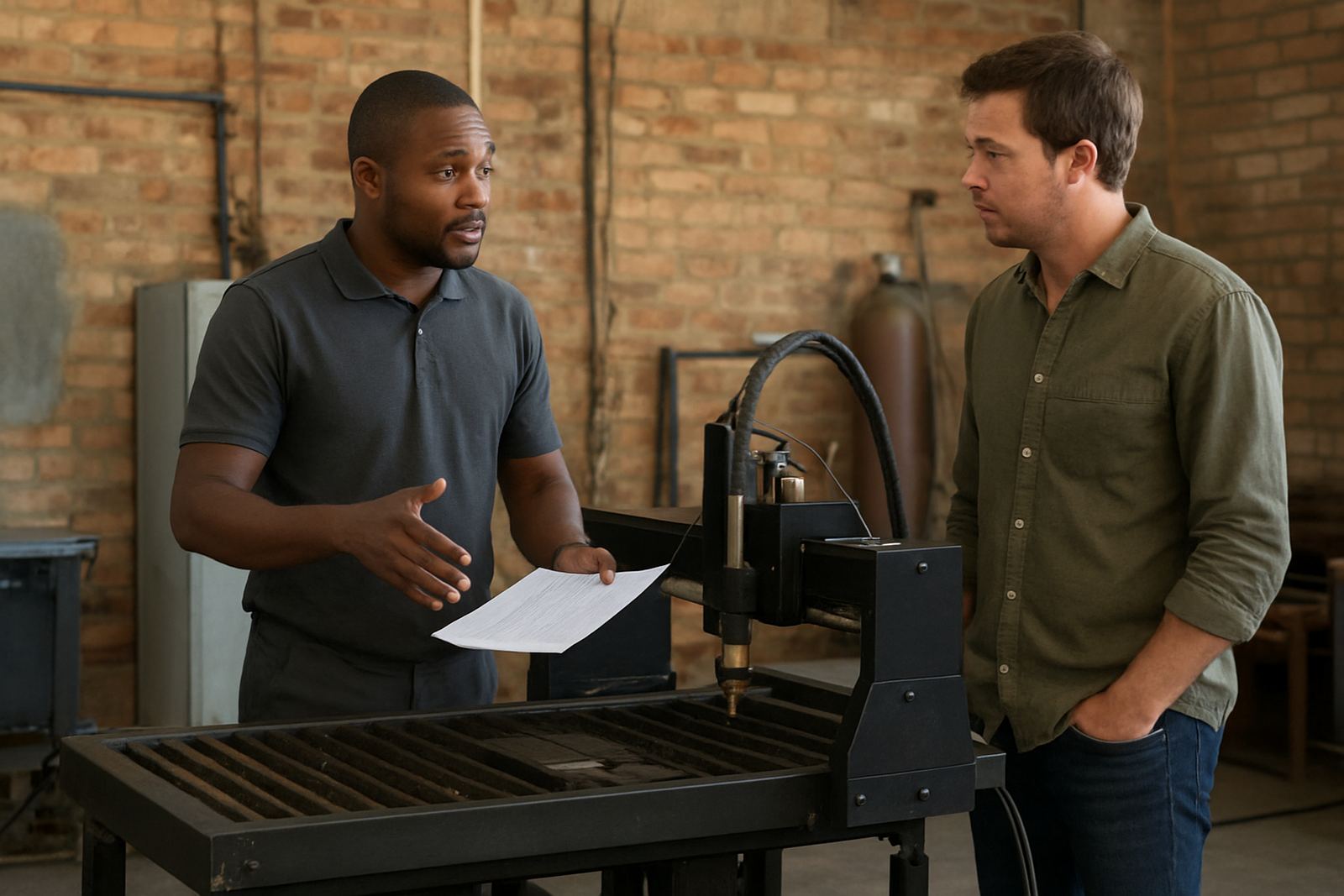
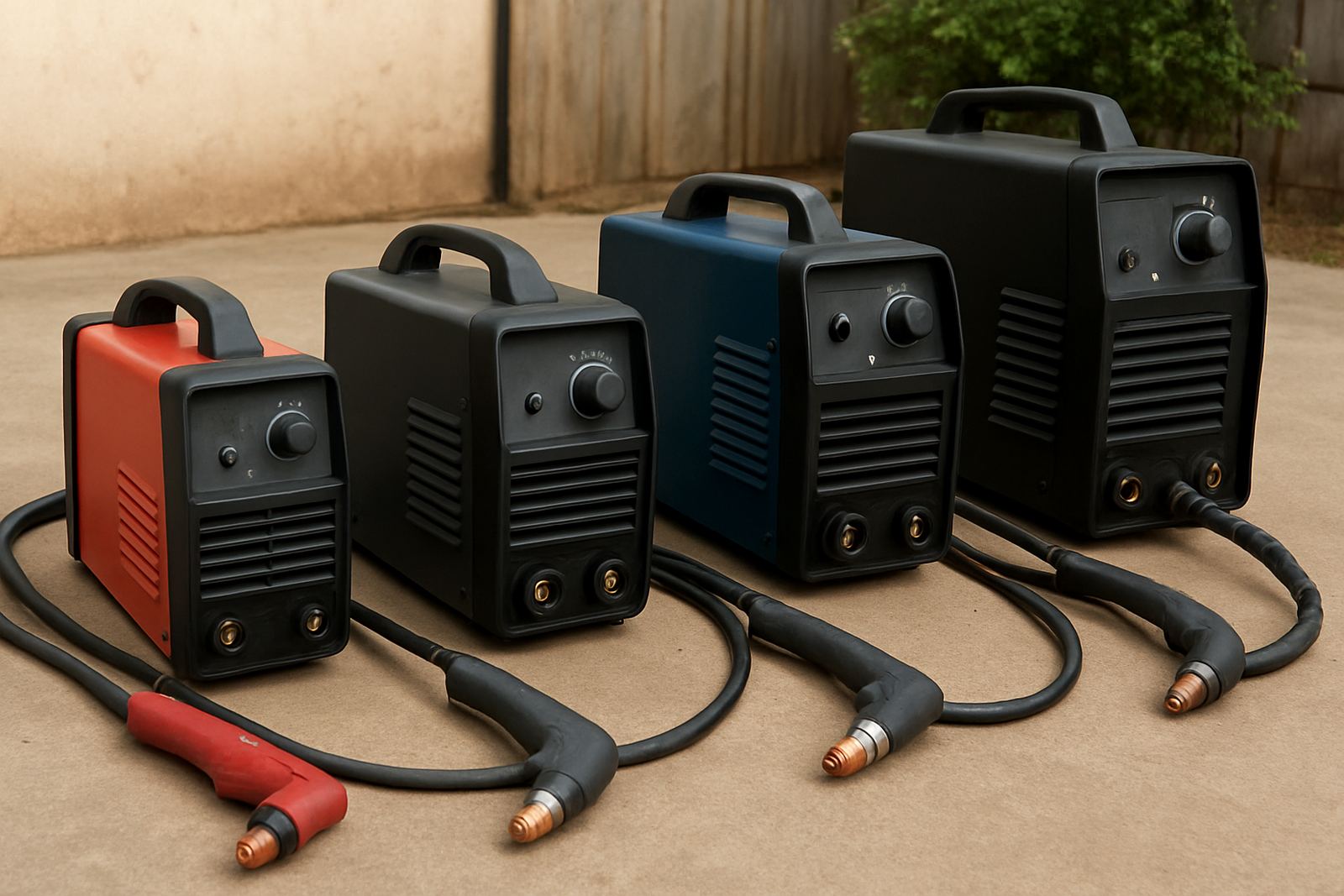
For a compact garage, a handheld plasma cutter is usually the easiest place to start. It is lighter, simpler to move and suits repair work, custom brackets and one off jobs. If you already have a small fabrication setup, a CNC table may make sense when repeat cuts need better consistency and less grinding after the cut.
A CNC setup needs more room than most people expect. You need space for the table, the work area around it, the air supply, safe loading of sheet, and a dry place for the power source. In Gauteng and the Free State, dust and seasonal humidity can affect equipment if it is left in an open garage or a damp storeroom. If your space is limited, measure it properly before you buy.
- Handheld suits repairs, hobby work and odd shapes
- CNC suits repeat jobs, templates and batch work
- Leave room to move around the machine safely
- Plan for dry storage of consumables and spare parts
Check The Power Supply Before You Buy
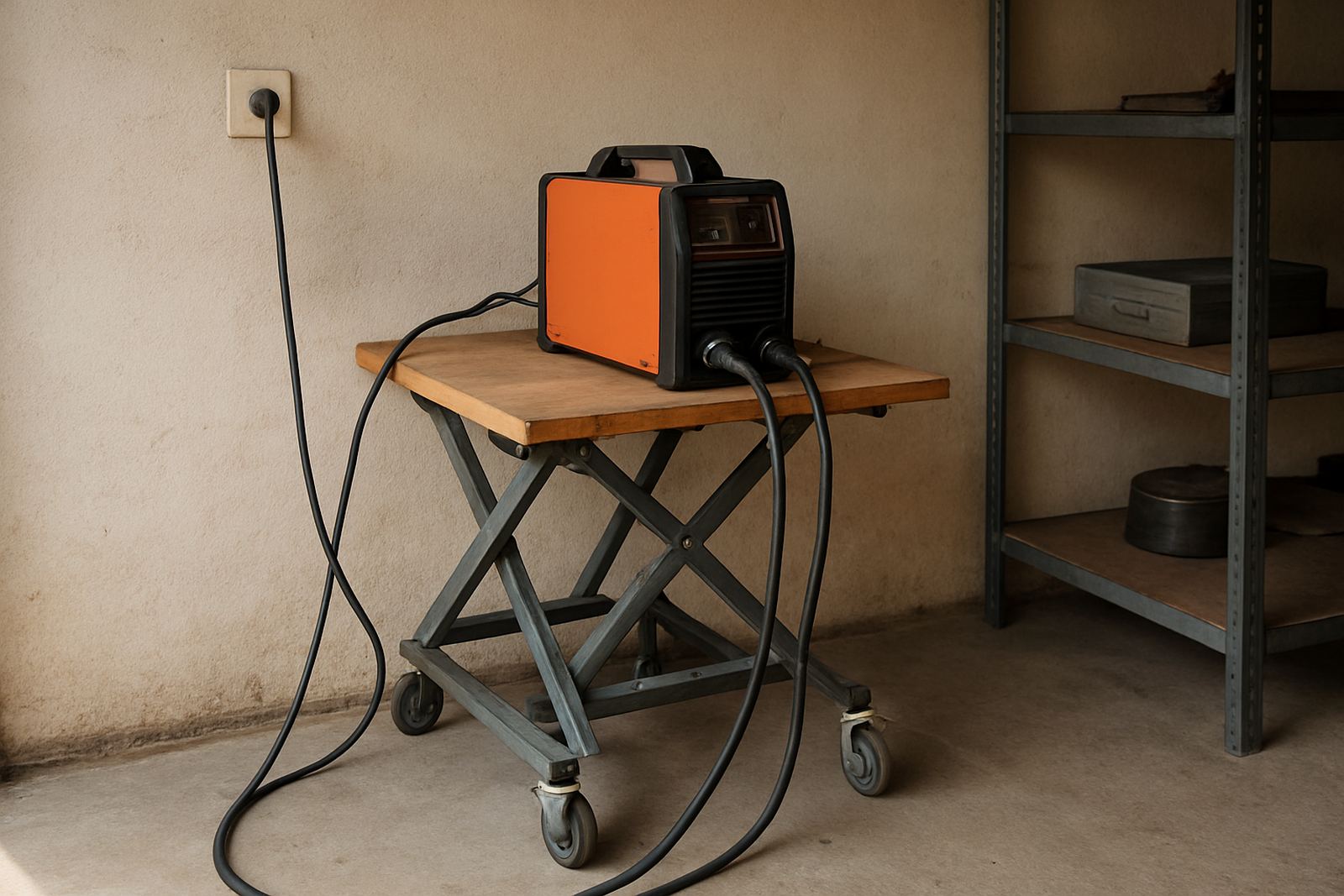
Power is one of the first things to check in a home garage. Some houses can handle a smaller machine on a standard circuit, while others may need a dedicated line. If you are working in an area where load-shedding still affects your routine, it helps to know whether your setup can restart cleanly after an outage and whether the machine keeps its settings when power returns.
Look at the electrical supply in the workshop, not only the machine rating. A unit that performs well on paper can still be frustrating if the supply is weak or unstable. It also helps to think about voltage dips, long extension leads and where the machine will be plugged in. A clean supply gives better arc start and a better cut finish.
- Confirm the circuit size before installation
- Avoid long, thin extension leads
- Keep the power source off damp floors
- Ask about start-up behaviour after interruptions
Air Quality Matters More Than Many Buyers Expect
Plasma cutting needs clean, dry air. If the air system is poor, you will see rough edges, unstable cutting, more consumable wear and occasional trouble starting the arc. For garage users, this is often the part that gets overlooked because the cutter itself gets all the attention. In reality, the compressor and filtration setup matter just as much.
If you are in a coastal area or using the machine through changing weather, moisture can build up in the line. Even inland, a basic compressor with no proper water trap can cause unnecessary problems. Keep the air line short where possible, drain the tank regularly and check for oil or water carry over. Good air saves money on tips and electrodes over time.
- Use dry, filtered air
- Drain the compressor tank often
- Check hose leaks before every session
- Keep moisture out of the consumables area
Set Up The Garage For Safe Cutting
A tidy setup is safer and also easier to use. Keep the cutting area clear of petrol, paint thinners, rags and anything flammable. Sparks and hot slag travel farther than many people expect. If you work at home, make sure there is enough ventilation and a clear place to set cut parts down without burning the floor or the bench.
Also think about fire protection and housekeeping. Have a proper extinguisher nearby, keep cables out of walkways and store sheets and offcuts in a way that will not topple over. If your garage is small, use a folding stand or wall storage to free up floor space. Many hobby users find that a simple routine keeps the space usable without turning every job into a clean-up exercise.
- Remove flammables before cutting
- Keep ventilation open and steady
- Store offcuts and sheet safely
- Keep the floor clear of cable runs
Use A Garage Buyer Checklist For Steel Gates, Brackets And Plate Work
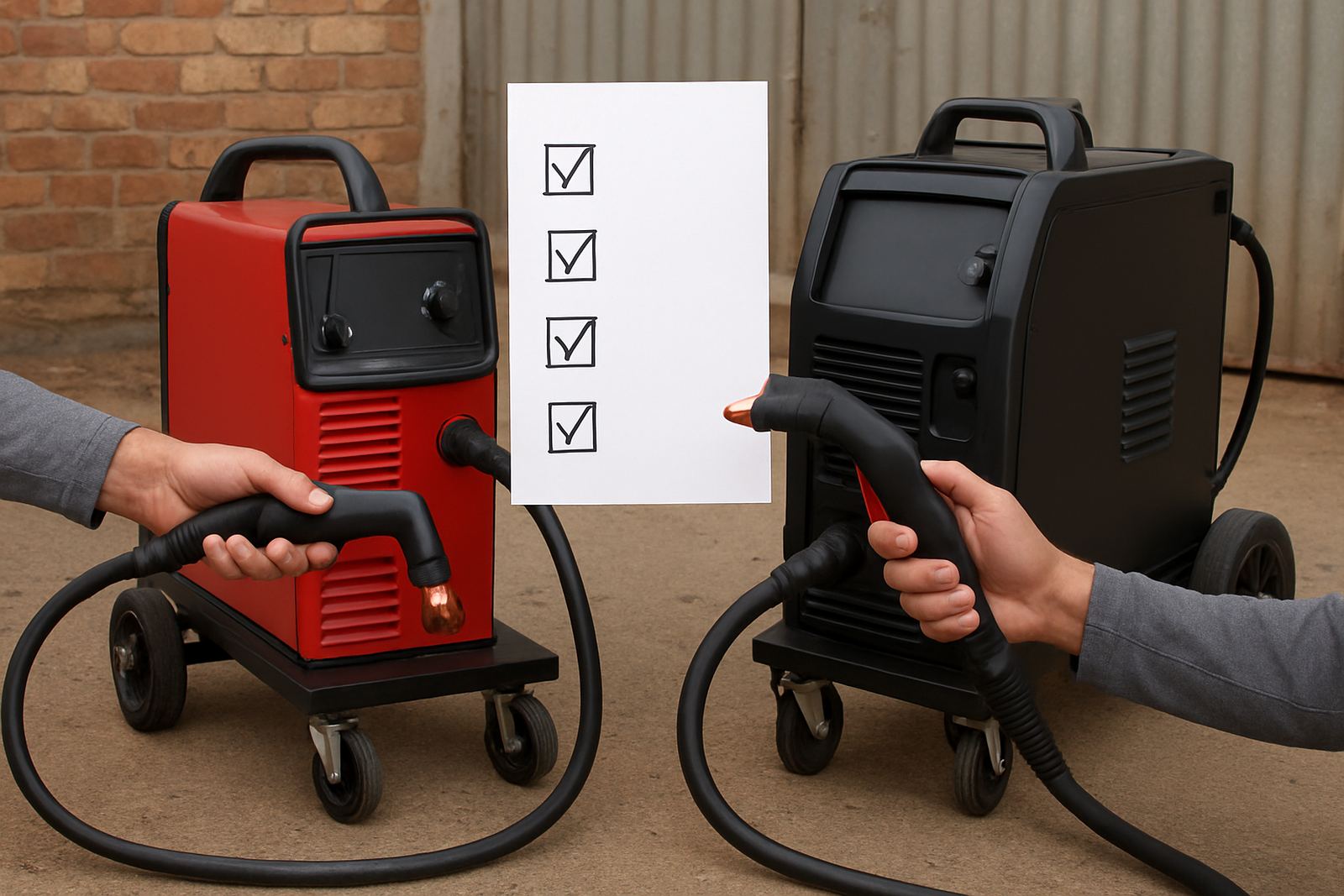
Once you know the work, space and power requirements, use a checklist to compare options. This keeps you from buying a machine that looks suitable but is awkward in daily use. A good supplier should explain how the unit handles your material thickness, how easy it is to service and what consumables you will need over time.
At PlasmaCutter we work with hobby users and small garages across Vereeniging, Vanderbijlpark, Sasolburg, Meyerton, Alberton, Germiston, Bloemfontein and Welkom. That means we see the same questions often: how much air is needed, how often parts wear, whether a unit suits light fabrication, and how to keep the cut neat without overspending on spares. The right answer is usually practical, not fancy.
- Does it match the thickest material you plan to cut?
- Will it fit your garage and storage space?
- Do you have suitable electrical supply and clean air?
- Are consumables easy to get and simple to replace?
- Can the machine be serviced locally if needed?