Local plasma cutter support in Vereeniging
A plasma cutter is a working tool, not a shelf item. In Vereeniging, Vanderbijlpark, Sasolburg and the surrounding industrial areas, most workshops need equipment that can be repaired, checked and put back into service without long delays. That matters even more when load-shedding, voltage swings and dusty shop floors put extra strain on power sources, torches and air systems.
When you compare options, ask how the machine will be supported after the sale. A lower price means little if the operator has to wait for a fix while jobs pile up. Local support also helps with practical issues like choosing the right consumables, setting cut settings for mild steel or stainless, and making sure the machine suits your duty cycle and workload.
For buyers in Gauteng and the Free State, support close to the job means less downtime, better cut consistency and fewer costly mistakes. It is one thing to buy a cutter. It is another to keep it earning its keep week after week.
What Good Support Should Cover
Before you place an order, check that the supplier can help with more than the initial setup. A proper support plan should include repair work, routine checks, operator guidance and access to spares. That way your team can solve small issues early before they become breakdowns.
- Torch repairs for worn leads, damaged switches and faulty consumable holders
- Power source repairs when the unit is tripping, overheating or cutting unevenly
- Preventive maintenance to reduce avoidable stoppages
- Consumables checks so tips, electrodes and nozzles are replaced at the right time
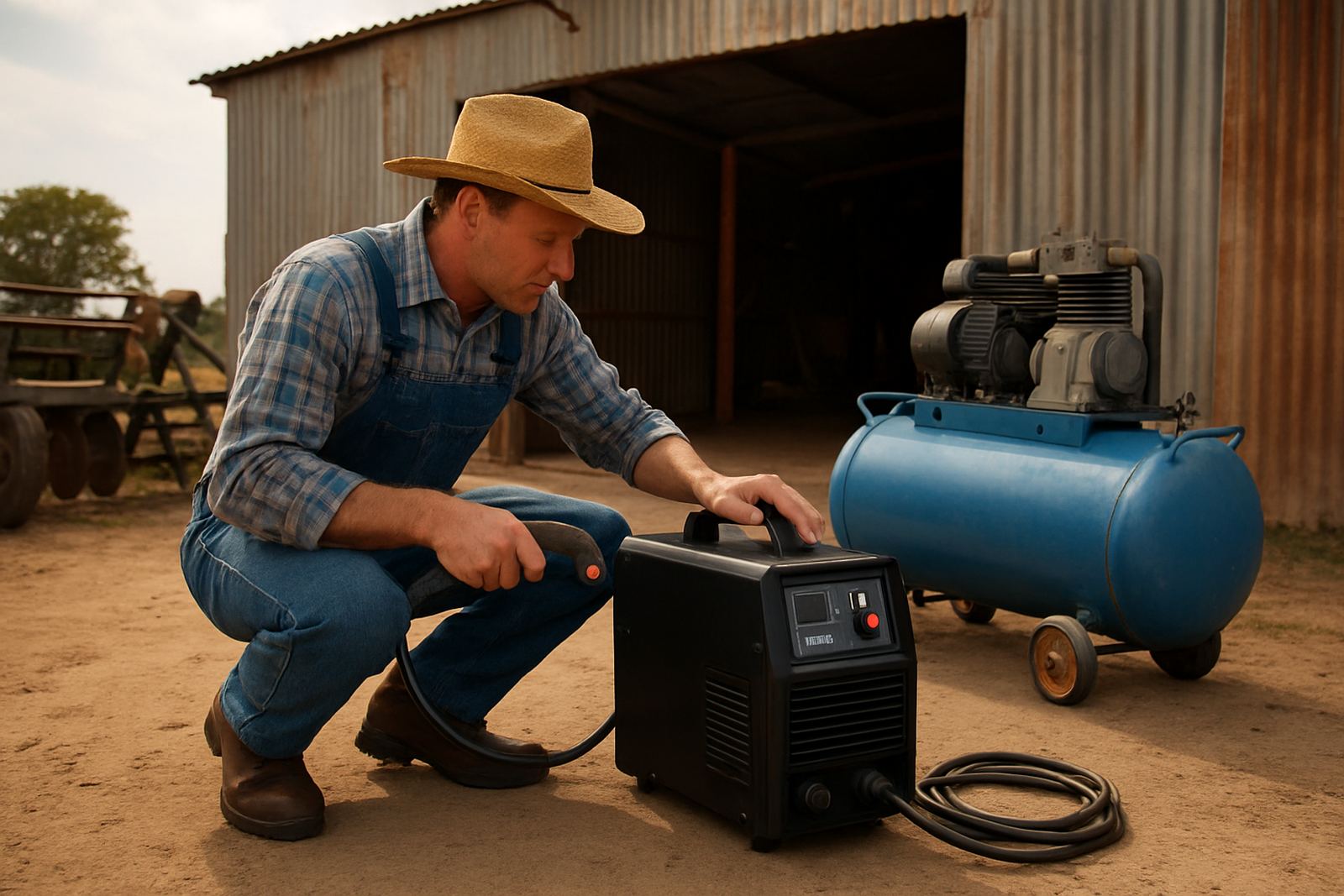
- Air system inspection to confirm pressure, dryness and filtration
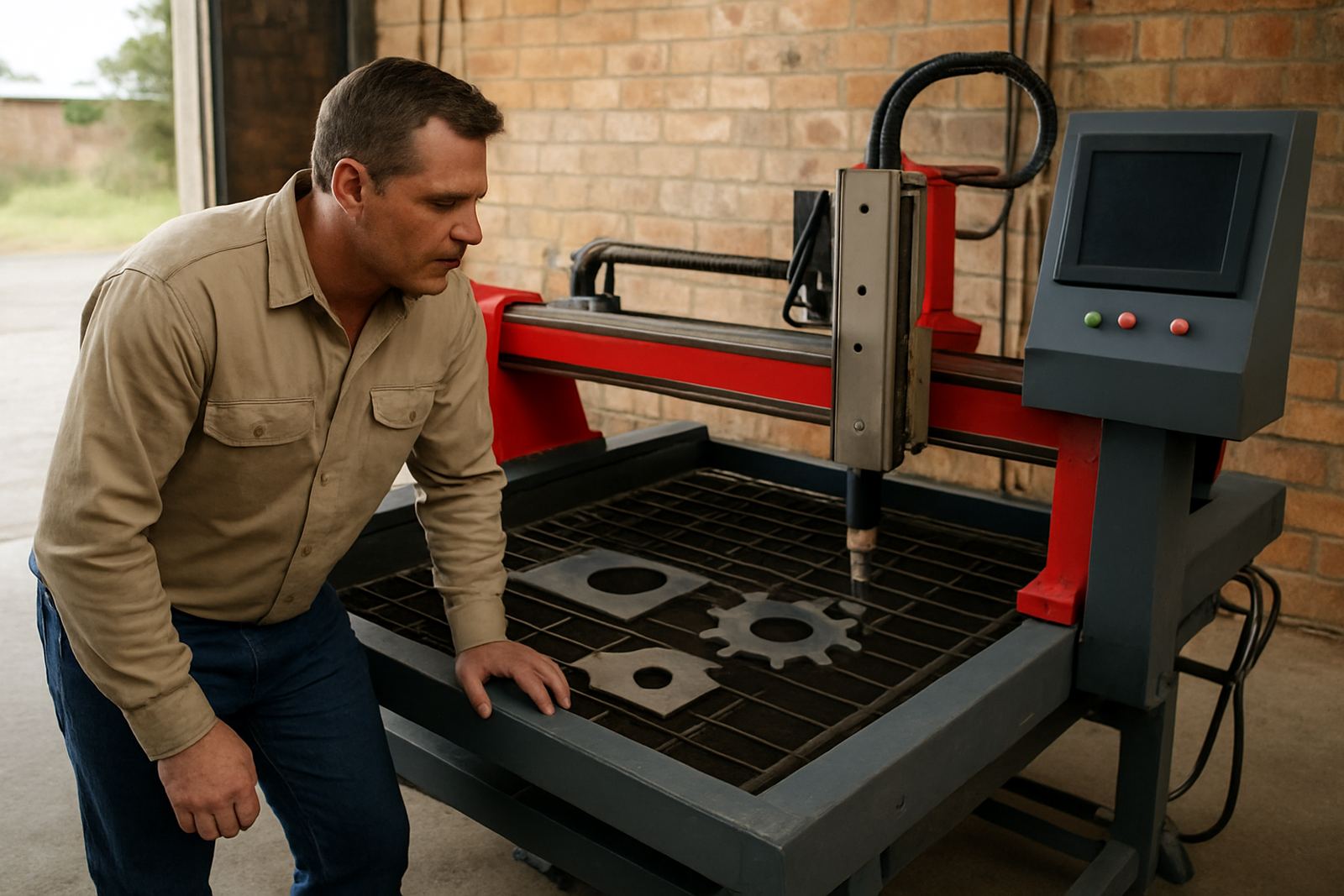
- CNC table servicing and height control calibration for automated cutting work
If you run both workshop and site work, ask about on site breakdown support and machine commissioning. A good supplier should also help with spares supply, cut quality audits and operator training, because the people using the machine are part of the performance equation too.
A Simple Monthly Maintenance Routine
Most plasma cutting problems start small. Dust builds up, air quality drops, consumables wear unevenly and the torch gets handled roughly during busy shifts. A simple monthly routine helps catch these issues early, especially in coastal humidity areas further out from Gauteng or in workshops where compressors run hard all day.
Use this as a basic checklist:
- Inspect torch leads, trigger switches and connections for cuts or heat damage
- Check the air supply for moisture, oil and low pressure
- Look at consumables for uneven wear and replace them as a set if needed
- Clean vents, filters and the outside of the unit to reduce overheating
- Test cut quality on a sample plate and compare edge finish, bevel and kerf width
- Confirm earth clamp contact and cable condition before each shift
In many cases, a five minute inspection at the start of the week prevents a half day of lost production later. If your machine is used for fabrication, repair work or light production, this routine should be part of normal workshop discipline.
When To Call For Technical Help
Some faults can be solved in the workshop. Others need a technician. If the machine trips repeatedly, cuts taper badly, struggles to strike an arc or shows inconsistent output on clean material, it is time to get support. Do not keep pushing through a fault, because that can damage the torch, power source or cutting table.
Operators should also raise a call if the air compressor seems to be working harder than usual, if the cut edge is leaving excess dross, or if the CNC table is losing height control accuracy. These symptoms often point to a larger issue such as poor air quality, worn parts or calibration drift.
For sites in Bloemfontein, Welkom, Germiston, Alberton or Meyerton, on site breakdown support can help reduce transport delays and get the job moving again. The aim is not just repair, but safe return to service with the right settings and checks done properly.
Training That Reduces Waste And Rework
Training is one of the most practical buying criteria, especially for teams with mixed experience. A machine can be capable of excellent cut quality, but if operators do not know how to set amperage, travel speed, stand-off height and air pressure, the result will be rough edges and wasted consumables.
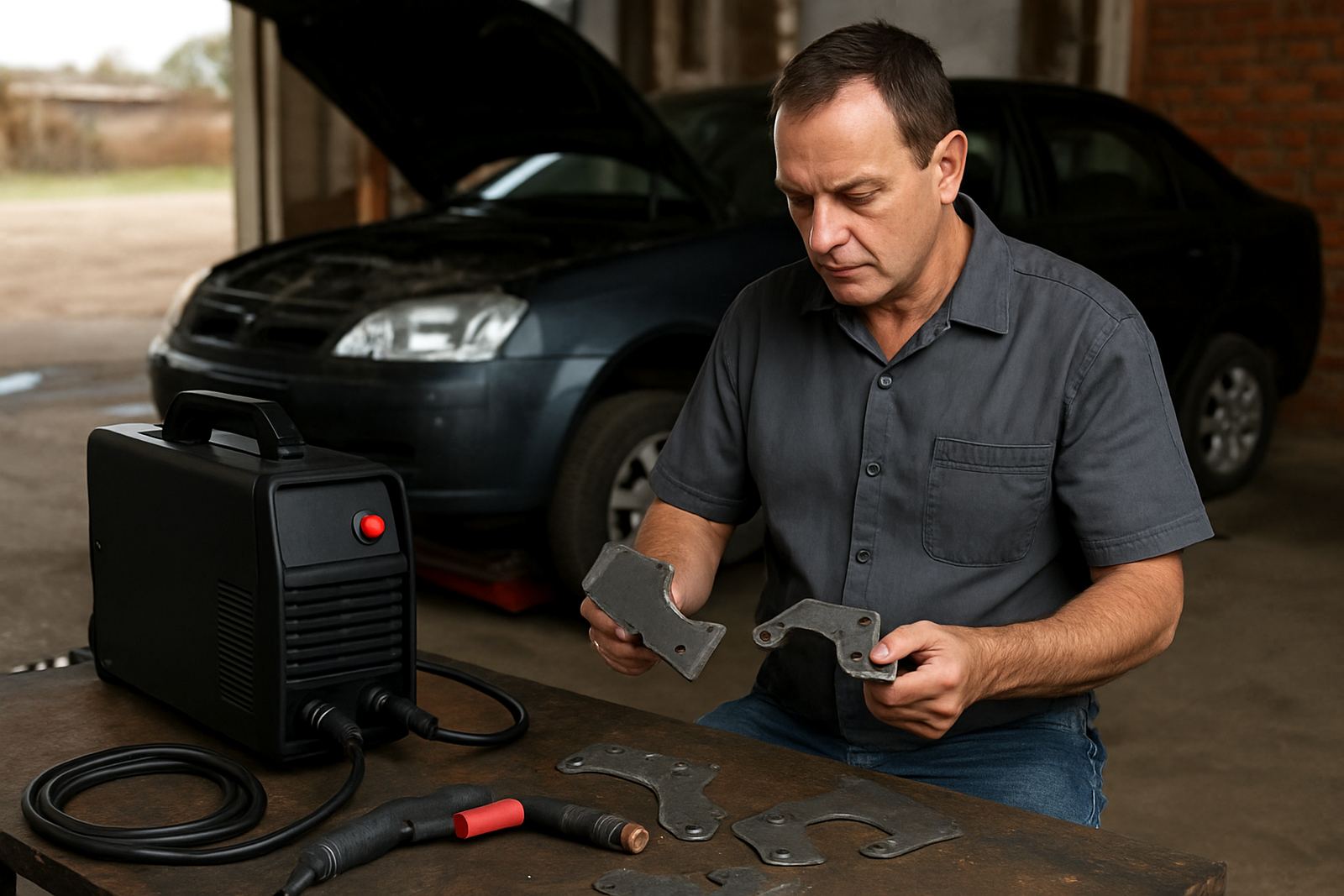
Good training should be hands on and tied to the work your team actually does. For example, a fabrication shop may need help with plate cutting and part preparation, while an automotive workshop may need guidance on repair work, brackets and repeatable small parts. CNC users may need extra time on table alignment, height control calibration and cut quality audits.
- Safe start up and shut down procedures
- Correct consumable selection for the job
- Basic fault finding for common cutting problems
- How to recognise air quality issues before they damage the torch
- How to keep records of maintenance and replacement parts
When operators understand the machine better, the workshop spends less on scrap and less time chasing the same fault twice.
A Buying Checklist For Owners And Workshop Managers
If you are comparing cutters, use a support checklist rather than looking only at cutting power. The right service partner should make ownership simpler from day one and keep the machine productive over the long term. That matters whether you are buying for a hobby setup or a busy production floor.
- Can the supplier help from Vereeniging and nearby towns without long waiting times?
- Do they offer machine commissioning and operator training?
- Are torch repairs, power source repairs and preventative maintenance available?
- Can they support CNC table servicing and height control calibration?
- Is there access to consumables, spares and cut quality audits?
- Will they inspect the air system and advise on moisture control?
PlasmaCutter supports customers across Gauteng and the Free State from the Vereeniging base, with demos and servicing arranged in places like Vanderbijlpark, Sasolburg, Meyerton, Alberton, Germiston, Bloemfontein and Welkom. If you want a cutter that keeps earning, ask the support questions first and the product questions second. That order usually saves time, money and a lot of frustration.