
Start With The Parts You Cut Every Week
Before you look at table size or software, write down the work you need to repeat. A good CNC table for a fabrication shop in Vereeniging may need to handle sheet sizes for brackets, frames, panels or repair parts without constant re-clamping. If you cut mild steel, stainless or aluminium, note the typical thicknesses and the worst case thickness, not just the easy jobs.
For repeat production, consistency matters more than flashy speed claims. Ask how many parts you need per shift, how many nested sheets you run in a week and whether you need clean edge quality for welding, powder coating or assembly. If the machine will sit in a mixed workshop, check the floor space, crane access and whether offcuts can be moved safely around the table.
Check The Power Supply, Air Quality And Duty Cycle
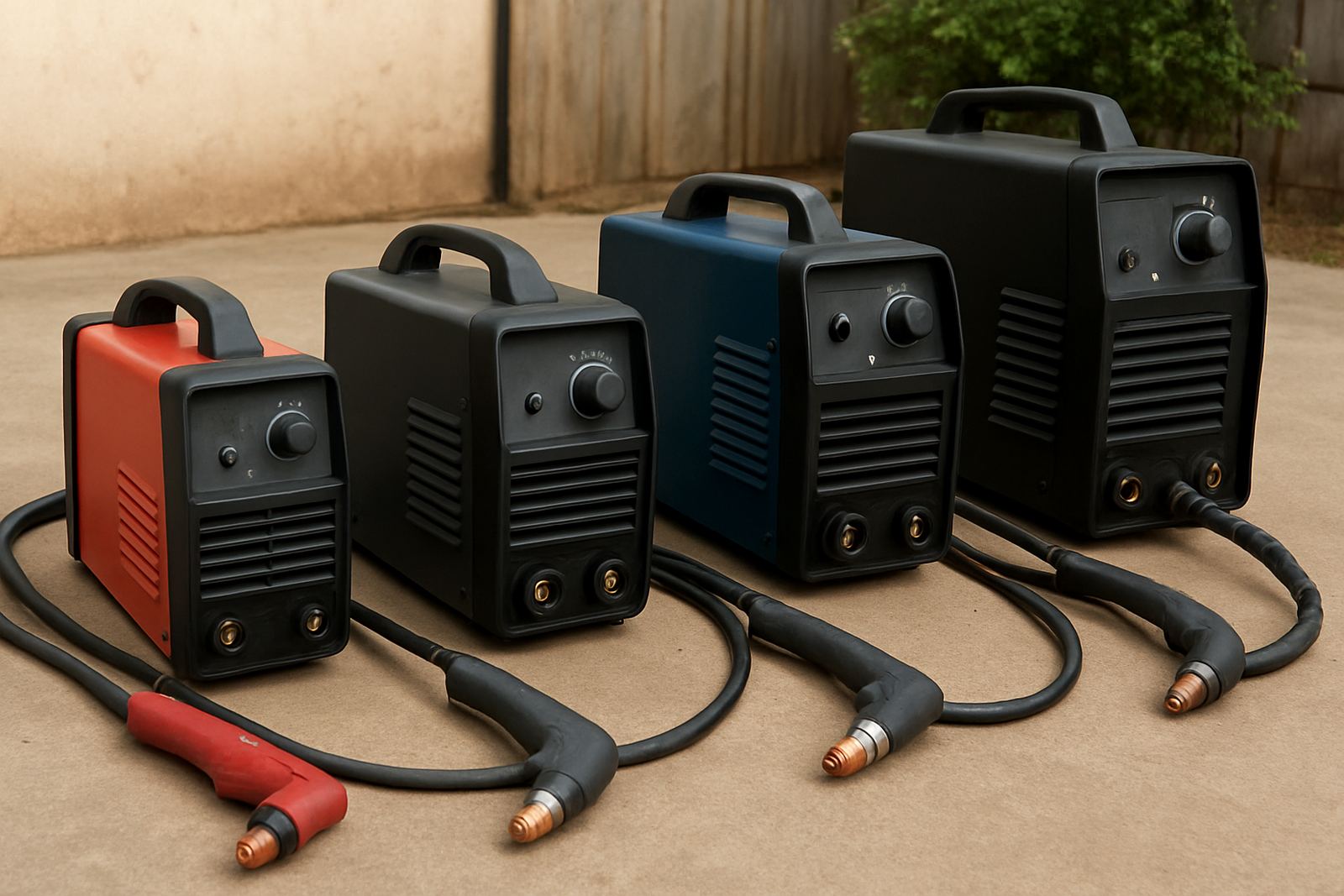
In South Africa, a CNC plasma setup often lives with load shedding, voltage dips and busy compressor lines, so the support systems deserve as much attention as the table itself. Ask what input power the machine needs, what backup plan you will use during outages and how it behaves when power returns after a cut is interrupted. A machine that is easy to restart can save a full batch.
Air quality is just as important. Poor air causes rough cuts, short consumable life and avoidable torch faults. Make sure your compressor can deliver steady pressure and dry air at the required flow rate. In humid areas like parts of Gauteng and the Free State, a proper dryer, water trap and routine filter checks are worth the spend. If the machine is meant for long production runs, confirm the duty cycle and whether the power source can hold performance through extended cutting without overheating.
- Confirm the input power available at your site.
- Ask how the table handles voltage dips and restart.
- Check compressor output, dry air and filtration.
- Match duty cycle to the longest production run.
Look Closely At Accuracy, Table Build And Motion Control
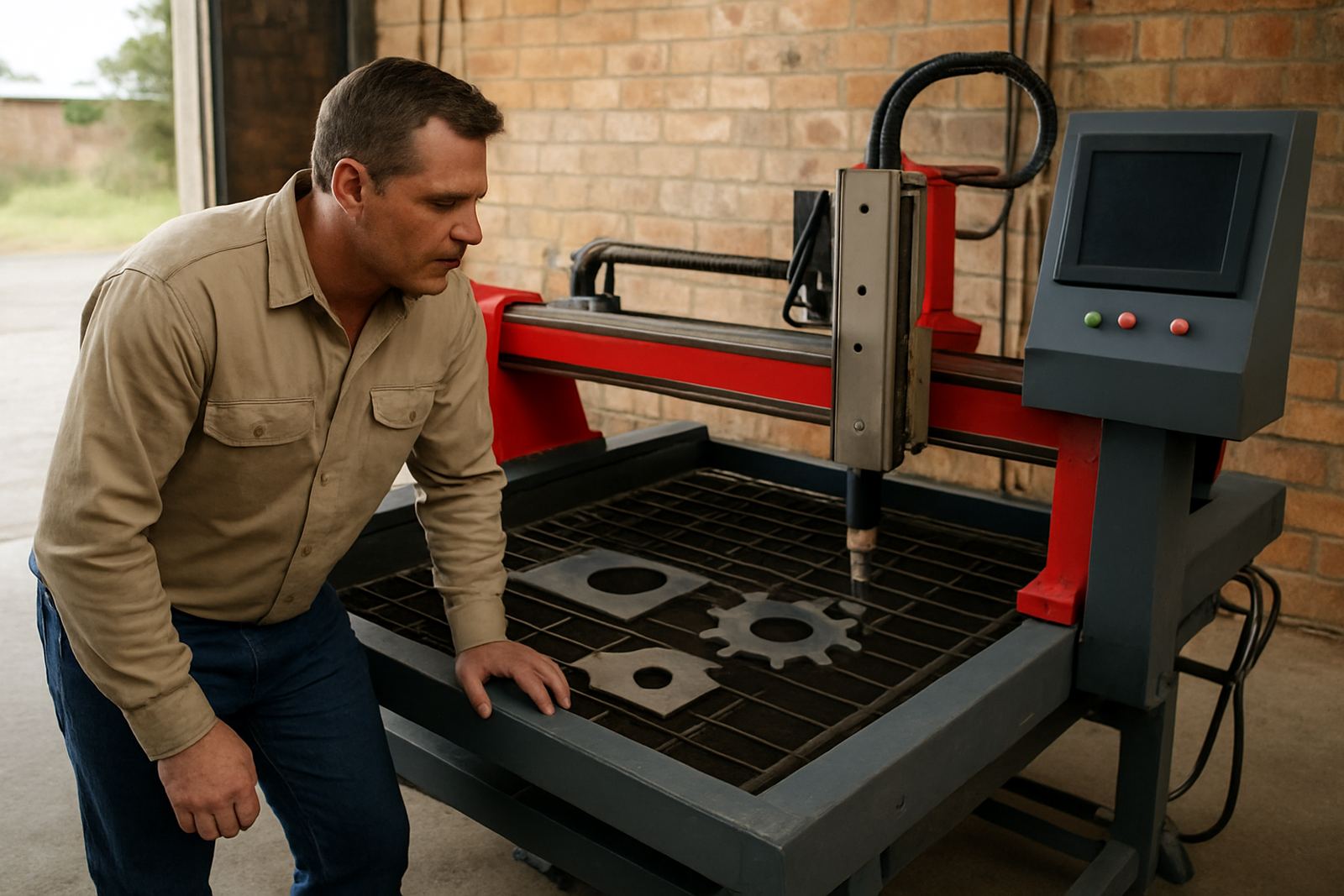
For repeat production, the table must move smoothly and return to the same position every time. Check the rail design, drive system and gantry rigidity. Light tables can work for small jobs, but they may struggle with vibration, heavy sheets or long cutting hours. If the table flexes, your cut size will vary and your nesting work will suffer.
Ask how height control is managed and whether the machine can maintain a stable torch height across warped or uneven sheet. This is important on used plate, flame cut material and sheets that have picked up rust. You should also ask about kerf width settings, arc voltage sensing, cut speeds and how the machine stores jobs. If the controls are simple enough for operators to use after training, you will get fewer mistakes and less downtime.
Pay attention to cable routing, torch protection and how easily the table can be cleaned. Slag build-up and dust can cause problems if the machine is hard to service. On a production floor, simple access is not a luxury it is part of keeping the table earning its keep.
Compare Software, Nesting And File Handling
A CNC plasma table only becomes useful when it can turn drawings into parts without drama. Before buying, check which file types the control system accepts and how easy it is to move drawings from office to shop floor. If your team already works with repeat parts, ask whether the machine can save common jobs and whether the nesting tools reduce waste from standard sheet sizes.
Good software should help the operator, not slow the shift down. Look for clear part preview, lead-in and lead-out control, pierce settings and simple material libraries. If different staff members will run the machine, the screen layout should be easy to follow after basic training. It also helps when the system lets you adjust for thickness, torch offset and start points without digging through complicated menus.
- Check file compatibility with your current drawing workflow.
- Confirm that repeat jobs can be saved and recalled.
- Look for nesting tools that reduce offcut waste.
- Make sure operators can edit cut settings quickly.
Plan For Maintenance, Spares And Local Support
A CNC table is a production tool, so support must be close enough to matter. Before you invest, find out who handles torch repairs, power source repairs, preventive maintenance and on site breakdowns. Ask how quickly spares are supplied and whether consumables are checked as part of routine servicing. If the machine goes down on a Tuesday morning, waiting weeks for help can cost more than the original repair.
For shops in Vereeniging, Vanderbijlpark, Meyerton, Sasolburg, Alberton, Germiston, Bloemfontein and Welkom, local response can make the difference between keeping a contract and missing a delivery. A proper support plan should cover machine commissioning, operator training, cut quality audits and height control calibration. If the table is going into a noisy workshop with several operators, regular checks are worth more than emergency call outs.
Use A Simple Pre Purchase Checklist
When you are comparing tables, keep the decision practical. Ask for a demo on material close to what you cut every day, not only on thin clean sheet. Watch the cut edge, hole quality, start marks and how the machine handles speed changes. If the demo looks good but the operator cannot explain the settings, keep asking until the process is clear.
Before signing off, work through this checklist:
- Can the table handle your main sheet sizes and thicknesses?
- Is the power supply suitable for your site and backup plan?
- Is the air dry, filtered and stable enough for clean cutting?
- Can operators learn the controls without long downtime?
- Is there local servicing across Gauteng and the Free State?
- Are spares, consumables and training available when needed?
For repeat production, the best choice is the one that keeps cutting week after week, with less rework and fewer surprises. That is what matters when the order book is full and the next load-shedding block is already on the board.