Start With the Cutting Jobs You Handle Most Often
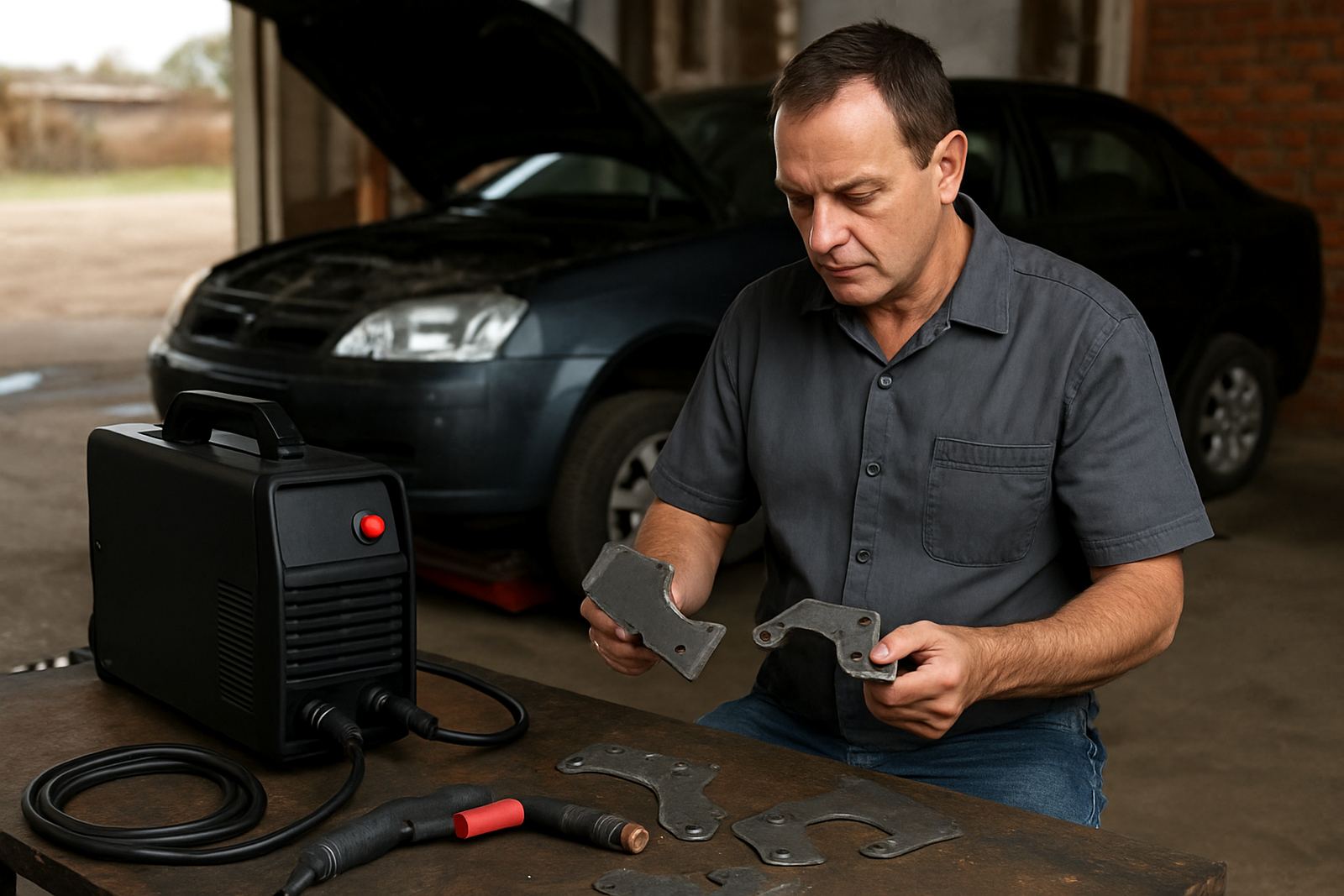
Before you compare machine specs, write down the jobs you handle in a normal week. A light workshop in Vereeniging may cut brackets, repair panels and trim plate, while a field team in Sasolburg or Welkom may need to move between sites, work near generators and handle thicker material less often. The right unit is the one that fits your real workload, not just the biggest number on a brochure.
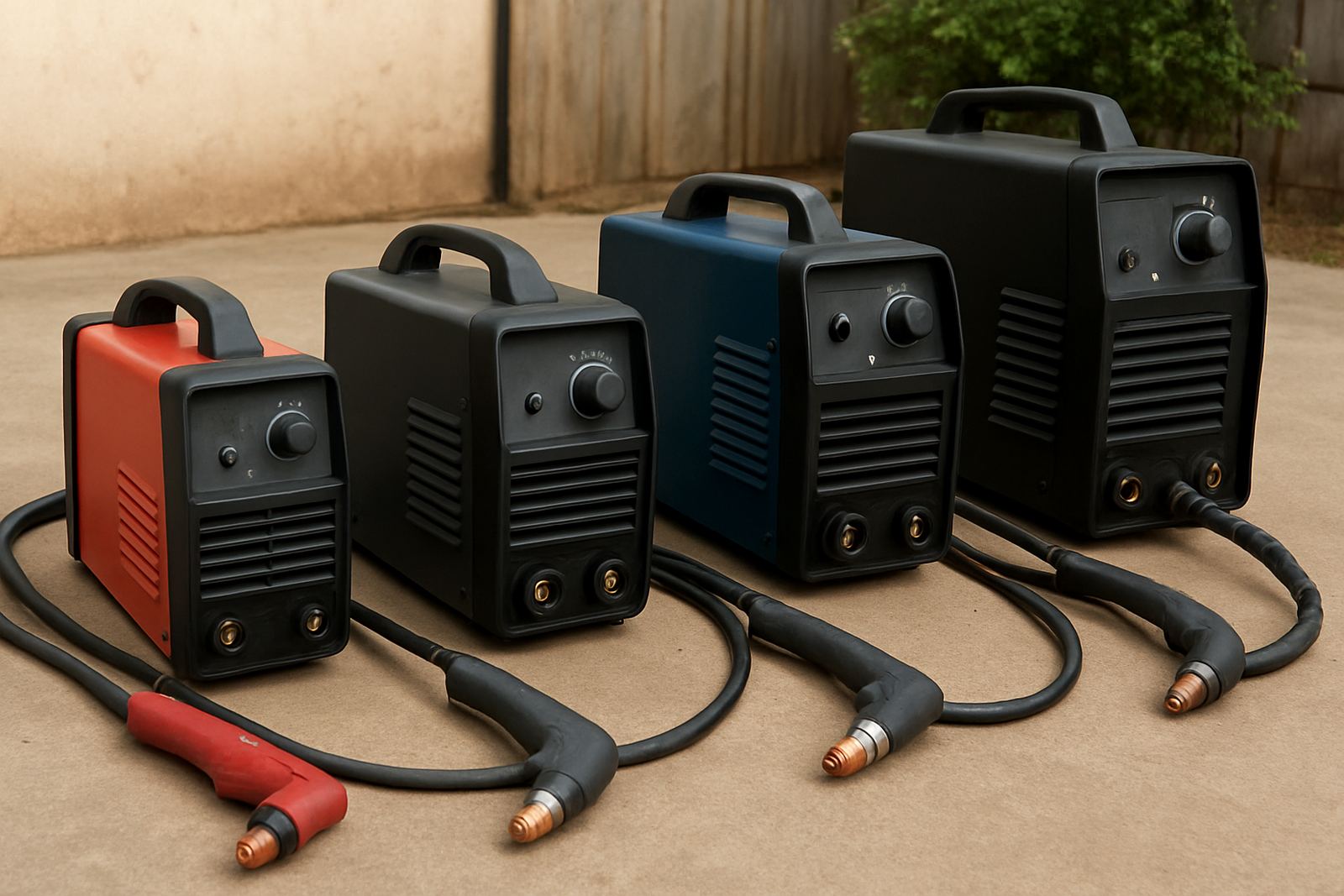
For general maintenance and fabrication, a portable handheld cutter should give you clean starts, steady arc control and enough power for your common material thickness. If you mainly do bodywork, light structural work or farm repairs, a smaller unit can save money and reduce power draw. If you cut all day, a stronger machine with a higher duty cycle is easier to live with, especially during hot Free State afternoons or when a site shed has poor ventilation.
Check Power Supply, Duty Cycle and Air Quality
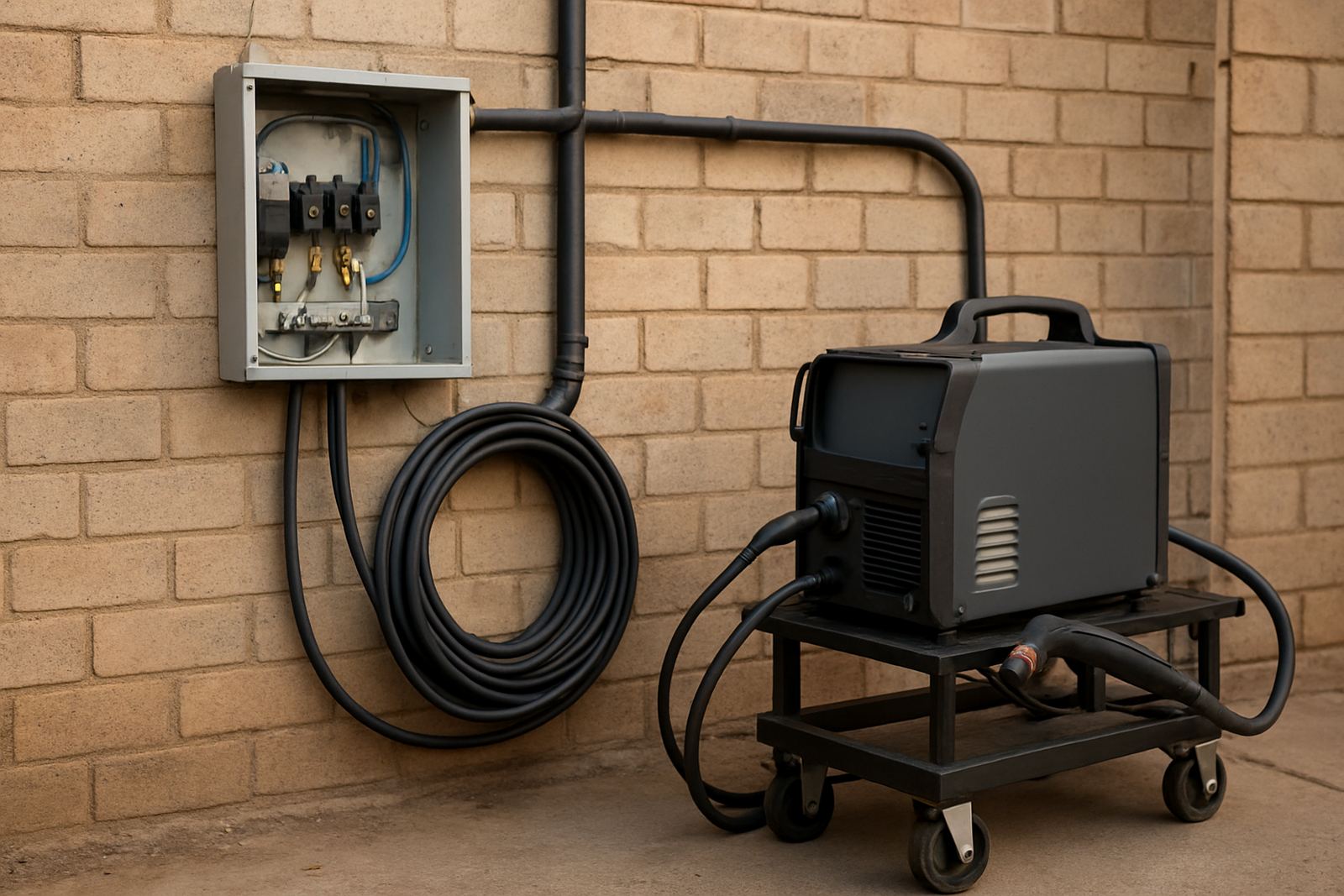
In South Africa, the practical questions matter. Can the machine run on your available supply, or will you need to plan around load-shedding and generator use? A unit that looks fine on paper may still struggle if the supply is weak or unstable. Make sure you know what the machine needs at the wall, and whether your workshop wiring and plugs can handle it safely.
- Confirm input power and what breaker size is needed.
- Check duty cycle at the amperage you will actually use.
- Test the air line for water, oil and pressure drop.
- Make sure you have dry air, especially in coastal humidity or dusty yards.
- Ask whether the cutter can tolerate generator power if needed.
Air quality is often ignored, yet it affects consumable life and cut finish. Wet air causes poor starts and extra tip wear. A simple filter set, drained receiver and regular inspection can save a lot of trouble. If your site is in Alberton, Germiston or the industrial parts of Vanderbijlpark, keep an eye on dust and pipe contamination too.
Compare Handheld Features That Matter in Daily Use
Good handheld cutters are easy to set up, stable to use and simple to keep in service. When comparing units, look at the torch feel, lead length, trigger action and how clearly the settings are marked. A machine that is pleasant to use reduces operator mistakes and helps new staff get up to speed faster.
- Clear current control for thin and thicker plate.
- Easy arc striking and stable cutting speed.
- Reasonable torch lead length for shop bays and field repairs.
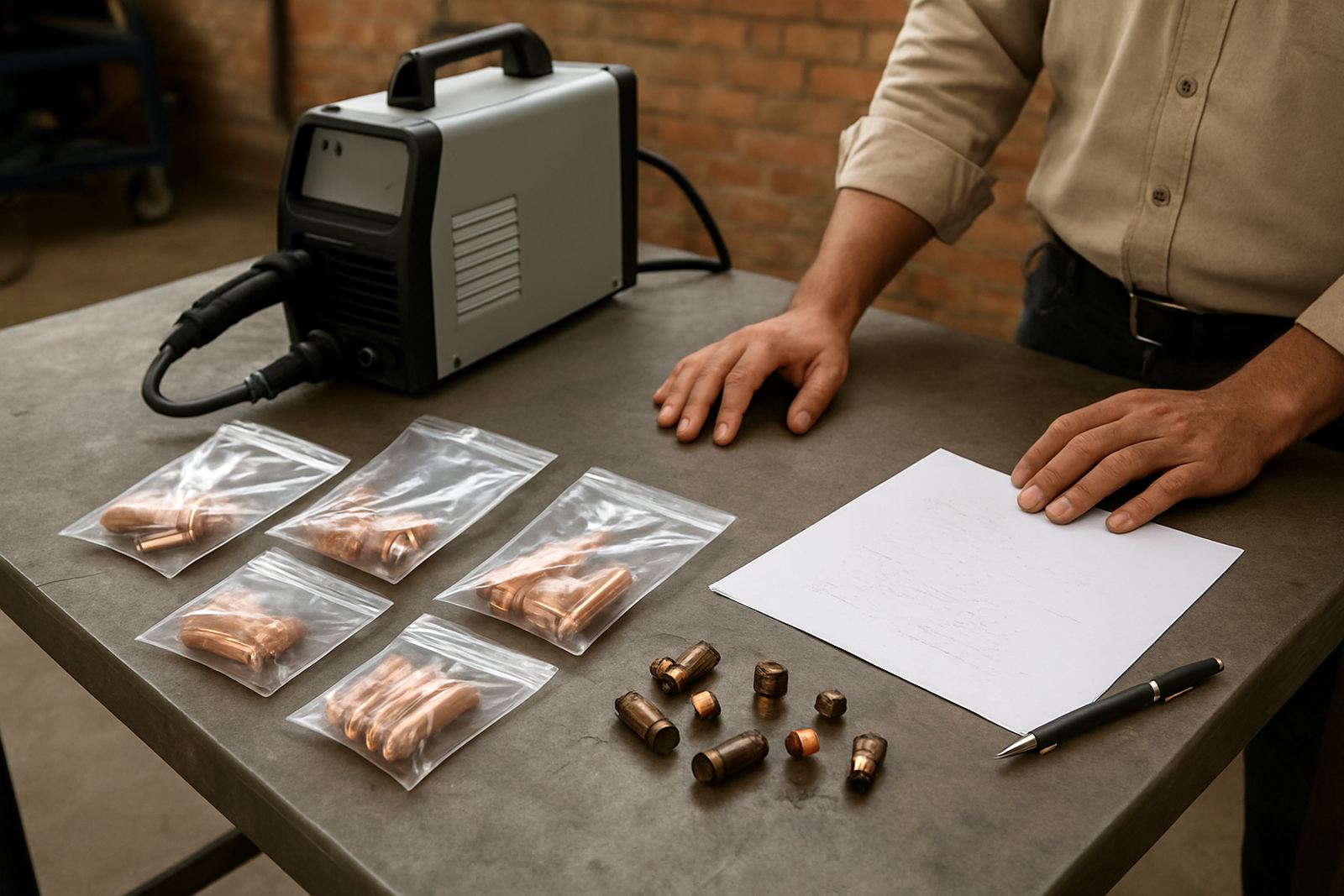
- Spare consumables that are easy to source and stock.
- Protection against dust and heat for tougher workshop conditions.
Do not ignore weight and portability. A unit may cut well but still be awkward to carry between vehicles, mezzanines or remote work areas. For mobile work around Meyerton, Bloemfontein and Welkom, compact size can be more useful than extra output you rarely need. The best choice is the one your team will actually move, set up and use without fuss.
Use a Simple Comparison Checklist Before You Buy
A side-by-side checklist keeps the decision practical. Compare each machine on the same points and score it against your own work. That helps you avoid buying too small a unit for structural work, or too large one for light repair jobs. A careful decision also lowers running cost because you are less likely to burn consumables or overload the machine.
- Maximum clean cut thickness for your normal steel grades.
- Duty cycle at useful output levels, not only at maximum.
- Power input and compatibility with your workshop supply.
- Ease of service, torch repair and consumable replacement.
- Availability of training and setup help for operators.
If you are comparing units for both shop and site work, ask how quickly the machine can be commissioned and what checks are needed after transport. Loose connections, blocked air lines and poor earth contact are common causes of bad cuts. A short setup routine can prevent wasted time on the job, especially when the team is under pressure to finish before after-hours access ends.
Plan for Maintenance, Support and Cut Quality Checks
A handheld cutter should be backed by proper servicing, not only sold and forgotten. Torch repairs, power source repairs, preventive maintenance and consumables checks all help keep the machine performing properly. In practice, regular air system inspection and height control checks, even on manual work, improve cut consistency and reduce rework.
For workshops that work through Gauteng and the Free State, it helps to know who can assist on site when a machine goes down. Breakdowns during a busy week are easier to manage when there is support for commissioning, operator training and spares supply. A quick cut quality audit can also show whether the problem is the machine, the air, the technique or the material itself.
A Practical Buying Path for Vereeniging and Nearby Areas
If you are buying for a workshop in Vereeniging, Vanderbijlpark or Sasolburg, start with the thickness you cut most, then check power and air, then compare service support. If you are covering field work into Meyerton, Alberton, Germiston or Bloemfontein, add portability and generator tolerance to the list. That order keeps the choice practical and cuts down on expensive mistakes.
At PlasmaCutter, the focus is on helping customers match the right handheld or CNC cutting solution to the job at hand. The team, led by Marius van der Merwe and supported by Kgomotso Mhlongo, Johan Botha, Phenyo Diale, Ruan Visser and Naledi Selebalo, works with customers across the region on demos, servicing and technical guidance. If you need help comparing options, send an enquiry through the contact page and we can talk through the work you do day to day.