What Counts as Consumables on a Plasma Cutter
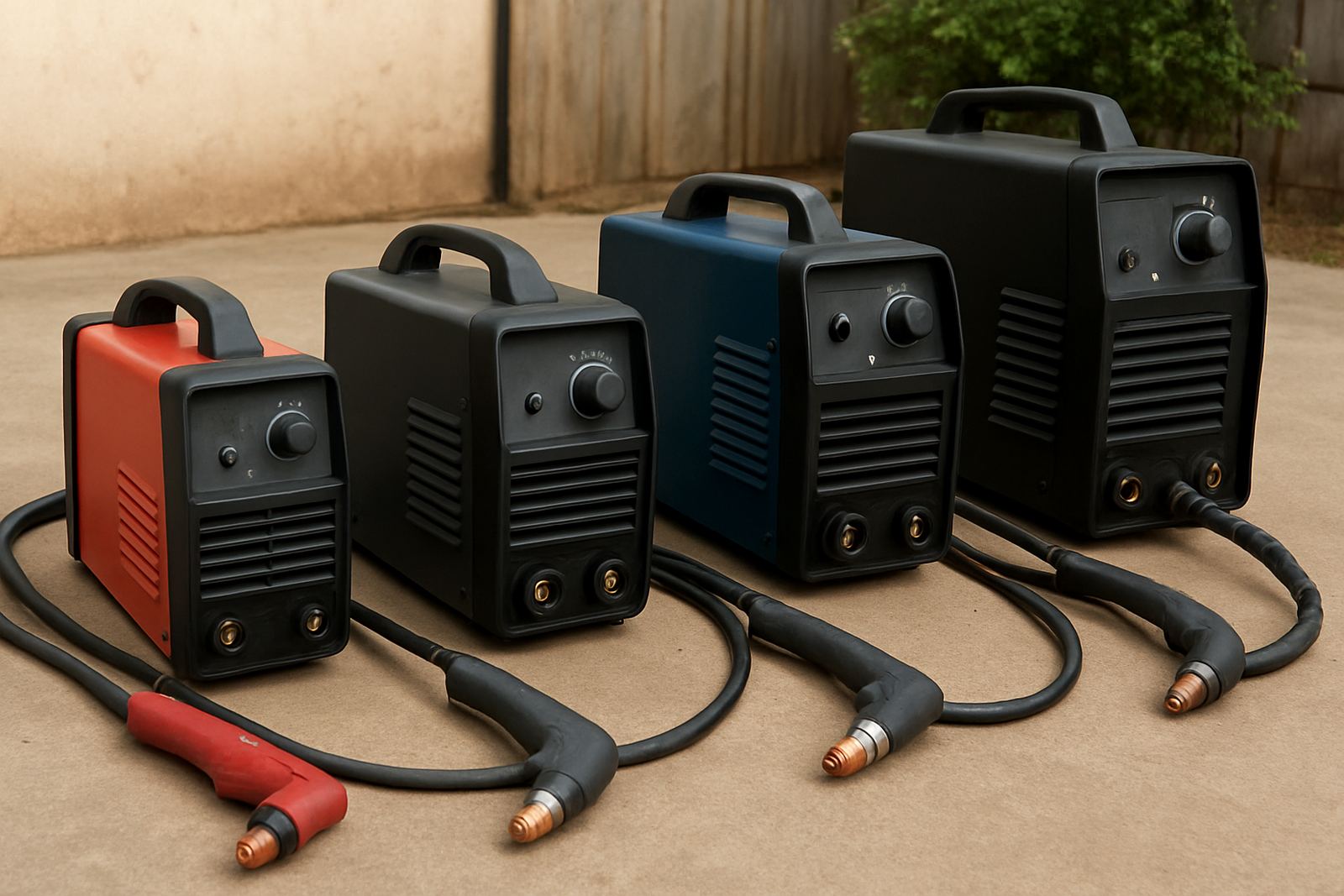
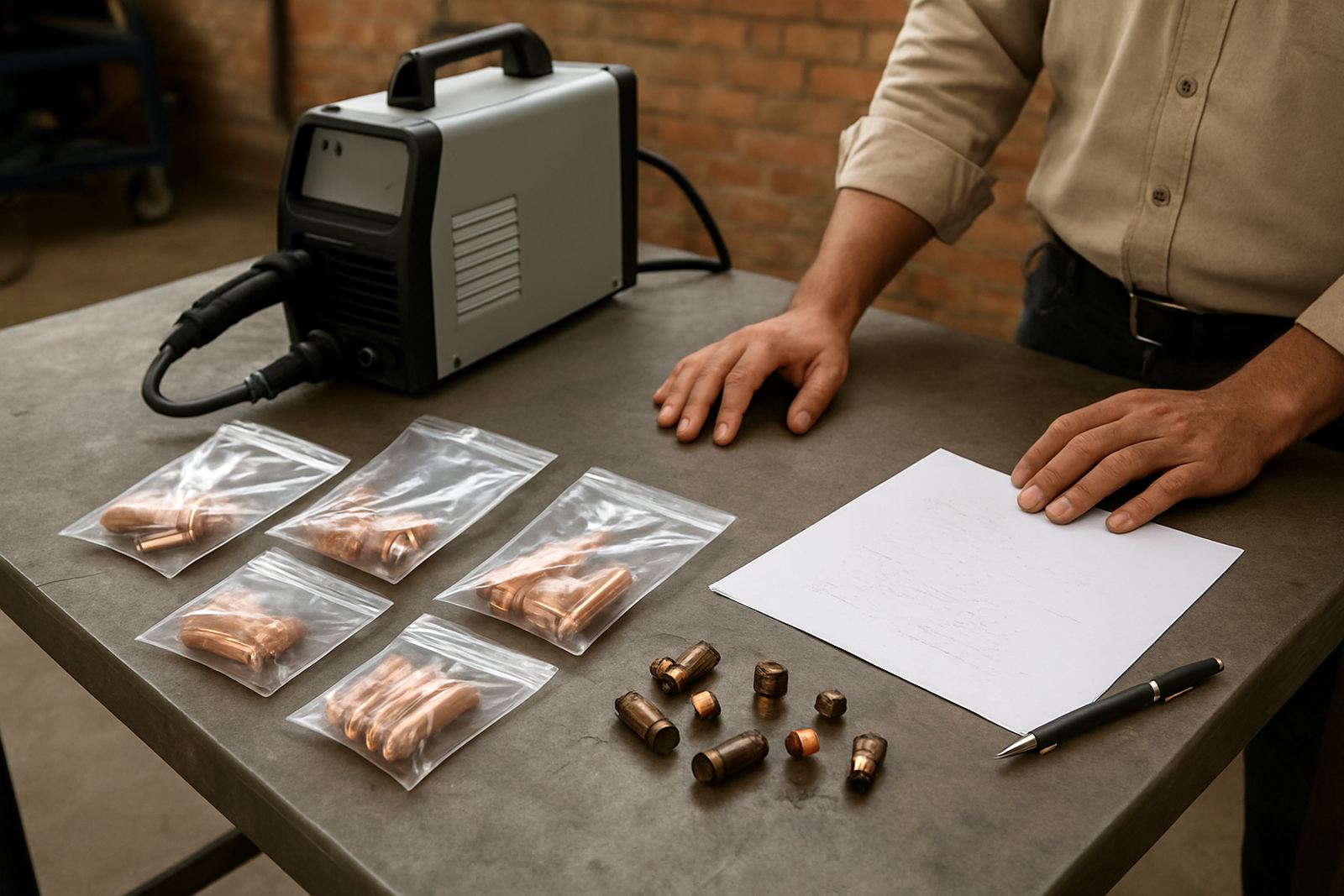
Consumables are the parts that wear during cutting and need replacement over time. On a handheld or CNC plasma system, that usually includes the electrode, nozzle, swirl ring or gas shield parts, plus any retaining pieces linked to the torch. If the machine has an air system, poor air quality can shorten the life of these parts fast, especially in dusty workshops around Vereeniging, Vanderbijlpark or Meyerton.
Cost is not only the price of the part. A low-cost item that fails early can create more downtime, rough edges, extra grinding, and more scrap. That is why it helps to track what you use per shift, per job, or per metre cut.
Typical Cost Drivers That Push Spend Up
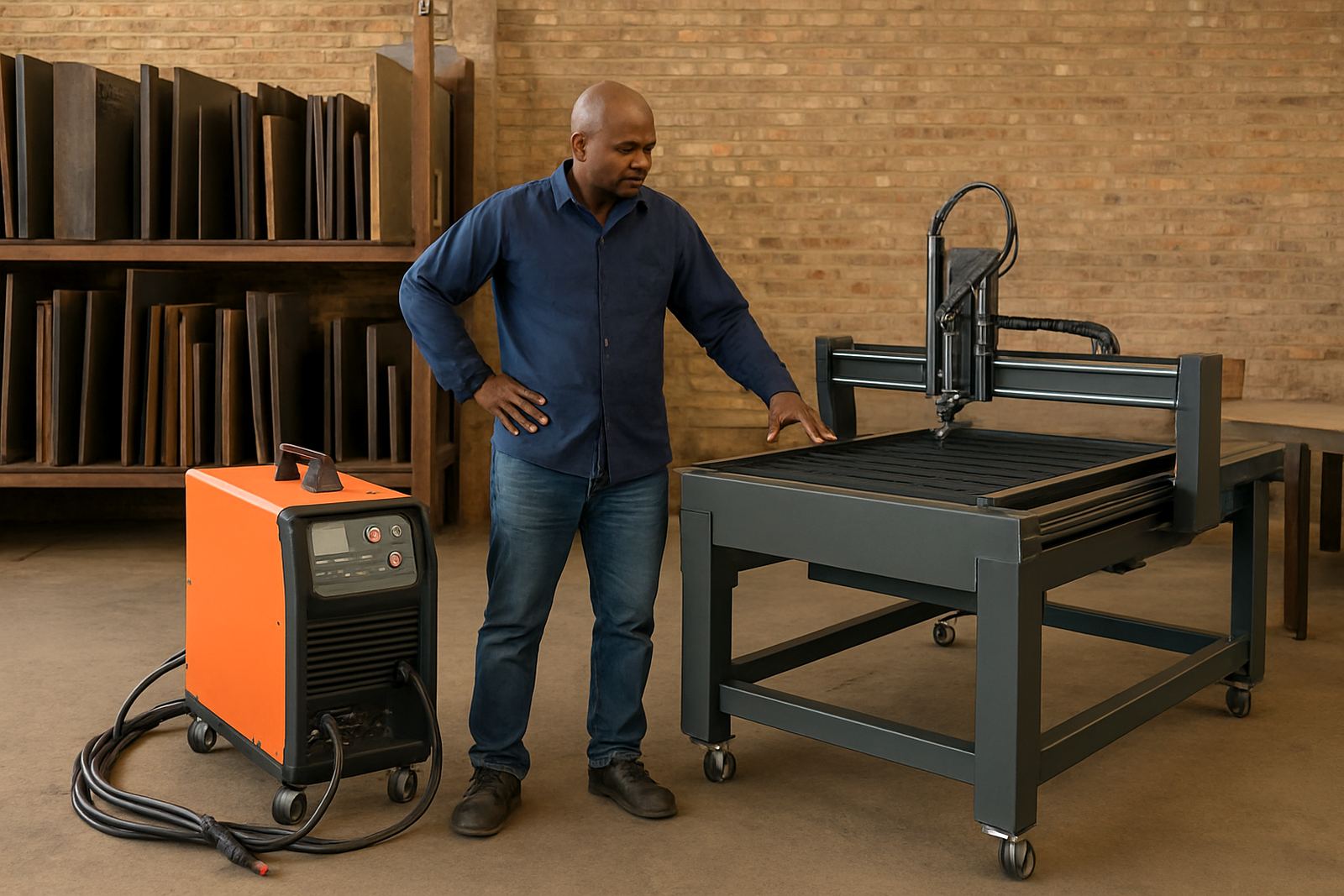
Consumable spend is affected by far more than the torch itself. Cutting amperage, plate thickness, pierce count, operator habits, and compressed air quality all matter. On CNC tables, pierces are often the biggest factor because every pierce uses more of the tip and electrode than a long continuous cut. In automotive and fabrication work, repeated start-stop cutting can push costs up quicker than expected.
- High amperage on thin material
- Too many pierces on a single job
- Dirty, wet or oily compressed air
- Excessive torch standoff or poor height control
- Dragging the torch instead of keeping the correct stand-off
- Running worn parts for too long
If cut quality drops and the operator keeps going, the job may still finish but the total cost rises. You pay for the consumable, plus rework and extra grinding, and sometimes a second cut line.
How to Spot Wear Before It Becomes Expensive
Most consumables give clear warning signs before they fail completely. A nozzle with a blown or oval opening may leave a wider kerf. A worn electrode can cause arc instability, harder starts, and more spatter. If the torch begins to need more cleaning or the cut face looks rougher than usual, dont wait for a full failure.
Use a simple check at the start of every shift. It takes a few minutes and can save a lot of Rand over a month. The earlier you catch wear, the less likely you are to damage the torch body or interrupt production when a delivery is due.
- Check start quality on a scrap offcut first
- Look for inconsistent arc starts or double arcing
- Inspect the nozzle for pitting and oval wear
- Watch for a wider cut than normal
- Check for excess dross or rough bottom edges
- Confirm the air is dry, clean and at the correct pressure
A Simple Replacement Schedule for Busy Workshops
There is no single replacement interval that suits every machine. A workshop in Bloemfontein cutting heavy plate all week will not see the same life as a light-duty unit in a hobby bay. The best method is to record hours, pierces, and parts used, then replace items on condition and usage rather than guesswork.
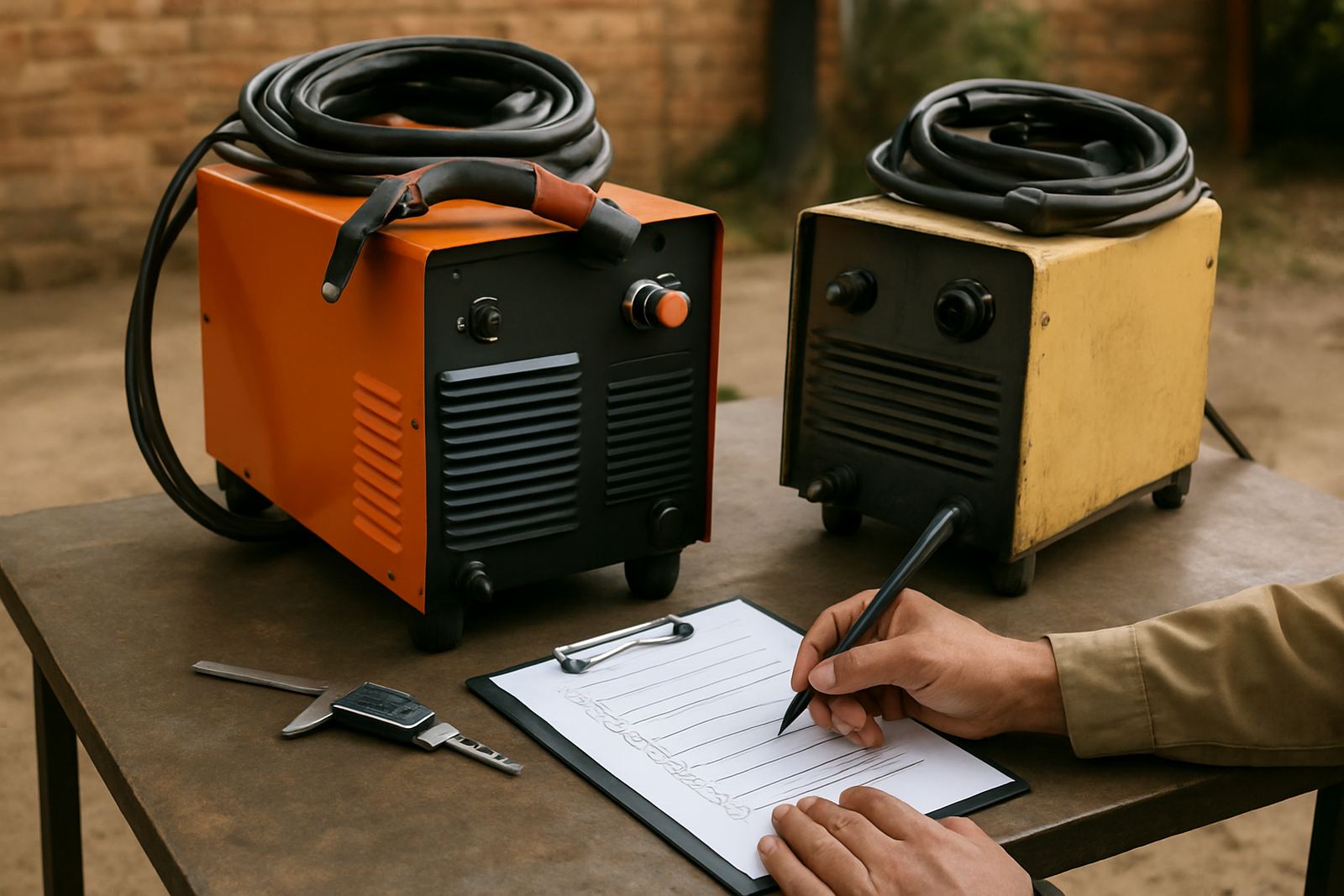
A good habit is to keep one log sheet for each torch or table. Write down the date, operator, material thickness, amperage, and which parts were fitted. After a few weeks, patterns show up. You may find that one operator gets far better life from a set because they pierce correctly and avoid unnecessary starts.
- Log every parts change with date and job type
- Record air pressure and moisture trap checks
- Note when cut quality starts to drop
- Replace sets before a critical job, not during it
How Operating Habits Affect Your Monthly Spend
Good operating habits can reduce consumable use by a meaningful amount. On handheld cutting, keeping the torch square to the plate and allowing the arc to finish its cut properly makes a real difference. On CNC tables, correct height control and pierce settings are even more important because the machine repeats the same movement all day. Small errors become expensive when they are repeated hundreds of times.
Load-shedding also plays a role. If the machine is powered down without a proper stop routine, or restarted with unstable air supply, consumables may take a knock. After outages, check line pressure, moisture levels and settings before resuming production. It is a small step, but it helps keep the torch from chewing through parts faster than necessary.
Budgeting for Consumables in Real Rand Terms
A practical budget should cover routine wear, emergency replacements, and the odd part that fails early. The right figure depends on how much cutting you do, but the monthly plan should be based on actual usage rather than a rough guess. If you cut daily in a fabrication shop, your spend will be steadier. If you only cut during maintenance shutdowns or one-off jobs, it may swing sharply from month to month.
Try this method: total your consumable purchases over three months, then divide by the number of active cutting weeks. That gives a better working average. Add a small buffer for damaged parts, bad air days, and extra pierces on urgent jobs. It is better to carry a bit of stock than to stop work because a nozzle or electrode is missing.
Checklist for Lower Consumable Cost and Better Cut Quality
Before you order more parts, check the basics. A lot of waste comes from setup issues, not from the parts themselves. The checklist below helps keep spend under control in shops across Gauteng and the Free State.
- Confirm the air system is dry, filtered and at the right pressure
- Use the correct amperage for the material thickness
- Keep torch height and stand-off within spec
- Avoid unnecessary pierces on the same job
- Train operators to recognise early wear signs
- Store spare consumables in a dry, clean place
- Schedule servicing before cut quality starts to drift
When consumables are tracked properly, the machine becomes easier to plan around. You get cleaner cuts, less scrap, and fewer surprise stoppages. That is usually where the real saving comes from.