Start With The Steel, Plate And Repair Jobs You Cut Every Week
Before you compare amps or table sizes, list the materials that leave your workshop most often. Mild steel angle, flat bar, plate, brackets and repair patches all place different demands on a cutter. A light maintenance bay doing 1 mm to 6 mm work has very different needs from a production floor cutting 10 mm to 25 mm plate for structural jobs or vehicle parts.
As a rule, buy for your regular work and allow a margin for the odd heavier job. If you only need the top cutting capacity once a month, it may be better to choose a smaller handheld unit and outsource those larger cuts. If your team cuts all day, every day, select a machine that can run within its rated duty cycle without slowing the line down.
Handheld Or CNC For The Workshop Floor
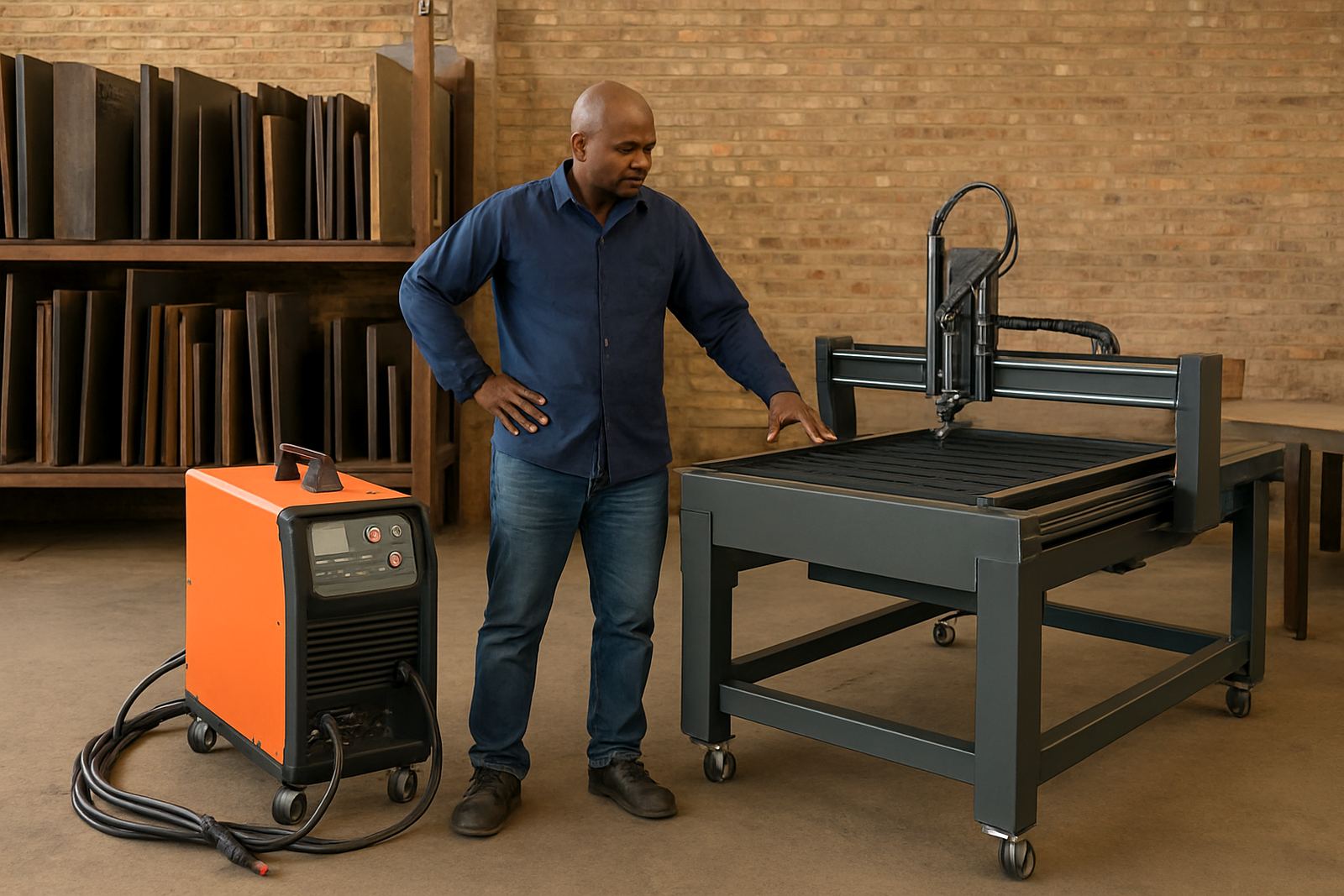
Handheld plasma cutters suit repair shops, fitment work and smaller fabrication teams that need flexibility. They are useful for site work, quick trimming and jobs where the operator must move around the part. CNC plasma cutters suit repeat production, nested sheet layouts and parts that need consistent profiles, hole placement and less finishing.
For many South African workshops the mix is practical: one handheld unit for day to day repairs and one CNC table for repeat cutting. If you run a production bay in Vereeniging, Vanderbijlpark or Sasolburg, a CNC table can help reduce scrap on sheet stock and give you cleaner edges on standard parts. In smaller shops around Meyerton or Alberton, a portable cutter may be the better first purchase if the work changes often.
Check Power, Air And Load-Shedding Reality
Plasma performance depends on stable power and clean compressed air. In local workshops, poor earthing, low voltage and dusty air systems are common causes of weak cuts and worn consumables. If your site experiences load-shedding or generator changeovers, make sure the machine can handle your power source and that voltage dips will not interrupt production mid-cut.
Air quality matters just as much. Water, oil and dirt in the line shorten torch life and affect cut quality. A proper air system inspection should include filter condition, drain points, hose condition and pressure at the machine. Many cutting faults that look like a torch problem are actually caused by bad air or a compressor that cannot keep up under load.
- Confirm the available supply voltage and phase on site.
- Check compressor output against the cutter's air requirement.
- Fit clean filtration and drain moisture regularly.
- Allow for generator use if your site has frequent outages.
Match Cutting Thickness To Real Duty Cycle
Do not choose a cutter only by the maximum thickness printed in the brochure. That number is usually the edge of what the machine can sever, not the thickness it will cut all day with clean edges. For fabrication shops, the better measure is the range of material you need to cut repeatedly without slow travel speed, excessive dross or tip wear.
If your team often cuts 3 mm to 8 mm sheet, a smaller machine with good arc stability may be more practical than a heavier unit that is underused. For 10 mm to 20 mm plate, look for a machine with enough reserve for bevel cuts, start-stop work and longer production runs. Always allow for the difference between clean cutting, severance cutting and edge quality after grinding. That is where the real time is spent.
What To Check Before You Order
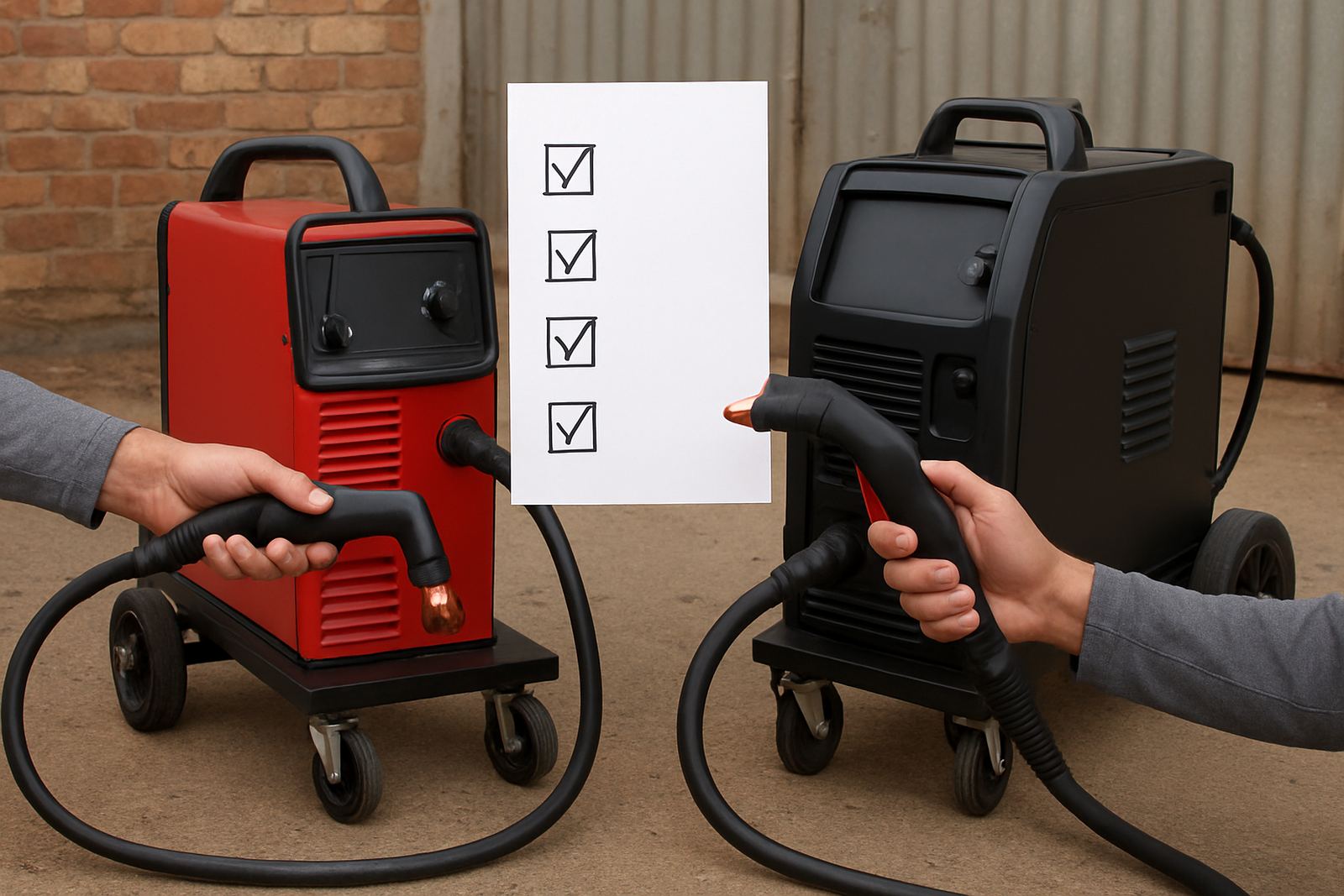
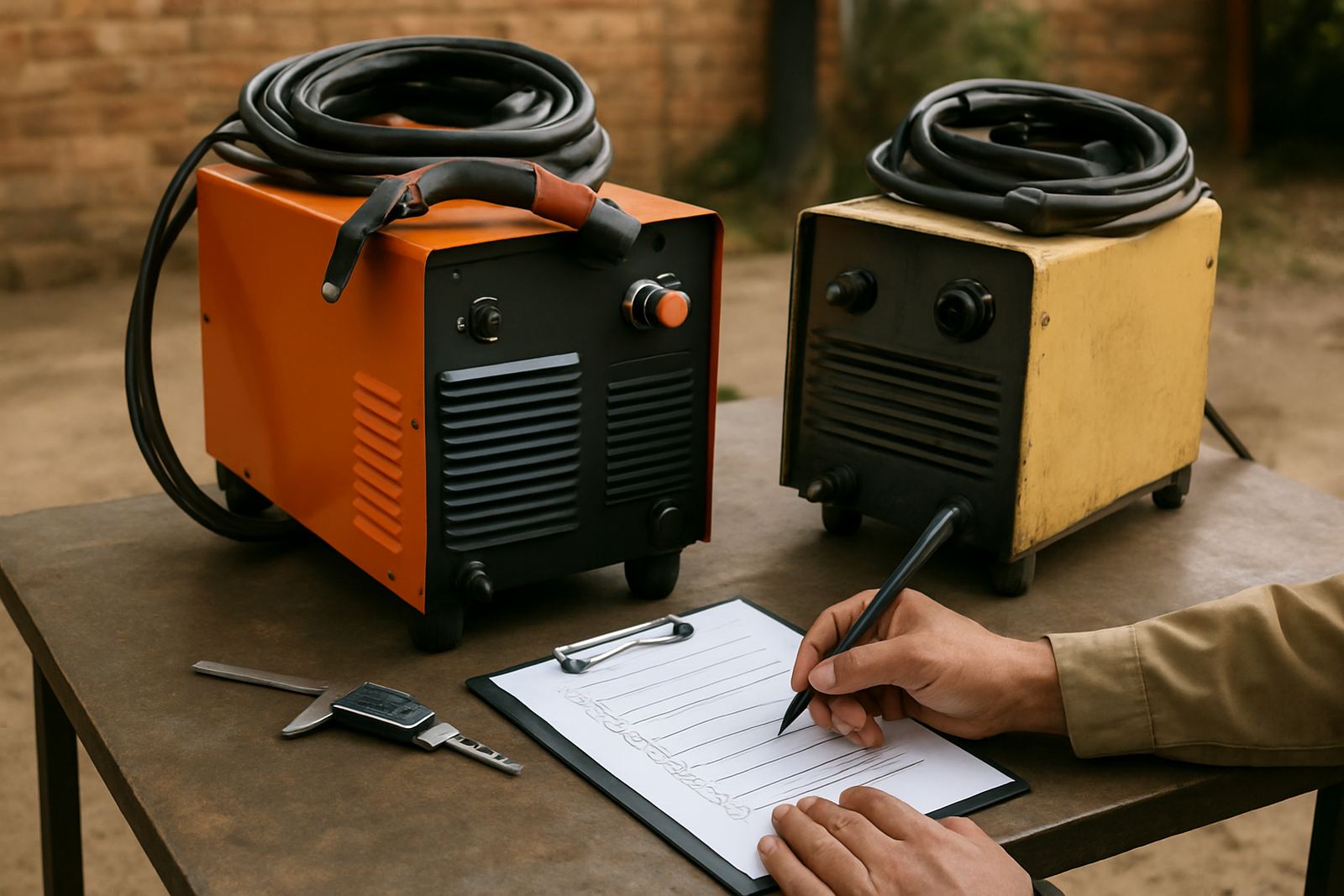
A good purchase starts with a proper checklist. It saves time and keeps the workshop from ending up with a machine that is hard to service, costly to run or too small for the job. Ask for support on setup, training and spare parts availability before the first cut is made.
- What thickness will you cut every week, not just once in a while?
- Will the machine run from mains power, generator power or both?
- Do you need handheld flexibility, CNC repeatability or both?
- How easy is it to replace torch consumables and basic wear parts?
- Can the supplier help with commissioning, training and cut quality checks?
- Is servicing available on site in Gauteng or the Free State?
At PlasmaCutter, customers from Bloemfontein, Welkom, Germiston and surrounding areas often ask for practical advice first, then a demo so they can compare cut quality on their own material. That approach helps you buy once and avoid costly changes later.
Maintenance Habits That Keep A Shop Cutting
Most downtime starts with small issues that were ignored. A torch lead dragged across sharp plate, a clogged filter, loose earth clamp or worn tip can stop production at the wrong time. In a busy fabrication shop, preventive maintenance is cheaper than emergency repairs after a breakdown on a Friday afternoon.
Set a weekly routine for consumables checks, torch inspection, air system inspection and table cleaning. CNC users should also check height control calibration, slat condition and torch alignment. If cut quality changes, do a quick audit before changing settings one by one. It is often a simple fault, not a major repair.
- Inspect torch leads for cracks, heat damage and tight fittings.
- Clean dust from vents and control panels.
- Drain water from the compressor and filters.
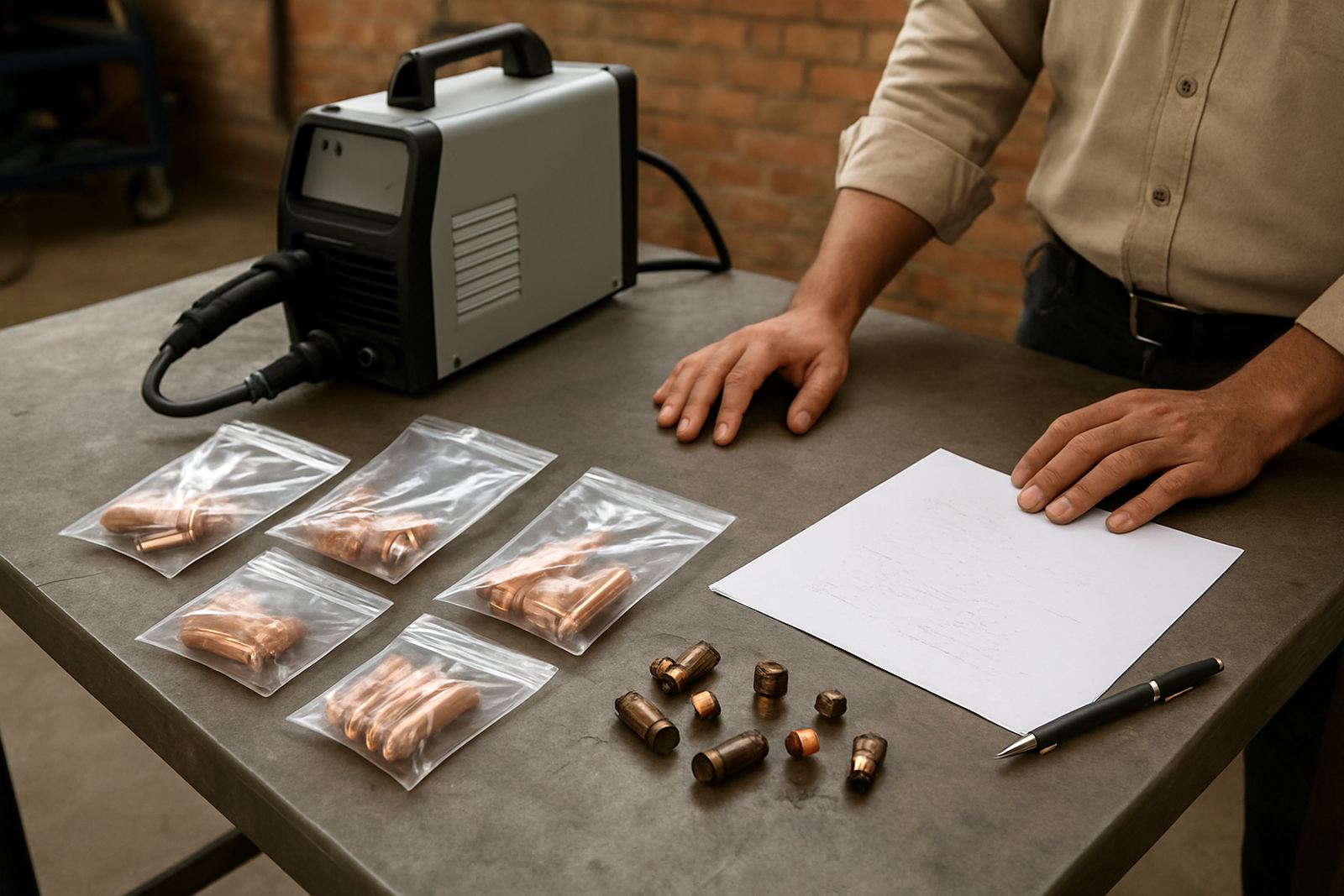
- Check consumable wear before starting a long job.
- Verify earth connection and work clamp position.
When To Call For On Site Help
Some issues can be fixed in-house, but repeated arc instability, poor starting, incorrect torch height or damaged power components need proper attention. If your workshop is losing time on repeat faults, arrange on site breakdown support or machine commissioning after a move or installation. That is especially useful for workshops in industrial areas where every hour of downtime affects delivery dates.
PlasmaCutter supports fabrication teams across Vereeniging, Vanderbijlpark, Sasolburg, Meyerton, Alberton, Germiston, Bloemfontein and Welkom with servicing, spares, operator training and cut quality audits. Whether you run a small repair shop or a larger production bay, the aim is the same: clean cuts, less waste and equipment that keeps earning its keep.