Start With How Often You Cut And What You Cut
If you only need a plasma cutter for a short job, repair work or an occasional fabrication run, hire can make sense. If you are cutting week after week for production, maintenance or a workshop that cannot stop, buying usually works out better over time. A good first step is to count how many hours the machine will actually run in a month, not just how long it will sit in the shop.
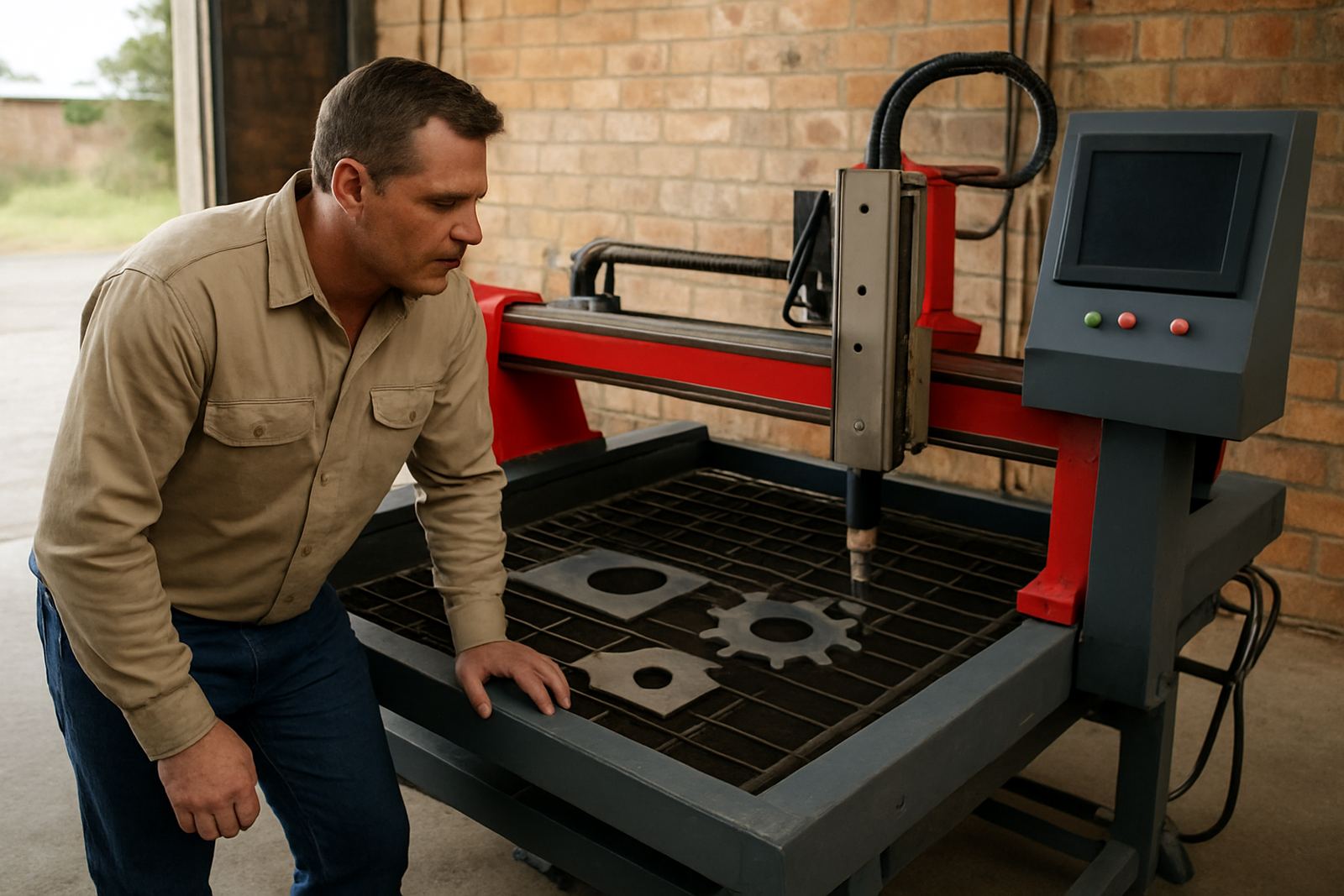
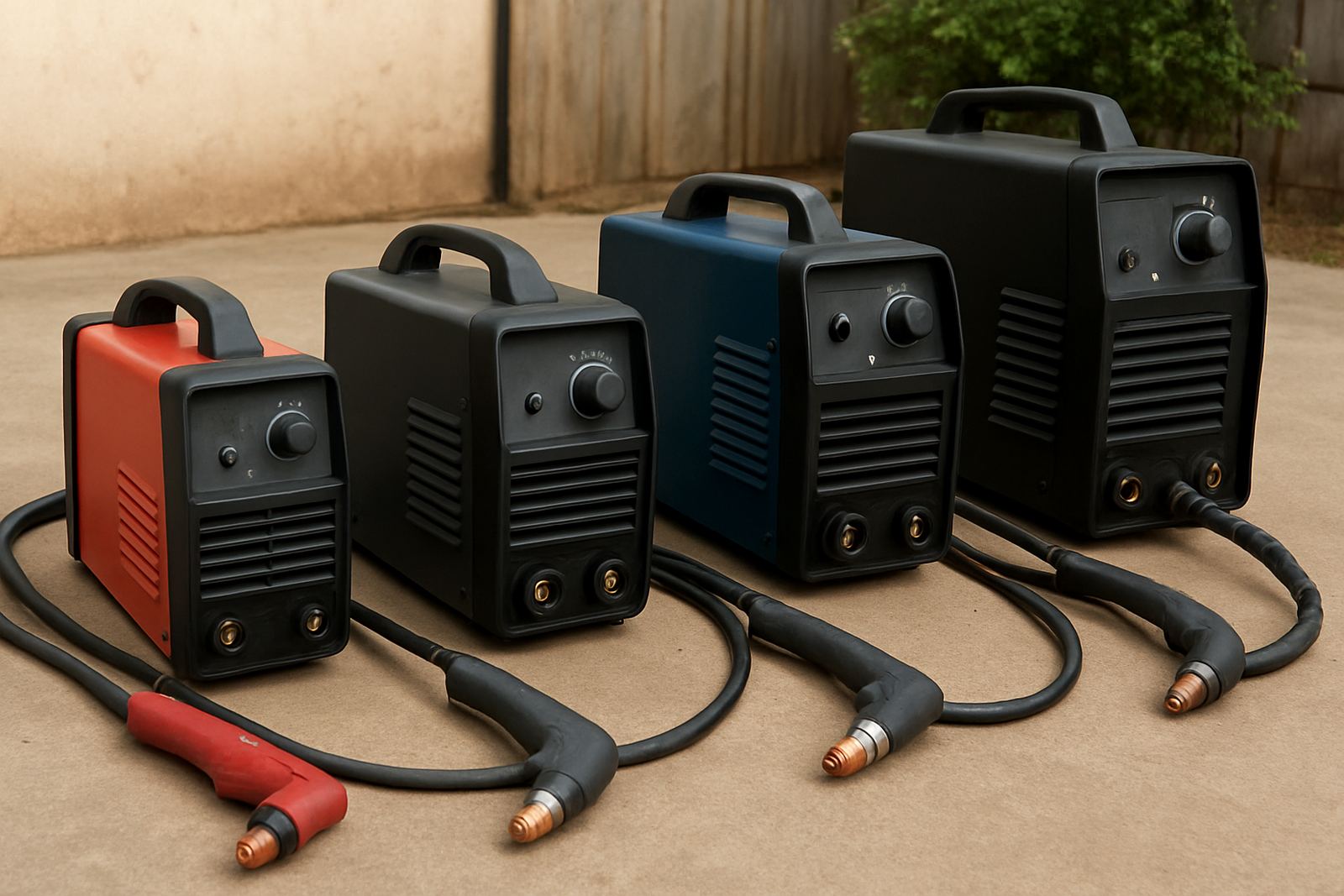
Also match the machine to the material. Thin sheet, brackets, gates and body repair work ask for different output than heavier plate on structural work or vehicle repairs. If you are in Vereeniging, Vanderbijlpark or Sasolburg and the jobs are spread across different sites, think about portability. If you are in a fixed workshop in Alberton or Germiston, a permanent machine may be easier to justify.
- Hire if the job is once-off, seasonal or still uncertain
- Buy if you have regular cutting demand each month
- Check the maximum thickness you need, not just the average
- Include travel time, setup time and cleanup in the decision
When Short-Term Hire Makes Better Sense
Hire suits businesses that need flexibility. It is useful for shutdowns, urgent breakdown work, trial runs before a purchase, or temporary contract work where you cannot commit capital upfront. It can also help if you need to finish a project while your own unit is in for repair or a commissioning is still pending.
For many clients in the Free State, hire is useful when work comes in bursts from farms, workshops or municipal projects. You pay for the period you need and avoid holding a machine that may stand idle later. It can also reduce pressure if cash flow is tight after material purchases, wage runs or slow debtor payments.
- Short project window with a clear end date
- Testing a process before buying the wrong size unit
- Back-up cover during repairs or maintenance stoppages
- Temporary site work where transport and security matter
Do check what is included in the hire arrangement. Ask about setup support, consumables, duty cycle expectations and what happens if the job runs longer than planned. On a busy site, that detail matters more than a low headline rate.
When Ownership Pays Off Over Time
Buying makes sense when cutting is part of your daily or weekly workflow. If you run a fabrication shop, auto repair business or maintenance team, ownership gives you control over availability, settings and operating costs. You can train your own operators, set your own service schedule and avoid waiting for a unit to become available.
Ownership is often the better call if your work is spread across multiple jobs in Gauteng and the Free State, because a machine at your base in Vereeniging is always ready when needed. It also makes sense when you already have stable compressed air, proper electrical supply and enough work to keep the machine productive. If you are using it often, the cost per cut usually drops a lot faster than with hire.
Think beyond the purchase price. Add in torch repairs, power source repairs, preventive maintenance, consumables checks, air system inspection and occasional cut quality audits. A machine that is well looked after will usually give cleaner edges and less rework, which saves time and material.
A Simple Cost Check Before You Decide
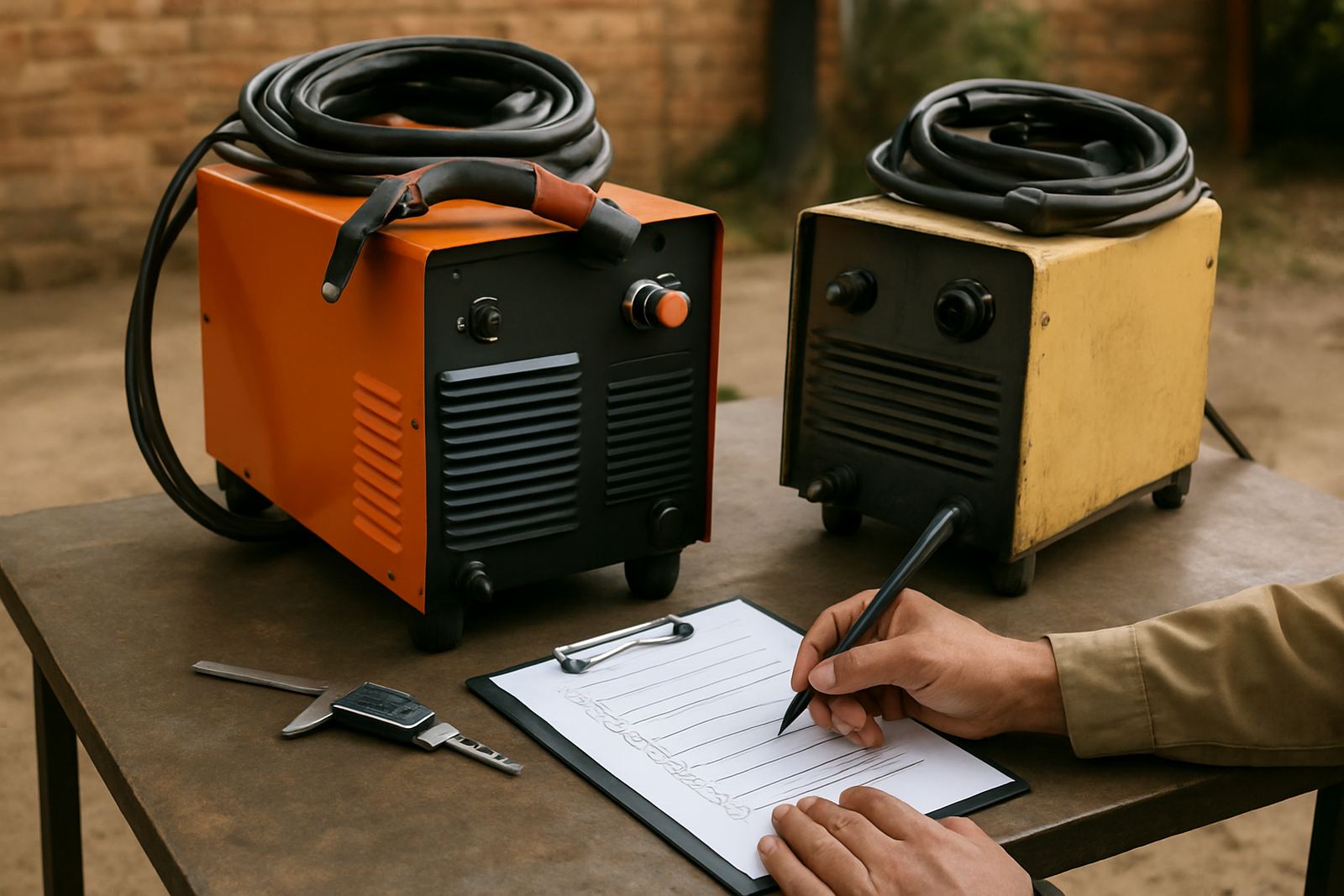
Compare hire and buy using a plain monthly view. Work out how many days you expect to cut, then estimate the total cost of hiring for that period. Against that, compare the monthly cost of ownership, including finance if applicable, maintenance, consumables and any downtime risk. The cheaper option is not always the one with the lowest first invoice.
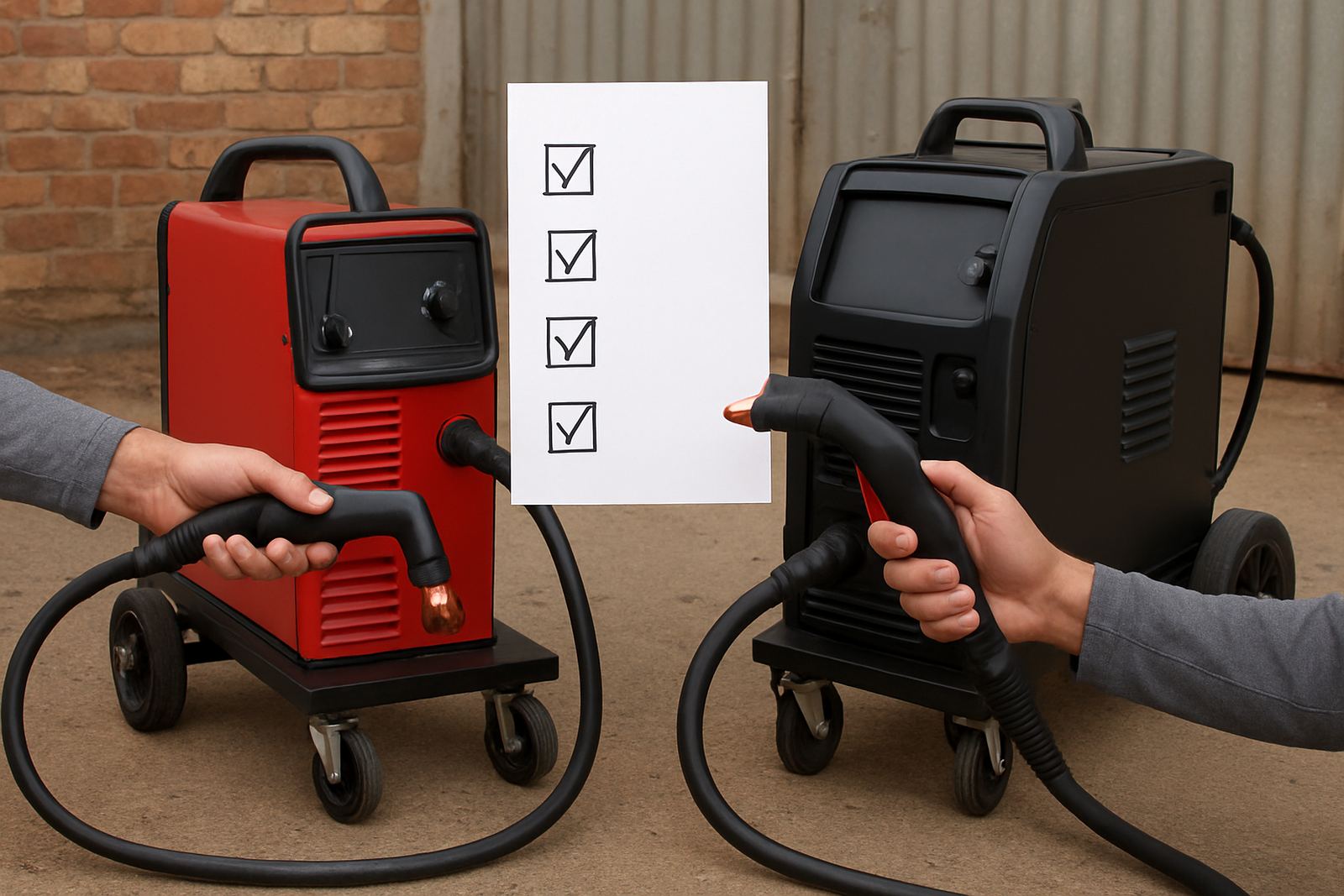
Use this quick check before making the call:
- How many cutting days do you have each month?
- What material thickness and finish quality do you need?
- Will the machine be used on one site or moved often?
- Do you have stable power and air on site, especially during load shedding?
- Can your team operate it without slowing other work?
- Will downtime cost more than the hire rate or ownership cost?
If your numbers are close, think about risk. A hire machine may cost more for the month but reduce repair headaches. A purchased machine may cost less over time but needs service planning and disciplined use. The best choice is the one that fits the way you actually work, not the one that looks best on paper.
Checklist For Site Readiness Before A Hire Or Purchase
Whether you hire or buy, the machine still needs the right conditions. A lot of cutting problems come from poor air, unstable power, badly trained operators or poor maintenance. Before you commit, check the basics at the workshop or on the site.
- Electrical supply is suitable for the unit and protected from sudden faults
- Compressed air is dry and clean enough for cutting work
- Tables, clamps and work areas are stable and safe
- Operators know how to start, adjust and shut down the machine properly
- Replacement consumables are on hand before the job starts
- There is a plan for breakdowns, after-hours faults and load shedding interruptions
In coastal and humid areas, moisture in the air line can shorten consumable life and affect cut quality. In industrial areas, dust and metal offcuts can also cause trouble if the setup is not kept clean. A short readiness check now can prevent a long stop later.
How PlasmaCutter Supports Hire, Purchase And Servicing
Our base is in Vereeniging, with demos and servicing across Gauteng and the Free State, including Vanderbijlpark, Sasolburg, Meyerton, Alberton, Germiston, Bloemfontein and Welkom. We help clients decide whether a short-term hire path or full ownership will suit their work, budget and workshop conditions. That support includes machine commissioning, operator training and practical guidance on consumables and cut quality.
If you already own a unit, we can help keep it in working order with on site breakdowns, preventive maintenance, CNC table servicing, height control calibration, spares supply and cut quality audits. If you are still deciding, we can help you weigh the real workload, the expected run time and the support you will need after the first job is complete. In many cases the decision is not about hire versus buy in the abstract, it is about whether your site can keep the machine productive and safe.
Use the enquiry form on our contact page to ask for advice, a demo or a servicing visit. Marius van der Merwe and the team work with hobby users, workshops and production teams every week, so the advice is practical and grounded in local conditions, not theory.