Match the cutter to the jobs your bay handles
In an automotive shop, the cutting list changes every day. One bay may be trimming exhaust brackets and panel sections, while another is fabricating mounts, floor repairs or roll cage parts. For that reason, start with the jobs you do most often, then match the machine to the material and duty cycle needed in a busy South African workshop.
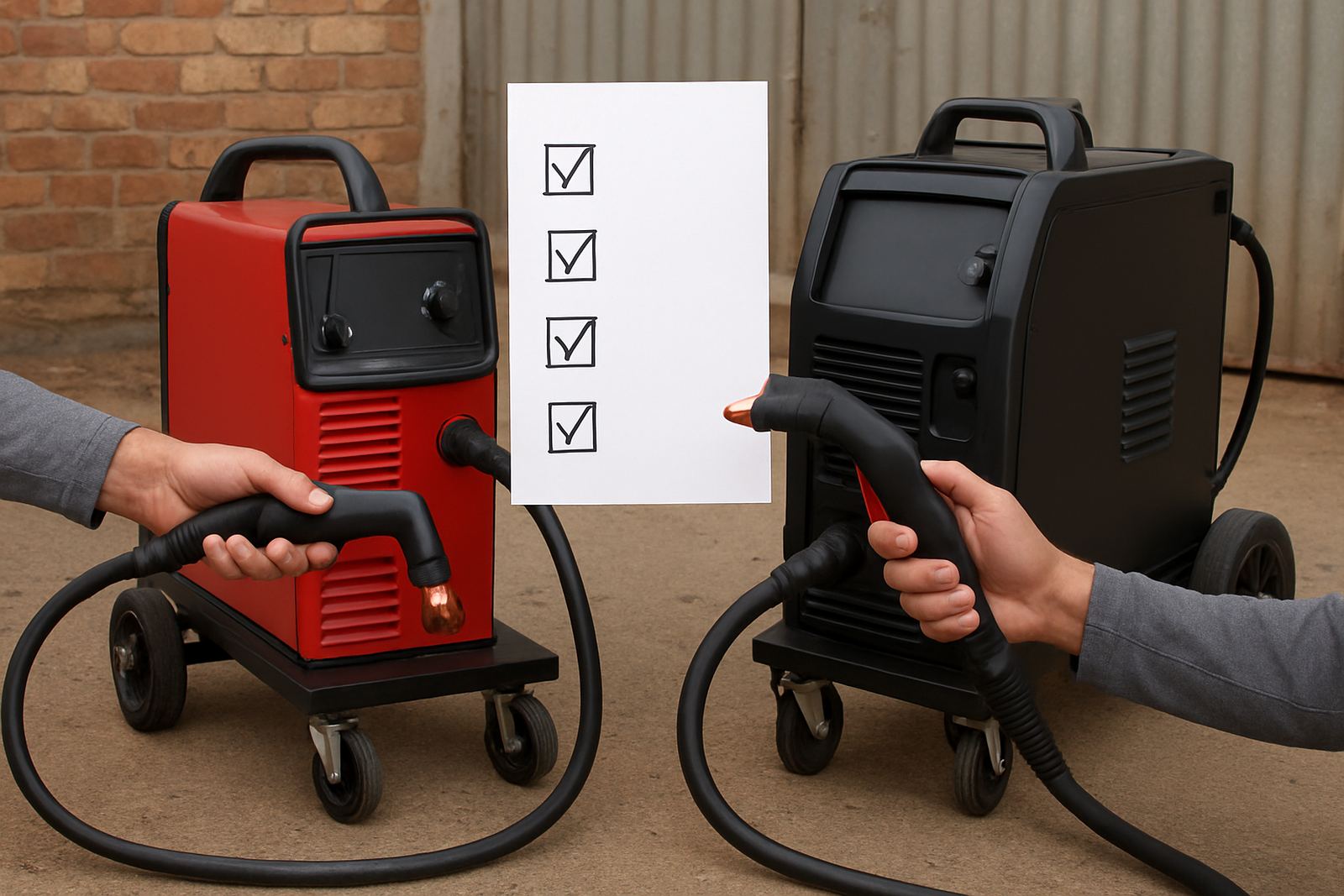
If your work is mainly light repair and fitment, a handheld plasma cutter can save time on mild steel, stainless and aluminium. For custom builds, jigs and repeatable parts, a CNC plasma cutter gives cleaner consistency and better control on sheet sizes. In Vereeniging, Vanderbijlpark and Meyerton we often find shops choose too little capacity for weekly output, then the unit runs hot during load-shedding recovery and back-to-back jobs.
- List your common material thicknesses in millimetres.
- Check whether you cut hand-held, on a table, or both.
- Count how many hours per day the machine will run.
- Allow extra capacity for thicker brackets and occasional rescue work.
Choose power, air and duty cycle with local conditions in mind
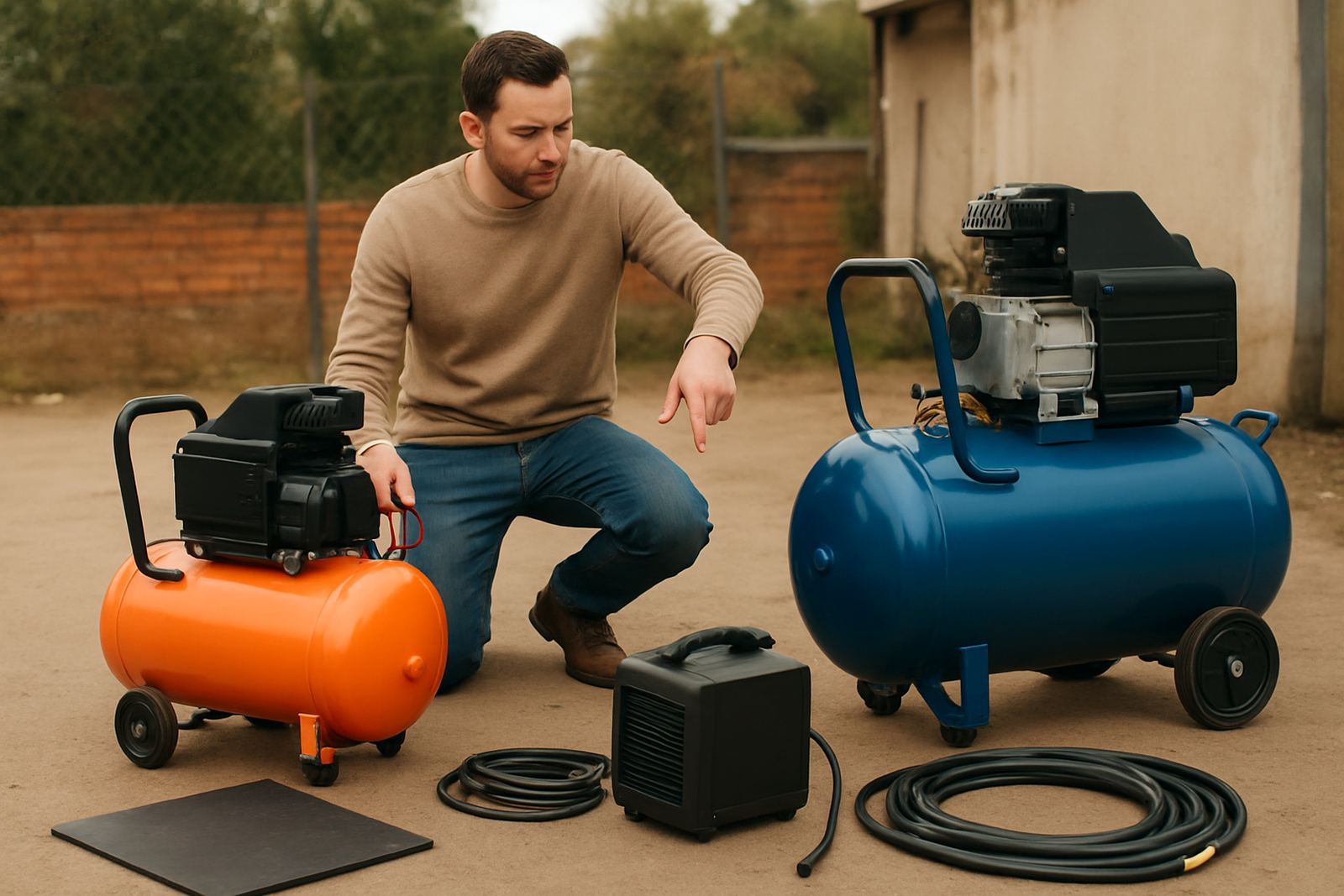
A plasma cutter needs stable power and clean compressed air to perform well. In Gauteng, many workshops deal with voltage dips, generator changeovers and air lines that carry moisture after cold mornings. Near Sasolburg and across the Free State, dust and summer heat can also shorten consumable life if the setup is not maintained.
Look at the supply you have before choosing a machine. A smaller workshop may work with a single-phase unit, while a larger fabrication bay or CNC table often needs three-phase power. If your premises see load-shedding, choose equipment that can recover cleanly after interruptions and does not lose settings each time the power drops. That makes daily work easier and reduces scrap.
- Confirm available supply: single-phase or three-phase.
- Check compressor output and line dryness.
- Ask whether the machine is suited to generator use.
- Allow space for ventilation and safe cable routing.
Handheld or CNC: what suits repair bays and custom shops
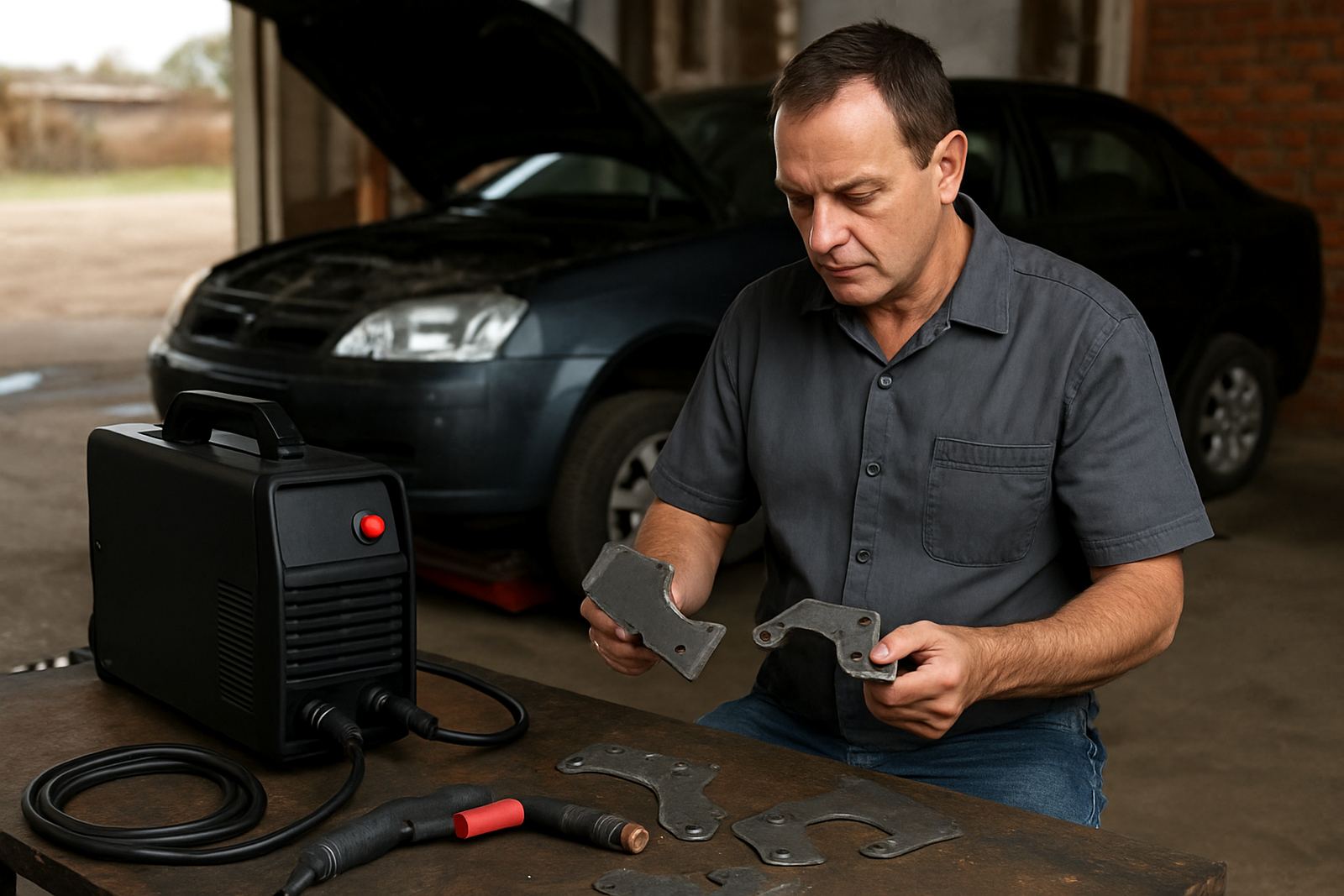
Handheld units are usually the first choice for repair bays because they are quick to move and simple to use. They are good for cutting brackets, rusted sections, body repair patches and odd shapes where the part does not justify a table setup. They also suit mobile work and smaller premises with limited floor space.
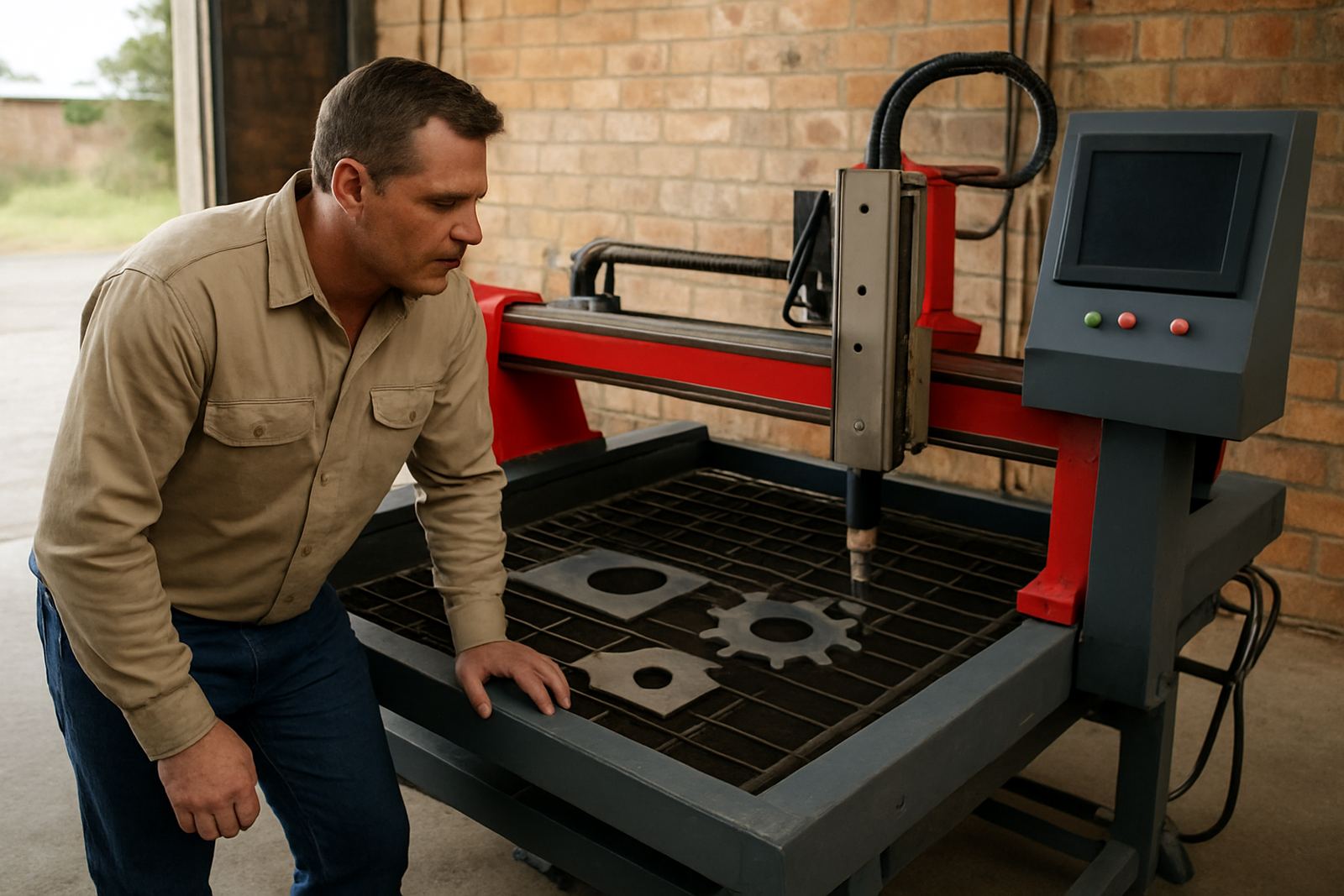
CNC plasma cutters are better when the shop makes repeat parts, runs templates or needs cleaner edge quality on panels and brackets. A CNC table helps with accuracy, nesting and batch work. For restoration shops in Alberton, Germiston and Bloemfontein, that can mean better fitment on custom floor pans, suspension parts and sign off brackets. The trade-off is setup time, table space and more attention to maintenance.
- Choose handheld for flexibility and mixed repair work.
- Choose CNC for repeat parts, accuracy and cleaner batches.
- Check access to the work area before buying a table.
- Ask who will program, load and clear the cut files.
Consumables and cut quality on thin and thicker steel
Consumables affect cut quality more than many workshops expect. If the nozzle, electrode and swirl ring are worn, the cut will widen, the edge will bevel and the operator will spend more time grinding. On automotive work, that extra grinding can distort thin steel and slow the entire job.
Good practice is to inspect consumables daily, keep the torch clean and avoid dragging the nozzle through slag. Clean dry air matters just as much. Moisture in the air line causes unstable arcs and shortens parts life, especially in humid coastal weather or after a cold night. For body repair and restoration, a sharp cut edge can reduce filler work and keep panels fitting properly.
- Check consumables before every shift.
- Drain water traps and inspect filters often.
- Keep spare tips and electrodes in a dry container.
- Replace parts before quality starts to drift.
Workshop checklist before machine commissioning
Before commissioning, walk through the bay and check the whole setup, not only the cutter itself. Plenty of site issues come from poor air supply, loose clamps, damaged leads or a table that is not level. In a busy shop, the fastest machine in the world will still underperform if the basics are not right. That’s why a proper startup check saves time later and cuts down on breakdowns.
We recommend a structured handover with the operator, the foreman and anyone who will do daily checks. This also helps when multiple staff members use the machine across different shifts. If your workshop is in Vereeniging, Welkom or Bloemfontein, keep the checklist in the same place every day so there is no confusion after power interruptions or shift change overs.
- Confirm power supply and earthing.
- Test compressed air pressure and dryness.
- Inspect torch, leads and clamps for damage.
- Verify table level, fume extraction and clear access.
- Run a sample cut and check edge quality.
Maintenance steps that keep the bay moving
Preventive maintenance is easier than waiting for an on-site breakdown. For automotive shops, this usually means torch repairs, power source checks, air system inspection and regular consumables checks. If a machine is used daily, even small issues can build into downtime quickly. A loose connection or dirty air line can cause a full day of rework.
Keep a monthly routine and assign someone to sign off the basics. The operator should know what normal sound, arc stability and cut appearance look like. If the machine starts behaving differently, stop and check it before the fault grows. For CNC tables, height control calibration and table servicing are part of keeping parts accurate. On manual units, clean torch parts and good cable handling make a clear difference over time.
- Daily: drain air lines and inspect consumables.
- Weekly: check cables, clamps and torch condition.
- Monthly: review cut quality and air delivery.
- As needed: book repairs before the fault spreads.
Support, training and when to ask for a site visit
Buying the right cutter is only the first step. The real value comes from using it well, training staff properly and keeping it supported when conditions change. Workshops across Gauteng and the Free State often need operator training after staff turnover, or a field visit when a table starts cutting out of square, the arc becomes unstable, or the cut edge no longer meets job specs.
If your shop serves fleet repairs, exhaust work, restoration or custom fabrication, it helps to have a supplier that can support demos, commissioning and after-sales guidance. That includes spares supply, cut quality audits and machine checks when the bay is under pressure. A quick service visit can save a week of lost production, especially when a job is sitting half-finished and the customer is waiting.