
Start with the plasma cutter air demand, not the compressor size
The first number to check is the air requirement of the plasma system itself. Look at the cutting current, the duty cycle and the minimum pressure needed at the machine. A small handheld unit may seem simple, but if the compressor cannot deliver enough air at the right pressure the arc becomes unstable, the cut face roughens and consumables wear out faster.
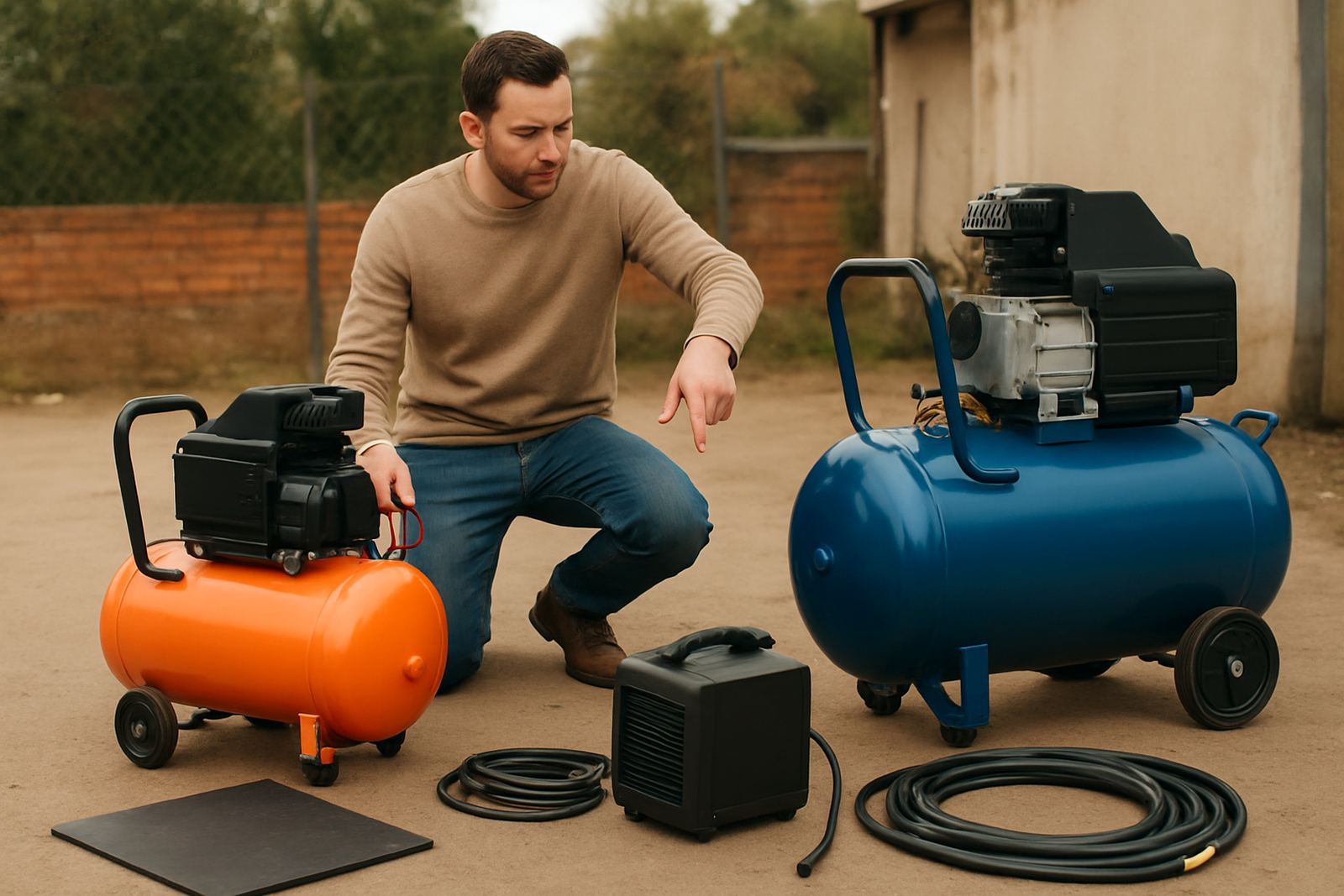
Do not judge a compressor by tank size alone. A 50 litre tank with poor delivery can struggle more than a properly sized unit with a smaller tank and better output. For workshops in Alberton, Germiston or Sasolburg running long shifts, the real question is whether the compressor can hold pressure during repeated starts and stops, especially when other air tools are also in use.
Check pressure, flow and duty cycle together
Pressure is only one part of the picture. Flow, usually shown as litres per minute or cubic feet per minute, must match the plasma cutter while the machine is actually cutting. Duty cycle matters too, because a compressor that is rated well on paper may overheat if it runs too long in warm weather or inside a tight plant room.
- Confirm the cutter’s minimum operating pressure.
- Check the air flow needed at that pressure, not just free air delivery.
- Make sure the compressor can run through a normal shift without constant recovery time.
- Allow extra capacity if you use air for blow off guns, filters or other workshop tools.
If you are planning a CNC table in Vanderbijlpark or a fabrication bay in Bloemfontein, aim for headroom. That extra margin protects cut quality and reduces nuisance trips when the workshop gets busy.
Dry air is as important as enough air
Compressed air for plasma cutting must be clean and dry. Water, oil and rust particles cause poor arc starts, dirty edges and clogged torch parts. In humid areas such as parts of Gauteng and during wet Free State weather, moisture build-up is a common problem and it gets worse when the compressor sits in a hot corner with poor ventilation.
At minimum, inspect whether the system has proper filtration, a water trap and a way to drain the tank regularly. If your workshop runs long hours or you cut fine sheet metal, add drying equipment where needed. That saves consumables and helps keep cut quality consistent. A cheap compressor with wet air often becomes expensive very quickly.
Match the compressor to your workshop layout and power supply
Think about where the compressor will sit, how far the air line must travel and what power supply is available on site. Long pipe runs cause pressure drop, especially if the line is undersized or full of sharp bends. If the compressor is far from the plasma table, you may lose performance before the air even reaches the torch.
Power supply is just as important. In many local workshops load-shedding means equipment starts and stops often, which is hard on motors and pressure switches. If you use a generator or backup supply, check that it can handle the compressor starting load as well as the plasma system. That point is often missed until commissioning day.
- Keep air lines as short and straight as practical.
- Use the correct pipe diameter for the flow required.
- Allow for ventilation around the compressor motor and pump.
- Plan for reliable restart after outages.
Use the right compressor type for the work you do
Not every workshop needs the same setup. A hobby user in Meyerton cutting light brackets now and then will not have the same demand as an auto repair shop in Welkom or a fabrication business in Vereeniging running a CNC table every day. Choose equipment for the way you actually work, not the biggest unit on the shelf.
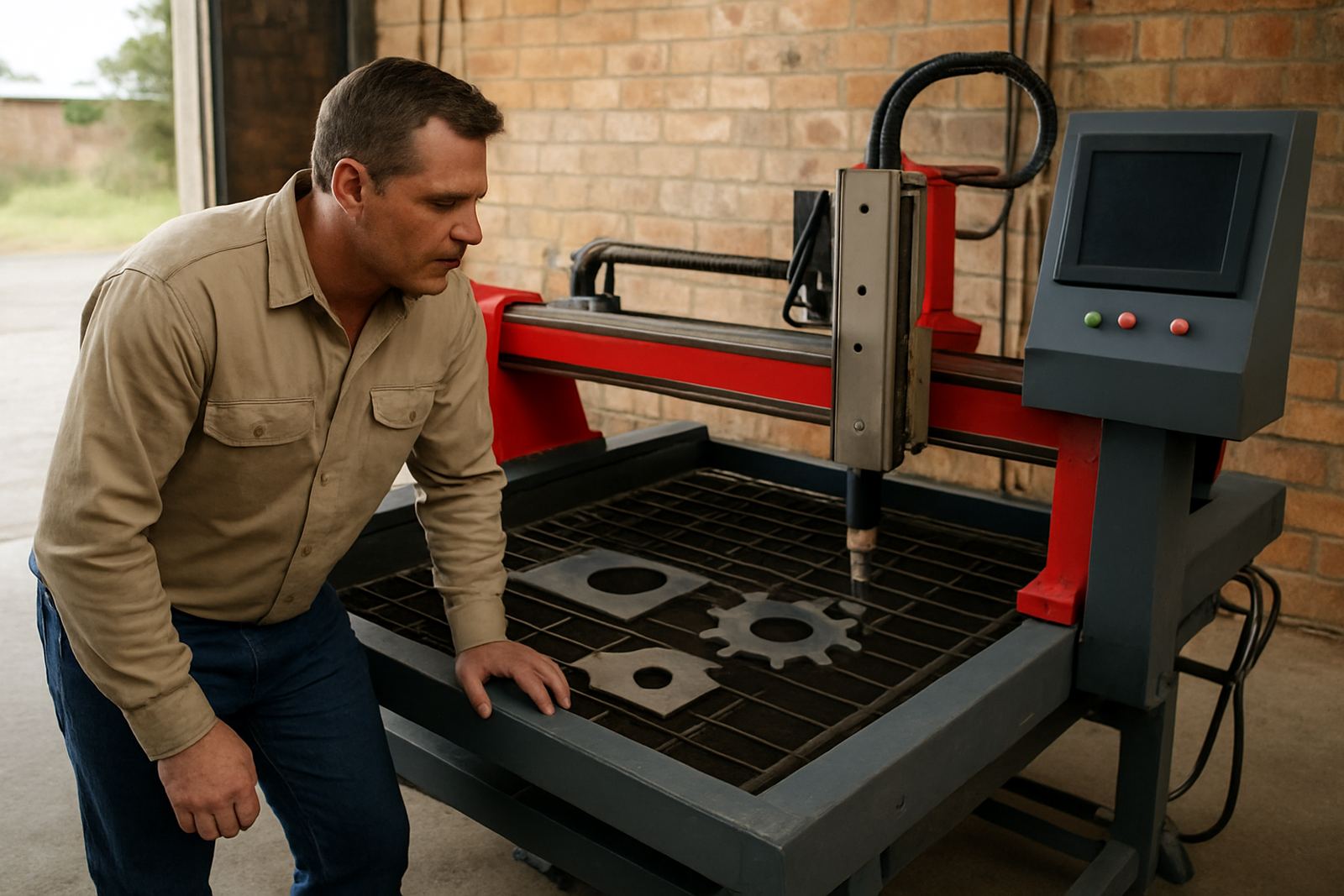
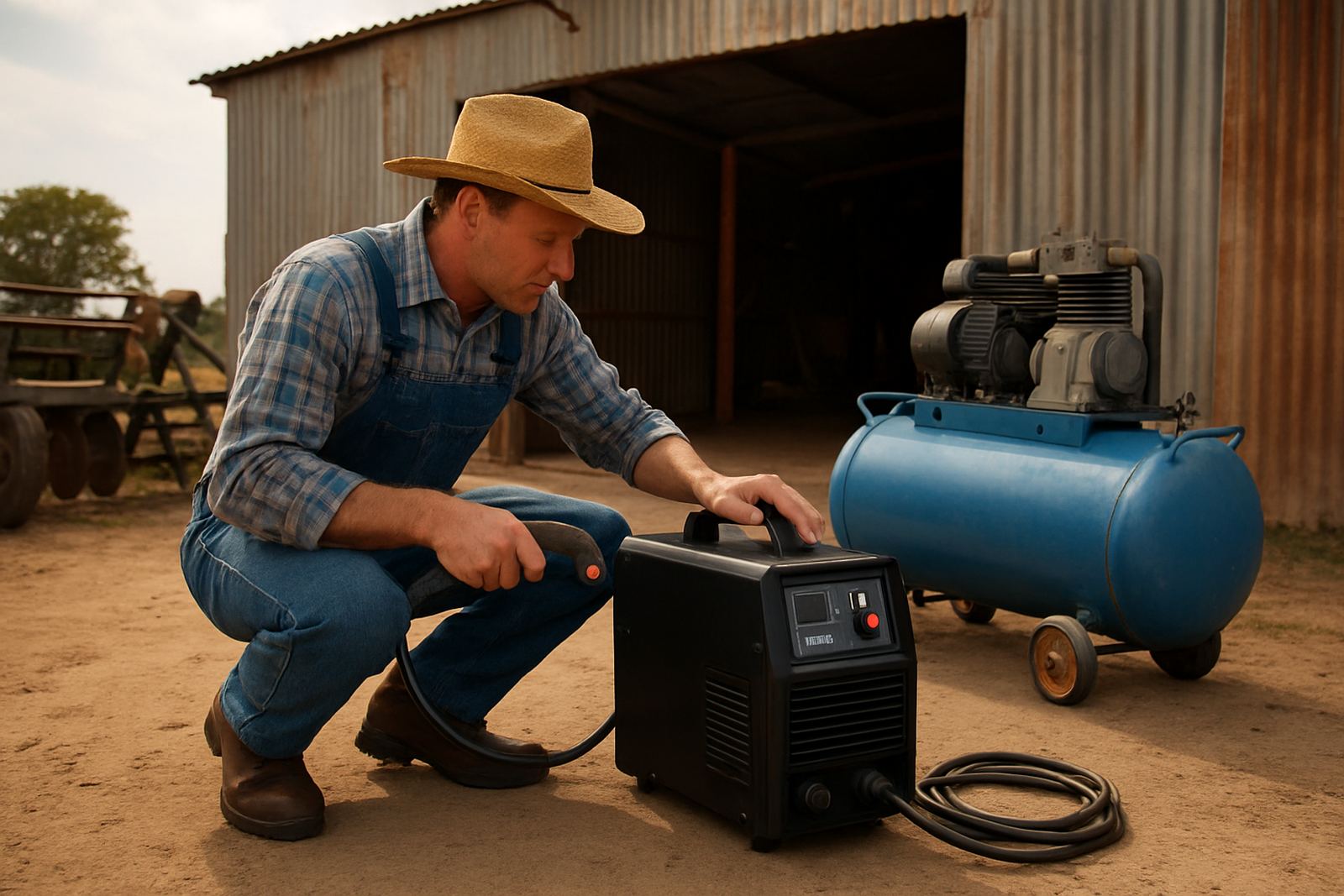
For intermittent handheld cutting, a well matched piston compressor may be enough if the air quality is controlled. For repeated production cutting, longer run times or multiple stations, look at higher output and more stable supply. If the system feeds a CNC table, make sure the air supply can stay steady during long programmed cuts. A drop in pressure at the wrong moment can affect pierce quality and edge finish.
Before you buy, run through this practical checklist
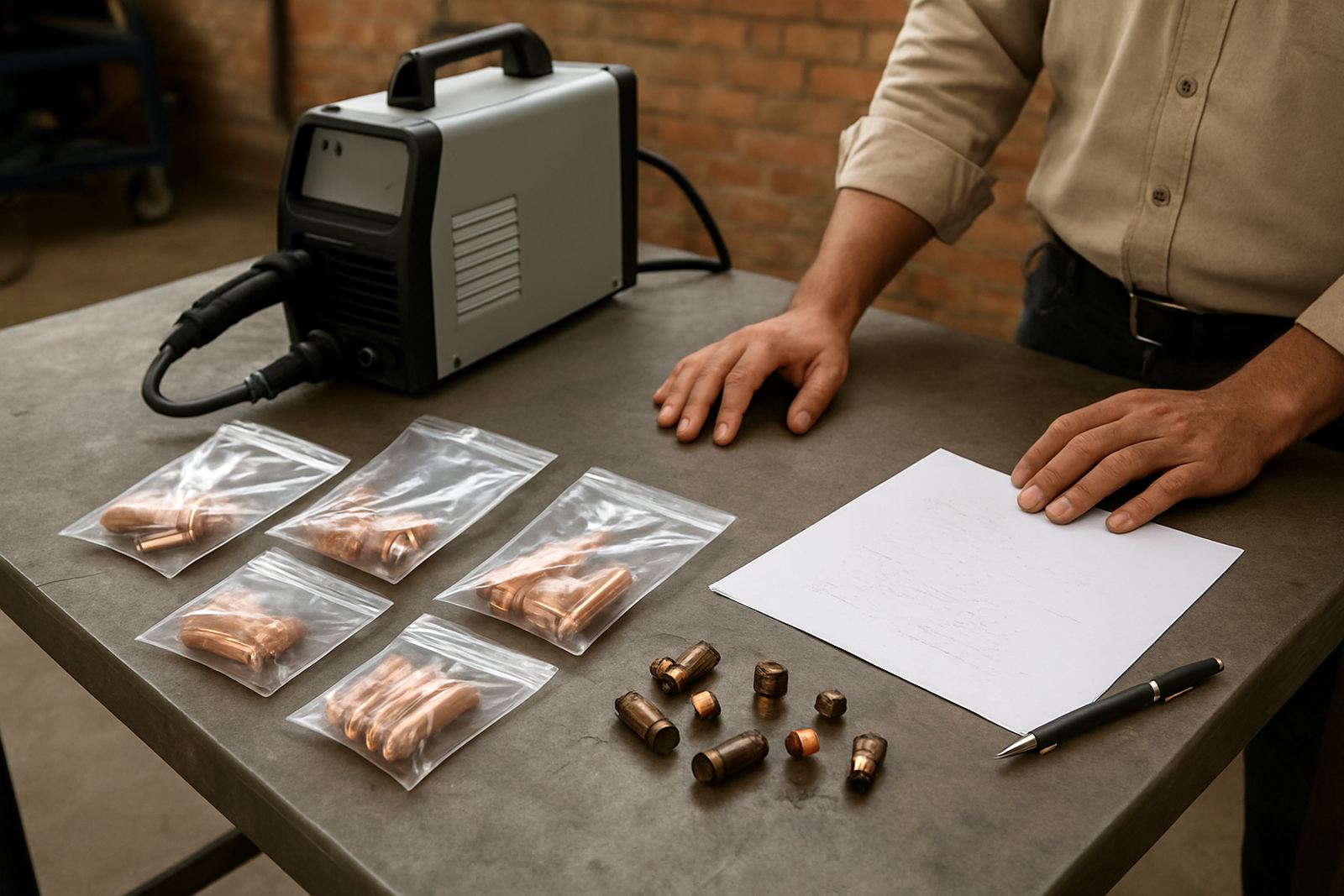
Use a simple checklist before making the purchase. It helps prevent costly mismatch between the compressor and the plasma system, and it makes commissioning easier when the equipment arrives on site.
- Plasma cutter air pressure requirement confirmed.
- Air flow at working pressure confirmed.
- Duty cycle checked against planned daily use.
- Filtration and moisture control planned.
- Electrical supply and starting load checked.
- Pipe size and line length reviewed.
- Space for maintenance, drainage and ventilation allowed.
If any of these points is unclear, get it checked before you place the order. A short review now is better than chasing rough cuts, burnt consumables and avoidable downtime later.
When to ask for a site check or training
If your setup includes a CNC table, multiple workstations or frequent breakdowns caused by air quality, a site assessment can save time. A technician can check the compressor output, line pressure, moisture control and general condition of the air system. That also helps when setting up new equipment in Sasolburg, Germiston or Bloemfontein where workshop conditions differ from site to site.
Training matters too. Operators often know how to cut, but not always how to spot low pressure, dirty air or early signs of compressor trouble. With a proper handover, your team can keep an eye on the basics each day and report issues before they become a stoppage. That is especially useful where production schedules are tight and spare time is limited.