
Start With The Repairs You Do Most Often
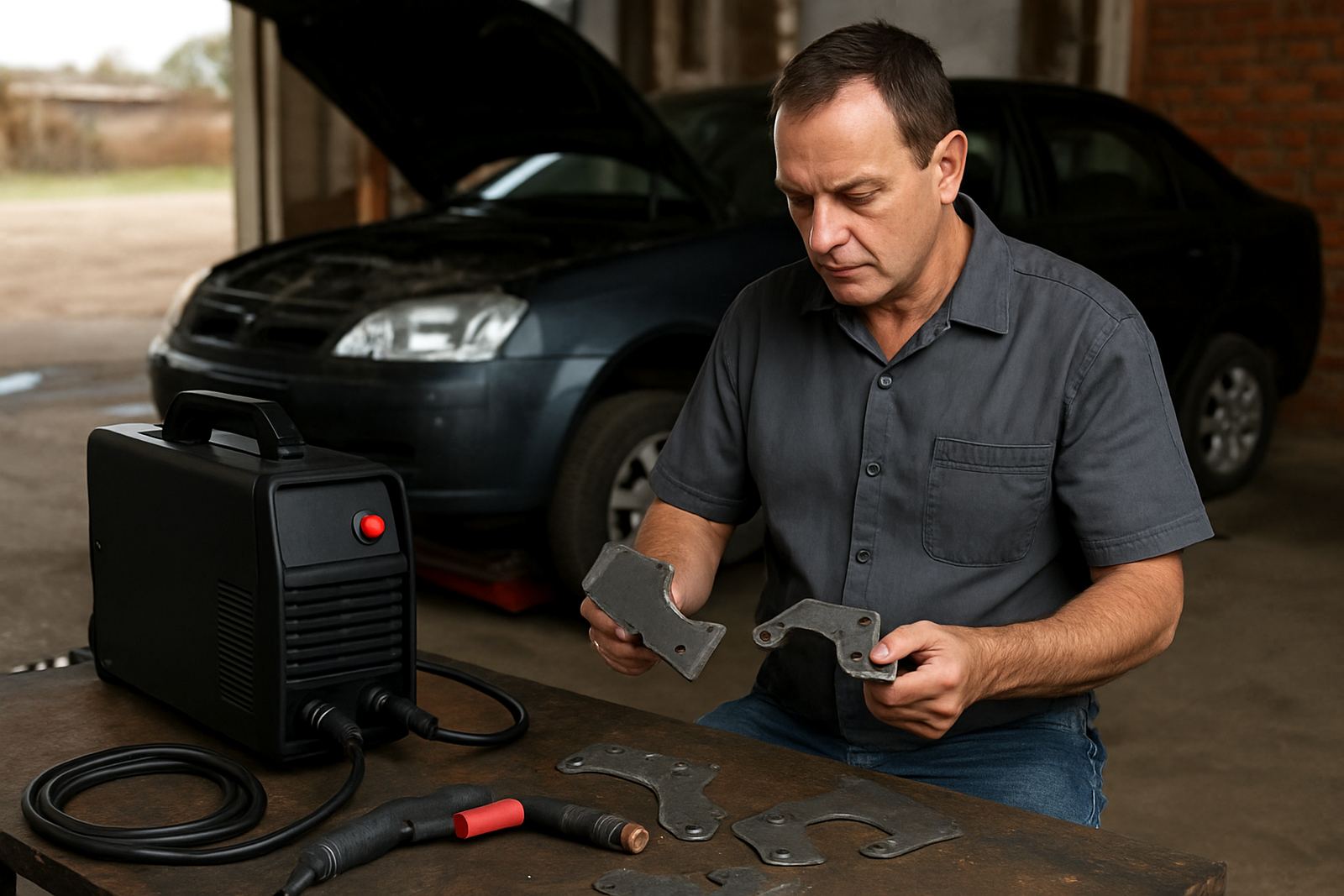
Before you look at machine size, write down the jobs your farm workshop handles week after week. Common work includes gate repairs, grader blade trimming, trailer patching, broken brackets, frame work, bale feeder repairs and quick fixes on mild steel plate. If the machine will only ever cut light sheet, you do not need the same setup as a yard that regularly works on 10 mm to 20 mm plate.
A good buying decision starts with steel thickness, not marketing claims. Check the thickest material you expect to cut in one pass, then add a bit of headroom for speed and edge quality. For rural use, it also helps to think about access to power, because many farms are working through load-shedding, generator supply or long cable runs. If the supply is not stable, a machine that tolerates poorer conditions will save time and repair costs.
- List your top five repair jobs from the last 6 months.
- Note the thickest steel you cut, plus the finish you need.
- Check whether cuts are done in a workshop, yard or out in the field.
- Write down what power supply you actually have available.
Choose A Cut Capacity That Matches Real Farm Work
It is tempting to buy the biggest cutter you can afford, but oversizing can waste money if you only need lighter repairs. On the other hand, buying too small means slow cuts, rough edges and extra wear on consumables. For farm maintenance, the right balance is usually a unit that can handle everyday jobs comfortably and still manage the occasional heavier repair without straining too much.
Look closely at the recommended cut thickness and the severance rating, then compare that with the steel you use most often. A machine that cuts 12 mm neatly may still struggle when the workshop gets asked to slice through rusted, painted or dirty material. Older farm steel also tends to be uneven, so give yourself margin for that. If you repair implements in humid areas near the coast or store gear in open sheds, corrosion on the plate can also affect cut quality.
- For light repairs: focus on clean cuts in thin to medium plate.
- For general farm use: choose a machine with extra headroom above your normal thickness.
- For heavier maintenance: make sure the cutter can work continuously without constant cooling breaks.
- Ask whether the unit is suited to handheld work, CNC work or both.
Check Power Stability, Air Supply And Site Conditions
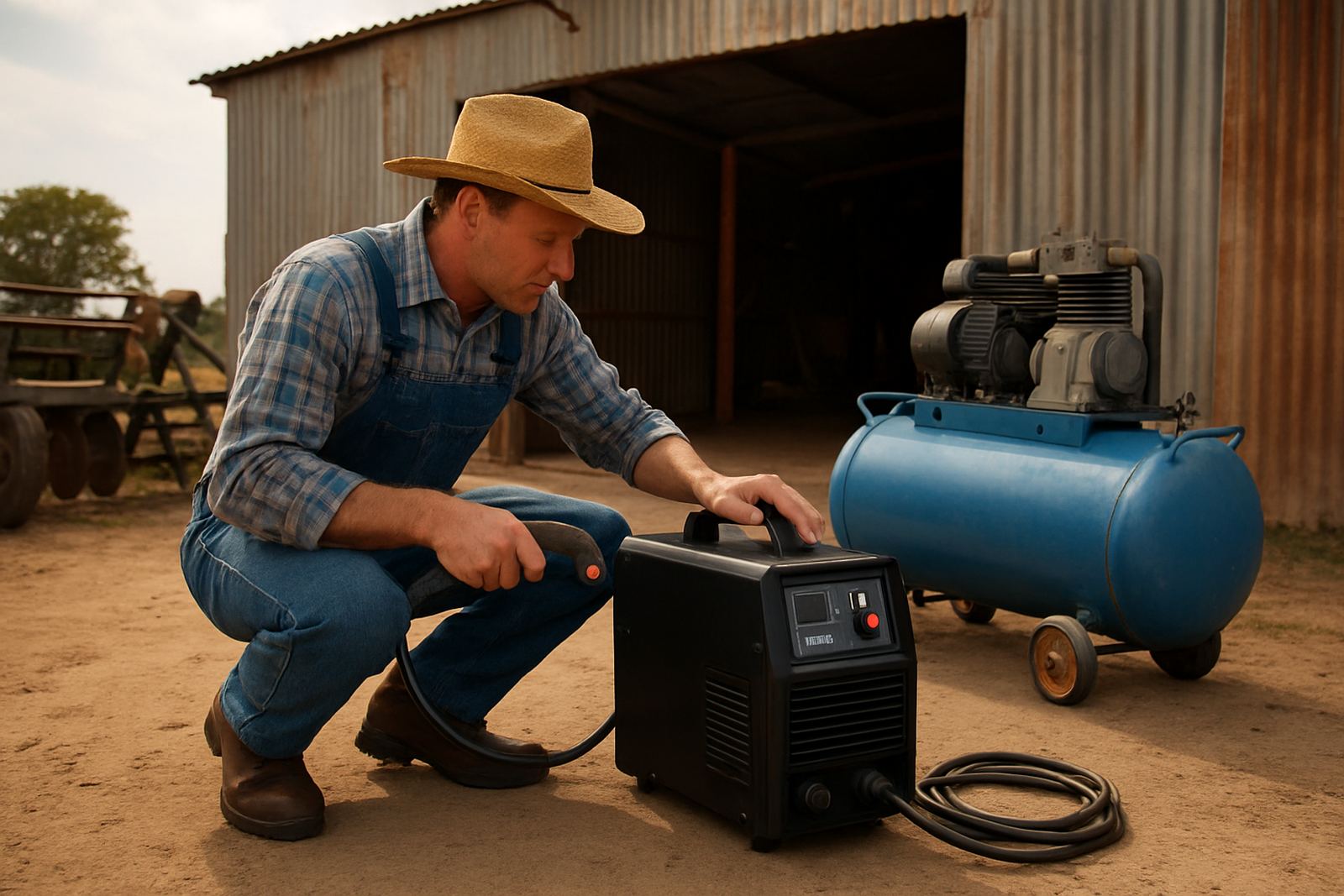
Plasma cutting depends on more than the power source alone. Clean, dry compressed air is essential for steady arc performance and better consumable life. On farms, compressors are often placed where dust, rain and heat are an issue, so the air system needs a proper filter and water trap. If the air is wet, the cut edge suffers and nozzles wear faster.
South African farm conditions can be hard on equipment. Dust from feed stores, vibration from transport, and long days in hot sheds all shorten service life if the machine is not maintained. If you work near Vereeniging, Vanderbijlpark, Sasolburg or Meyerton, workshop conditions may differ from farm to farm, so think about cable length, ventilation and where the cutter will be stored after use. In Bloemfontein and Welkom, dry dust is often the bigger issue while coastal moisture is less of a concern, but water in the air line can still catch you out if the compressor is not drained regularly.
- Confirm the available supply voltage and phase before you buy.
- Use a compressor sized for the cutter’s air demand.
- Fit an air filter, water separator and drain point.
- Keep the unit off the ground and out of standing water.
Look For Features That Help In Rural Repairs
Farm work calls for equipment that is easy to move, quick to set up and simple to understand. A user-friendly control panel matters when several staff members may use the same cutter. Clear settings reduce mistakes, while a stable torch and sensible cable length make field repairs easier. If your team often cuts on awkward angles, a handheld unit with a comfortable torch can save a lot of frustration.
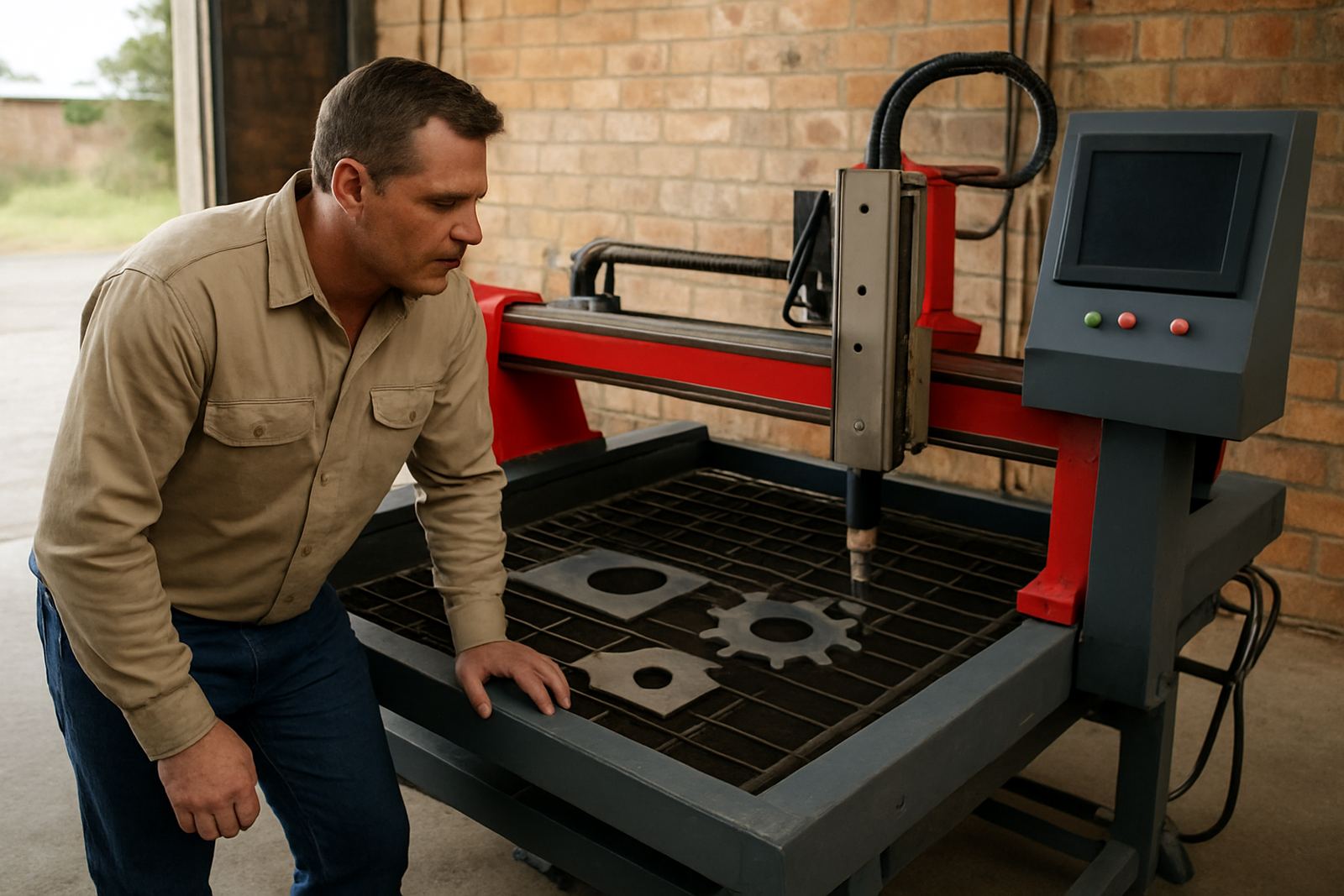
For workshops that handle repeat jobs, CNC compatibility can be useful. It gives better repeatability for brackets, panels and parts that need to be made the same way each time. Height control, table servicing and commissioning are worth considering if you already run a cutting table or plan to add one later. Training also matters because a machine only performs well when the operator knows how to set speed, amperage and air pressure correctly. That is where a proper walkthrough pays off, especially with new staff or seasonal workers.
- Simple controls for quick setup.
- Spare consumables that are easy to keep on hand.
- Good torch flexibility for tight spaces and repairs on machinery.
- Options for handheld use now and CNC use later if needed.
Plan For Maintenance Before The First Cut
The best farm cutter is the one that keeps working when you need it. Preventive maintenance should be part of the buying decision, not an afterthought. Ask what servicing involves, how often torch parts need checking, and whether the machine can be inspected on site when a breakdown happens in a remote area. A simple maintenance routine can prevent expensive downtime in the middle of harvest season or while livestock work is under way.
Consumables wear out faster when air quality is poor or the operator keeps cutting at the wrong speed. Torch repairs, power source repairs and consumables checks should be handled before small faults become bigger ones. If cut edges are getting rough, the first step is not always a new machine, it may be a blocked nozzle, poor earth connection or incorrect air setting. A clean workshop habit goes a long way here.
- Check torch parts weekly if the cutter is used every day.
- Drain water from the compressor regularly.
- Keep a small stock of consumables and common spares.
- Schedule preventive maintenance before peak repair periods.
Use A Practical Buying Checklist Before You Buy
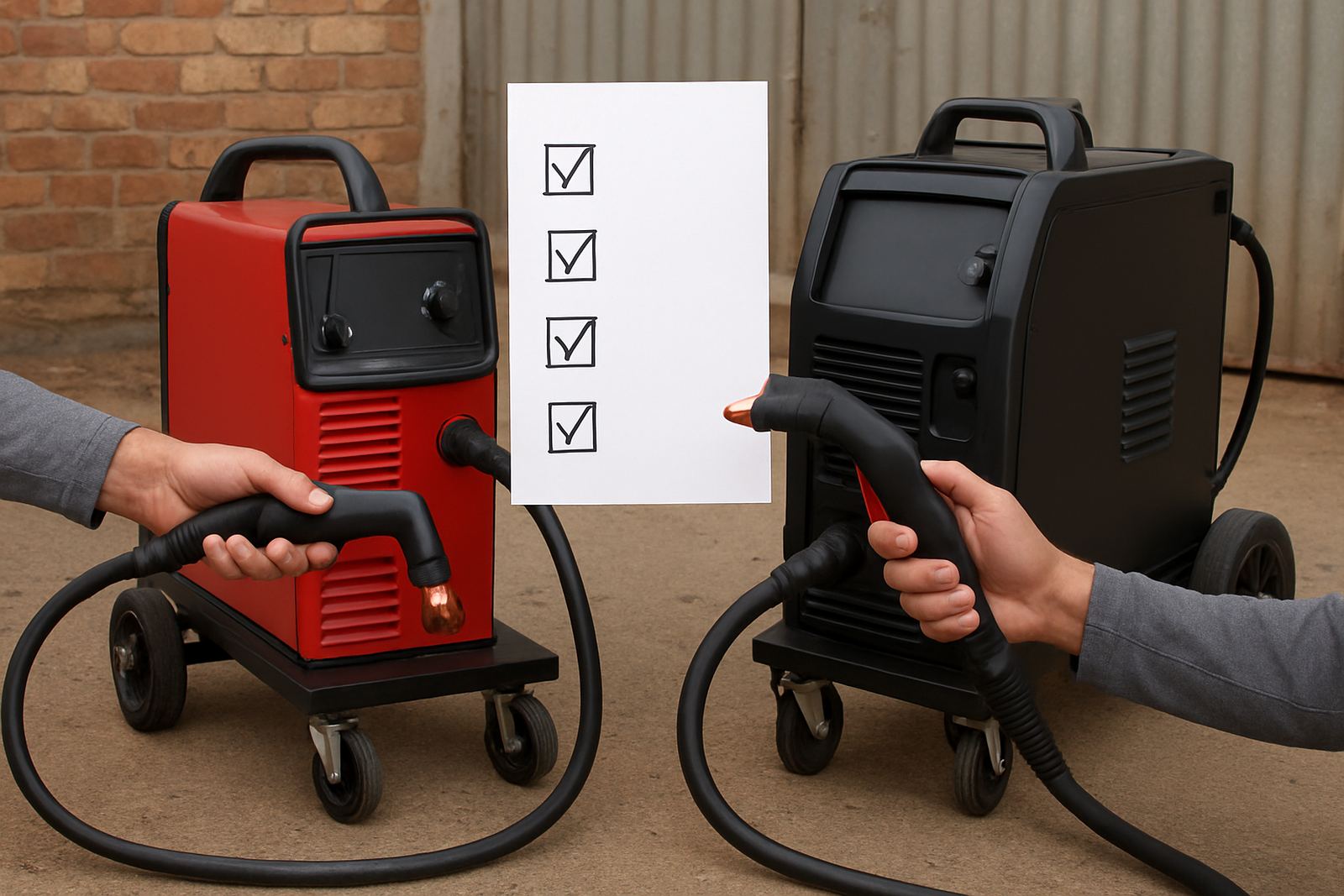
Once you have matched the machine to your repairs, power and air supply, use a final checklist before placing an order. This helps avoid buying a cutter that is technically strong but awkward for your actual workflow. It also makes it easier to compare options fairly if more than one unit looks suitable.
For buyers in Gauteng and the Free State, support matters just as much as the machine itself. If you need demonstrations, servicing or machine commissioning in Vereeniging, Germiston, Alberton, Sasolburg or Bloemfontein, it helps to work with a team that can explain setup and back up the sale with practical after-sales help. For agricultural users, that support can make the difference between a cutter that sits in the corner and one that earns its keep.
- Does it suit the steel thickness you cut most often?
- Will your power supply and compressor handle it properly?
- Can staff learn it quickly and use it safely?
- Is local support available for repairs, training and servicing?