Start With the Work You Actually Do
Before you look at specs, write down what you will cut most often. Mild steel plate for gates is different from truck repair work, and both are different from light fabrication or hobby jobs in a home workshop. If you are in Vereeniging, Vanderbijlpark or Sasolburg and work on farm repairs, structural steel or vehicle panels, your first machine must match the day-to-day work, not the biggest job you might do once a month.
Think about thickness, cutting length and how many hours per day the machine will run. A smaller handheld unit can suit a garage or mobile repair service, while a CNC table setup suits repeat parts, brackets and production work. If your work is mixed, choose a machine with a little extra capacity so you are not running at the limit all the time, because that shortens consumable life and can frustrate operators.
Check Power, Air and Site Conditions First
The best machine on paper can still disappoint if your supply is weak. In many parts of Gauteng and the Free State, load-shedding, long extension leads and shared workshop circuits can affect performance. Check whether you have single-phase or three-phase power, what breaker size you can support, and whether the machine will run from a generator if needed. If your site in Alberton, Germiston or Bloemfontein already struggles with voltage dips, ask for guidance before you buy.
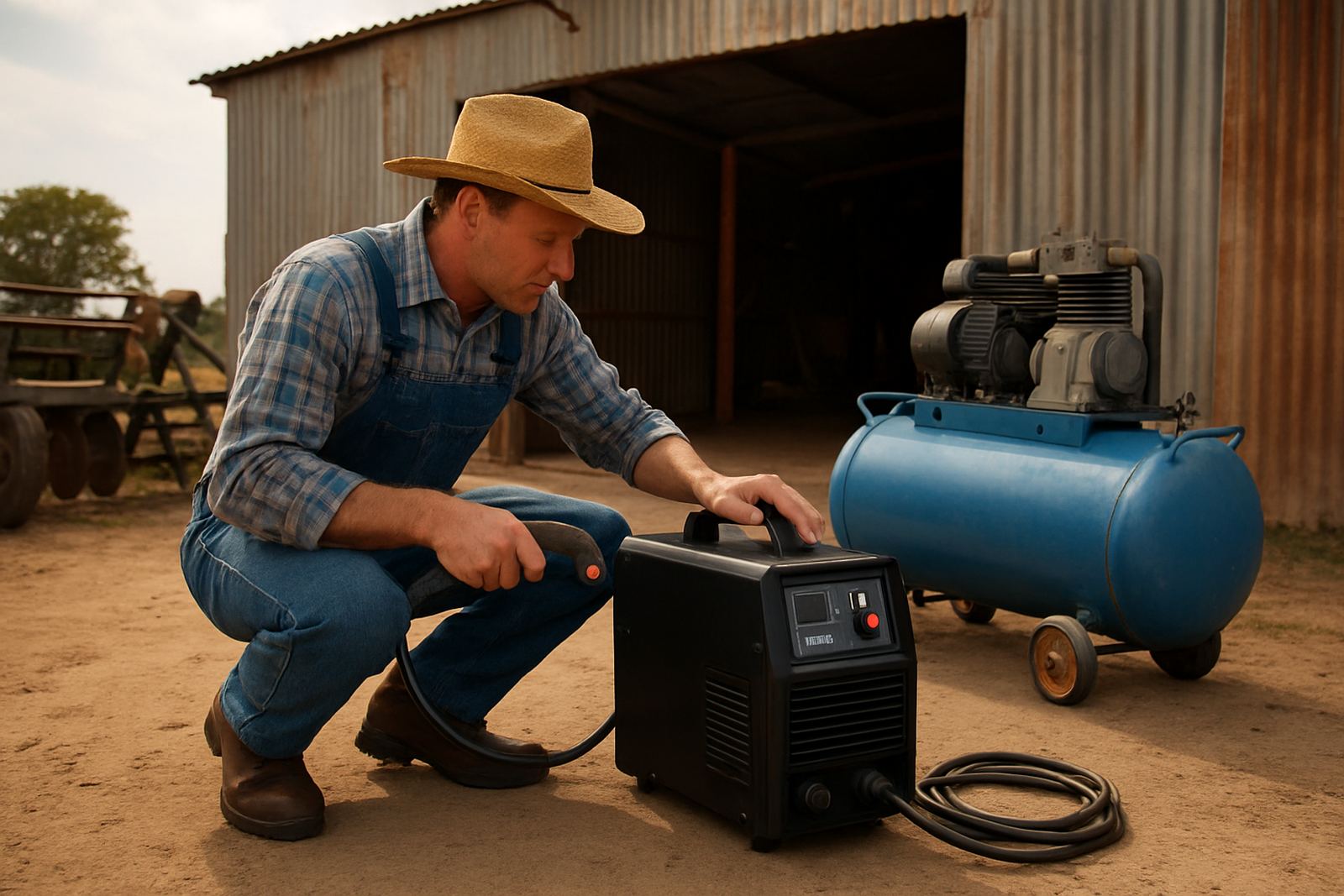
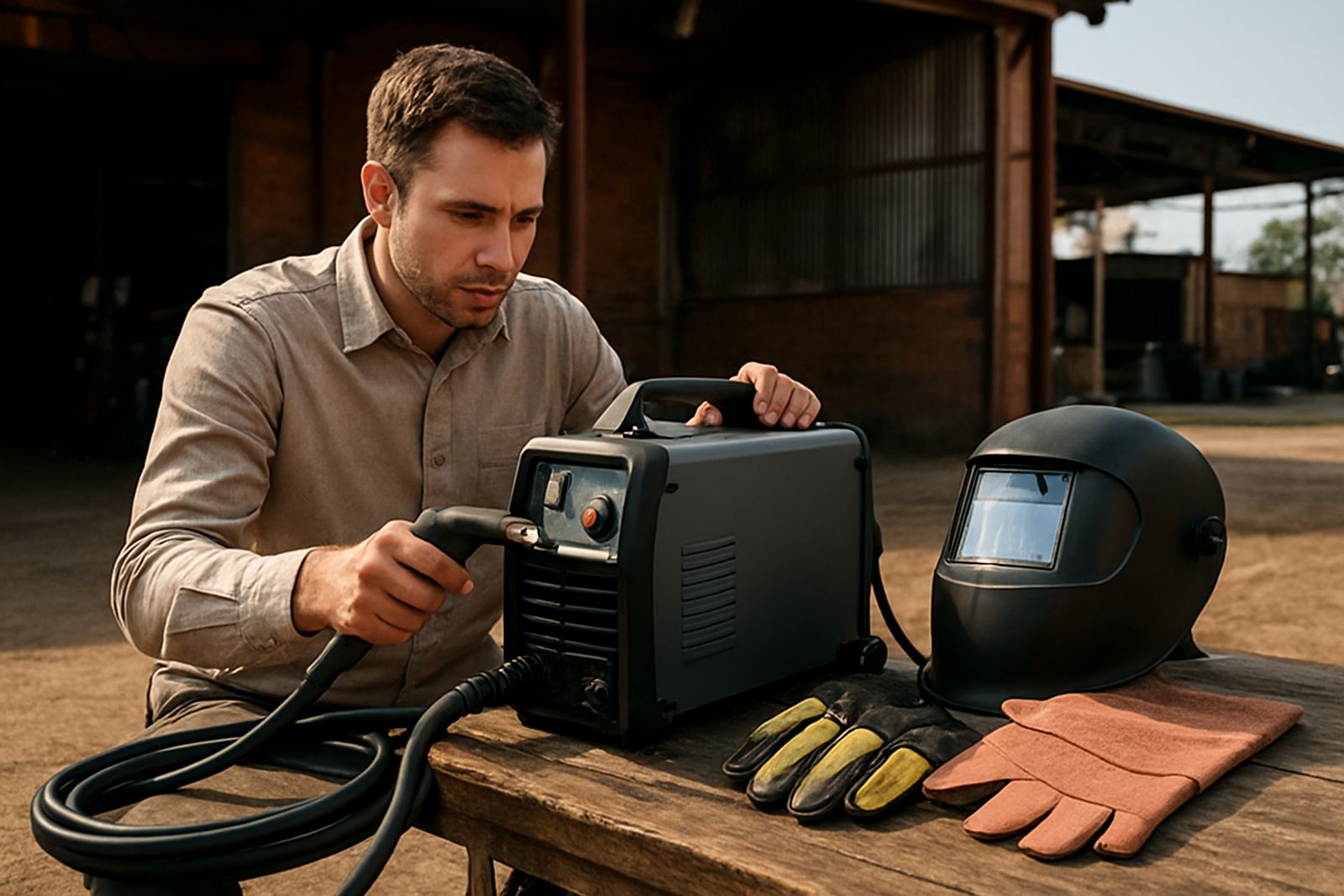
Plasma cutters also depend on clean compressed air. Poor air quality causes rough edges, more wear on consumables and unstable starts. Your compressor should deliver enough pressure and flow for the machine, and the air line should be dry. In coastal humidity this matters even more, but inland workshops still get moisture in the line if the setup is not correct. A simple filter and water trap can save a lot of trouble later.
- Confirm the mains supply and breaker size
- Check that the compressor matches the machine demand
- Make sure the work area has safe ventilation
- Plan where cables, hose and the torch will move without kinking
Choose Between Handheld and CNC
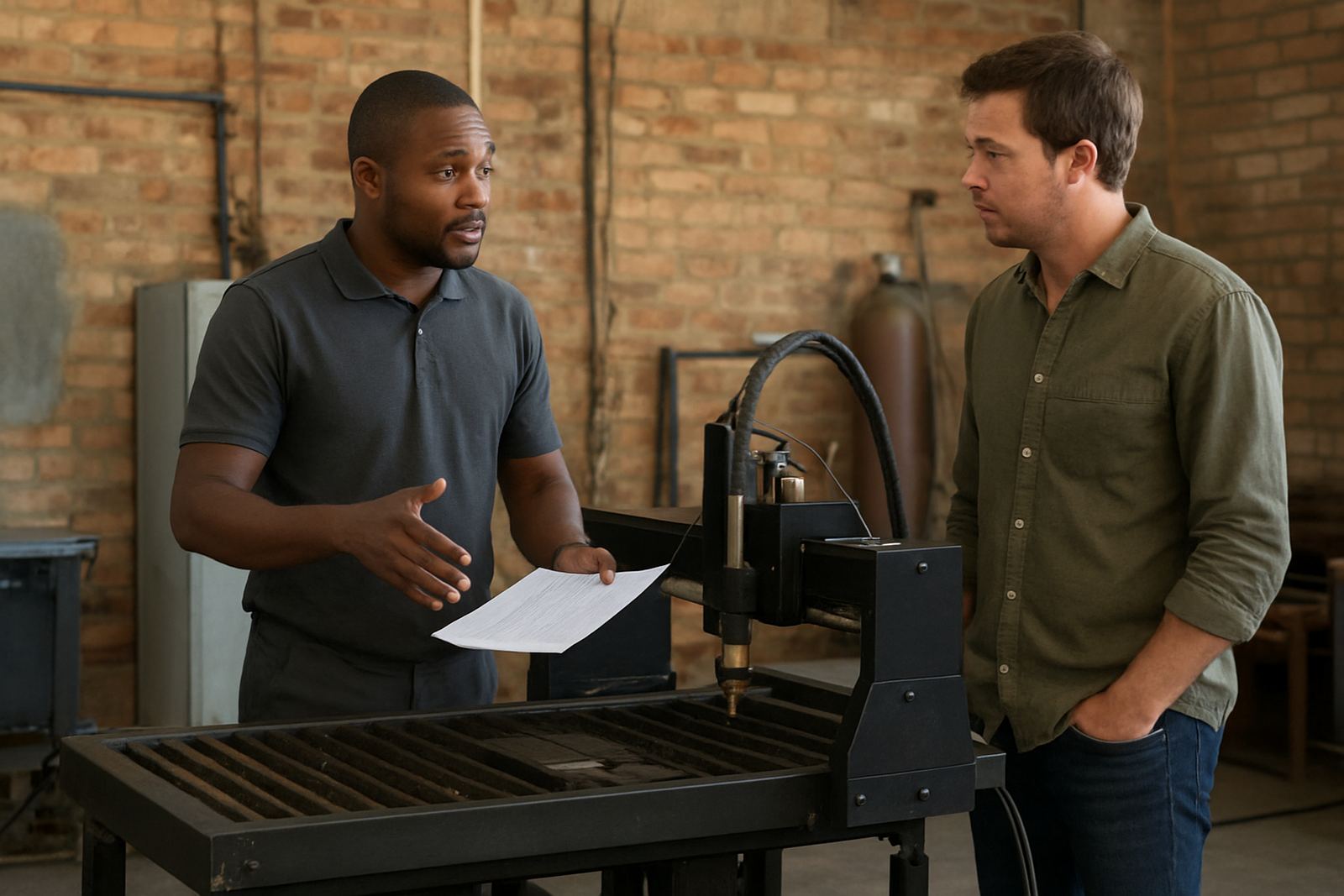
For first-time buyers, the choice usually comes down to handheld cutting or CNC table cutting. Handheld machines are better if you need flexibility, fast setup and work on larger items that cannot sit on a table. They are common in workshops that do maintenance, repair and general fabrication. CNC machines suit repeat jobs, better nesting of parts and cleaner production flow, especially when you are making brackets, panels or kits in volume.
If you are not sure, ask how much of your work involves repeat shapes. A CNC table makes sense when accuracy and consistency matter every day, while a handheld unit gives you freedom on site and in small shops. In places like Meyerton or Welkom, many users begin with handheld cutting and later add CNC once the work load grows. That path is often cheaper than buying too big too soon.
Look at Cut Quality, Not Only Maximum Thickness
Marketing sheets often list a maximum cut thickness, but that number does not always reflect daily use. What matters is clean cut thickness, pierce capability and edge quality at the speed you need. A machine might technically cut thicker steel, yet leave heavy dross or slow you down too much for practical work. For first-time buyers, the usable range is usually the more useful figure.
When comparing units, ask how they perform on mild steel in the thickness you cut most often. If you are cutting 6 mm, 8 mm or 10 mm plate, look at the recommended range for clean finish rather than only the extreme limit. Also ask how the torch behaves on short runs and longer shifts. A machine that holds a steady arc and gives predictable results is easier to learn on, and that helps new operators get it right faster.
- Ask for clean cut thickness, not just maximum thickness
- Check consumable life on your common materials
- Confirm how well the unit handles repeated starts
- Review edge finish and dross on sample cuts
Budget for the Full Setup, Not Just the Machine
The cutter itself is only one part of what you need to budget for. You should also budget for consumables, air treatment, cables, fittings, safety gear and training. If the unit is for a busy workshop in Pretoria East, Bloemfontein or Germiston, it is worth setting aside money for spares from the start. That prevents downtime when a nozzle, electrode or torch part wears out at the wrong time.
Also think about operator time. A cheaper machine that is awkward to set up or hard to learn can cost more over a year than a better-supported model. Good guidance matters, especially if the person using the cutter is new to plasma work. A clear handover and basic training can prevent missed settings, poor cuts and unnecessary damage to the torch. A little planning upfront saves alot of repeat problems later.
Use a Simple Pre-Purchase Checklist
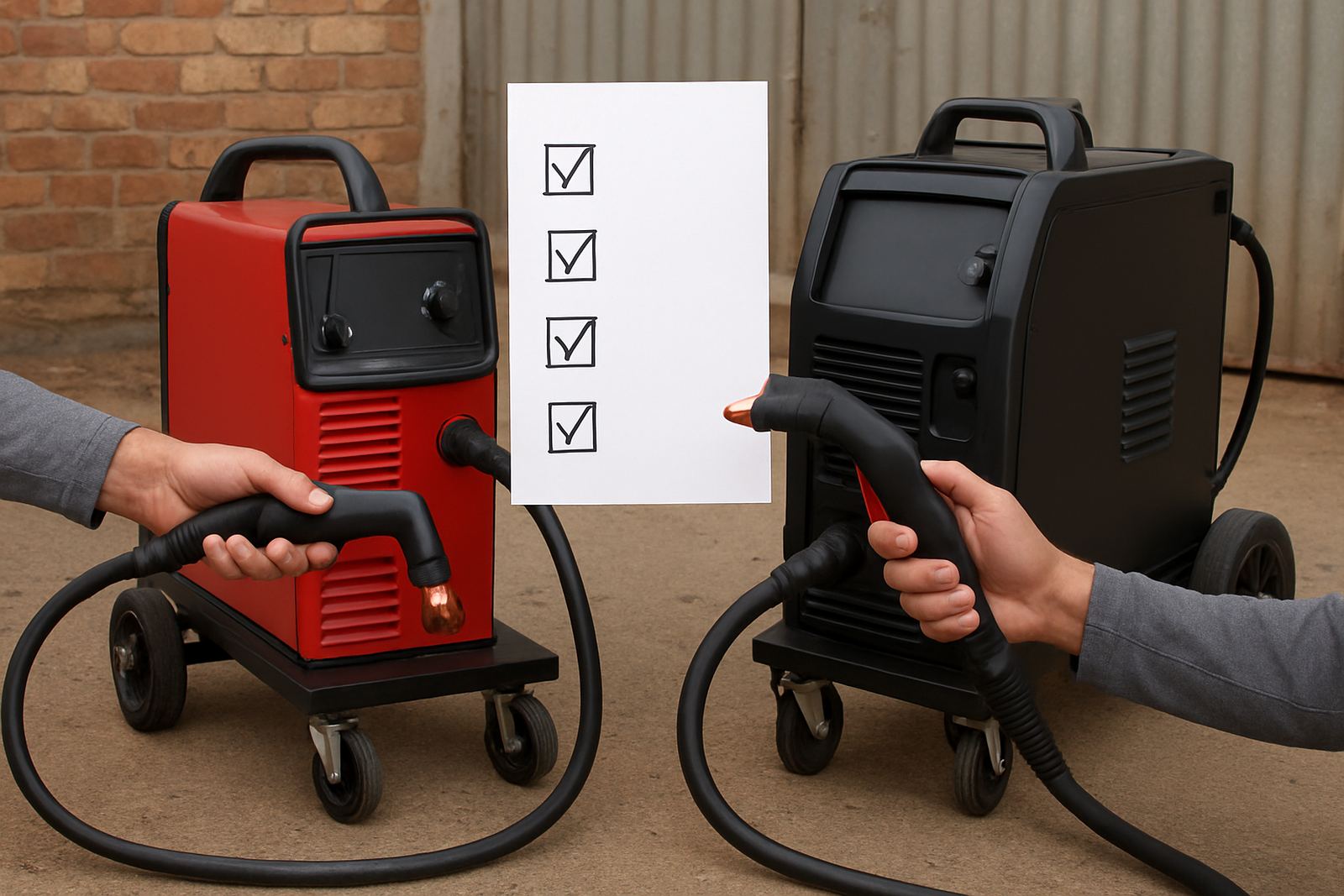
Before you buy, run through a short checklist and answer each point honestly. If you are still unsure, send an enquiry through the contact page and ask for help matching a machine to your job. That is the easiest way to avoid paying for capacity you do not need, or buying a machine that is too small for your work.
- What material do I cut most often?
- What thickness do I need to cut cleanly?
- Do I need handheld flexibility or CNC repeatability?
- Do I have the correct power supply?
- Is my compressed air dry and steady?
- Will I need installation, training or servicing support?
- Do I have a plan for consumables and spares?
In workshops across Vereeniging, Vanderbijlpark and Sasolburg, the machines that last are the ones matched properly to the work. The same applies whether you are a hobbyist cutting brackets on weekends or a fabricator working full-time. Choosing well at the start keeps the process simple and the cuts clean.
What Support Should You Expect After Purchase
After-sales support is part of the purchase, not an extra. A first-time buyer should have access to help with commissioning, operator training, consumables checks and fault finding. If the machine is going into regular use, preventive maintenance and air system inspection should be part of the plan too. That is especially useful in busy areas around Gauteng and the Free State where production cannot wait for avoidable breakdowns.
PlasmaCutter supports customers from the Vereeniging base and assists clients in Vanderbijlpark, Meyerton, Alberton, Germiston, Bloemfontein and Welkom. The team handles torch repairs, power source repairs, CNC table servicing, height control calibration, on site breakdowns and cut quality audits. That means the machine can be set up properly, used correctly and kept in working order without guesswork.