Start with the basics before you switch on
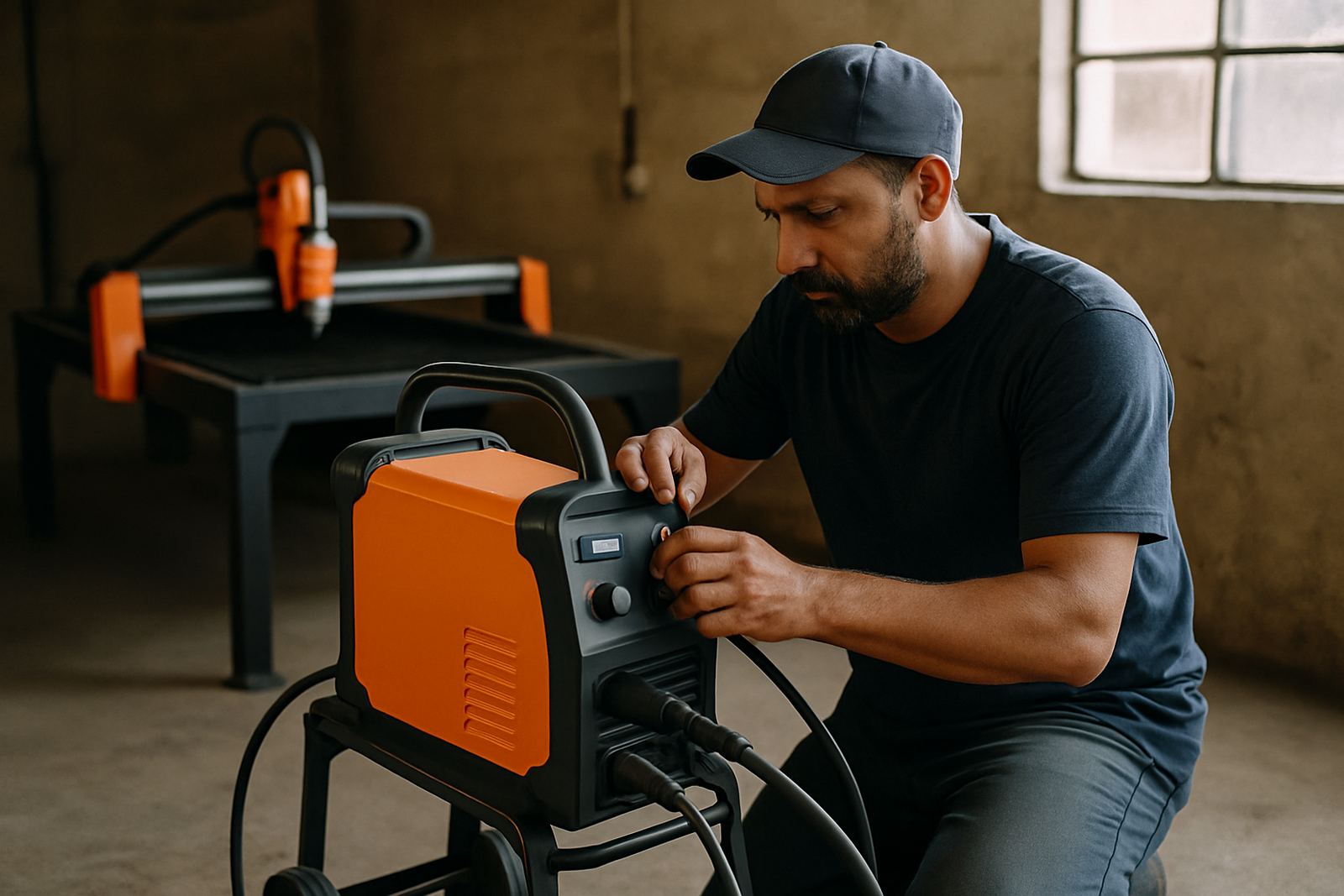
Most support calls can be narrowed down quickly if you check the simple things first. Confirm that the machine is connected to the correct supply, that the input cable is seated properly, and that the torch leads are not damaged or bent sharply. In workshops where load-shedding is part of the day, voltage dips can also cause erratic starts or poor arc stability, so it helps to use proper protection and allow the power source to stabilise before cutting.
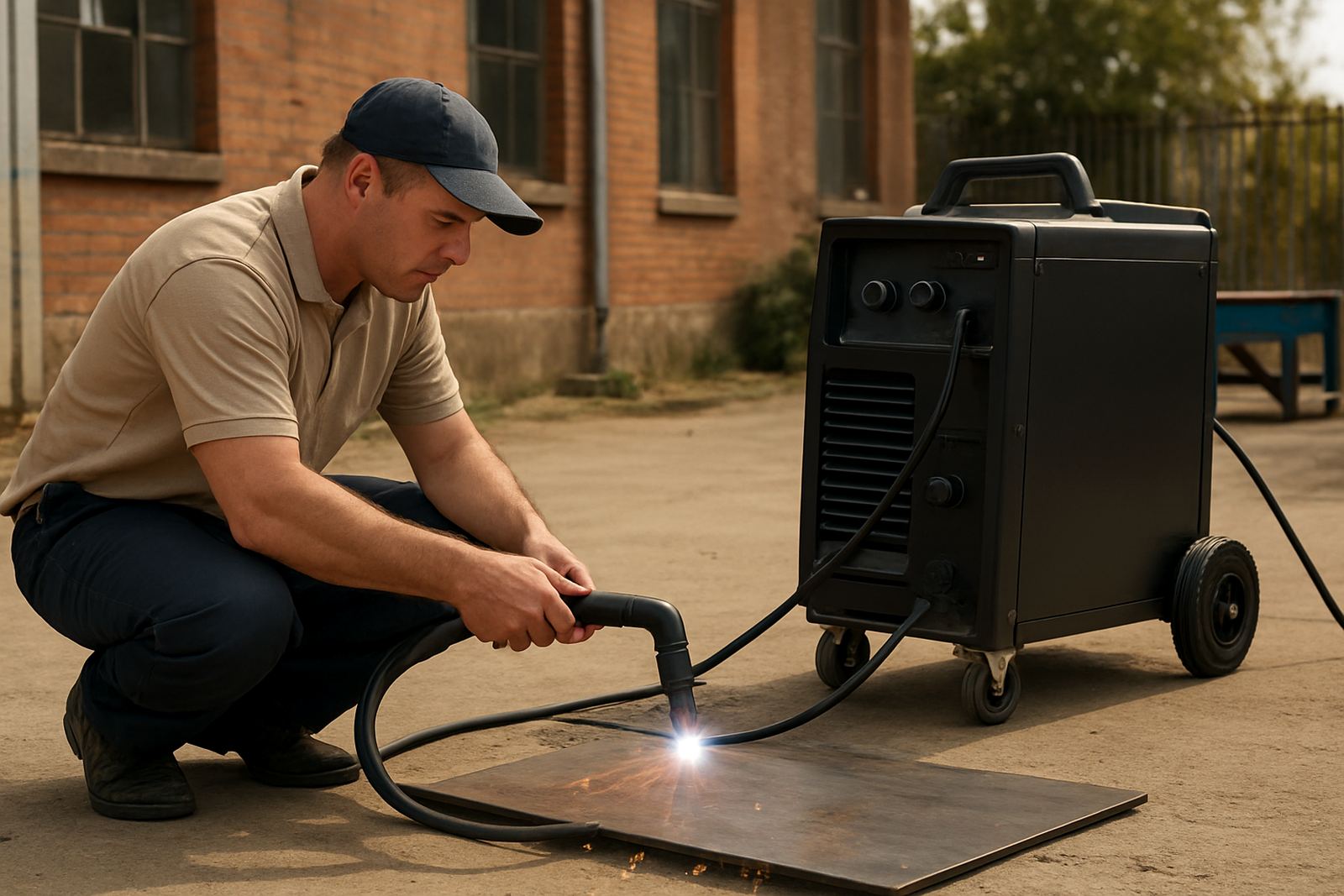
Before a cut, check that the workpiece is clean, dry and free of rust, oil or thick scale. Poor earthing is one of the most common causes of trouble. Clamp to clean metal, not painted or oxidised surfaces, and make sure the return path is short and secure. If the machine is used in coastal or humid conditions, keep connectors dry and store consumables in a sealed container so they do not pick up moisture.
When cut quality changes, check these points first
If the cut edge is rough, angled or full of dross, the cause is usually in the setup rather than the machine itself. Start with the air supply, torch consumables and cutting speed. A plasma cutter can only cut cleanly when it gets dry, clean air at the correct pressure and flow. If the air line carries water or oil, the cut becomes inconsistent very quickly.
- Confirm air pressure at the machine while the torch is firing, not only at the compressor outlet.
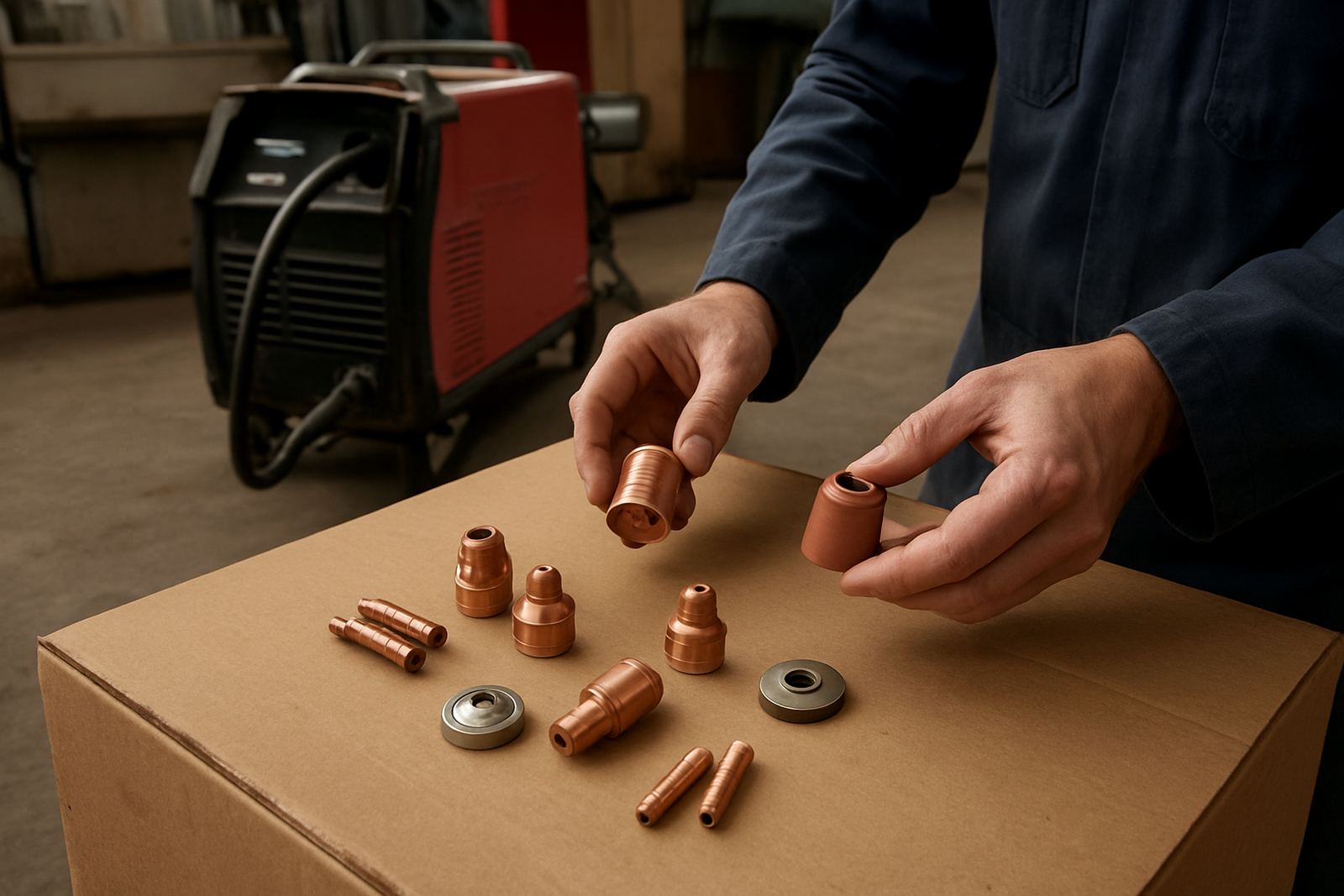
- Inspect the nozzle, electrode and shield for wear or heat damage.
- Check that the torch standoff is correct for the material thickness.
- Reduce travel speed if the arc is lagging behind the cut.
- Increase speed if the kerf is wide and the top edge is blowing back.
If the cut is clean at the start but gets worse during a run, look for overheating, dirty air or a worn consumable set. On CNC systems, also check that the height control is tracking the plate properly and that the torch is not dipping into the cut.
Keep the air system dry and stable
Air supply is a major part of plasma performance, and it is often overlooked. Compressors that are too small, filters that are blocked or water traps that are full can all affect cut quality. In our region, where temperature changes between morning and afternoon can be sharp, condensation builds up fast in tanks and lines. That moisture ends up in the torch if it is not removed properly.
For better results, drain the compressor tank daily and check filters regularly. If your workshop runs several tools off the same line, make sure the plasma cutter has its own clean supply where possible. A pressure drop of only a little can cause misfiring, poor pierces and more consumable wear. If you hear the machine struggling to strike, do not keep firing it repeatedly because that can damage the torch parts and the power source over time.
Safe operating checks for handheld and CNC work
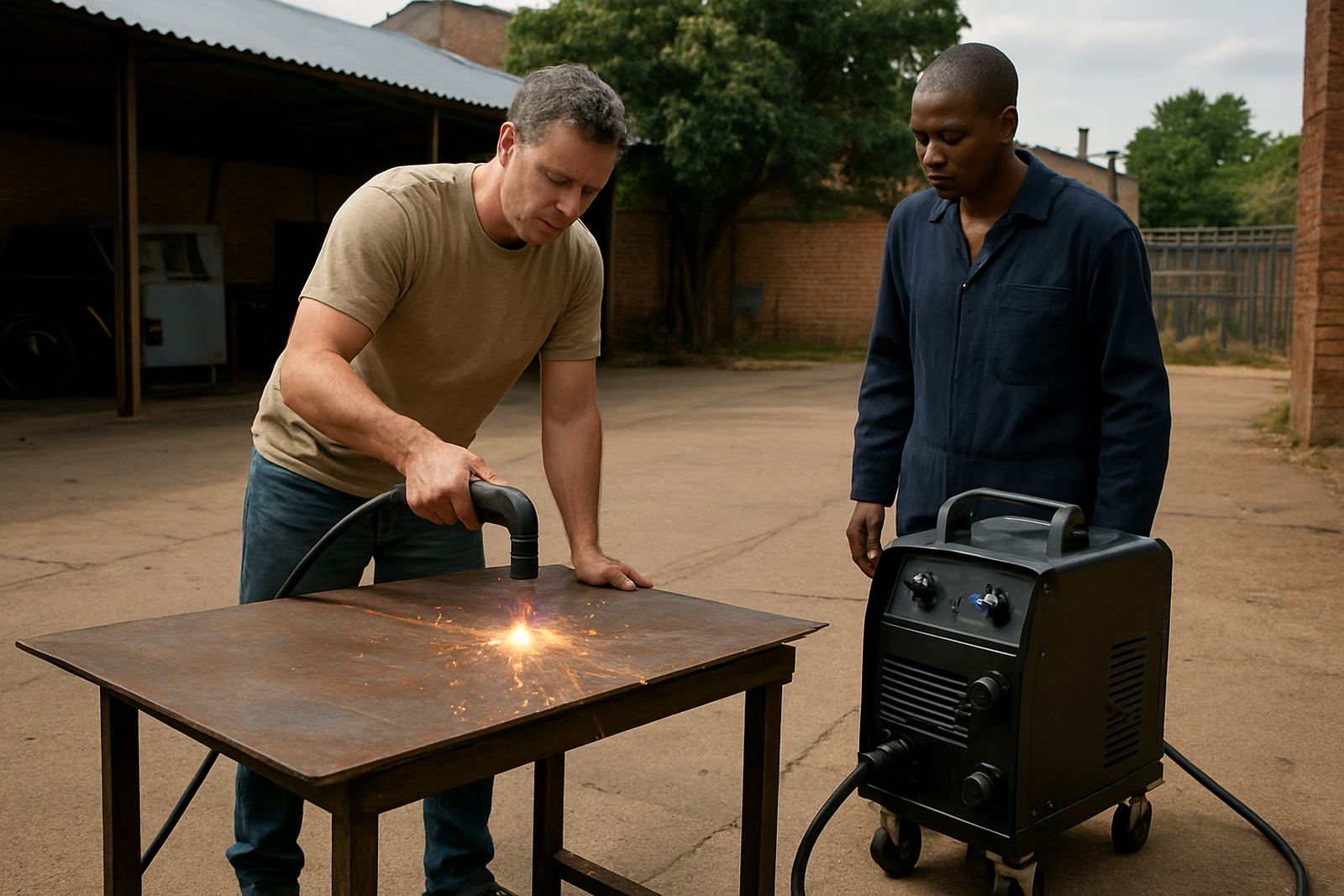
Whether you are using a handheld torch or a CNC table, the operator should follow the same basic checks every shift. Set the correct amperage for the material thickness, confirm the torch angle, and make sure the cutting path is clear. For CNC work, verify the file, lead-in points, pierce height and cut height before starting a full sheet. A small setting error can waste material quickly.
- Wear the correct PPE, including eye protection, gloves and non-synthetic clothing.
- Keep the work area clear of offcuts, grinding dust and flammable items.
- Stand to the side when piercing thicker material.
- Allow the torch to cool during repeated production runs.
- Do not force a cut through material that is above the machine rating.
Good operator habits reduce downtime and extend the life of the torch and consumables. If your team changes shifts often, written setup notes help keep cut results consistent from one operator to the next.
Recurring plasma cutter faults need inspection
If the same problem returns after cleaning, changing consumables or resetting the machine, it is time for a proper technical inspection. Repeated arc starts, unstable current, fault lights or poor pierces can point to a power source issue, torch cable damage, a height control fault or a problem in the air circuit. On CNC tables, worn guide parts and poor calibration can also affect the final cut.
Before calling for help, note the material type, thickness, amperage setting, air pressure and whether the fault happens on every cut or only on certain jobs. That information helps narrow the cause fast. Our technical team supports on site breakdowns, preventive maintenance and machine commissioning across Vereeniging, Vanderbijlpark, Sasolburg, Meyerton, Alberton, Germiston, Bloemfontein and Welkom, so the inspection can be matched to the way your workshop actually runs.
Get support from a team that knows local workshops
Plasma cutting work in South African fabrication shops needs practical advice, not vague theory. Marius van der Merwe and the team support customers with torch repairs, power source repairs, consumables checks, CNC table servicing, height control calibration, operator training and cut quality audits. If you are setting up new equipment, struggling with a recurring fault or just want cleaner cuts on a busy production line, we can help you work through it step by step.
Send your request through the enquiry form on our contact page and include the machine type, the material you are cutting and a short description of the problem. If you include those details, we can match the issue to the right PlasmaCutter support step. In many cases a few small adjustments are enough to stop waste, improve the finish and keep the job moving without extra downtime.