Built for thicker plate and longer shifts
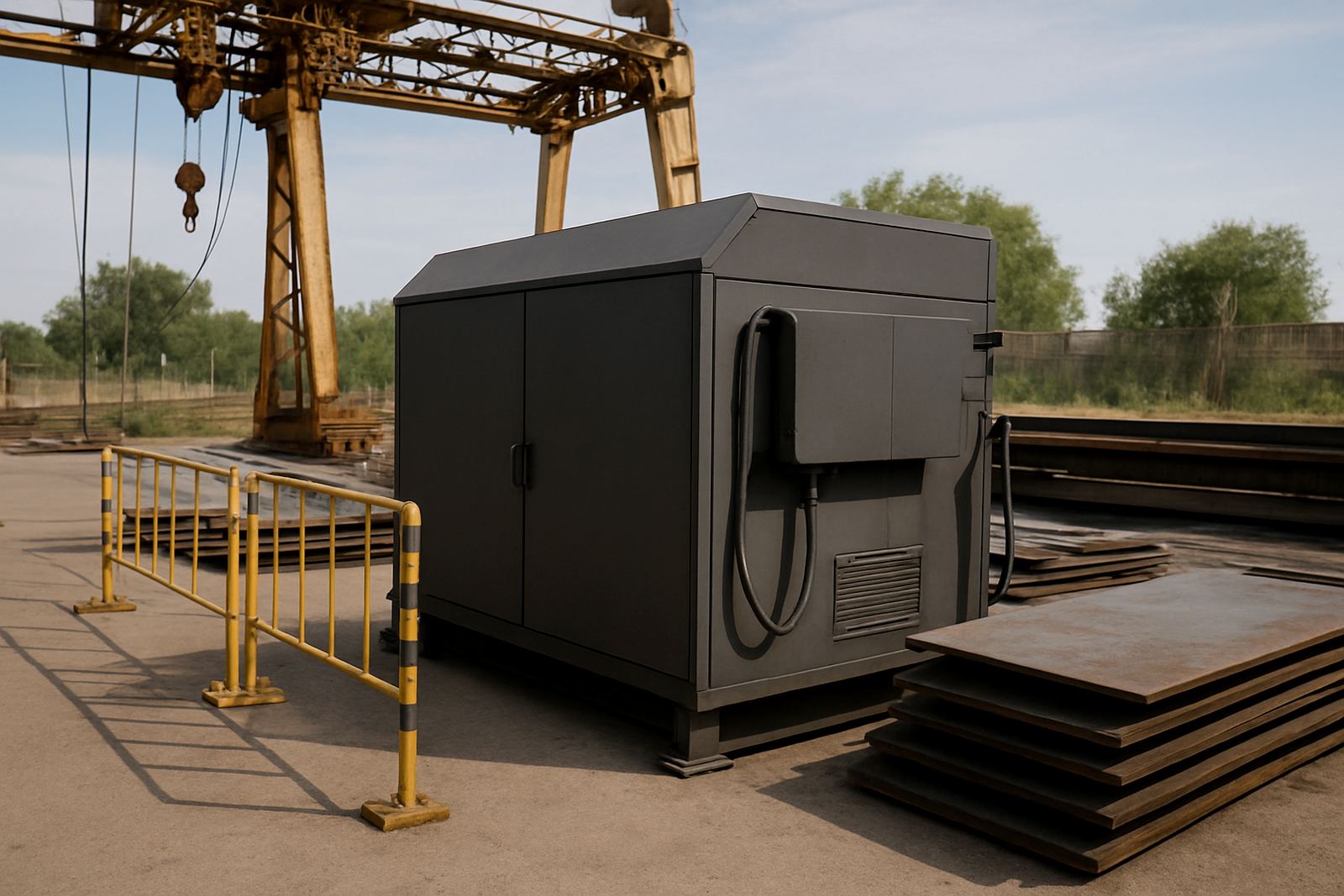
The CUT 120 Industrial Cutter is aimed at cutting jobs that go beyond light workshop work. It is suited to steel fabrication, repairs on earthmoving gear, trailer work, structural steel and automotive parts where clean edges and repeat cuts matter. With this size of machine, the focus is on stable output, proper arc control and a duty cycle that can carry a real working day, not just short bursts between other tasks.
In South African conditions, that matters. Many sites work through load-shedding, dusty floors and warm sheds, so the machine needs steady protection and sensible airflow. This unit is a strong fit for Vereeniging, Vanderbijlpark, Sasolburg and other industrial areas where heavy plate and regular use are part of daily production.
Sizes, torch set-ups and cutting range
The CUT 120 is typically supplied as a high-output cutter with handheld torch options and CNC table compatibility, depending on how the machine is set up. For buyers comparing models, the key point is that this unit is made for more demanding material thicknesses and longer operating periods. It is not the small contractor unit you carry around for odd jobs, it is the cutter you place where work is done all week.
- Suitable for handheld cutting on steel plate, channels, pipe and fabricated parts
- Can be paired with a CNC table for repeatable production work
- Useful where longer consumable life and cleaner edge quality matter
- Available with torch lead lengths to suit workshop layout
If you are working in tight spaces, ask for the torch arrangement that suits your bays and access around the job. That saves time and makes the cutter easier to live with day to day.
Power and gas requirements for South African workshops
Before ordering, check your supply carefully. A cutter in this class usually needs a strong three-phase electrical supply and proper protection at the distribution board. Voltage stability is important, especially in plants that already carry welders, compressors and extraction fans on the same network. If your site has frequent dips or generator switchover, that should be discussed before commissioning.
The air supply must also be right. Clean, dry compressed air is essential for cut quality and consumable life. If the air line carries water or oil, the torch will suffer fast and the cut face will show it. In coastal or humid areas the air treatment needs extra attention, but inland sites can still have problems if drain valves are not used properly. A simple air check during setup can prevent a lot of trouble later on.
Where the CUT 120 suits best
This cutter is well suited to metal fabrication shops, truck and trailer repairers, maintenance teams, agricultural repair yards and light to medium production work. It is also a sensible choice for operators doing repeated cut-outs, bevel preparation and part trimming where a smaller machine starts to feel strained. In busy workshops, the biggest advantage is consistency. You want the first cut and the fiftieth cut to look much the same.
- Fabrication and welding workshops
- Automotive and truck repair
- Steel merchants and maintenance yards
- CNC production and part nesting work
- On-site breakdown and repair teams
For users in Bloemfontein, Welkom, Alberton and Germiston, the machine is a practical fit where reliability and service support are more useful than extras you will never use.
Care, maintenance and service support
Like any industrial cutter, the CUT 120 needs regular care if it is going to keep performing. Consumables should be checked often, and the torch should be kept free of spatter and dust. Air filters, moisture traps and hose connections need routine inspection. If the machine is used hard, a preventive maintenance plan is worth the effort because it catches small issues before they become breakdowns.
Our support covers torch repairs, power source repairs, preventive maintenance, consumables checks, air system inspection, CNC table servicing, height control calibration, on site breakdowns, machine commissioning, operator training, spares supply and cut quality audits. That means a workshop can keep production moving without guessing what went wrong or waiting too long for answers.
What to check before you order
When ordering a CUT 120, confirm the work you need it to do and the environment it will work in. That includes the material thickness, the type of cuts, whether the machine will be handheld or mounted on a CNC table, and how often it will run during a shift. It also helps to know if you need training for more than one operator, and whether there is a stable three-phase supply on site.
- Material thickness and daily cutting volume
- Handheld use or CNC table use
- Power supply availability and protection
- Compressed air quality and dryer setup
- Torch length, spares and consumables required
- Need for commissioning, training and service cover
If you are unsure about the fit, a short discussion through the enquiry form on our contact page is the best place to start. We can help you match the machine to the work, not the other way round. That saves money and avoids the wrong spec sitting idle.
Key facts
| Model | CUT 120 Industrial Cutter |
|---|---|
| Cutting type | Handheld plasma cutting, CNC compatible options |
| Duty cycle | Designed for longer run times in heavy-duty use |
| Input power | Three-phase industrial supply, site dependent |
| Air requirement | Clean, dry compressed air for cutting and torch life |
| Typical use | Steel fabrication, automotive repair, maintenance and CNC production |