
What the CUT 40 is built for
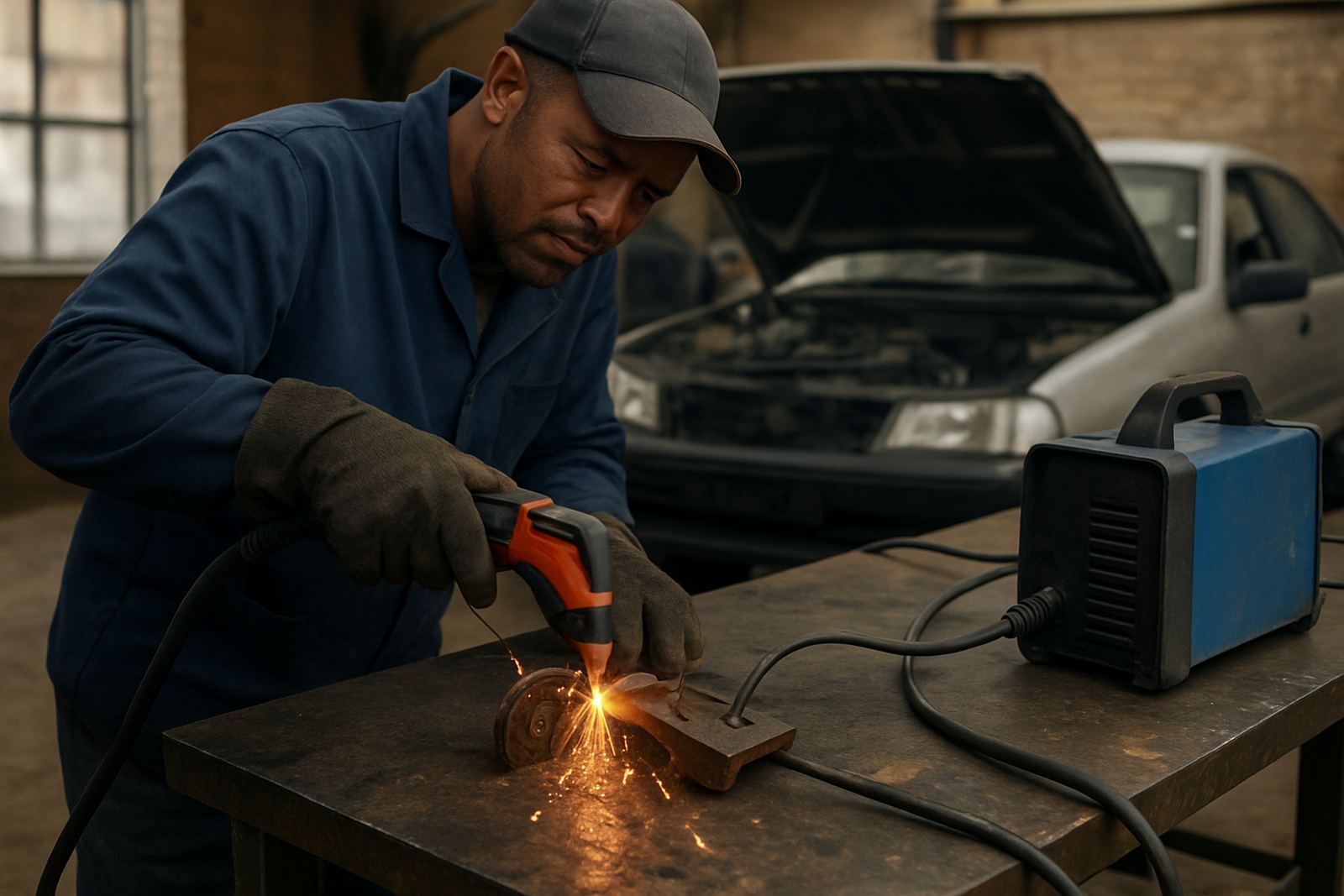
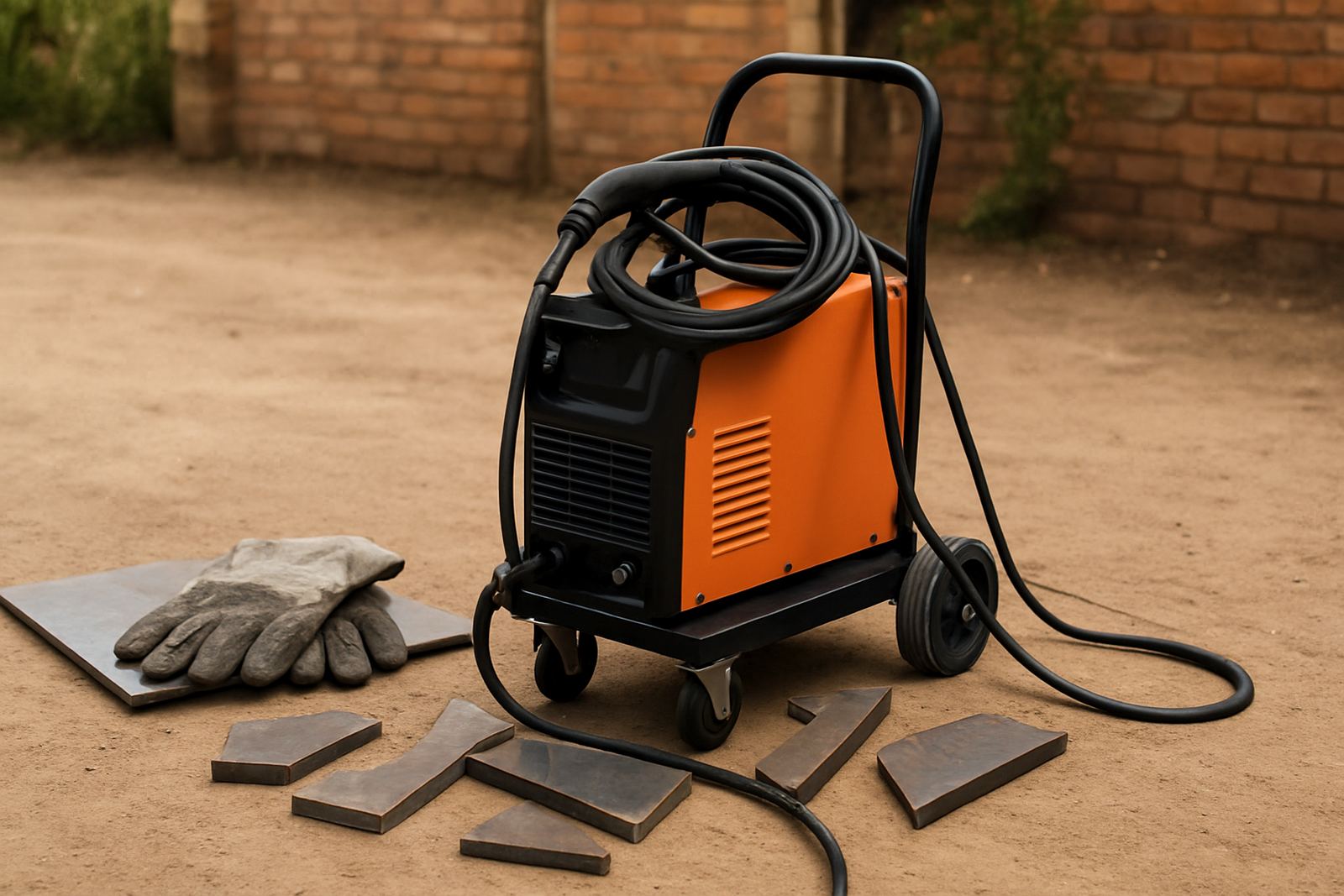
The CUT 40 is an entry-level handheld plasma cutter for thin to medium mild steel work where speed and cut quality matter more than brute force. It suits light fabrication, farm repairs, garage work, sheet metal jobs and general maintenance on gates, brackets, frames and repair panels.
It gives you a narrow kerf, less grinding after cutting and a cleaner finish than a lot of hand tools. For users in Vereeniging, Vanderbijlpark and Sasolburg, it is a practical choice when you need a machine that can move between a workshop and site work without fuss.
- Handheld cutting for maintenance, hobby and light trade use
- Compact enough for small benches and mobile jobs
- Good option for tidy cuts on mild steel plate and sheet
- Useful where angle cutting and manual torch control are needed
Where it suits in South African workshops
This unit works well in small fabrication shops, automotive repair bays, agricultural maintenance teams and home workshops. It is a sensible fit where steel thicknesses stay in the lighter range and the operator wants straightforward control without a large CNC table or three phase supply.
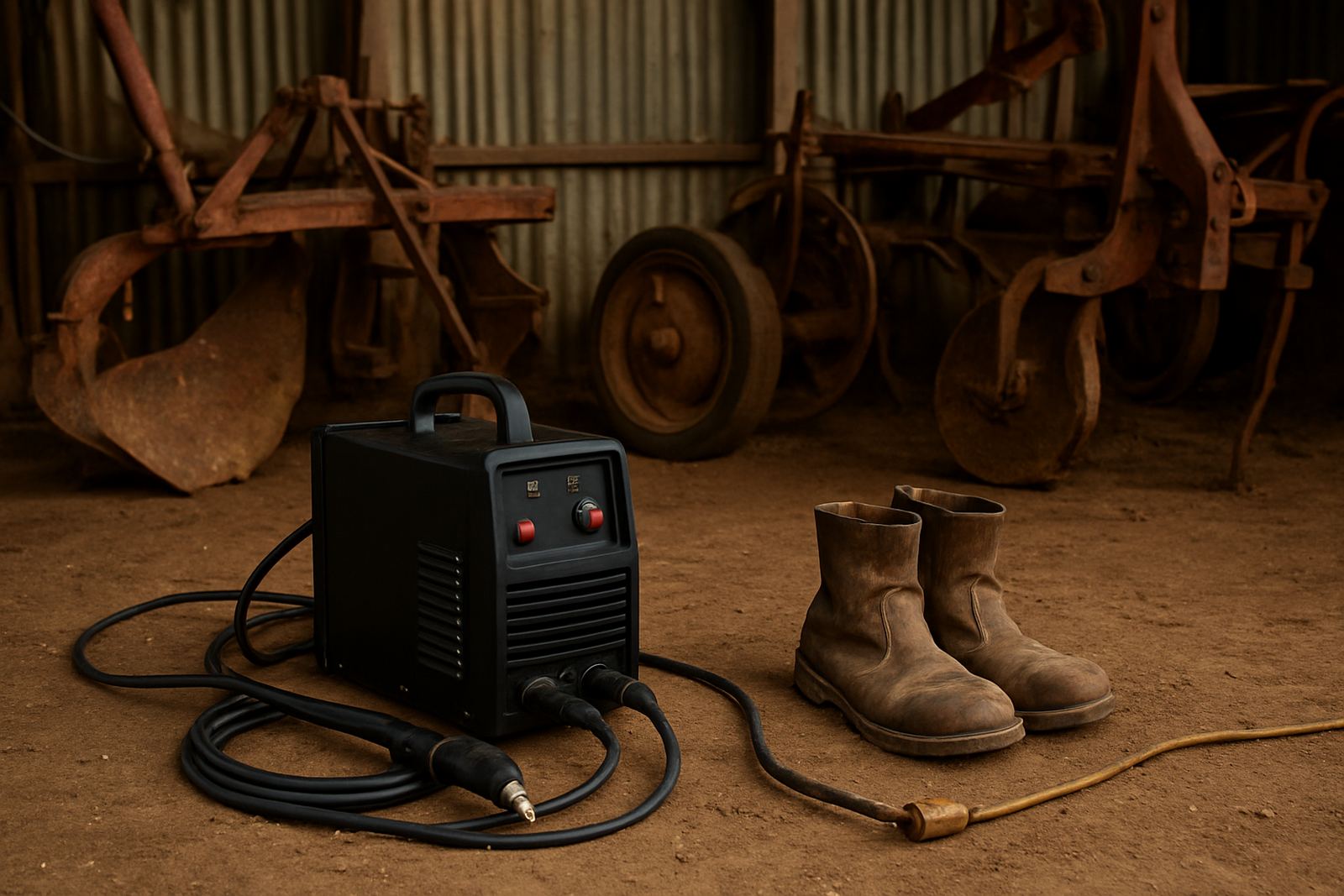
In areas like Alberton, Germiston and Meyerton, many customers use a unit like this for quick trim work, rusted section removal and on-the-spot repairs. In the Free State, it is also handy for field use where power may be limited and jobs need to be finished quickly before weather or load-shedding interrupts the day.
- Light fabrication and small repair work
- Automotive panel and bracket cutting
- Farm and workshop maintenance
- Training, demonstrations and hobby projects
Power, air and setup requirements
The CUT 40 is designed for straightforward installation on a suitable single-phase supply. It should be connected to a stable power source with enough capacity for cutting at the intended duty cycle. If the site has frequent voltage dips or generator power, it is important to check the supply first so the machine is not pushed outside its working range.
Plasma cutting also depends on clean, dry compressed air. Wet air, oil carry-over and dirty lines can shorten consumable life and affect cut quality. A proper filter and regulator setup is strongly recommended, especially in coastal or humid conditions, and in workshops where the compressor also runs other air tools.
- Single-phase supply is typically used for this class of machine
- Needs dry compressed air for best performance
- Air line filtration helps protect consumables and torch parts
- Check available amperage before plugging in on site
Cutting performance and practical specs
In day-to-day use, the CUT 40 is intended for light to moderate cutting rather than heavy structural work. It is best matched to mild steel sheet, plate and profiles within the machine’s rated range. For more demanding work, especially repeated cutting on thicker material, it is wise to confirm the cut speed and consumable wear rate before placing the unit into production.
A clean, square cut depends on correct travel speed, torch angle and air pressure. If you move too slowly the edge can become rough and dross will build up, while moving too fast can leave a shallow cut or unbroken sections. A bit of practice goes a long way, and operator training makes a real difference.
- Designed for handheld plasma cutting on mild steel
- Suitable for sheet, flat bar, angle iron and small plate jobs
- Fast start arc for easier operator control
- Clean cut quality when air and technique are correct
Care, consumables and servicing
Like any plasma cutter, the CUT 40 performs best when the torch, earth connection and air supply are kept in good order. Consumables wear out during normal use and should be checked regularly for nozzle damage, electrode wear and shield condition. If the arc becomes unstable or the cut edge starts to wander, it is often a sign that consumables need attention.
We handle torch repairs, power source repairs, preventive maintenance, consumables checks and air system inspection across Gauteng and the Free State. For customers in Bloemfontein, Welkom and Sasolburg, we can also assist with servicing and on site breakdowns when a unit is no longer cutting as it should. Keeping the machine clean and dry helps extend its life, especially in workshops with metal dust and high humidity.
- Inspect torch parts before every job
- Keep the earth clamp clean and securely fixed
- Drain moisture from compressors and air lines
- Book preventive maintenance before peak work periods
Key checks to make before ordering your CNC table
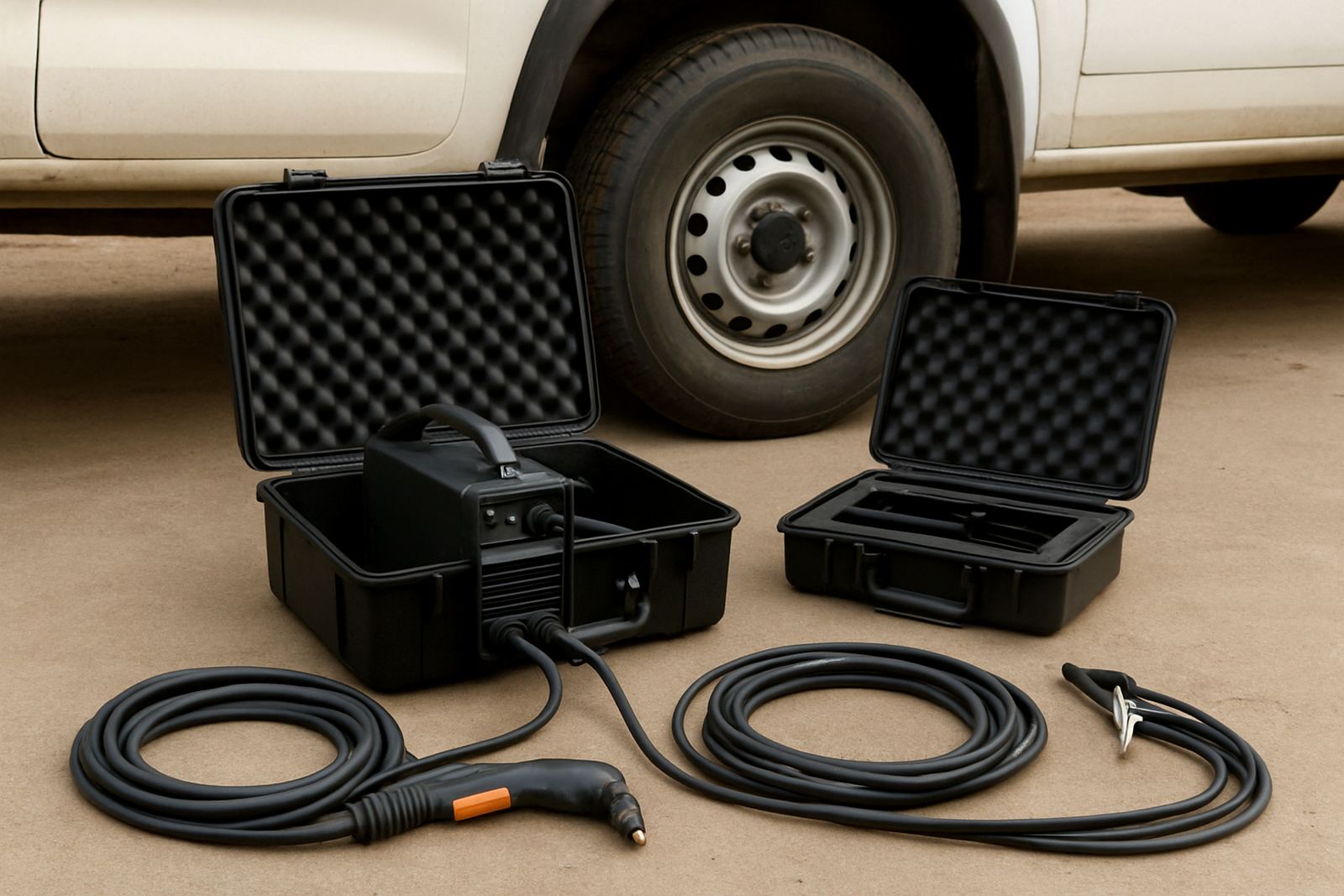
Before ordering a CUT 40, check the thickness and type of steel you work with most often, the power available on site and whether you have a compressor that can supply clean dry air. If you plan to move the unit between locations, also consider cable length, torch handling and how often the machine will be carried in and out of a vehicle.
It also helps to think about operator skill. If the machine will be used by more than one person, ask about training and a quick cut quality audit so everyone starts on the same page. Our team in Vereeniging can help with demos, machine commissioning and operator training, with support across Gauteng and the Free State. Clients can get in touch through the enquiry form on our contact page.
- Material thickness and type of work
- Available power supply and site conditions
- Compressor size and air quality
- Need for training, spares or servicing support
Key facts
| Product type | Handheld plasma cutter |
|---|---|
| Model class | CUT 40 entry-level unit |
| Input power | Single-phase supply, site dependent |
| Recommended use | Light fabrication, maintenance and hobby cutting |
| Air requirement | Clean, dry compressed air |
| Typical application | Mild steel sheet, plate, flat bar and small profiles |