Built for repair work that needs a lighter touch
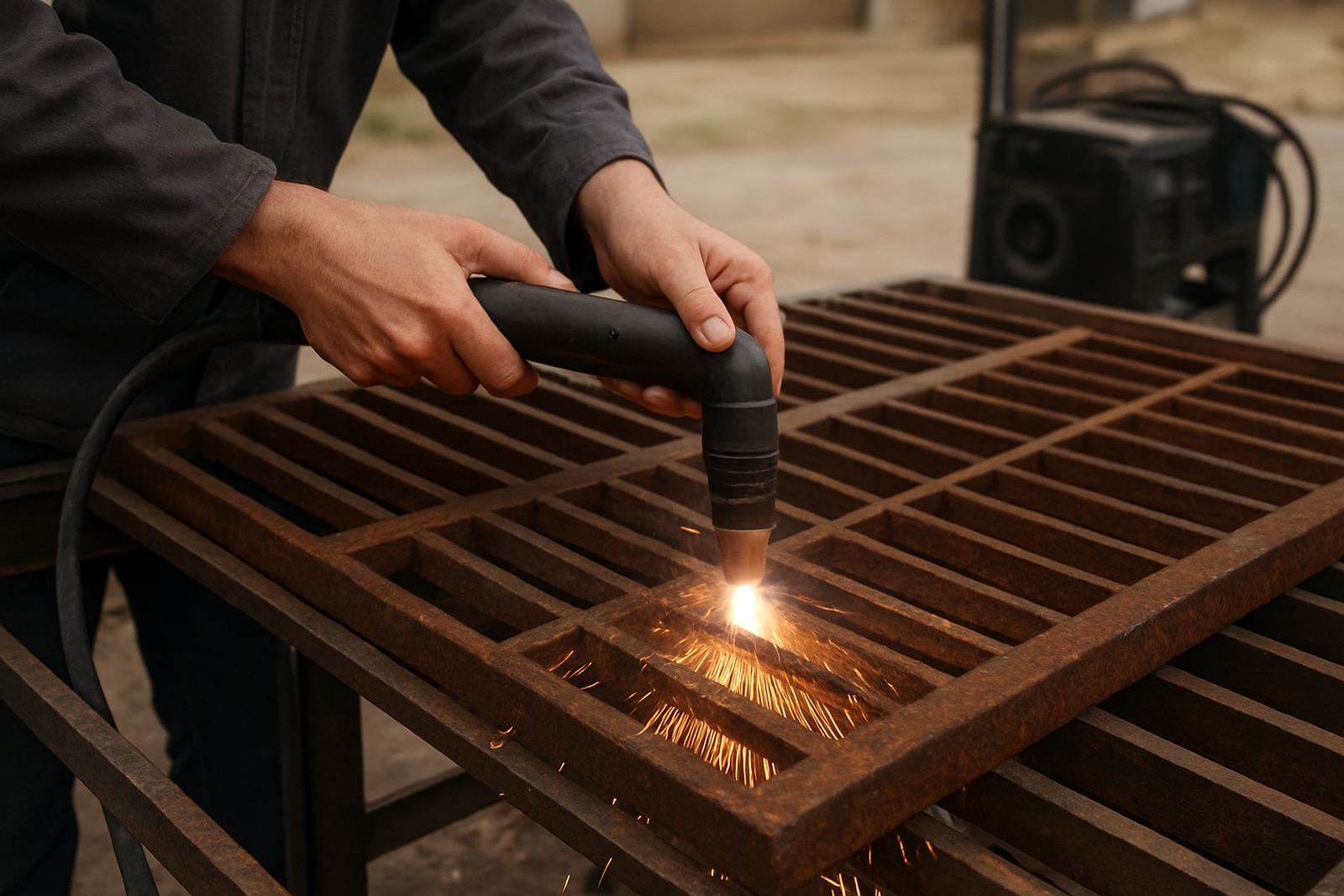
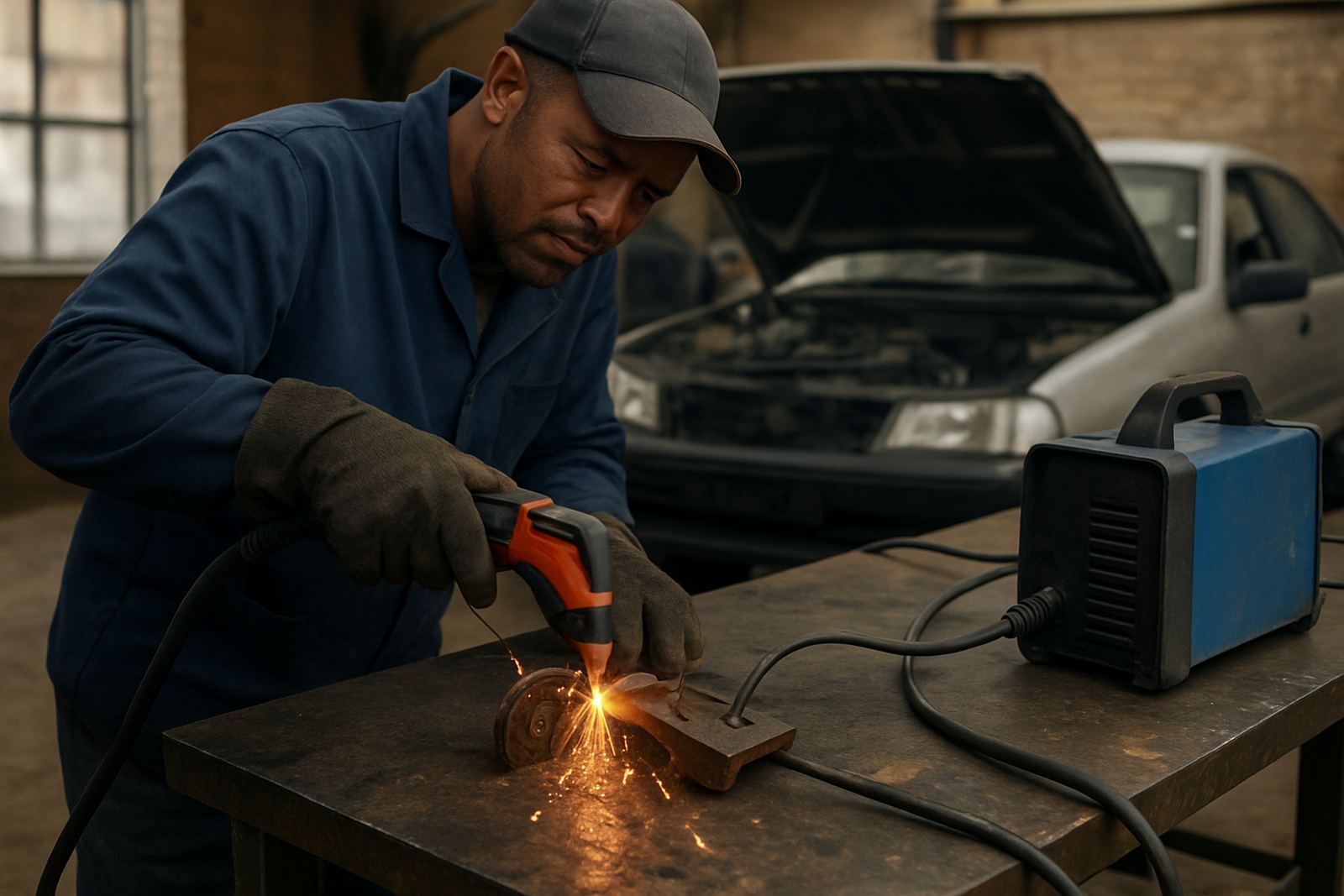
An automotive body cutter is used where a standard heavy cutting setup can be too aggressive. In panel shops, mechanical repair bays and small fabrication corners, it helps you trim brackets, patch sections, tabs and repair pieces without spending extra time grinding back a rough edge. That makes it useful for body repairs, localised rust repair, exhaust work and custom modifications on vehicles and trailers.
The unit is aimed at operators who need repeatable control on mild steel and similar conductive metals. It handles straighter cuts on sheet and light plate, and with the right setup it also works on shaped parts, tight corners and small detail cuts. For businesses in Vereeniging, Vanderbijlpark and Meyerton, that can mean less rework when jobs are already under pressure from time and labour costs.
This is not a general purpose torch for rough yard work. It is selected for accuracy, cleaner edge finish and better operator control. That matters in shops where a repaired panel still has to line up properly or a bracket must fit first time.
Size and control options for workshop fit-out
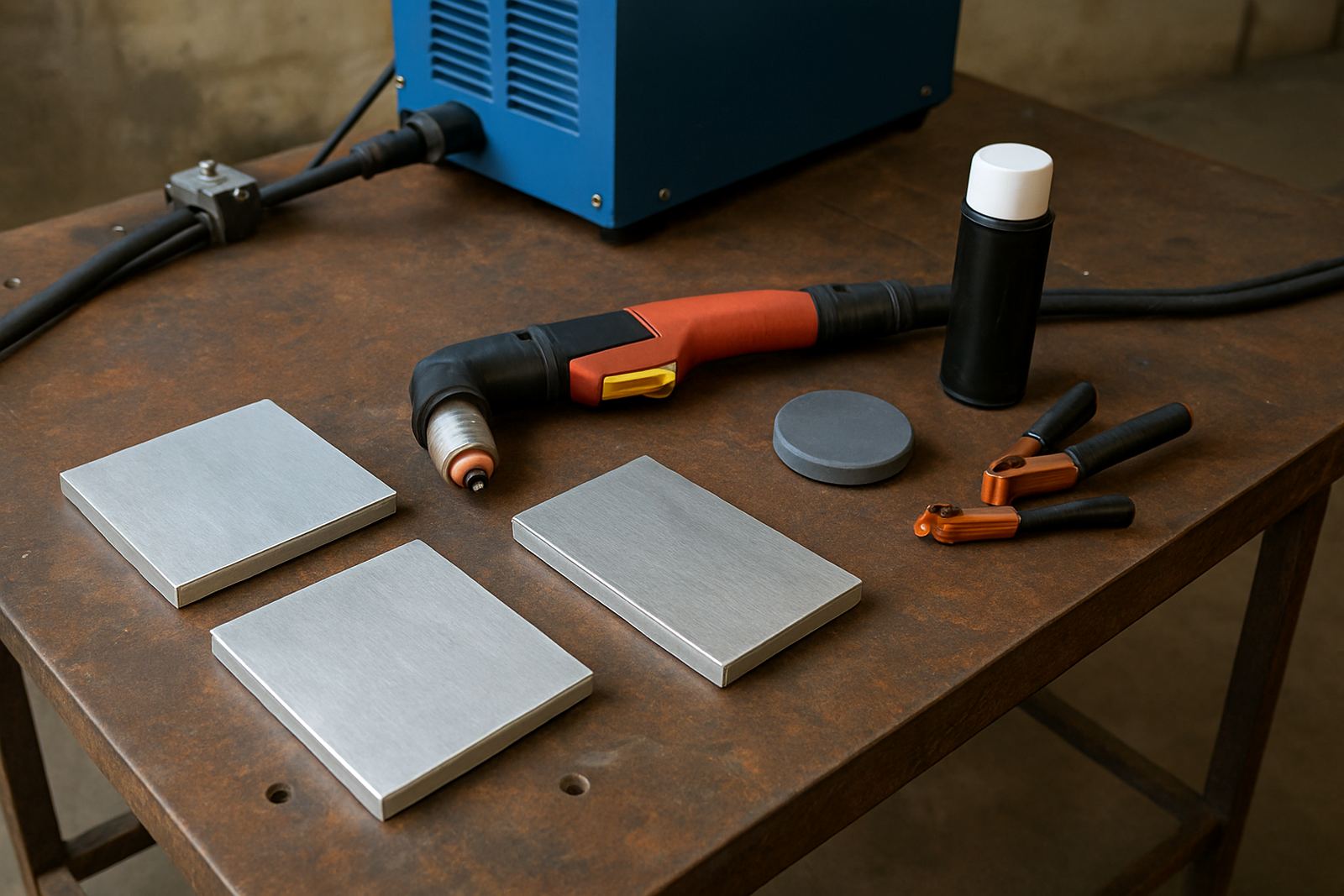
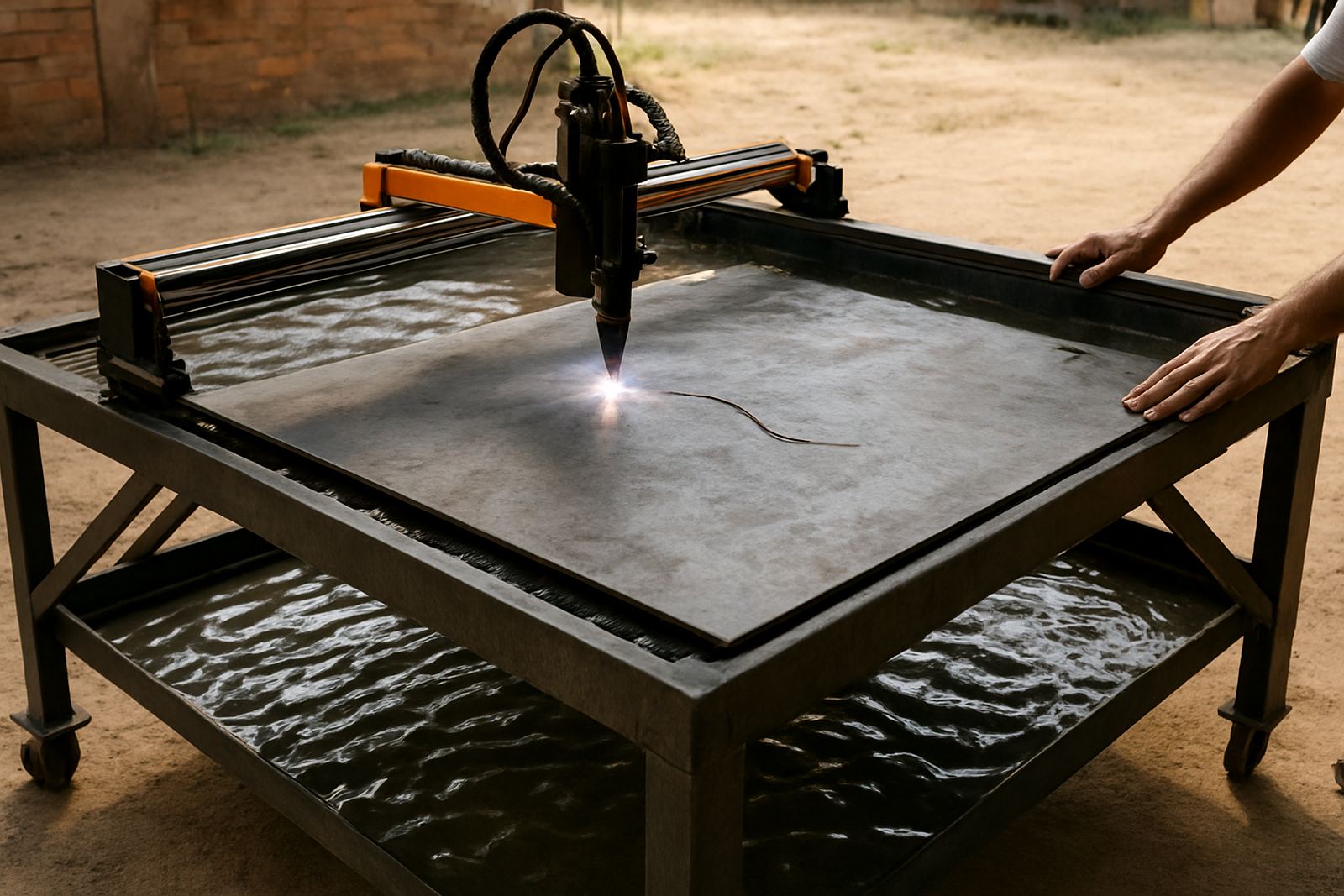
The Automotive Body Cutter is available in practical output ranges suited to shop use, from lighter handheld units through to units that can be integrated with a CNC cutting table. The right choice depends on the thickness you cut most often, the duty cycle you need and whether the job is mainly manual repair work or guided production work. Smaller shops often prefer a portable unit that can move between bays, while busy fabrication teams usually look for a unit that can stay on a bench or table.
Typical options include selectable current settings, torch length choices and different torch lead lengths for flexibility around vehicles and jigs. Some operators need a compact unit for a small spray booth area or body prep room, while others need a higher output machine for regular plate work. If you are doing vehicle restoration in Sasolburg or custom work in Alberton, it helps to match the machine to the actual job mix instead of buying for rare heavy cuts.
- Handheld units for mobile repair and fitment work
- Table-ready units for guided cutting and repeat parts
- Options for different torch lengths and cable runs
- Output settings to suit light sheet through to thicker section work
Where it suits in automotive and fabrication shops
This cutter is suited to body shops, mechanical repairers, restoration workshops and light fabrication businesses. It is useful when you need to cut repair inserts from sheet, open up damaged areas for replacement panels or trim custom parts to fit around existing structures. In panel beating, the value is in control, because a cut that runs too wide can create more welding, more filler and more finishing time later.
It also suits small production jobs such as custom brackets, mounting plates, gussets, support tabs and trim pieces for trailers or utility vehicles. Businesses in Germiston and Bloemfontein often ask for equipment that can do both repair work and one-off fabrication, because workshop space is limited and the same machine needs to cover more than one task. This unit fills that gap well.
For companies working near the coast or in humid storage areas, care is needed on stored consumables and machine condition. In inland areas like Welkom, dust and fine metal particles are often the bigger issue. Either way, a cleaner workshop means fewer torch problems and less time lost to inconsistent cuts.
Power, air and installation requirements
Installation is straightforward, but the supply needs to be correct. The cutter needs a stable electrical feed, clean compressed air and enough space for ventilation around the machine. On sites where load-shedding is still part of the day, many workshops in Gauteng and the Free State choose to plan cutting work around stable power windows or add suitable backup power where practical.
Air quality is just as important as power. The unit needs dry, clean air at the correct pressure so the torch can maintain a steady arc and avoid premature consumable wear. Water in the airline, oil carryover from an overworked compressor or a blocked filter will all affect cut consistency. If the air line is not sorted first, the machine cannot perform as it should. A quick commissioning check saves a lot of trouble later.
- Stable mains supply or planned backup power
- Dry compressed air at the correct pressure
- Enough clearance for airflow and service access
- Proper earth connection and safe cable routing
Routine care that keeps cut quality steady
Good cut quality depends on routine attention. Torch consumables should be checked regularly for wear, especially when the machine is used daily. If the nozzle, electrode or swirl parts are worn, the arc becomes less stable and the edge finish starts to drift. That is when you see more dross, wider kerfs and a cut line that needs extra cleanup. A small consumables issue can turn into a bigger production delay if it is left too long.
Preventive maintenance should also include air system inspection, lead checks, cable condition and cleaning around the machine body. For shops that run the cutter near grinding and welding stations, dust and spatter can settle into connectors and fan openings. Our service team can assist with torch repairs, power source repairs, consumables checks and cut quality audits so the machine stays ready for work.
Where there is CNC integration, table servicing and height control calibration matter just as much. On a body cutter used for repeat parts, even a small calibration shift can affect fit-up and waste material. That is why operator training and regular checks are worth more than waiting for a breakdown.
Points to confirm before ordering this cutter
Before you order, check the thickness range you cut most often, the material types you work with and whether you need handheld use, table use or both. If your shop makes repair sections from 1.6 mm to 6 mm steel, your needs will differ from a fitter who only trims brackets and light tabs. Also confirm the duty cycle you need for your daily workload, because a machine that suits hobby use may not keep up in a busy repair bay.
You should also confirm torch lead length, input power available on site, compressor capacity and whether your workshop has a dry air system in place. If you are in Vereeniging, Sasolburg or Welkom and planning a new machine for the bay, it helps to think through where the unit will stand, how the cables will route and who will use it each day. That avoids awkward set-up changes after delivery.
- Material type and typical thickness range
- Handheld, CNC or dual-use requirement
- Available power supply and compressor capacity
- Torch lead length and workstation layout
- Need for training, commissioning or on-site support
Local support, demos and servicing from Vereeniging
PlasmaCutter works from Vereeniging with demos and servicing across Gauteng and the Free State, including Vanderbijlpark, Alberton, Germiston, Bloemfontein and Welkom. If you need help matching the Automotive Body Cutter to your repair work, the team can assist with product guidance, machine commissioning, operator training and after-sales support. The point is to get the machine working properly in your shop, not just on paper.
For enquiries, clients reach us through the enquiry form on the contact page. That keeps requests in one place so the team can respond with the right details on machine options, spares and servicing. From a single repair bay to a larger fabrication operation, the goal is practical support that helps the cutter earn its keep from day one.
Key facts
| Cutting type | Handheld plasma cutting for fine control |
|---|---|
| Typical use | Brackets, panels, patch sections and custom automotive work |
| Material suitability | Mild steel and other conductive metals |
| Power requirement | Stable electrical supply with correct earthing |
| Air requirement | Clean, dry compressed air at correct pressure |
| Support options | Commissioning, training, spares, repairs and servicing |