What a pilot arc cutter does on real workshop jobs
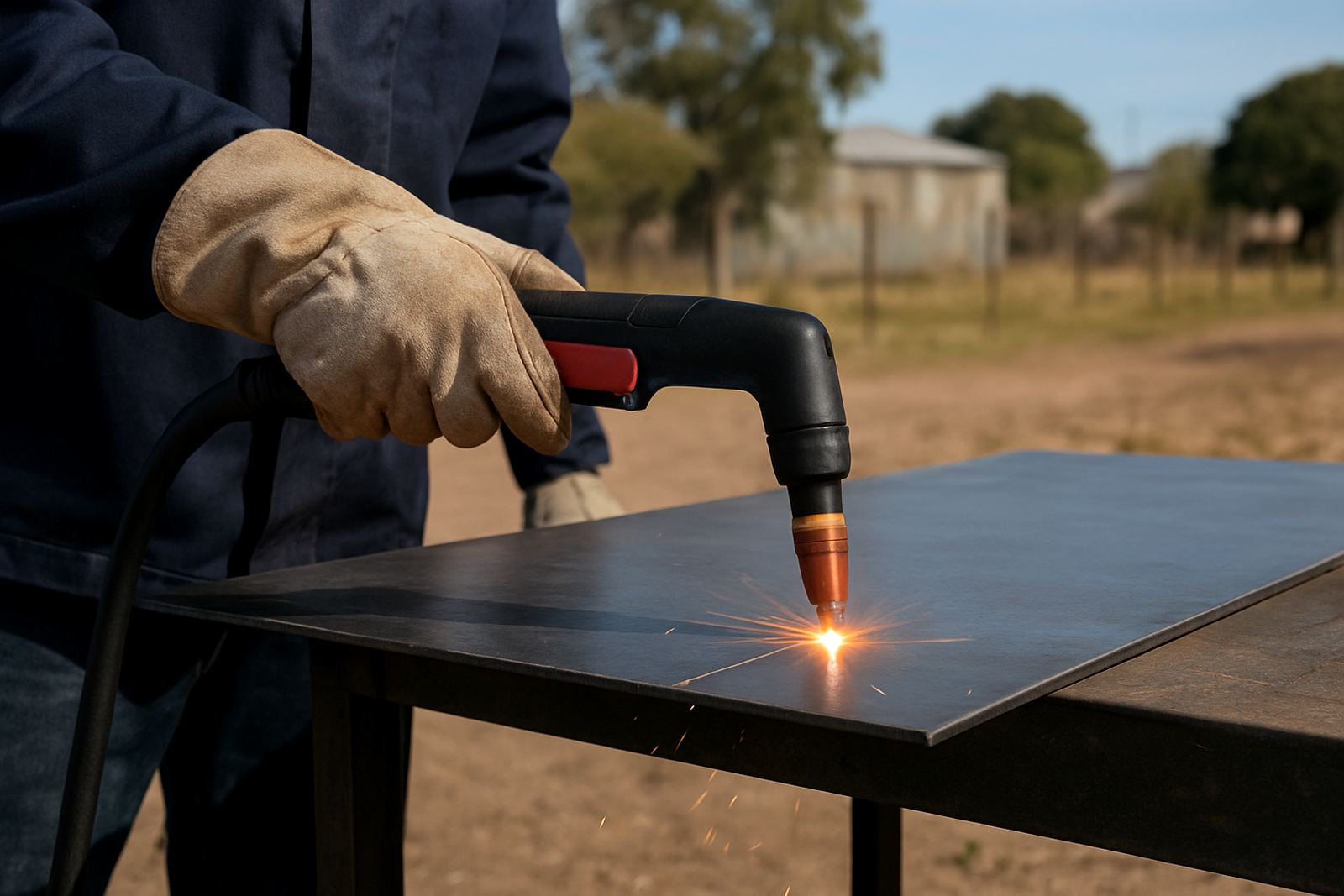
A pilot arc cutter is a plasma cutting system that creates a small transfer arc before the torch tip reaches the metal. That means you can start cuts on coated plate, oxidised steel, expanded mesh and other uneven material with less fuss. For fabrication shops, vehicle repair work and maintenance crews, this helps reduce failed starts and wasted consumables.
It is especially useful where material is not perfectly clean or when you need to start cuts in the middle of a sheet. On farm repairs, plant maintenance and jobbing work around Gauteng and the Free State, that extra starting ease saves time. It also gives the operator better control when working on sections with scale, rust or paint still present.
PlasmaCutter supplies handheld and CNC-ready pilot arc options for different cutting needs. If you are cutting by hand in a workshop in Meyerton or running a table in Bloemfontein, the right set-up depends on plate thickness, duty cycle and how often the machine will be used each day.
Sizes, output ranges and torch options
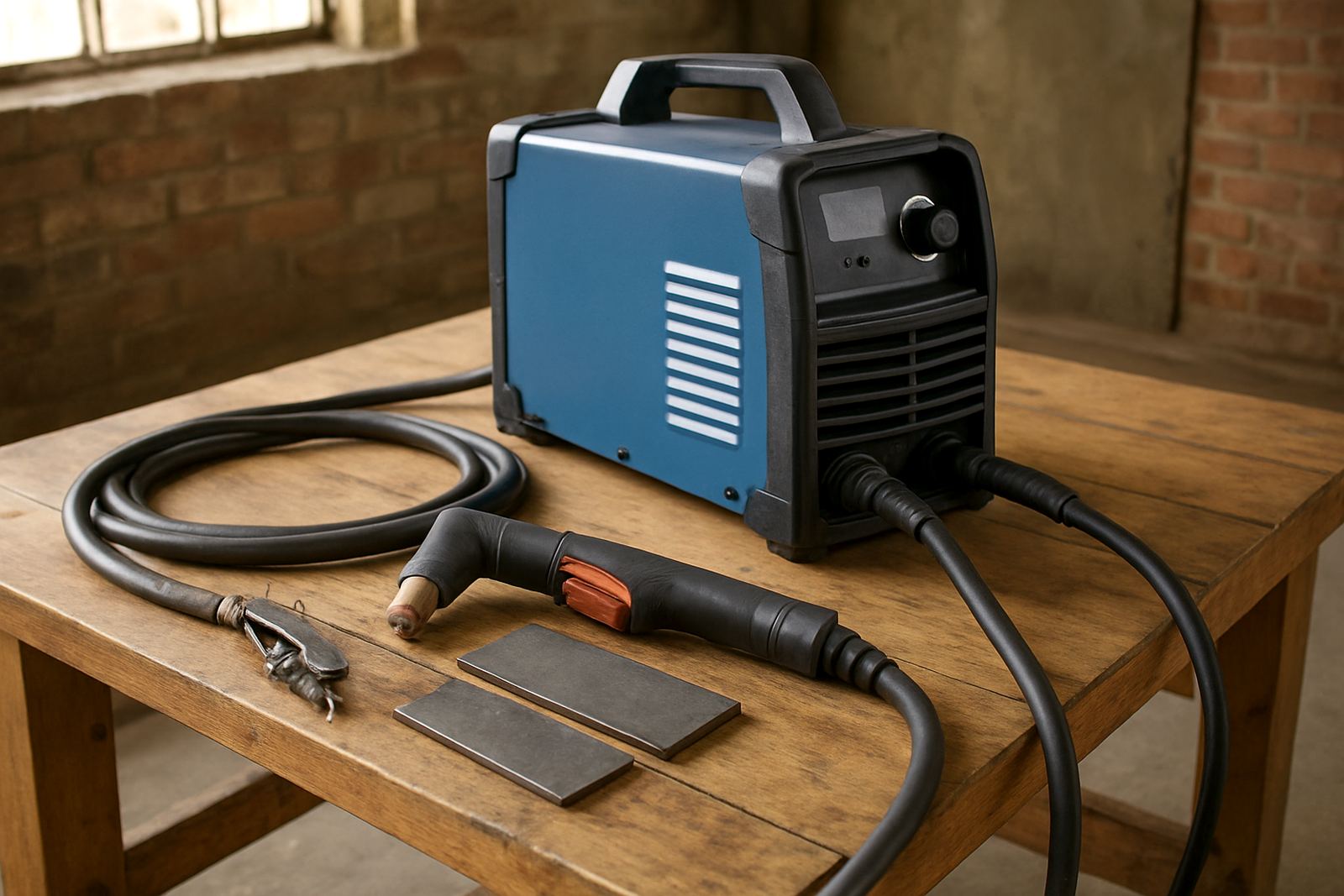
Our pilot arc cutter range covers smaller workshop machines through to higher output units for regular industrial use. The exact set-up depends on the metal you cut most often and whether you need hand cutting, CNC work or both. As a guide, most clients look at output ratings between 40 A and 160 A, with higher current giving better capacity on thicker plate.
Handheld units are a good fit for general fabrication, gate work, plant repairs and auto body support work. CNC versions suit table cutting where repeatable cut quality and cleaner edges are important. Some models use a blowback or high frequency start system, while others are designed for simpler torch handling and lower operator fatigue.
- Handheld units for site work, maintenance and small fabrication
- CNC-compatible systems for table cutting and repeat jobs
- Air-cooled torches for lighter duty and easier handling
- Higher duty cycle options for longer shifts and production work
- Different torch lengths and lead sizes depending on the job area
Where pilot arc cutting suits local production work
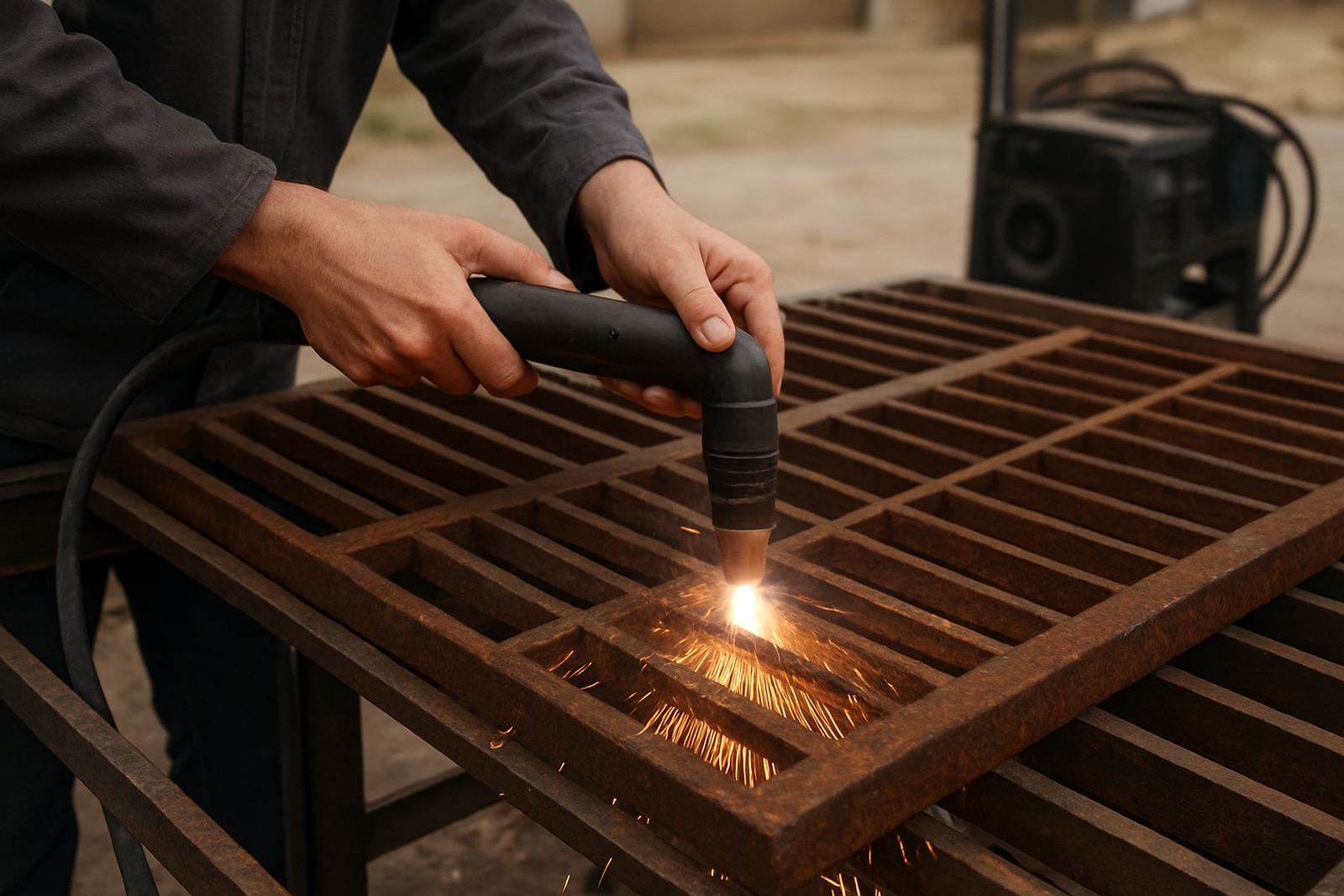
This type of cutter suits shops that work with mixed material conditions. If steel comes in with mill scale, weather rust or old coating, the pilot arc makes starting easier and keeps the process moving. It is also a practical answer for expanded metal, perforated sheet and scrap work where a standard touch start can struggle.
In automotive and truck repair, a pilot arc cutter helps when removing brackets, sections and body components that have already seen years of use. In fabrication, it is handy for cutting sheet, angle, plate, brackets and guards. For plant and municipal maintenance, it handles quick repair jobs where the material is not perfectly cleaned first, which is often the case on real sites.
It also suits clients working near the coast or in humid conditions where equipment can see more corrosion. A machine with the right protection, regular filter checks and clean air supply will usually stay in service longer and cut more consistently.
- Fabrication shops cutting mild steel, channel, angle and plate
- Automotive repair and dismantling work
- Maintenance teams working on plant, fencing and structural steel
- Hobby users who want a cleaner start on second-hand or rusty material
Power supply, air and installation requirements
Before ordering, it helps to confirm your supply and site conditions. Most pilot arc cutters need a stable electrical feed, dry compressed air and enough space around the machine for cooling. In workshop settings, single-phase or three-phase supply can be relevant depending on the current rating and how much cutting you plan to do.
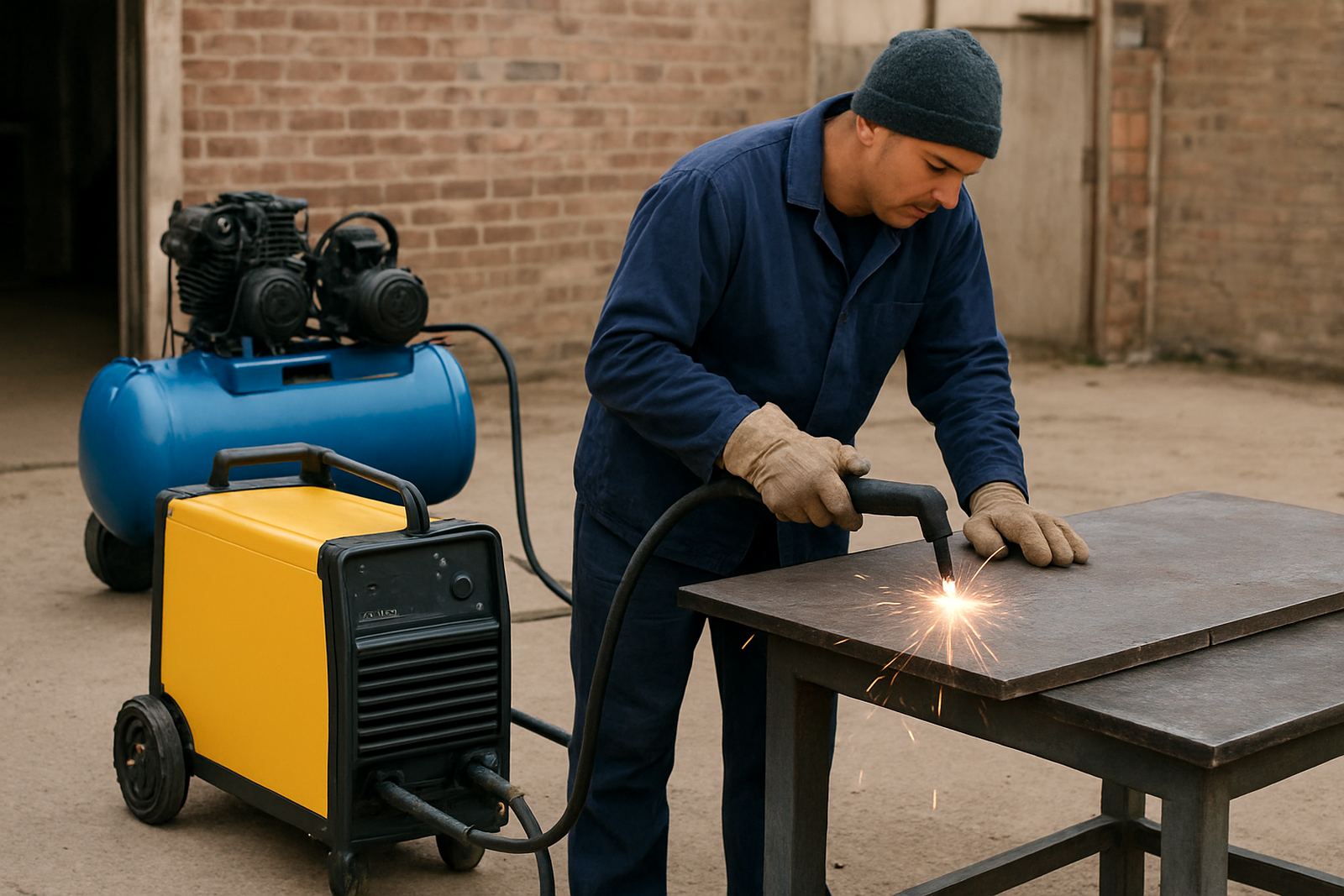
Compressed air quality matters just as much as power. Moisture, oil and dirt in the line can shorten consumable life and affect cut quality. In many Gauteng and Free State workshops, a proper regulator, water trap and clean airline make a visible difference. If load-shedding or unstable supply is part of your day, ask about generator compatibility and the start-up current of the machine before you buy.
- Check available voltage and whether your site is single-phase or three-phase
- Confirm compressor capacity, pressure and air dryness
- Allow for stable earthing and a clean work return connection
- Plan cable length and torch reach for the size of your cutting area
- For CNC use, confirm table interface and torch mount compatibility
Cut quality, consumables and daily care
Good cutting starts with the right consumables and a clean torch. Keep the electrode, nozzle and shield in line with the machine rating, and replace worn parts before they affect the arc. If the arc starts getting erratic, the cut edge goes wider, or dross starts building up fast, the torch may need attention.
Daily care is simple but important. Blow out dust, drain moisture from the air line and inspect the leads for heat damage or abrasion. On busy sites, a weekly check of air quality, torch wear and machine ventilation is worth the effort. It is a small routine that can prevent a breakdown in the middle of a job.
We also support torch repairs, power source repairs, consumables checks, air system inspection and cut quality audits. For CNC users, we can assist with height control calibration and table servicing so the machine keeps cutting at a consistent stand-off distance. If your workshop is in Alberton, Germiston or Sasolburg, on site breakdown support can help get production moving again.
Points to confirm before ordering this cutter
When selecting a pilot arc cutter, the best choice depends on the jobs you actually do, not just the nameplate rating. A machine that is ideal for light fabrication may be underpowered for thick plate, while a high-output system may be more than you need for occasional repair work. Give careful thought to the steel thickness, cut length and daily duty cycle.
It also helps to know whether you need a full package with torch, leads, clamps and consumables, or a machine only supply. If you plan to add CNC later, confirm that the power source can integrate with your table setup. For operators who are new to plasma cutting, training can make a real difference to cut angle, travel speed and pierce technique.
- Material thickness and how often you cut it
- Handheld only or handheld plus CNC use
- Available electrical supply on site
- Air compressor size and air quality
- Required accessories, spares and torch consumables
- Need for commissioning, operator training or follow-up servicing
PlasmaCutter works from a Vereeniging base with demos and servicing across Gauteng and the Free State, including Vanderbijlpark, Sasolburg, Meyerton, Alberton, Germiston, Bloemfontein and Welkom. Clients can reach us through the enquiry form on our contact page for product guidance, servicing or a practical recommendation for the work you need to do.
Key facts
| Cutting type | Pilot arc plasma cutting for easier starts on painted, rusty and expanded metal |
|---|---|
| Output range | Typical options from 40 A to 160 A depending on model and application |
| Material suitability | Mild steel, plate, angle, mesh, perforated sheet and general fabrication steel |
| Power supply | Single-phase or three-phase options depending on machine rating |
| Air requirement | Dry compressed air with correct pressure, filtration and moisture control |
| Support services | Commissioning, operator training, repairs, maintenance and cut quality audits |