
What the HF Start system does on the cut
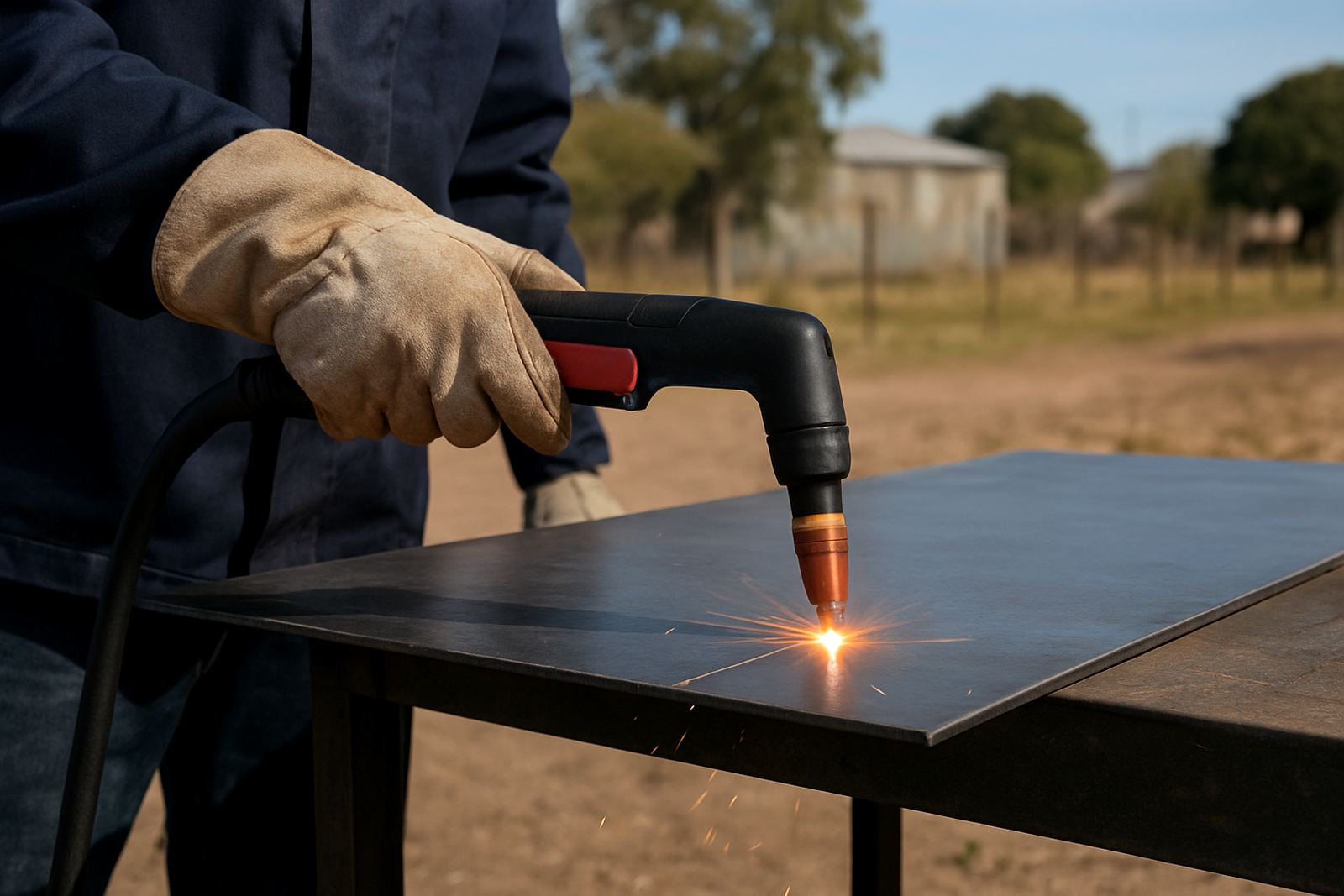
An HF start plasma cutter uses a high-frequency spark to begin the arc without touching the torch tip hard against the plate. That makes starting easier on the consumables and gives a cleaner first pierce on mild steel, stainless steel, and aluminium within the machine's rated range. For busy fabrication shops in Vereeniging, Vanderbijlpark, Sasolburg, Alberton, Germiston, Bloemfontein and Welkom, that means less fuss between cuts and more consistent results on repeat jobs.
This type of cutter is often chosen where the operator wants a familiar, straightforward machine that responds well to normal workshop conditions. It is especially useful for general maintenance, farm repairs, automotive brackets, gates, trailer work, and light production cutting. If you are cutting off a cracked bracket or trimming plate for a new frame, the HF start gives you a quick arc start with less dragging and better edge consistency.
Because the start system is traditional, it is important to set up the work area properly. Keep leads in good condition, clamp the work lead securely, and allow enough airflow around the machine. In dusty workshops or on-site jobs, a tidy setup helps the cutter perform well and reduces unnecessary wear on the torch and internal parts.
Typical sizes and output options
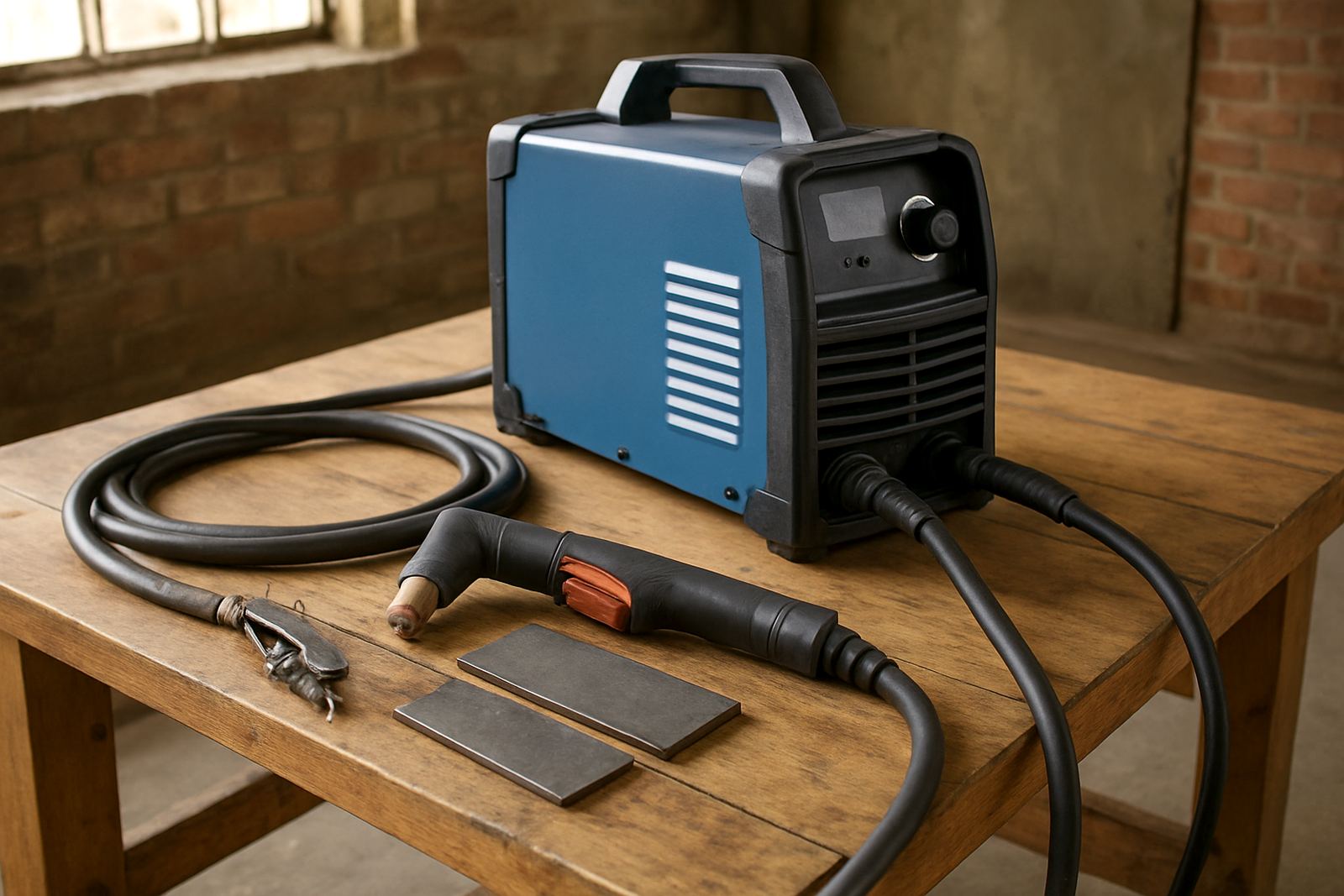
HF Start cutters are generally offered in a few practical output ranges so you can match the machine to the metal thickness and duty cycle you need. Smaller units suit maintenance work and lighter fabrication, while larger models give you more cutting headroom for thicker plate and longer runs. When comparing options, look at the rated output, input power, duty cycle, and the type of torch included.
- Light duty units for thin sheet, repairs and hobby work
- Mid-range units for workshops handling regular fabrication and maintenance jobs
- Heavier units for thicker material and longer cutting sessions
- Handheld torch setups for mobile work and general cutting
- Options with wheel guides or standoff accessories for steadier hand cutting
As a guide, many workshop buyers look for a machine that can cut cleanly through everyday plate sizes without running at full strain all day. That gives better service life and leaves some margin for harder materials, poor power supply conditions, or less-than-perfect air quality. If your work includes frequent plate prep, pipe trimming or repair jobs, it is worth choosing a size with enough spare capacity. not just the minimum rating.
Where this cutter suits best
This product suits fabrication shops, maintenance teams, vehicle repair businesses, farmers, builders and small manufacturing operations that need a practical cutting tool. It handles common mild steel work well and can be used for stainless steel and aluminium where the machine specifications allow. For many South African users, the main appeal is simple operation and clean ignition without a complicated setup.
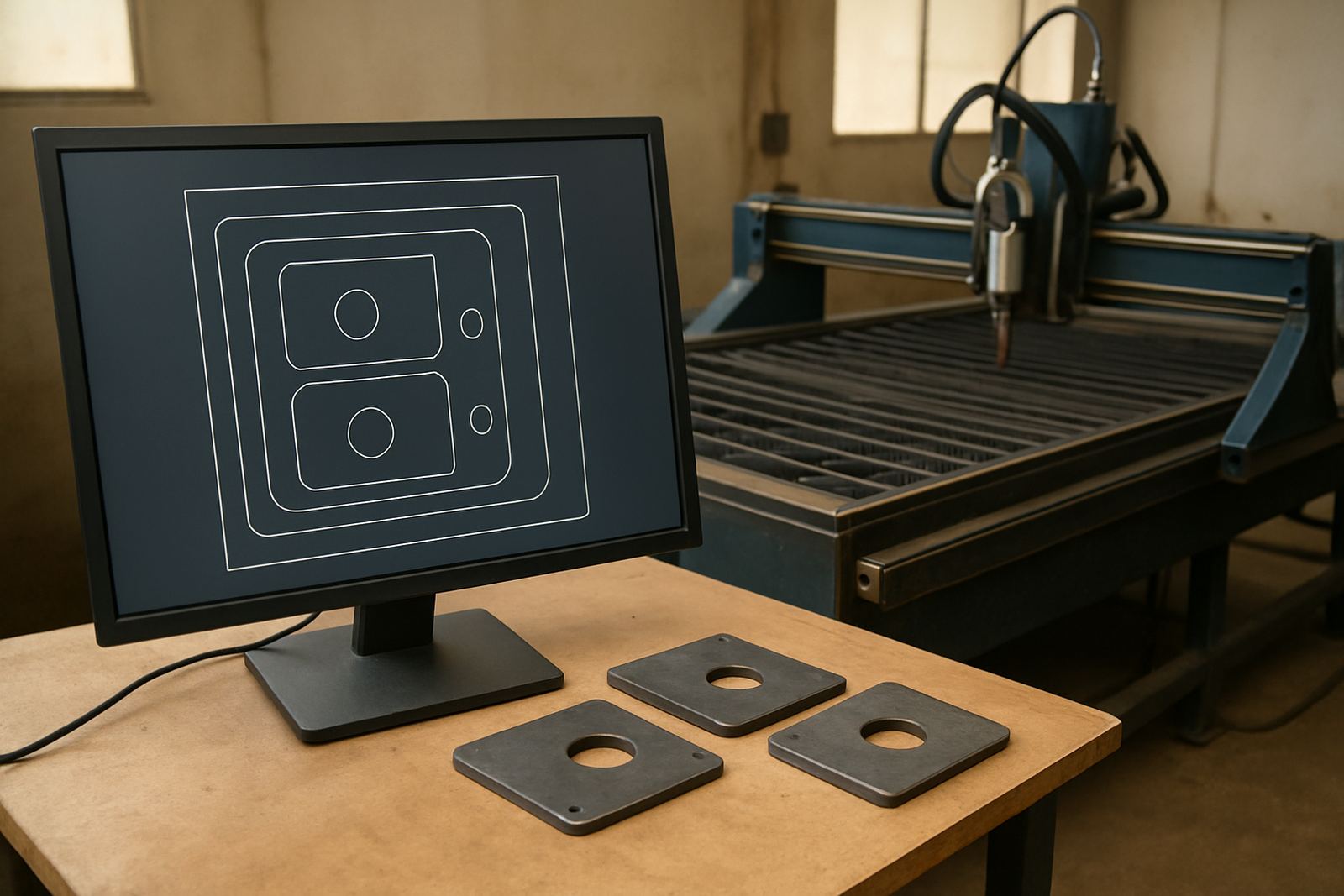
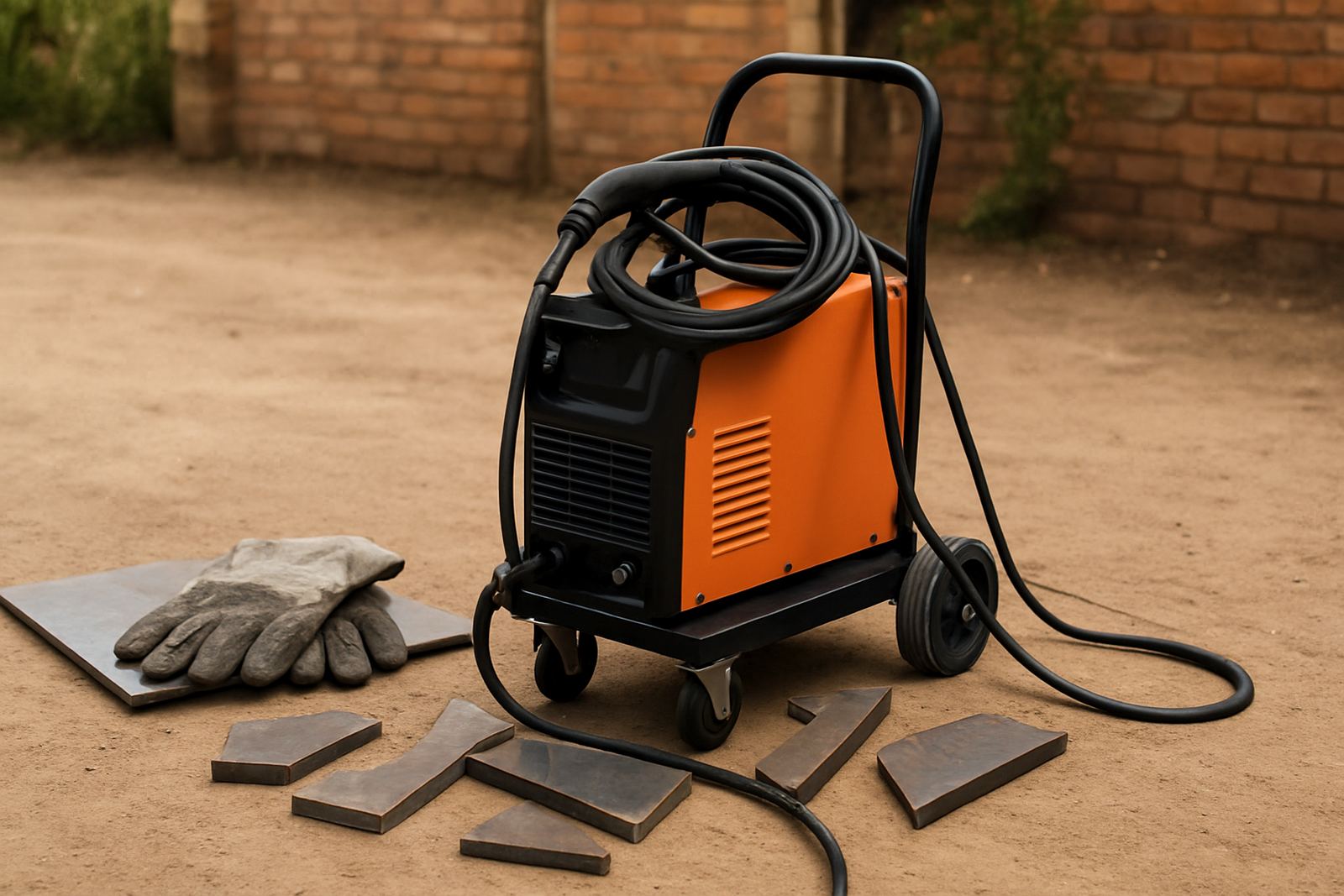
It suits operators who need regular manual cutting rather than a full automated table setup. That includes workshops cutting angle iron, brackets, patch plates, frames, tanks, guards, gates and support structures. It also suits service crews that need a reliable cutter in the back of a bakkie for field repairs, especially when the site is far from town and the work needs to be completed on that visit.
For coastal or humid areas, keep in mind that moisture can affect consumable life and torch performance. In those conditions, dry air matters more, and regular checks help prevent poor starts and rough cut edges. In Gauteng and the Free State, dust and heat are often the bigger issue, so clean filters and sensible storage are still important.
Installation, power and gas setup
Before commissioning, confirm the available supply and match the machine to the site conditions. HF start cutters are typically used on single-phase or three-phase power depending on the model. A stable power source matters, especially where load-shedding, long cable runs or weak supply can affect arc starting and cut consistency. If your site has voltage dips or generator use, ask for the correct input specification before ordering.
You will also need clean, dry compressed air at the pressure and flow recommended for the torch. Air quality is not optional. Water or oil in the line can damage consumables, make the cut rough, and cause poor starts. In practice, that means using a proper filter and drain setup, checking the compressor output, and making sure the line is sized correctly for the machine.
- Confirm input power before installation: single-phase or three-phase
- Check breaker size and cable capacity for the supply point
- Use dry compressed air at the required pressure and flow
- Keep hose runs as short as practical and free from leaks
- Fit the work clamp to clean metal for a solid return path
For first setup or machine commissioning, the torch, leads, air supply and earth connection should all be checked together. That saves time later and helps the machine cut properly from the first day on site.
Care, servicing and operator habits
Regular care keeps the HF Start Cutter working properly and protects the torch from avoidable wear. Consumables should be checked often, especially if cut quality begins to change or starts become inconsistent. A worn nozzle, damaged electrode or loose retaining parts can affect the arc very quickly. Keeping spare consumables on hand is usually worthwhile for active workshops.
Basic servicing should include inspection of the torch lead, air hose, connectors, cooling airflow, and any visible wear on the front-end parts. A clean machine lasts longer, so dust should be removed from vents and panels without forcing dirt into the unit. If the cutter is used on site or in a fabrication yard, regular preventive maintenance is a sensible habit rather than a nice-to-have.
Operators should be trained to start on clean, dry material when possible and to maintain a steady travel speed. Pushing too slowly can leave a wide kerf and more dross, while moving too fast can cut through unevenly. It sounds simple, but the way the torch is held makes a real difference to the finish.
Details to confirm when ordering this HF start cutter
When ordering, it helps to match the cutter to the exact kind of work you do. If you are replacing an old machine or buying your first plasma cutter, have the basic job details ready so the supply can be matched correctly. That includes the thickest material you cut, whether the work is handheld only, and what power is available at your site.
- Typical material type and thickness
- Single-phase or three-phase supply
- Need for handheld use, workshop use or site repairs
- Required torch length and cable reach
- Air compressor details and available pressure
- Whether you need training, commissioning or ongoing servicing
It also helps to say if the machine will be used in a dusty environment, near the coast, or on sites where the power supply is unstable. Those details affect the best setup and can help avoid avoidable faults later. If you need help with consumables, repairs, operator training or on-site breakdown support, our Vereeniging base assists customers across Gauteng and the Free State.
Key facts
| Start type | High-frequency start ignition |
|---|---|
| Machine use | Handheld plasma cutting |
| Input power | Single-phase or three-phase, model dependent |
| Air requirement | Clean dry compressed air |
| Cutting applications | Mild steel, stainless steel and aluminium within rated capacity |
| Support area | Vereeniging, Gauteng and the Free State |