
What the plate nesting system does on the shop floor
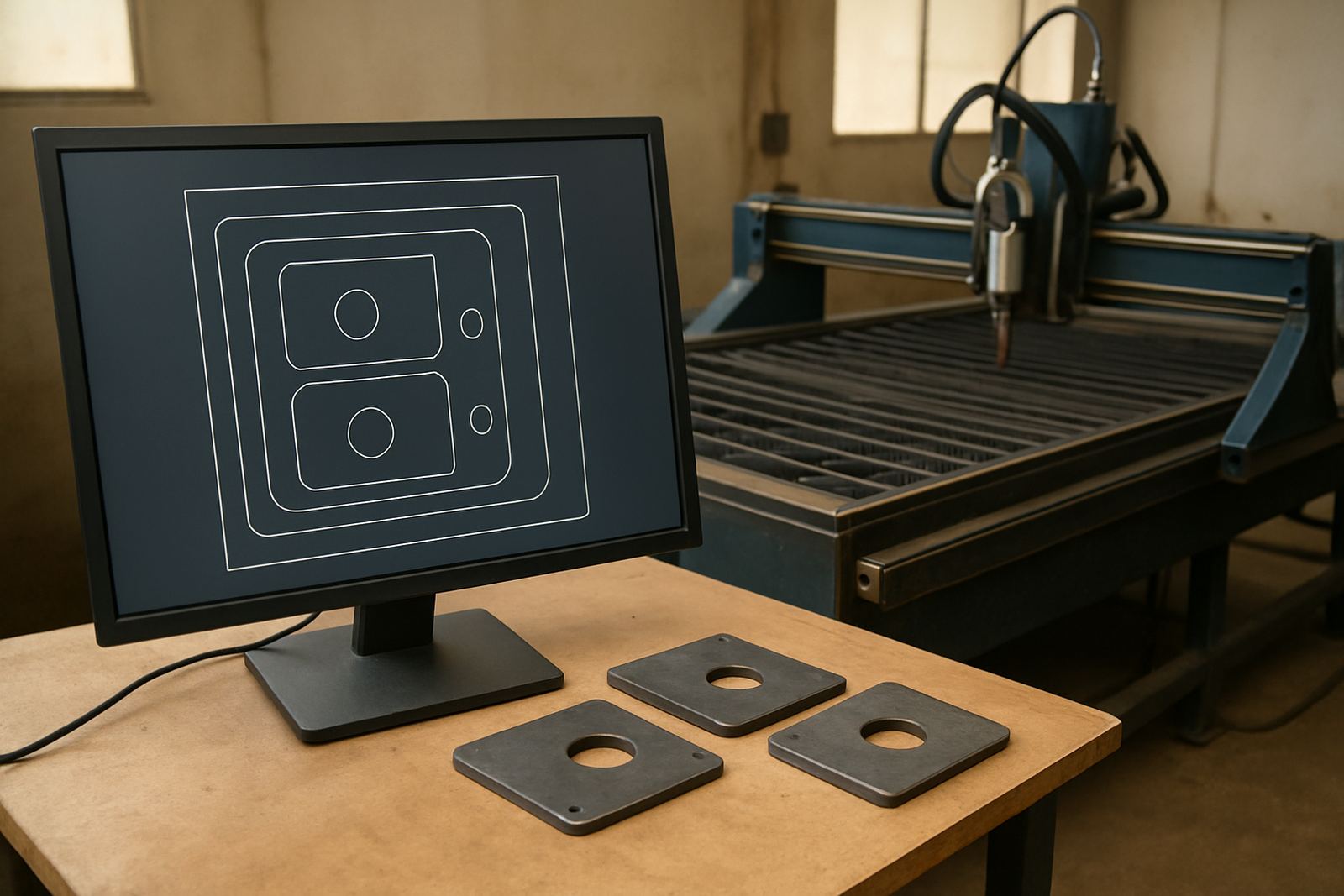
This CNC package takes your drawing or part list and arranges the parts onto the plate in a way that uses the material better. Instead of cutting one-off shapes by hand and leaving large offcuts, the nesting process places parts close together while still allowing a safe cut path, lead-in and lead-out, and sensible spacing for heat control. The result is better yield from standard sheet sizes and less time spent trimming scrap.
For many Gauteng and Free State workshops, that matters when steel prices move, supply changes and each sheet must be counted. It is a practical fit for jobbing shops, fabrication yards, light manufacturing, trailer builders and automotive repairers who run repeat batches of brackets, gussets, flanges and repair plates. It also helps when you need to keep part numbers consistent for reorders, because the same nesting file can be used again without redrawing every item.
PlasmaCutter supplies the package from our Vereeniging base and supports customers in Vanderbijlpark, Sasolburg, Meyerton, Alberton, Germiston, Bloemfontein and Welkom. Demo sessions and commissioning can be arranged on site, which helps you see how the software, machine and power supply work together before you commit.
Sizes, machine options and cutting capacity
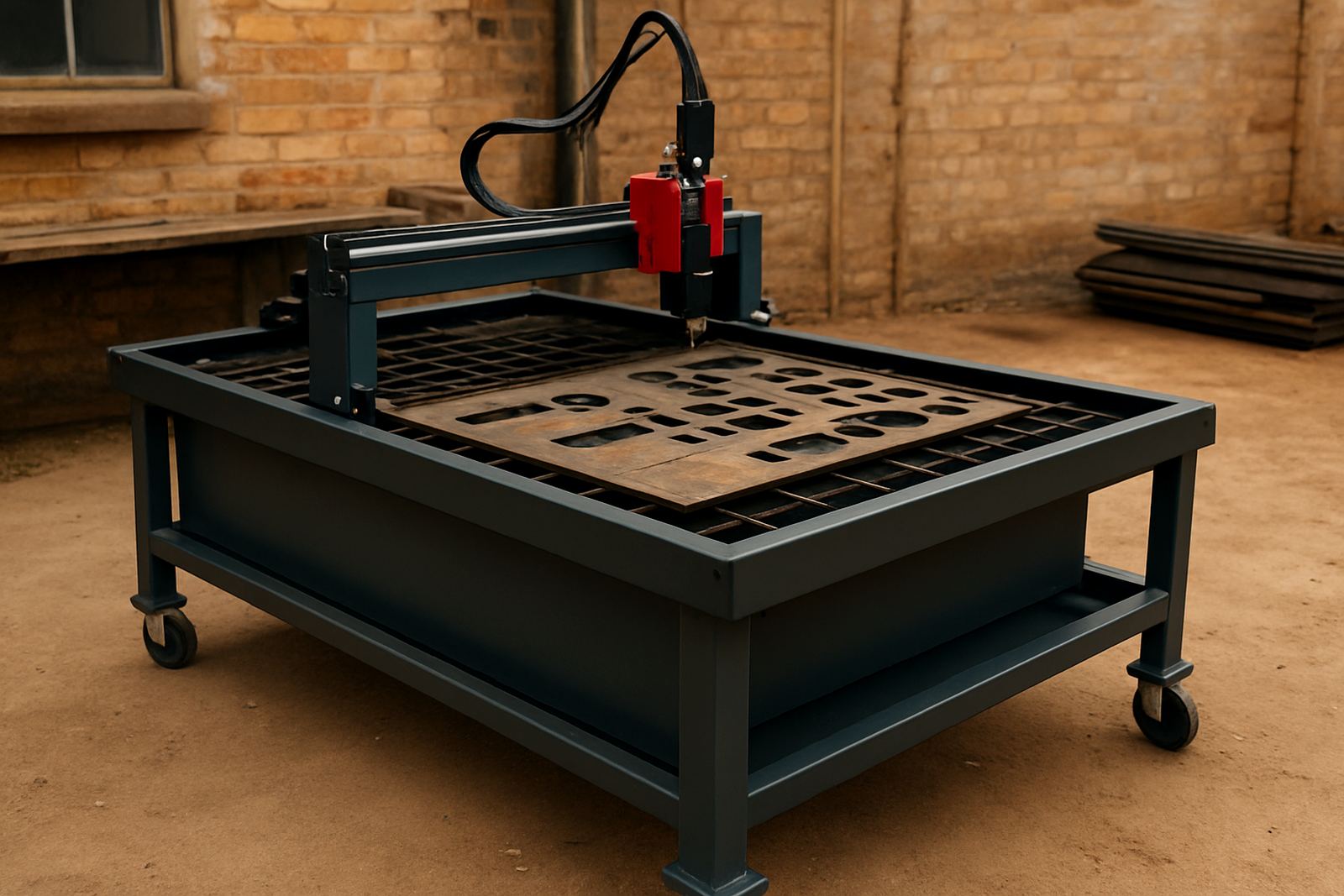
Plate nesting systems are normally matched to the table size and the work you do every day. Common table formats include 1.5 m x 3 m, 2 m x 3 m, 2 m x 6 m and larger custom tables for higher throughput. The right option depends on sheet sizes in your store, the thickness range you cut, and whether you need a compact unit for a smaller bay or a heavier duty setup for continuous work.
Typical cutting capacity is set by the plasma power source, torch setup and material quality. In practice, many workshops use these systems for mild steel sheet and plate from thin gauge up to medium plate, with clean piercing and consistent batch cutting when the table is level and the consumables are in good condition. For thicker work, the nesting system still supports efficient part placement, but cut speed, pierce height and edge finish must be set correctly to avoid excessive dross or bevel.
- Table sizes from compact workshop formats to long bed production tables
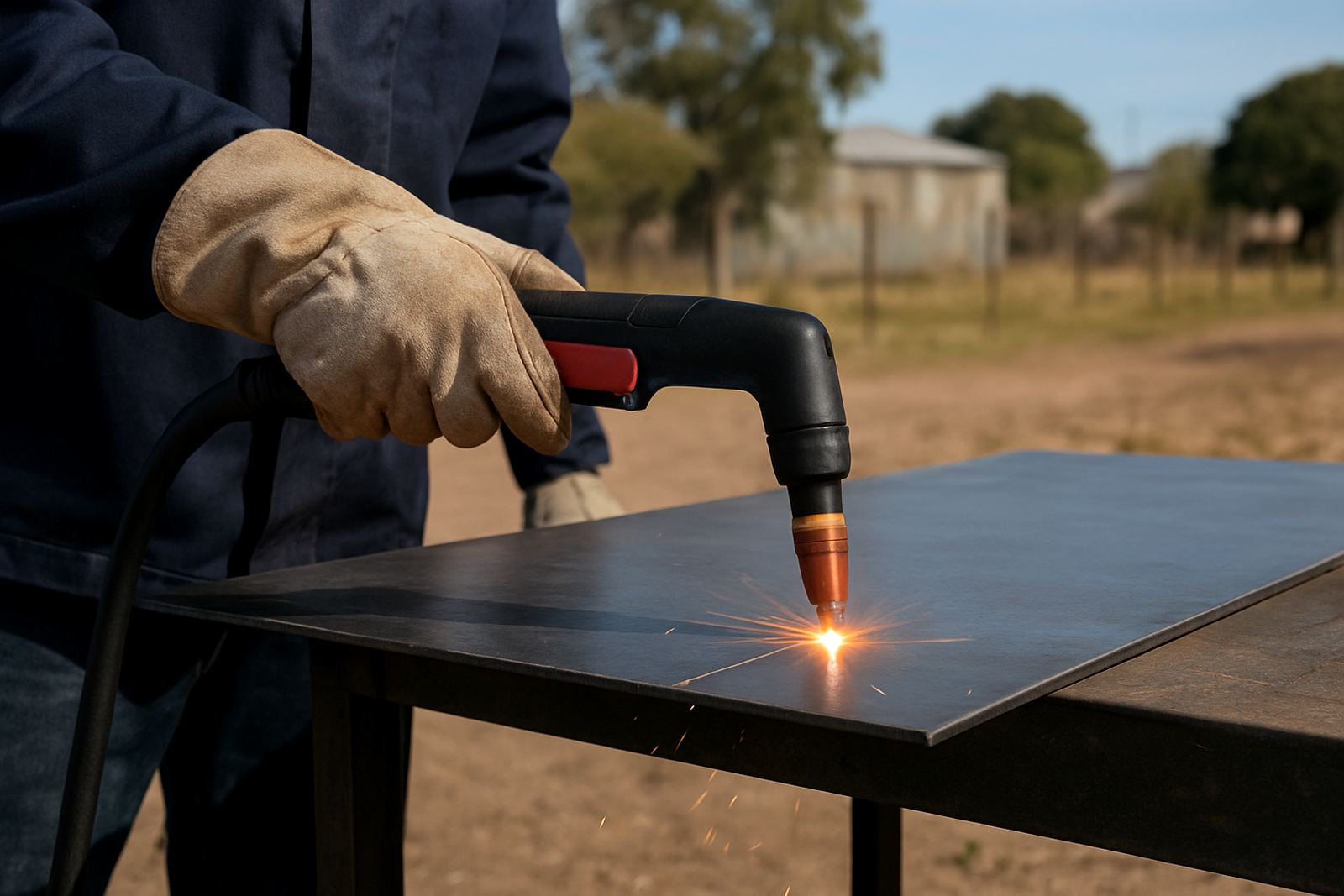
- Compatible with handheld and CNC plasma arrangements where required
- Suitable for mild steel, stainless steel and aluminium within the power source limits
- Manual or software-assisted nesting depending on your output and operator skill
- Optional height control for better torch life and more stable cut quality
Where this system suits best
This product suits operations that cut the same parts over and over, or that want to make better use of sheets already in stock. A laser-like finish is not the goal here, but for many fabrication jobs a clean plasma cut with good nesting is enough, especially when the parts go on to welding, bending, drilling or painting. It is useful for maintenance teams too, because they often need quick turnaround on replacement plates and brackets without waiting for outside suppliers.
In automotive and repair work, nesting helps when making multiple small components from one sheet, such as mounts, tabs and reinforcement plates. In general fabrication, it helps when nesting around cut-outs and service holes so that scrap is reduced and offcuts remain useful for smaller jobs. The same applies in agricultural repair, truck body work and light structural fabrication, where part repetition can save a lot of time over a month.
The system is also a strong fit where labour is tight and operators need clear workflow. With proper training, one operator can load material, run the nest, inspect the first parts and keep production moving without constant supervision. That matters during load-shedding as well, because when power returns you want to resume with minimal rework and no confusion about which parts are still outstanding.
- Jobbing shops that cut mixed parts from standard sheets
- Automotive and transport repair workshops
- Metal fabrication yards in Vereeniging, Germiston and Alberton
- Production runs where repeatable batch parts are needed
- Sites that want better scrap control and lower material wastage
Installation, air supply and power needs
Installation starts with a level floor, enough clearance around the table and a clean route for sheet loading. The machine should be positioned where fume extraction or natural airflow can move smoke away from the operator, and where the torch cable, gantry and controls are protected from traffic in the bay. If you are installing in a coastal or humid area later, rust protection and dry storage for consumables become even more important, but in Gauteng the bigger concern is usually dust, vibration and power quality.
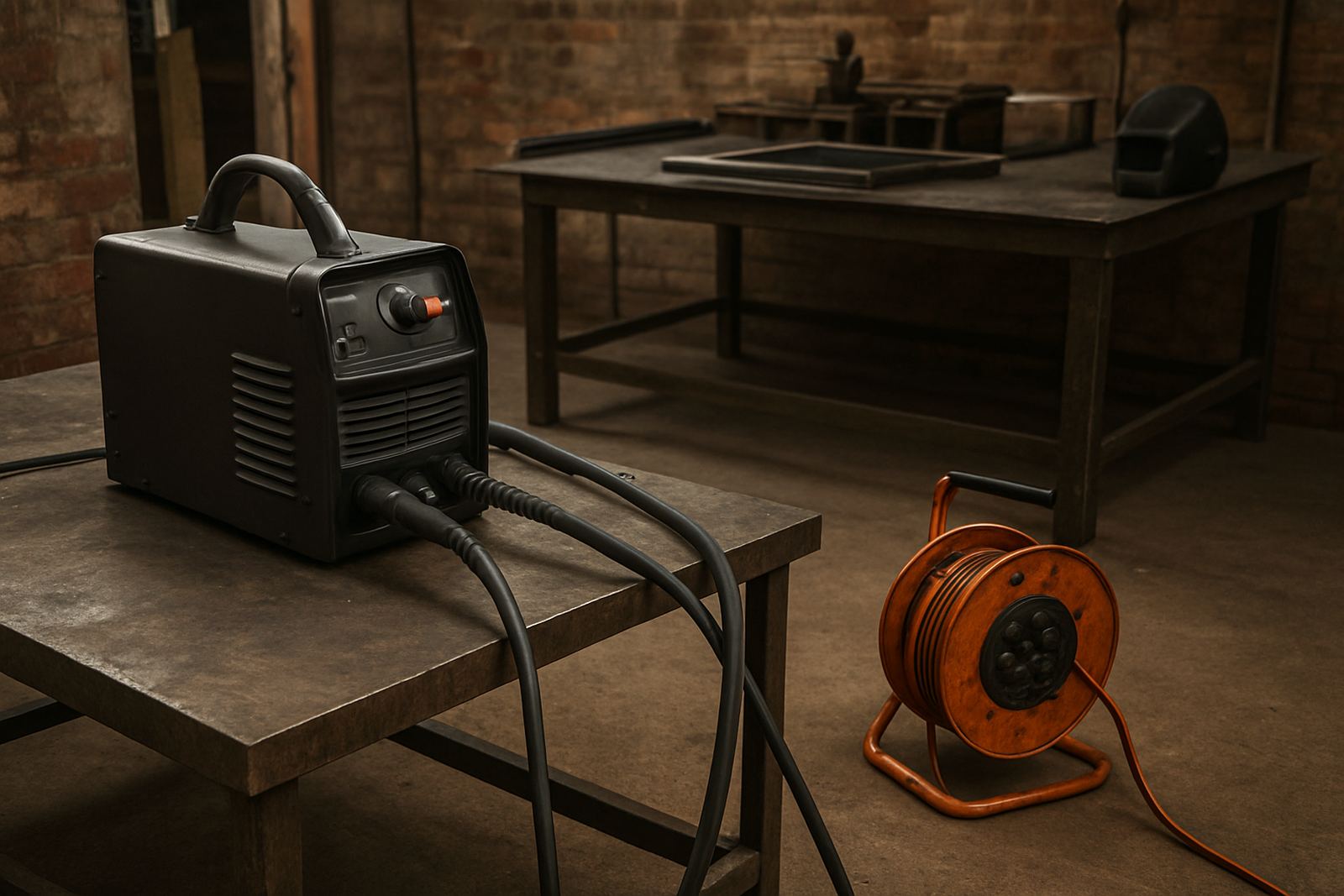
Power requirements depend on the machine size and plasma source, but a stable supply and proper earthing are non-negotiable. Many sites need surge protection and a sensible plan for load-shedding so the control system and torch are not damaged by sudden interruptions. The air supply must be clean, dry and set to the correct pressure for cutting. Water, oil and dirt in the line will shorten consumable life and can spoil cut quality pretty fast. If the system includes height control or CNC electronics, check that the compressor and electrical feed are sized for continuous use, not just short bursts.
- Level floor and safe access around the full table length
- Stable mains power with proper earthing and surge protection
- Dry compressed air with filtration and moisture control
- Space for sheet handling, scrap removal and maintenance access
- Fume control suitable for the metals and thicknesses being cut
Care, servicing and day-to-day checks
Good care keeps the nesting system accurate and keeps consumable costs under control. Daily checks should include the torch nozzle, electrode, swirl ring and shield, plus the air pressure and cable condition. The table rails, drive system and slats should also be cleared of scale and scrap so the gantry runs smoothly. If parts start to come out with uneven bevel or too much dross, do not assume the software is at fault. Most of the time it is a consumable, height setting or airflow issue.
PlasmaCutter offers preventive maintenance, consumables checks, air system inspection, CNC table servicing, height control calibration, on site breakdown support and operator training. That support is useful when you want to keep a production schedule moving instead of waiting for a fault to grow into a shutdown. We also handle torch repairs, power source repairs, spares supply and cut quality audits, which helps you keep the system within spec over time.
For workshops in Vereeniging, Vanderbijlpark and Sasolburg, routine service visits can be combined with a production check so you can see whether the current nest settings are still giving the best material yield. Small changes in lead-in, part spacing or torch height can make a clear difference to running cost.
Points to confirm before ordering this cutter
Before ordering, confirm the sheet sizes you buy most often, the thickness range you cut, and the parts you repeat every week. That tells us whether you need a compact table, a long bed, or a custom setup with stronger motion control. You should also note whether your work involves mild steel only, or a mix of stainless and aluminium, because that affects gas setup, consumables and cutting speeds. If the parts need tight hole tolerances, tell us early so the machine can be configured for the job rather than guessed on site.
It helps to know how your team works too. A single experienced operator may be fine for a small bay, while a larger shop may need training for two or three people, especially if the system will run across shifts. If you are using the machine in a municipal or industrial area, check any local ventilation, noise or fire safety requirements before installation. That avoids delays and keeps the bay compliant from day one.
- Most common sheet size and nesting board size
- Material type and thickness range
- Expected daily part count and repeat job frequency
- Whether you need height control, training or on site commissioning
- Available power, compressor capacity and floor space
Clients reach us through the enquiry form on our contact page, and our team can help with selection, setup and after-sales support. Marius van der Merwe and the PlasmaCutter team work from Vereeniging with demos and servicing across Gauteng and the Free State.
Key facts
| Product type | CNC plate nesting system for batch part production |
|---|---|
| Typical table sizes | 1.5 m x 3 m, 2 m x 3 m, 2 m x 6 m and custom formats |
| Material use | Mild steel, stainless steel and aluminium within power source limits |
| Control options | Manual nesting or software-assisted nesting with height control |
| Power needs | Stable mains supply with earthing and surge protection |
| Air needs | Clean, dry compressed air with filtration and correct pressure |