
What the CUT 60 is made for
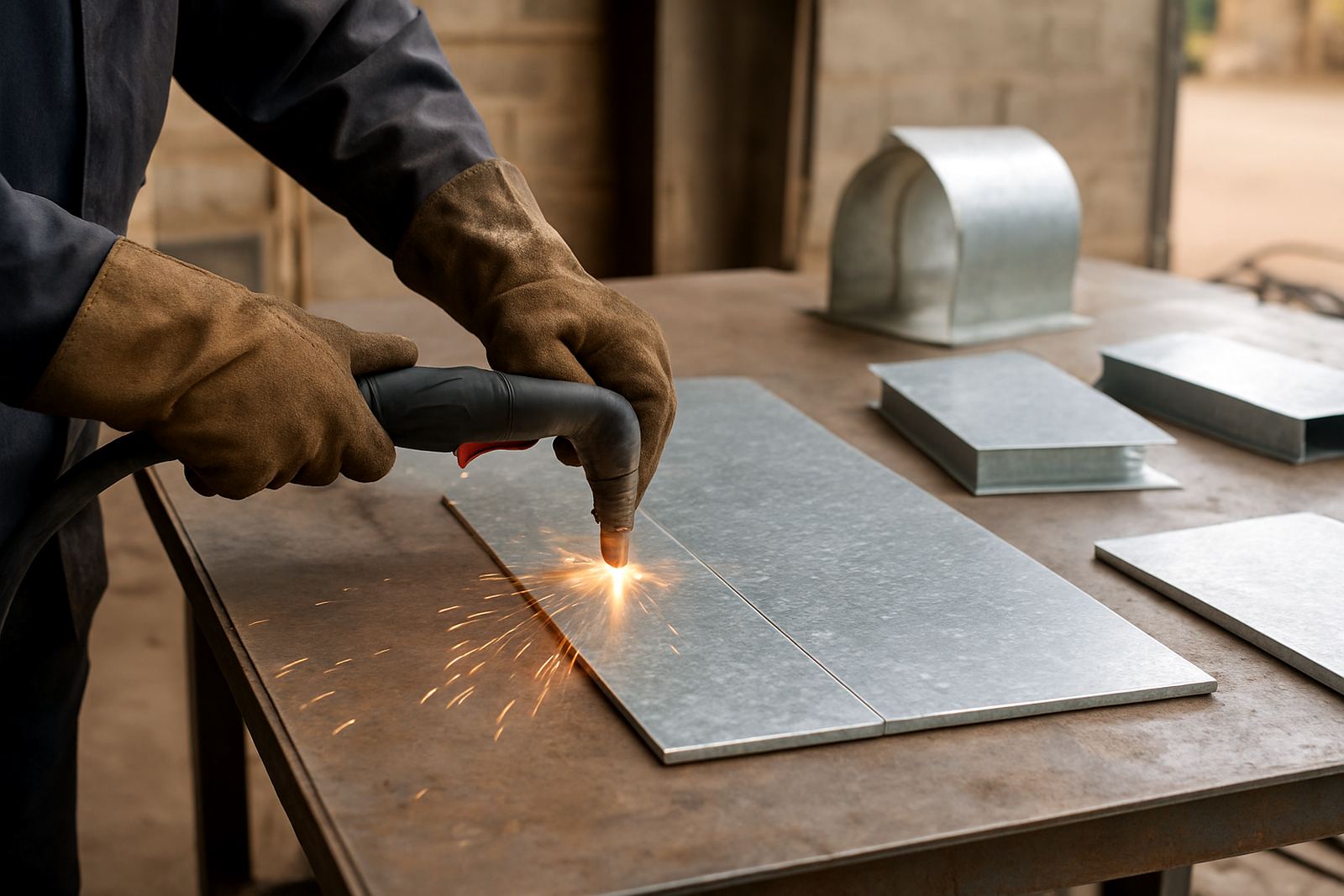
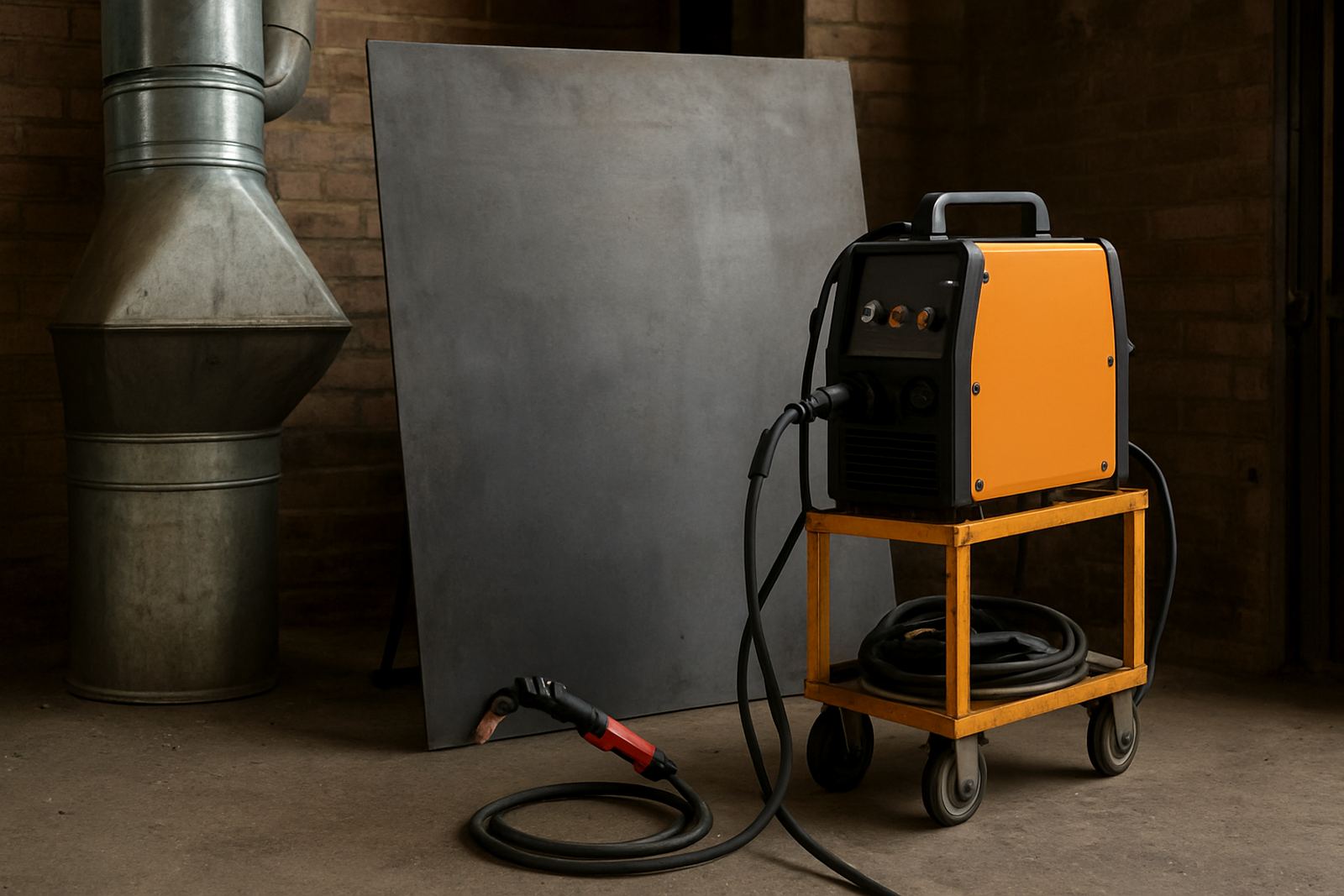
The CUT 60 Production Cutter is a handheld plasma cutting unit for shops that have outgrown light-duty machines. It gives you more cutting headroom for regular work on mild steel, stainless steel and aluminium, with the sort of stability that helps when you are cutting bracket packs, plate shapes, repair sections or jobbing work through the week.
In practical terms, it is a better fit for fabrication teams in Vereeniging, Vanderbijlpark, Sasolburg, Meyerton and Alberton that need a cutter which can keep going on longer shifts. It is also useful where workshop conditions are not perfect and the crew needs a machine that still starts cleanly after load-shedding or after a stop-start day on site.
Typical cutting use and shop fit
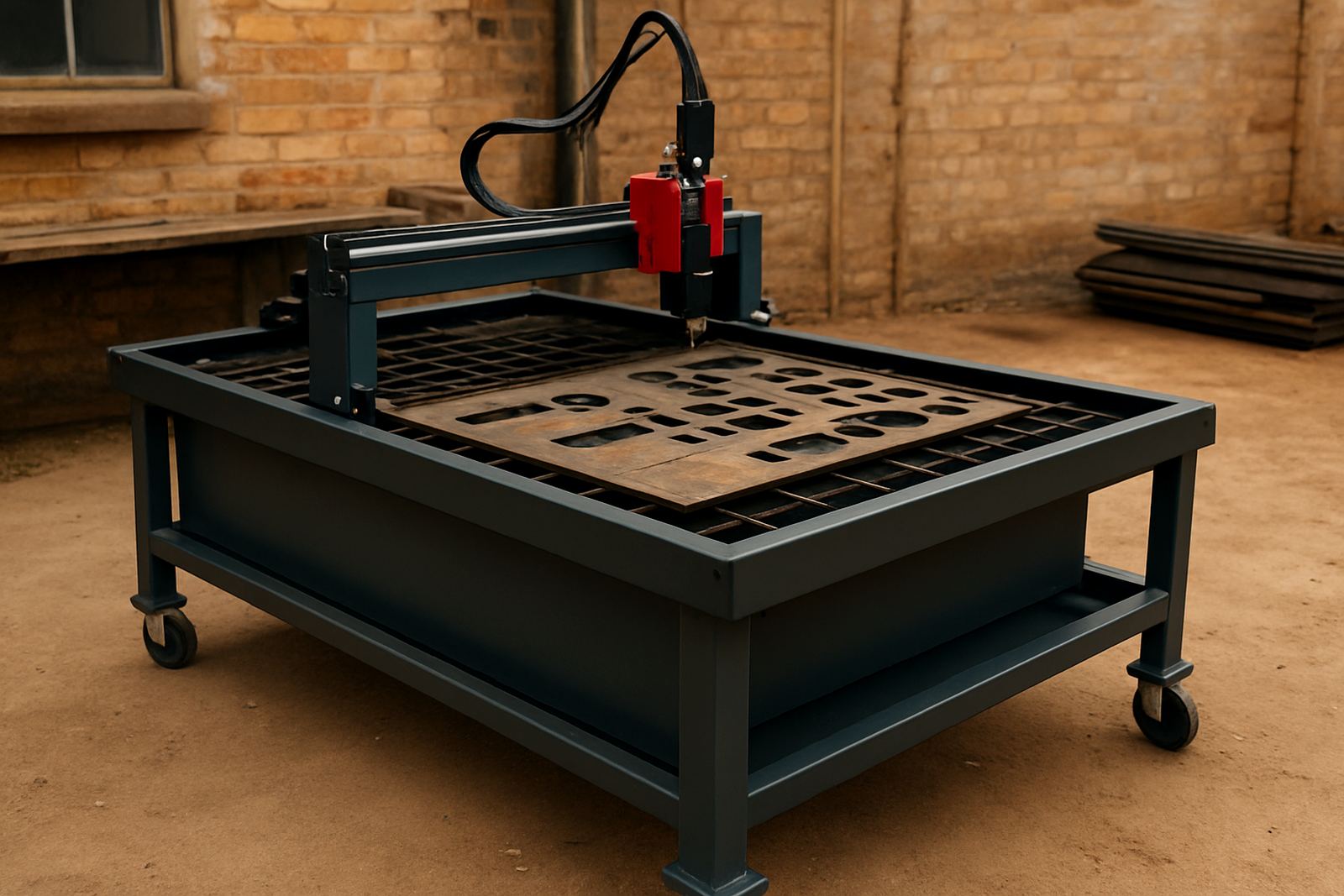
This model suits fabrication, maintenance, automotive repair, structural work, farm equipment repairs and general metal work. It is often chosen for busier shops that want faster sectioning on thicker plate than a smaller entry-level cutter can manage. For CNC users, it can also work well where a separate manual cutter is needed for trim work, setup checks and off-table finishing.
- General fabrication and repair shops
- Automotive panel, chassis and bracket work
- Plant maintenance and shutdown work
- Light production on repeat parts
- Training bays and jobbing workshops
If you work in Bloemfontein or Welkom, where service support may need to be planned around travel and workshop downtime, choosing a cutter with reliable duty cycle and easy consumable changes can save a lot of lost time.
Power, air and installation notes
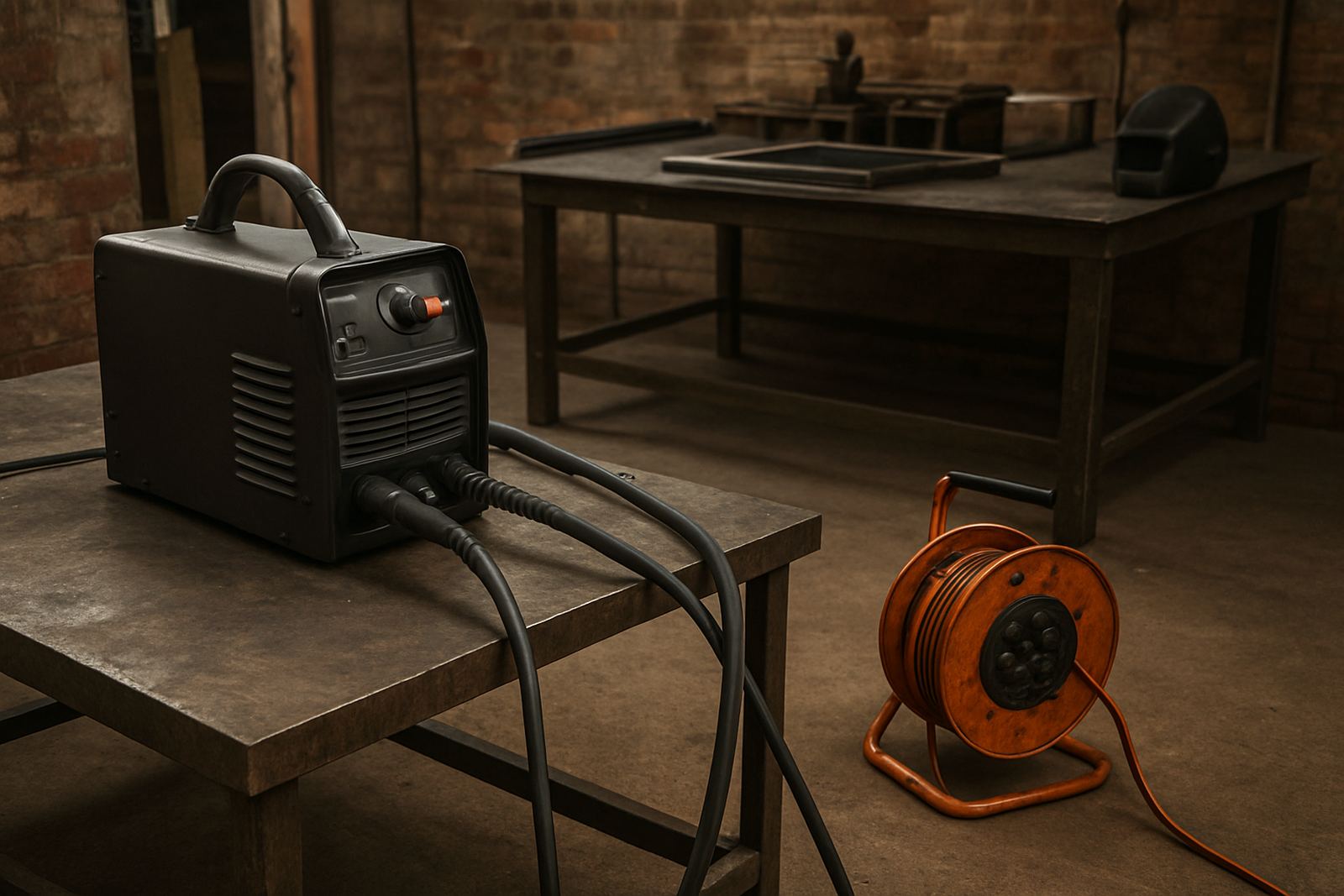
The CUT 60 is a practical shop machine, but it still needs the right setup to perform properly. Stable mains power, clean dry compressed air and enough cable reach for your work area all matter. If your workshop has voltage swings during load-shedding or from heavy equipment starting up, it is worth checking supply quality before commissioning.
- Supply: single phase or three phase options depending on the model configuration
- Air: clean, dry compressed air with correct pressure and flow
- Earthing: proper work clamp contact on clean metal
- Installation: allow space for ventilation and safe torch movement
- Site conditions: keep dust, grinding grit and moisture away from the power source
For coastal humidity is not the main issue in our core service area, but condensation and wet air still show up in compressor lines and can cause rough cuts or short consumable life. A good moisture trap and routine air check help more than most users expect.
Specifications and cutting range
The exact output depends on the version and setup, but the CUT 60 is positioned as a stronger handheld cutter for production use. It is intended for regular shop cutting rather than occasional hobby use, and it gives operators enough power for thicker plate while still staying manageable for training and day work.
- Rated output: 60 A class handheld plasma cutter
- Cutting type: manual handheld plasma cutting
- Work materials: mild steel, stainless steel and aluminium
- Consumables: torch electrode, nozzle, swirl ring and shield parts
- Cooling: air cooled power source and torch system
- Use case: production cutting, maintenance and fabrication
As a guide, many shops use this size for routine cutting on plate, section and repair parts where a smaller machine starts to feel slow. Final cut capacity will depend on material thickness, air quality and operator speed, so it is best to match the machine to your usual jobs instead of only the maximum figure.
Care, servicing and consumables
A plasma cutter lasts longer when the basics are kept in order. That means checking the air supply, replacing worn consumables before the arc gets unstable, cleaning dust from the machine and making sure the torch lead is not being dragged across sharp edges or crushed under plate. Small habits matter, and they show quickly in cut quality.
For busier shops, we recommend scheduled checks rather than waiting for a fault. Preventive maintenance can pick up weak connections, dirty air, torch wear and cooling issues before they stop production. If you are running multiple shifts or repeated batch jobs, a short servicce interval is cheaper than losing a half day to poor cuts and rework.
- Check torch consumables daily in heavy use
- Drain compressor moisture often
- Keep the work clamp on bright clean metal
- Inspect cables and torch lead for cuts or heat damage
- Book periodic servicing for power source and torch
What to check before you order
Before ordering, confirm the thickness you cut most often, the type of material, and whether the machine will be used on a bench, trolley or CNC table area. Also check your power supply, compressor size and whether your team needs operator training at handover. The right choice is not only about output, but about how the cutter will actually be used in your shop.
It helps to know if you need on-site breakdown support, spare torch parts, or commissioning after delivery. If you are based in Vereeniging, Germiston, Germiston or Sasolburg, local access to servicing can keep downtime down. For operations in Bloemfontein and Welkom, planning consumables and support in advance makes a big difference when you are working to deadlines.
- Usual plate thickness and cut length per day
- Single phase or three phase supply available
- Compressed air quality and compressor capacity
- Whether the cutter will support handheld or CNC work
- Need for commissioning, training or cut quality checks
Key facts
| Model | CUT 60 Production Cutter |
|---|---|
| Output class | 60 A handheld plasma cutter |
| Application | Fabrication, maintenance, automotive and light production |
| Cutting materials | Mild steel, stainless steel, aluminium |
| Power requirement | Shop supply dependent, confirm before ordering |
| Support area | Vereeniging, Gauteng and the Free State |