
Built for ducting, not heavy plate
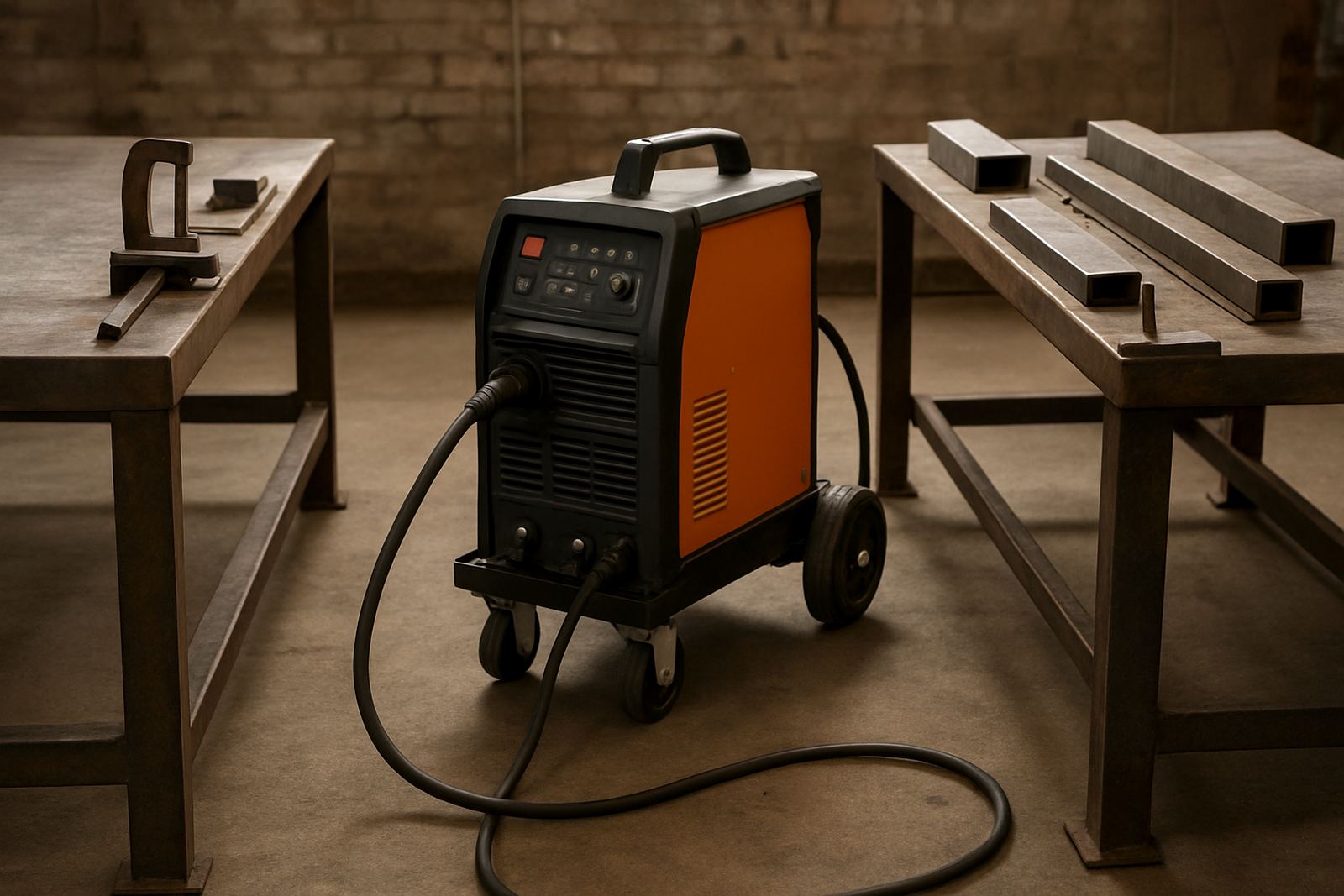
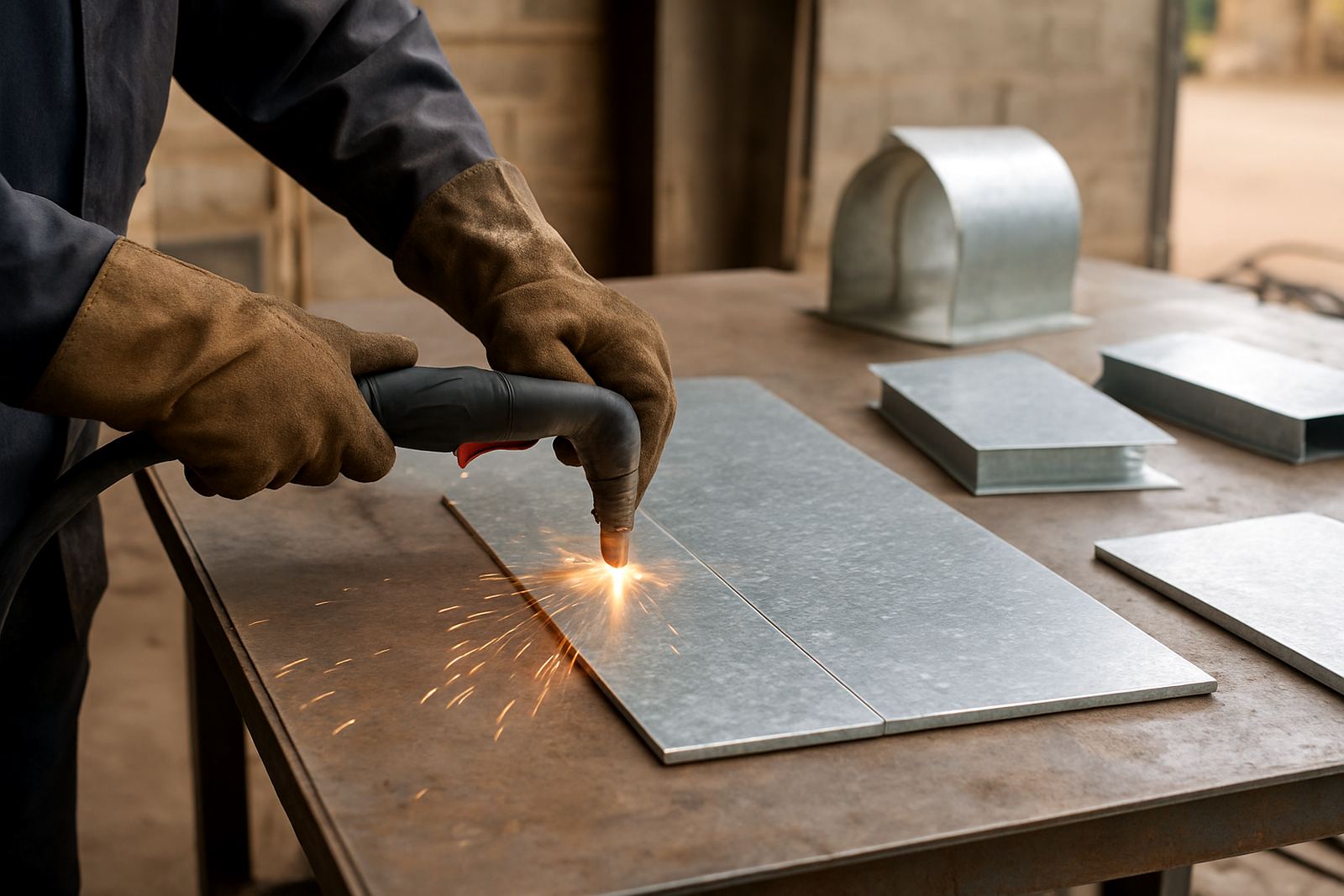
This cutter is aimed at ventilation work, duct fabrication, light sheet metal jobs and general shop cutting where material thickness stays on the lighter side. It handles straight sections, cut-outs and trim work on rectangular duct, round duct sections, brackets and sheet components without leaving the ragged edges you often get from grinders. For workshops in Vereeniging, Vanderbijlpark and Sasolburg, that means less rework and faster fit-up on site.
The machine is suited to fabricators who need repeatable cuts on mild steel and galvanised sheet, including HVAC installers, general metal shops and automotive fitment work. It is not the right tool for thick plate or heavy structural cutting, but for ducting and light fabrication it gives a good balance of speed, control and finish.
Sizes and setup options for small and busy workshops
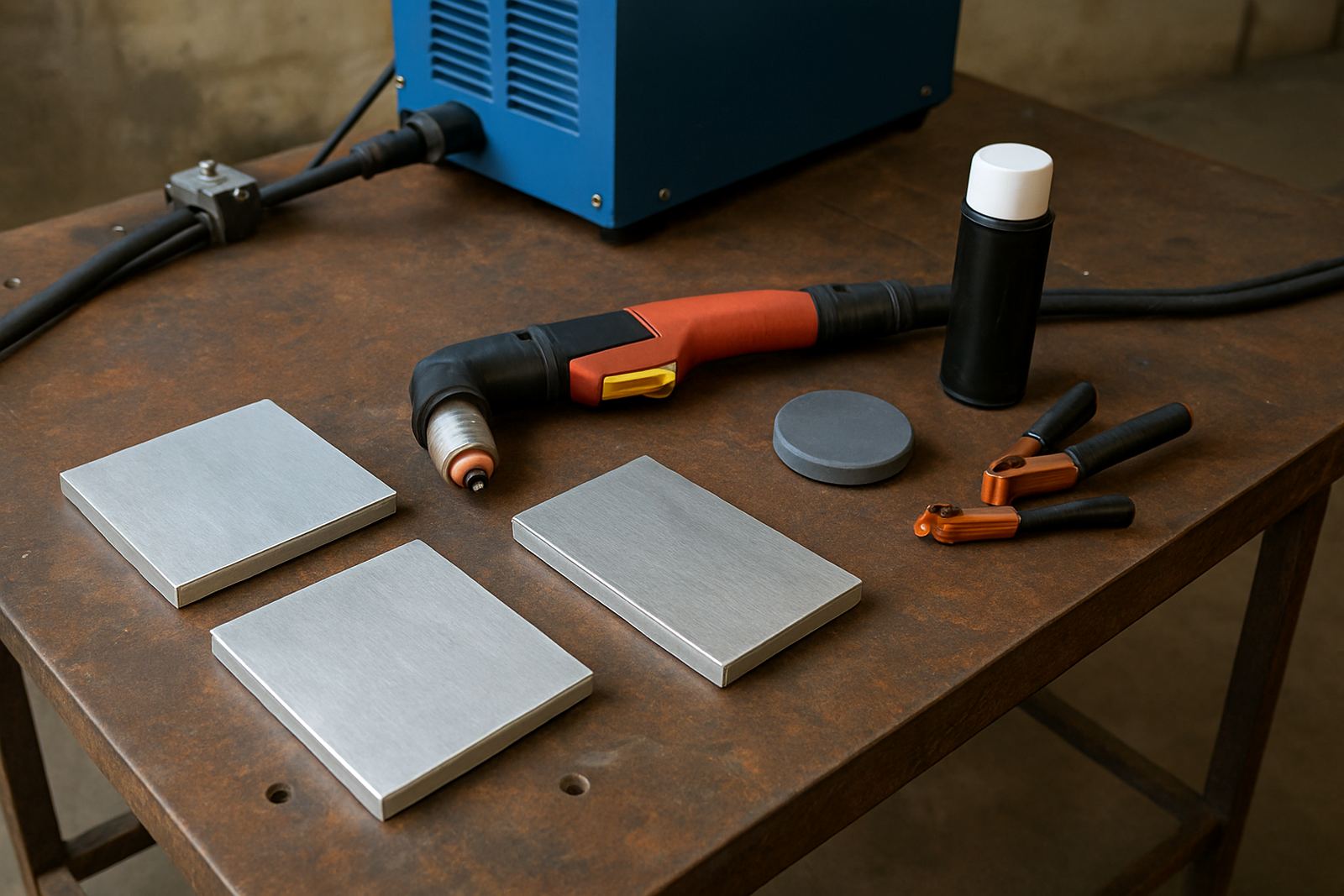
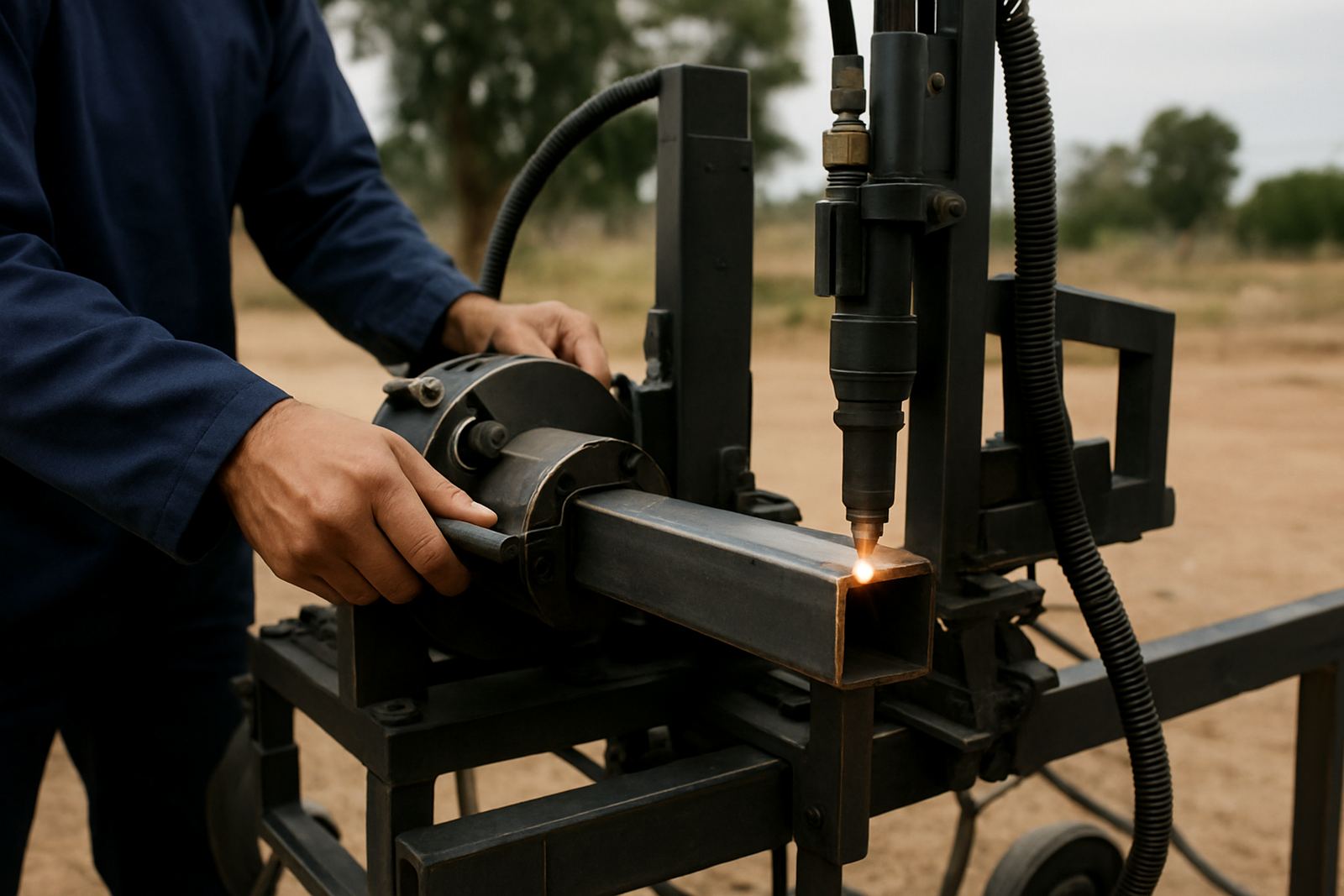
Depending on the work you do, the unit can be matched to a compact handheld setup or a CNC table arrangement for batch cutting and repeat jobs. For smaller shops, a handheld torch is practical for site work, maintenance and one-off modifications. For larger fabrication teams, a CNC-ready option is better when you need the same duct panels cut the same way every time.
- Handheld setups for site changes, repairs and quick trimming
- CNC-compatible setups for repeatable panel cutting and nesting
- Choice of torch length for bench work or deeper reach on larger sheets
- Different current ratings depending on sheet thickness and duty cycle needs
In practice, the best choice depends on your material range and how often you cut away from the workshop. If you are doing mostly 0.8 mm to 4 mm sheet work, a lighter-duty unit is usually enough, while a busier production line may need more reserve for longer shifts.
Where this cutter suits HVAC and sheet metal work
This product suits sheet metal shops, HVAC installers, ducting fabricators, maintenance teams and light engineering businesses. It is useful for making holes for flanges, trimming duct sections, cutting access openings and adjusting panels on refurb jobs. It also helps where fast turnaround matters and the job must be handed over cleanly the same day.
Across Gauteng and the Free State, we see demand from workshops that need a cleaner alternative to hand snips and angle grinders. That includes businesses in Alberton, Germiston, Meyerton, Bloemfontein and Welkom, where jobs often move between workshop and site. If your work includes municipal or commercial installations, it is worth checking your site access and any spark control rules before cutting on location.
- Ventilation ducting and extraction systems
- Light fabrication and sheet metal modification
- Maintenance depots and plant support work
- Automotive body and accessory fabrication
Power, air supply and installation basics
The cutter needs a stable power supply and clean, dry compressed air. For best results, the air must be properly filtered because moisture and oil can affect cut quality and shorten consumable life. In coastal humidity this matters even more, but inland shops also pick up moisture in tanks and lines if the system is not drained regularly.
Installation is straightforward when the workshop has the right air volume and electrical capacity. On single phase or three phase supply, the main point is to match the machine to the available power and avoid nuisance tripping during load-shedding recovery or when other equipment starts up. A proper earth connection, good cable routing and enough ventilation around the unit are also important.
- Use dry compressed air with a good filter and regulator
- Keep the power source on a stable supply with correct protection
- Allow space around the unit for cooling airflow
- Check torch lead routing to avoid kinks and heat damage
Care, servicing and keeping cut quality consistent
Like any plasma system, this cutter performs best when the torch, consumables and air supply are kept in good condition. Worn tips, dirty nozzles and damp air are the most common reasons for poor edge quality, excessive dross and unstable arc starts. A quick daily check saves time later and helps the machine stay productive through long jobs.
PlasmaCutter supports torch repairs, power source repairs, preventive maintenance, consumables checks, air system inspection, CNC table servicing, height control calibration, on site breakdowns, machine commissioning, operator training, spares supply and cut quality audits. If your team is running the cutter for regular duct work, a planned service schedule is better than waiting for a fault to show up mid job.
- Inspect consumables before each shift
- Drain the compressor tank and check filters often
- Clean torch leads and inspect for heat damage
- Schedule periodic output and cut quality checks
What to check before ordering
Before you order, confirm the thickness range you cut most often, the sheet sizes you handle and whether the machine will be used by hand or on a table. It also helps to know your available power, compressor capacity and whether your work is mostly workshop based or split between site and shop. That makes it easier to choose the correct current range and torch setup.
Ask about duty cycle, pierce capacity, recommended air pressure and compatible spares. If you are cutting galvanised sheet for ducting, it is also worth planning for fume extraction and safe positioning in the workshop. For CNC use, make sure the height control, table size and drive system all match the way your team works. We can assist from our Vereeniging base, with demos and servicing across Gauteng and the Free State.
Clients usually contact us through the enquiry form on our contact page, and our team can help you compare options before you commit.
Key facts
| Cutting type | Handheld plasma for light gauge sheet and ducting work |
|---|---|
| Recommended material range | About 0.8 mm to 6 mm on typical HVAC and light fabrication jobs |
| Material compatibility | Mild steel, galvanised sheet and similar conductive sheet metal |
| Power supply | Single phase or three phase depending on model chosen |
| Air requirement | Clean, dry compressed air with filtration and pressure control |
| Typical applications | Duct panels, access cut-outs, brackets, trims and light shop fabrication |