
Built for aluminium work that needs control
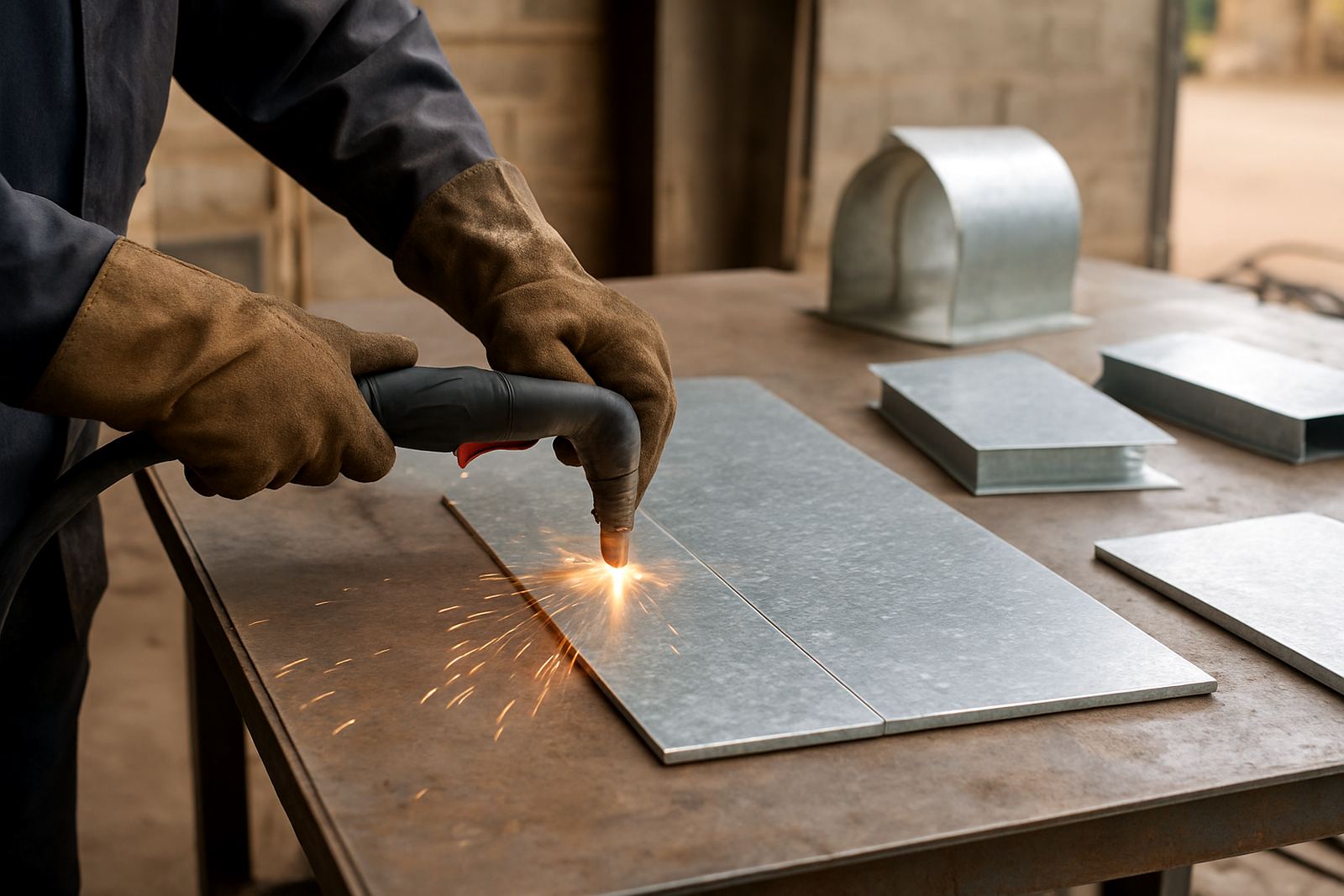
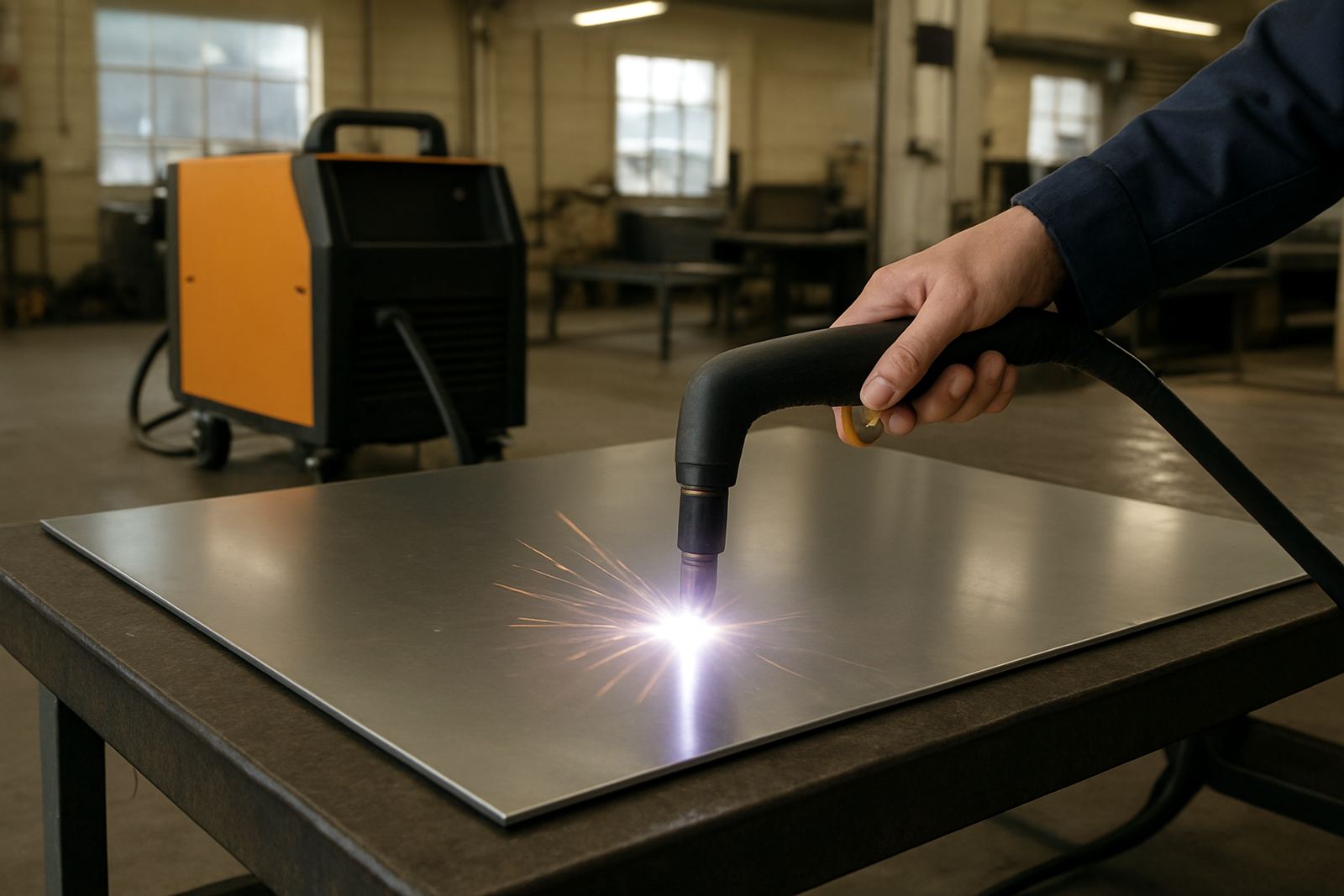
An aluminium cutting unit is chosen for jobs where the heat must stay controlled and the cut edge must remain usable for welding, folding or finishing. Aluminium moves heat quickly, so a machine that starts cleanly and holds a stable arc makes a real differance on thin sheet, brackets and fabricated sections. This unit is suited to shops handling vehicle parts, sign panels, enclosures, trims and general light fabrication.
PlasmaCutter supplies aluminium cutting setups for operators who want repeatable results without overcutting or rough kerf edges. The focus is on practical use in South African workshops, including sites affected by load-shedding, compressed air fluctuation and variable workshop conditions. If your team cuts mixed materials through the week, this unit gives you a dependable option for aluminium without changing your whole workflow.
Sizes and output options for small to medium workshops
Aluminium jobs are not all the same, so the right unit depends on thickness, duty cycle and whether the machine will be used by one operator or across a shift. Options are normally selected by output current and plate capacity, with compact handheld sets for maintenance work and CNC-ready units for table cutting. A practical range is 40 A, 60 A, 80 A and 100 A models, each matched to the type of aluminium you cut most often.
Typical cut capacity depends on material condition and operator setup, but the following guide helps with selection:
- 40 A unit for thin sheet, trim and light repair work
- 60 A unit for general fabrication and brackets
- 80 A unit for thicker sections and busier workshop use
- 100 A unit for heavier production, CNC tables and longer run times
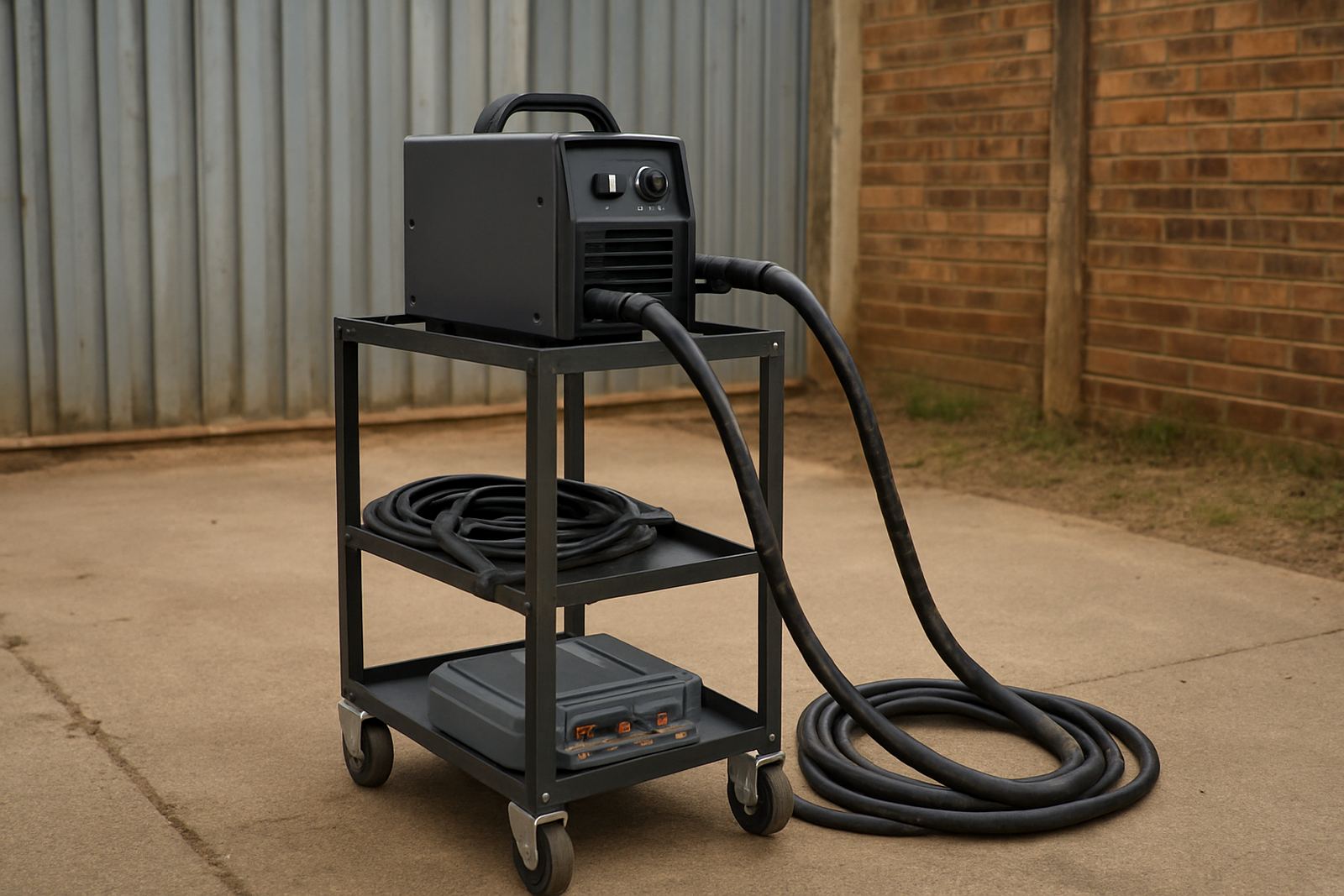
Where space is tight, a smaller body and shorter torch lead can make the unit easier to move between bays. For production work, a machine with a stronger cooling duty and better torch stability is usually the better choice, even if the initial outlay is a little higher.
Where this unit suits best
This machine suits workshops that need accurate aluminium cutting on a regular basis, not only once in a while. It works well in metal fabrication shops, automotive repair sites, trailer builders, maintenance teams, and smaller engineering businesses that cut panels, guards, channels and light structural parts. It is also useful for owners who do one-off jobs and need neat results without spending time on rework.
In towns like Vereeniging, Vanderbijlpark, Sasolburg, Meyerton, Alberton, Germiston, Bloemfontein and Welkom, conditions vary from dusty yards to enclosed factory floors. Aluminium cutting equipment needs to cope with that mix. A stable air supply, clean consumables and correct torch angle matter just as much as the power source. For CNC tables, the unit is suited to recurring profiles where accuracy and edge finish must stay consistent from one part to the next.
- Panels and covers
- Light frames and brackets
- Automotive components
- Machine guards and housings
- Custom fabrication and repair work
Installation, power and gas supply needs
Installation is straightfoward when the site is prepared properly. The unit should be placed in a dry area with enough air flow around the power source and a clean path for torch cables and work leads. If the machine will run from a generator or during load-shedding, the supply must be checked against the starting and cutting load so that voltage drop does not affect the arc.
Most aluminium cutting work relies on clean compressed air rather than bottled gas, so air quality is critical. Moisture and oil in the line can cause poor cut face quality, faster consumable wear and inconsistent starts. A good setup usually includes filtered dry air, the correct pressure range, and a compressor sized to keep up with the machine at the intended duty cycle. For CNC installations, table extraction and earth return placement also need attention so that dross and smoke do not interfere with motion or cut quality.
- Confirm mains supply and breaker size
- Check compressor delivery and air dryness
- Allow enough room for torch movement and cable bend radius
- Set work return connections close to the cutting zone
- Test performance on the thinnest and thickest material you expect to cut
Care, servicing and cut quality checks
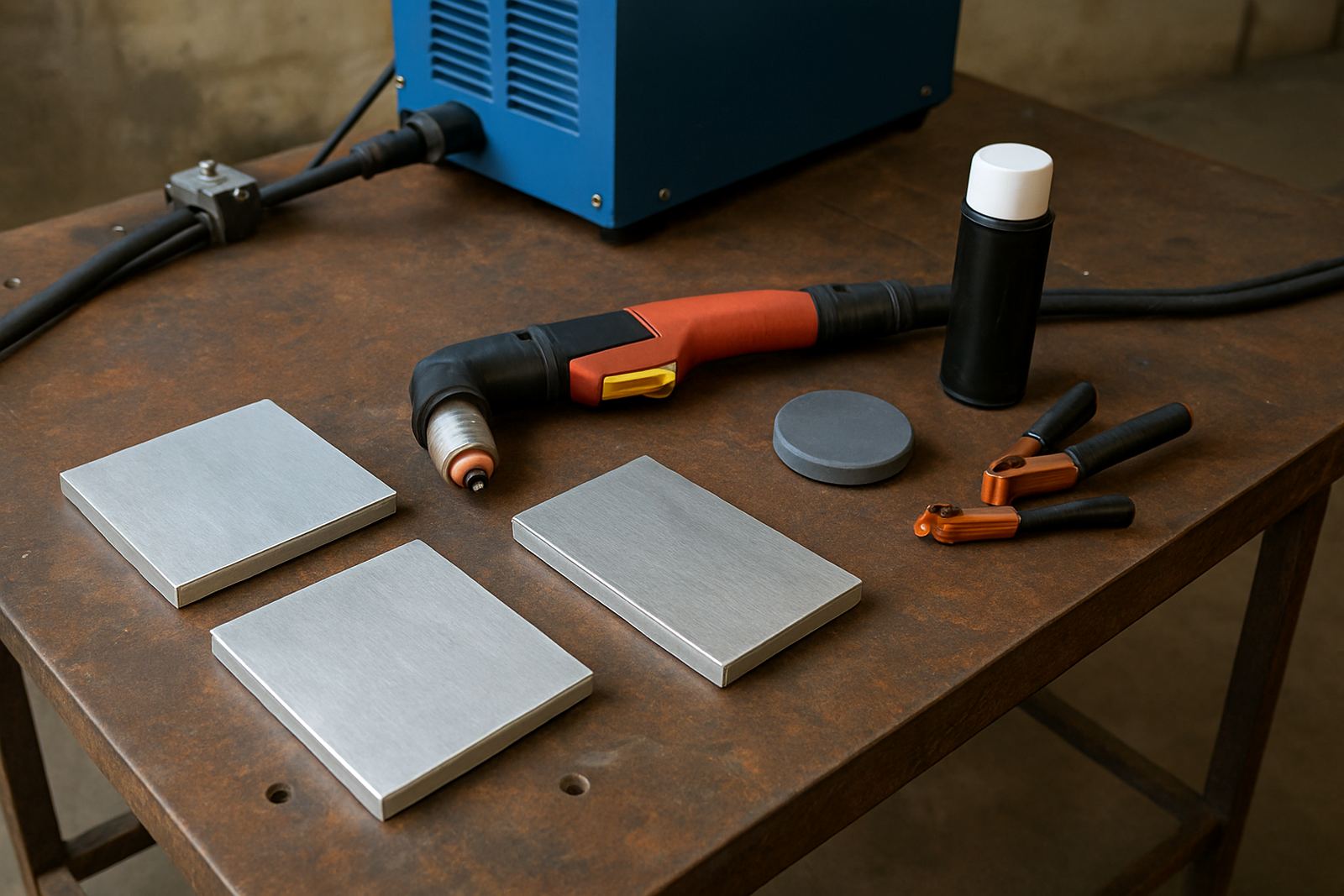
Good aluminium cutting performance depends on routine care. Consumables should be checked before each shift, especially the nozzle, electrode and shield parts on the torch. Dirty air lines, damaged leads and loose connections can all show up first as a rough edge or erratic arc. In coastal humidity, moisture control becomes even more important because it can shorten consumable life and affect starts.
PlasmaCutter handles torch repairs, power source repairs, preventive maintenance, consumables checks, air system inspection and CNC table servicing. We also carry out height control calibration, on site breakdowns, machine commissioning, operator training, spares supply and cut quality audits. A simple inspection routine can save a shop a lot of grief, especially when jobs are booked tight and there is no room for stop-start cutting.
For operators, a basic cut quality check should include edge squareness, amount of dross, start mark condition and whether the kerf width is staying constant. If the edge is tapering or the arc is wandering, the issue may be torch wear, earth connection, air pressure or incorrect travel speed. In many cases the fix is small but it must be caught early.
What to check before you order
Before ordering, it helps to match the machine to your real work rather than the biggest number on the spec sheet. Start with material type, thickness range, daily cutting hours and whether the unit will be handheld, mounted on a CNC table or shared across multiple bays. If your team cuts only occasional aluminium, a compact unit may be enough. If the machine runs throughout the day, a higher duty cycle and stronger air management are worth it.
Check the torch lead length, torch type, available power supply, and whether spares are easy to keep on hand. Also confirm who will be using the unit. A trained operator can get better life from the consumables and a neater edge, while a new user may need a short handover and setup guidance. Our team in Vereeniging supports customers across Gauteng and the Free State with demos, servicing and practical advice so the right machine is selected the first time.
- Material thickness and alloy type
- Handheld or CNC use
- Power availability at the site
- Compressor output and air dryness
- Expected shift length and daily cut volume
- Need for training, setup or on site support
Key facts
| Cutting type | Plasma cutting for aluminium sheet, parts and light structures |
|---|---|
| Output options | 40 A, 60 A, 80 A and 100 A configurations |
| Material range | Thin sheet up to heavier fabrication work, subject to setup |
| Power supply | Single or three-phase options depending on model |
| Air requirement | Clean, dry compressed air with stable pressure |
| Use case | Handheld cutting or CNC table integration |