
Built for stainless work where edge quality matters
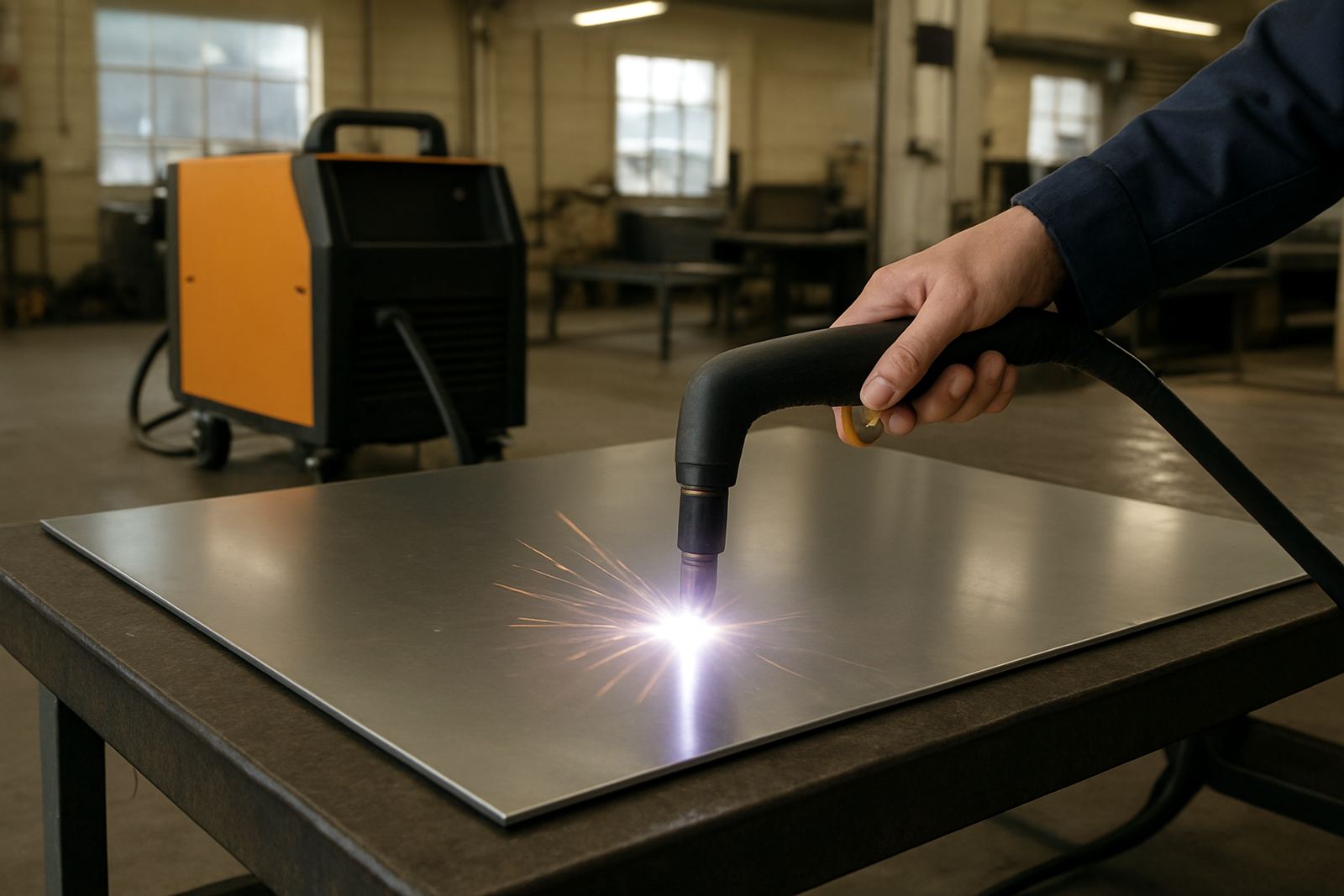
This unit is set up for clean stainless cutting where heat, finish and repeatability all count. It is used on thin to medium gauge stainless steel parts in fabrication shops, repair bays, kitchen equipment work, tank panels and automotive components. The aim is to keep the cut narrow and controlled so there is less rework on the edge.
For stainless, the right current, air supply and torch setup make a big difference. A unit that is dialled in properly can give you a cleaner edge with less dross and less sanding afterwards. Thats important when parts need to fit first time or when the cut edge will stay visible.
- Suitable for straight cuts, profiles and cut-outs
- Works for one-off jobs and regular production
- Helps reduce heat distortion on thinner stainless sheets
- Useful in workshops from Vereeniging to Bloemfontein
Sizes and setup options for shop floor use
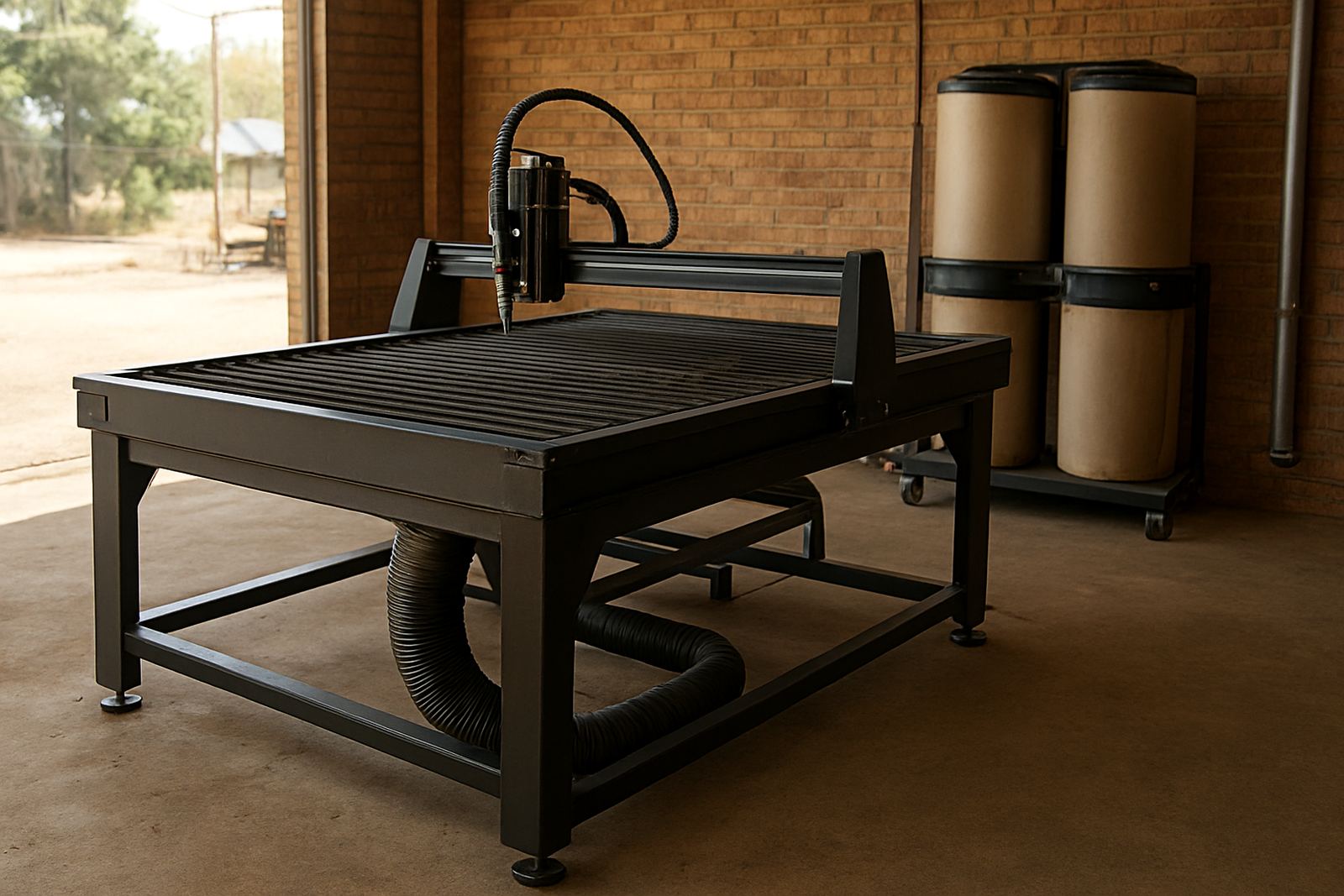
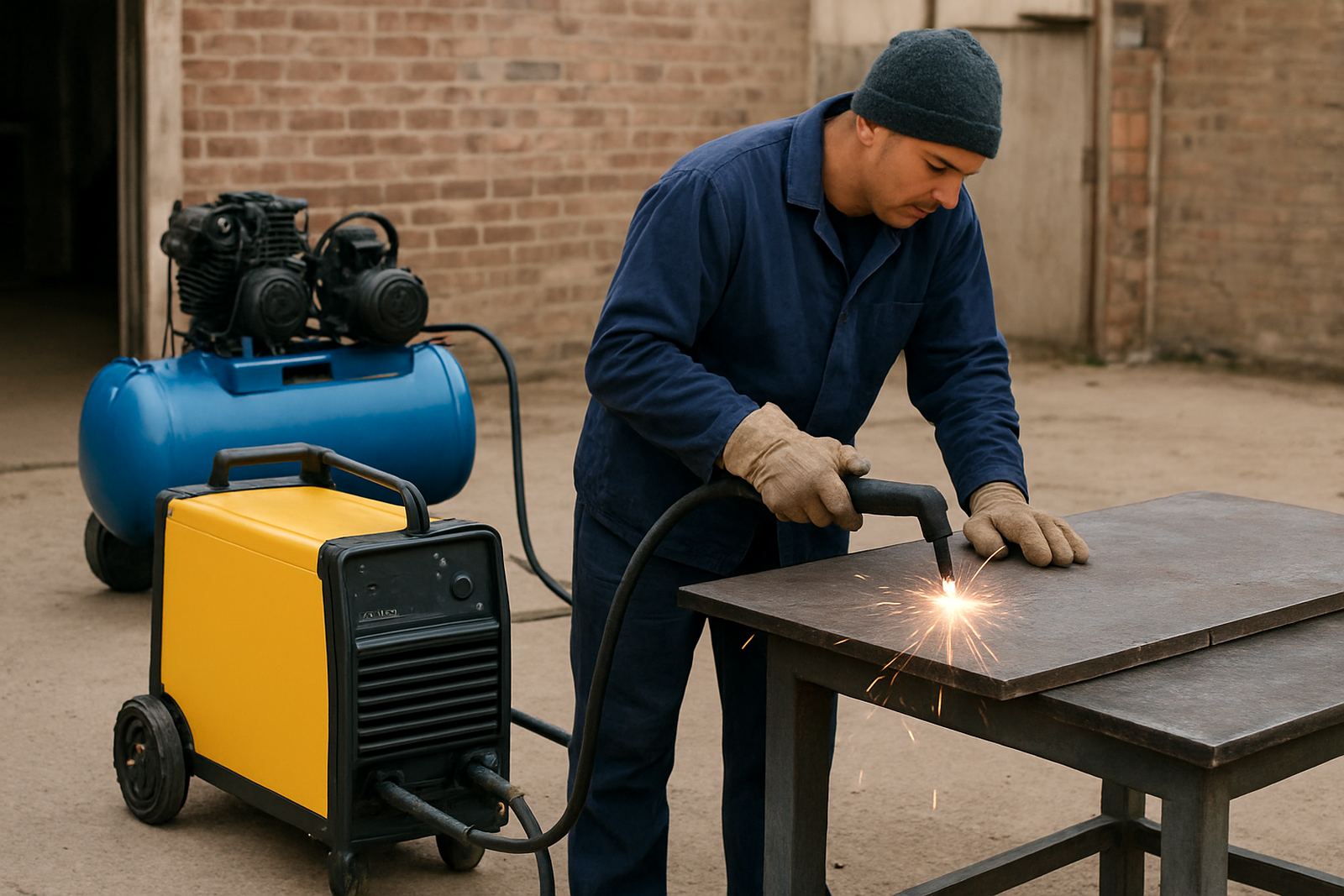
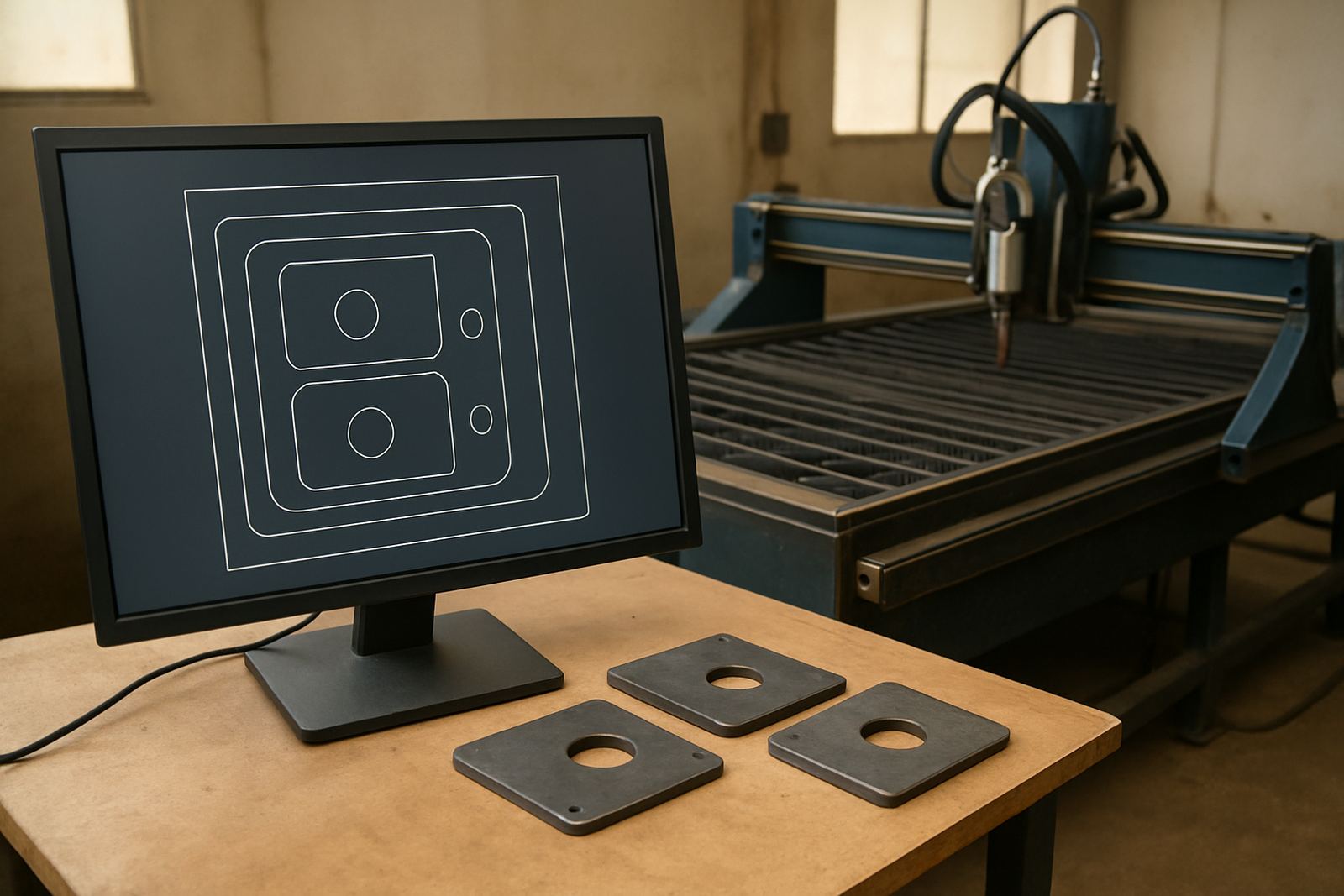
We supply stainless cutting setups in handheld and CNC-ready formats, depending on the work you do. Handheld units are practical for maintenance teams, small fabricators and site work. CNC-ready units are better where you need repeat parts, tighter nesting and more control over cut consistency.
Typical output choices depend on the thickness you are cutting and the speed you need. Some users want a compact unit for 3 mm to 8 mm stainless, while others need a higher output machine for heavier sections. If your work changes through the week, we can help you choose a unit that does not leave you underpowered on busy days.
- Handheld units for site repairs and small batch work
- CNC-compatible units for table-mounted cutting
- Single-phase and three-phase options, depending on the model
- Different torch lengths and cable lengths available
Where this unit fits in Gauteng and the Free State
This product suits metal fabrication, stainless kitchen and catering work, mine support workshops, agricultural repair shops, transport repairers and automotive builders. In places like Alberton, Germiston and Vanderbijlpark, it is often used for production work where sheet handling needs to stay tidy. In Sasolburg and Welkom, it is also a practical option for maintenance teams that want reliable cut quality without a lot of fuss.
Stainless cutting is also common on small jobbing work, especially where finish is visible and time is tight. A good cut saves time at the grinder and makes assembly easier. For shops that run varied work through the day, that makes the whole process more predictable.
- Fabrication shops and jobbing workshops
- Automotive repair and custom fitment work
- Food-grade and stainless equipment repairs
- Maintenance teams and plant support crews
Power, air and installation requirements
For reliable stainless cutting, the unit needs stable input power and clean, dry compressed air. Dirty air can affect arc stability and edge finish, so an air filter and moisture control are worth fitting from the start. If your workshop is in a coastal or high-humidity area, the air prep becomes even more important.
Load-shedding and voltage swings are part of daily life in many areas, so your power supply should be checked before commissioning. A correct breaker size, proper earthing and enough cable capacity all help the machine perform as it should. For CNC use, the table, extractor and height control also need to be matched properly.
- Stable electrical supply with suitable protection
- Clean, dry compressed air at the correct pressure
- Proper earthing and safe torch cable routing
- Ventilation or fume extraction for indoor use
What to check before you order
Before placing an order, it helps to know the thickness range, the type of stainless, and whether you are cutting hand-held or through a table. You should also check if the work is mostly straight line, profiling or repeated part cutting. That tells you whether a compact portable unit or a CNC-ready setup will suit you best.
We also suggest checking your available power, compressor size and how often the machine will run in a day. If the unit will be moved between bays, the cabinet size and cable length matter. For shops that need training or operator handover, that can be arranged as part of the setup.
- Material thickness and stainless grade
- Handheld or CNC use
- Available power supply and compressor capacity
- Required torch length, consumables and spares
Care, servicing and cut quality support
Stainless cutting units need regular care if you want the edge quality to stay consistent. The torch consumables must be checked often, along with air filters, leads, earth connections and cooling if the unit is used hard. Worn parts show up quickly as poor arc focus or rougher edges.
Our support team handles torch repairs, power source repairs, preventive maintenance, consumables checks, air system inspection, CNC table servicing, height control calibration, on site breakdowns, machine commissioning, operator training, spares supply and cut quality audits. That gives you one point of contact when the machine needs attention or the cut starts to drift.
We work from Vereeniging and support customers across Gauteng and the Free State, including Vanderbijlpark, Meyerton, Sasolburg, Alberton, Germiston, Bloemfontein and Welkom. If you need guidance on keeping the unit in good shape, our team can help with practical checks before small issues turn into downtime.
Key facts
| Product type | Stainless cutting unit for handheld or CNC use |
|---|---|
| Material focus | Stainless steel sheet, plate, tube and formed parts |
| Typical thickness range | Light gauge to medium gauge, depending on unit size |
| Power options | Single-phase or three-phase, model dependent |
| Air requirement | Clean, dry compressed air with moisture control |
| Support area | Vereeniging, Gauteng and the Free State |