Built for heavier cutting jobs and daily shop use
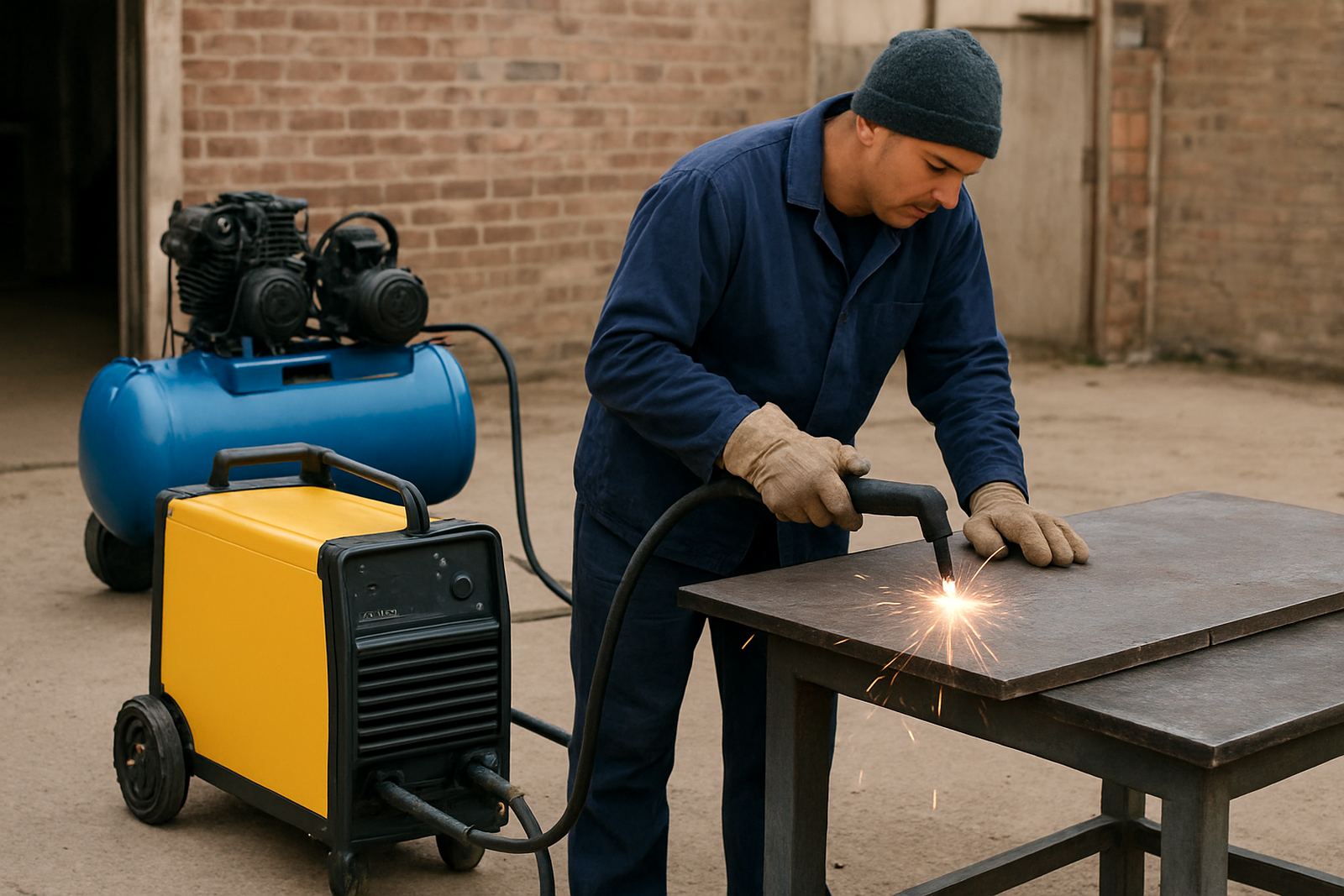
The CUT 100 Power Cutter is a high-output plasma cutting system for users who need more cutting capacity than a light workshop unit can offer. It is suited to thicker mild steel, maintenance work, general fabrication and repair jobs where cut speed and edge quality must stay consistent through the shift. In South African workshops, that often means dealing with mixed material thicknesses, dust, heat and load-shedding, so the machine needs to be practical as well as powerful.
This model is a good fit for metal fabrication plants, vehicle and trailer repair work, agricultural equipment repair, locksmith shops and smaller CNC cutting tables. It can also support contract work where you may cut one day on 6 mm plate and the next on heavier structural sections. The machine gives operators a straightforward setup, with controls that are easy to learn and settings that can be matched to the job instead of overcomplicating the process.
Cutting range and configuration options to match the job
The CUT 100 Power Cutter is usually selected when a user wants a stronger unit for medium to heavy cutting duties. Depending on the torch setup and material, it can handle a wide spread of cutting tasks from general fabrication to thicker structural work. For customers in Vereeniging, Vanderbijlpark, Sasolburg and Meyerton, this makes it a practical choice for workshops that do not want to keep changing machines for different jobs.
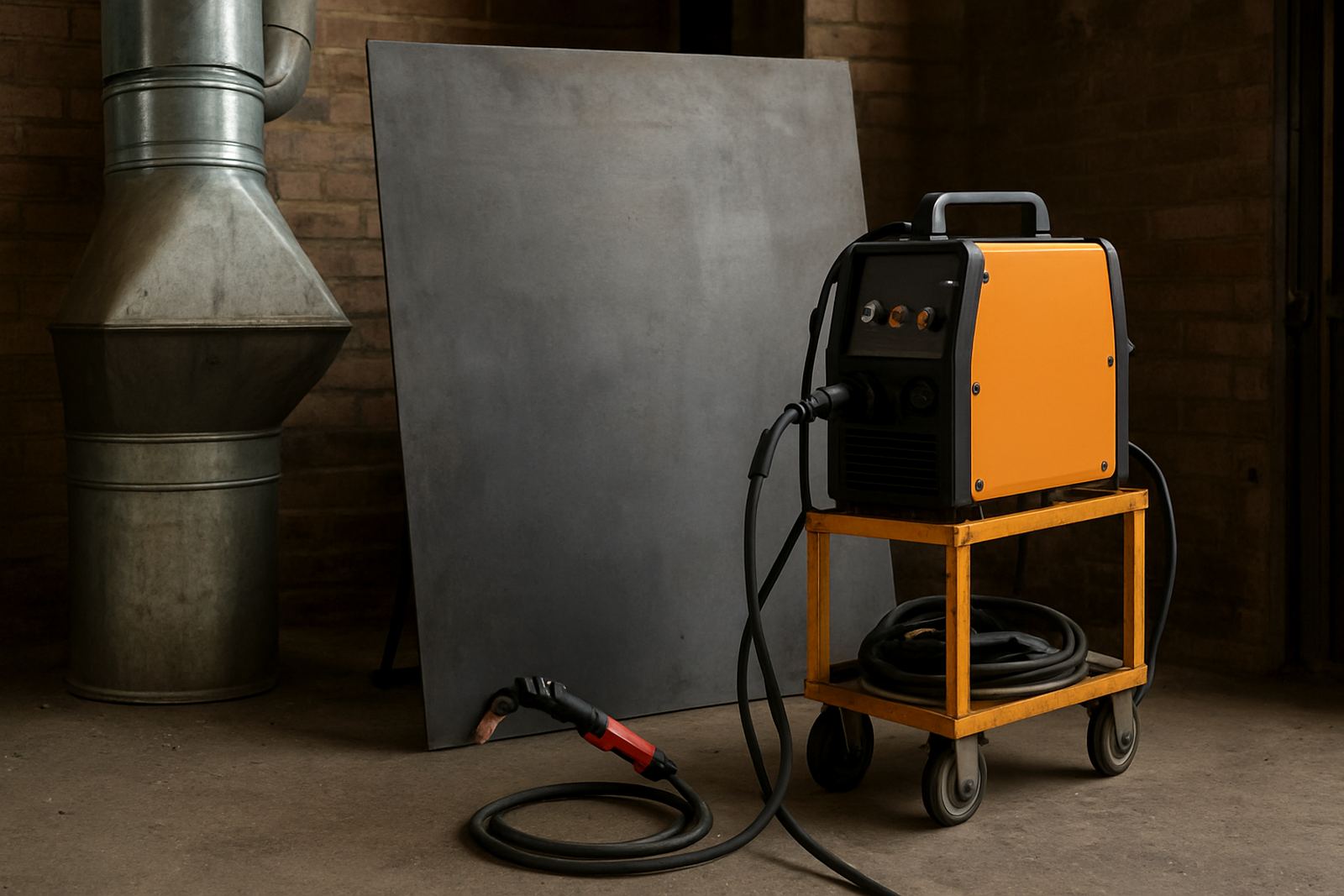
- Handheld plasma cutting for site repairs, fitment work and general workshop tasks
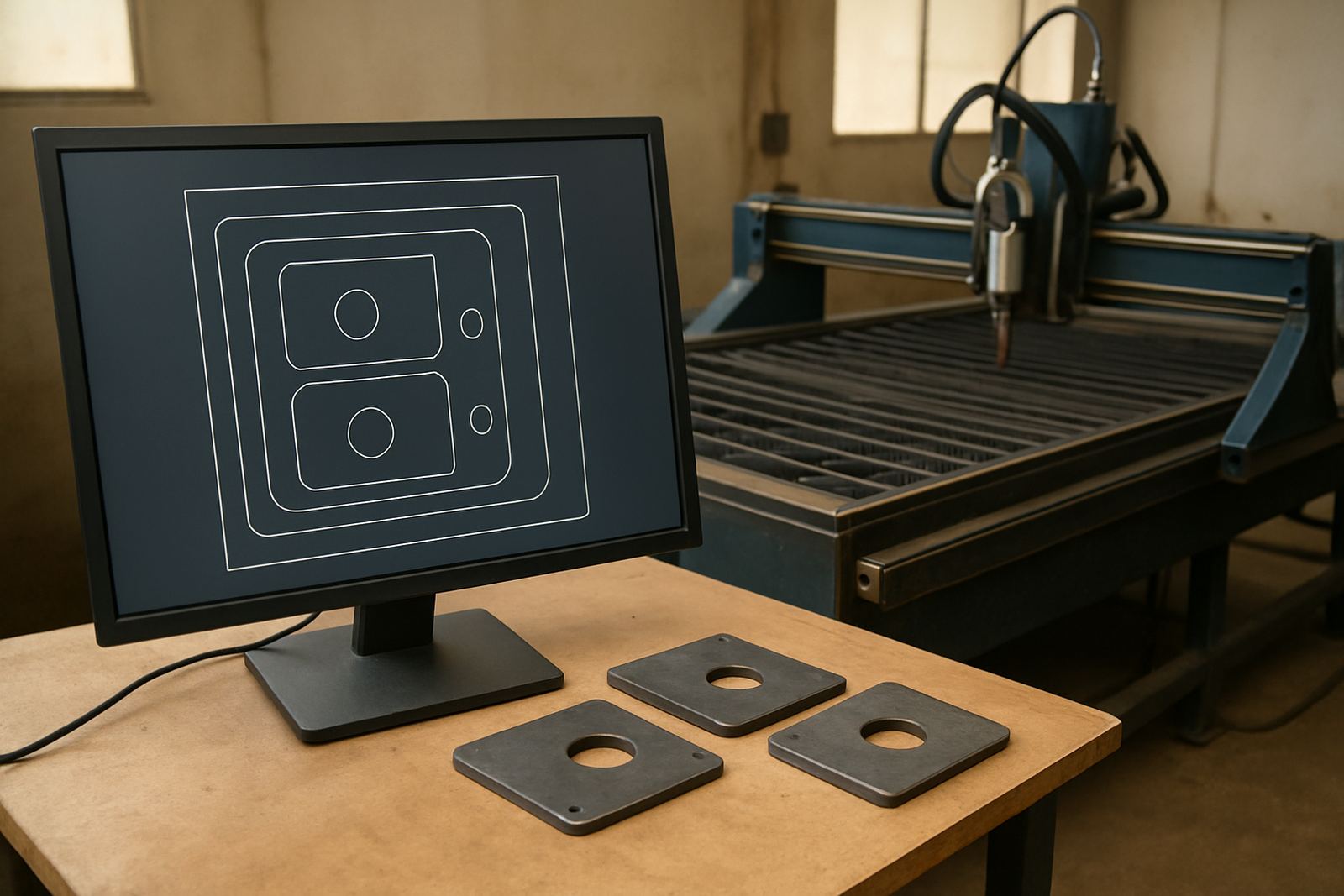
- CNC compatible setups for repeat parts, brackets, panels and production runs
- Optional torch lengths to suit bench work, floor work or table mounting
- Air-cooled torch arrangements for simpler use and easier servicing
If you are comparing units for a production floor, the main question is not only cutting thickness but also duty cycle, consumable life and how often the machine will run through the day. That is where a heavier class cutter can save time and reduce nuisance stoppages. It also helps where the operator needs cleaner edges and less grinding after cutting.
Where the CUT 100 suits best in South African industry
This cutter suits users who work with steel regularly and need a dependable tool for real production demands. Fabricators in Alberton and Germiston often use this class of machine for repair parts, frames, guards, flanges and light to medium structural work. In Bloemfontein and Welkom, it can be useful in agricultural repair, maintenance workshops and general steel work where there is a mix of new work and emergency breakdown jobs.
It also suits automotive and transport repair environments where brackets, mounts and panels need to be cut accurately before welding. For smaller businesses, the benefit is that one machine can cover a wide range of work without taking up unnecessary floor space. If you are running a team with different skill levels, the CUT 100 is also easier to standardise around because the settings and consumables are straightforward and the cut results are repeatable when the air supply is correct.
- Metal fabrication shops
- Automotive and transport repair yards
- Agricultural repair and maintenance teams
- Contractors doing on-site steel cutting
- CNC production work for repeat parts
Power supply, air quality and installation checks
Before ordering, check your supply carefully so the machine is matched to your workshop. A unit in this size class normally needs a proper electrical supply with enough capacity for repeated cutting, and a clean, dry compressed air source. Poor air quality is one of the main reasons for short consumable life, rough edges and unstable arc performance. In coastal or humid conditions moisture control matters even more, and a simple filter or dryer can make a real difference.
For installation, allow space around the machine for airflow and safe torch handling. Keep cables neat, protect them from grinding sparks and make sure the compressor can deliver stable pressure under load. If your workshop is affected by load-shedding, discuss backup power planning before commissioning the machine so the cutting output stays consistent and the power source is not stressed by poor changeover practices. We also check whether the site is suitable for a CNC table connection or a handheld-only setup, depending on how you plan to use the cutter.
Care, servicing and keeping cut quality steady
Like any industrial cutting system, the CUT 100 performs best when it is looked after regularly. Consumables should be inspected often, air filters cleaned and torch parts replaced before they start causing poor cuts. Preventive care reduces downtime and helps keep edges cleaner, which means less secondary grinding and less waste. A machine that is used hard in a fabrication shop may need more frequent checks than one used occasionally, so the servicing schedule should match the workload.
Our support includes torch repairs, power source repairs, preventive maintenance, consumables checks, air system inspection, CNC table servicing, height control calibration and cut quality audits. If a machine goes down on site, we can assist with breakdown call-outs and commissioning support as needed. Ruan and Johan handle practical fault-finding and setup checks, while Kgomotso and Phenyo help with ordering, delivery coordination and after-sales guidance. For customers in Vereeniging and nearby areas, regular servicing often pays for itself by reducing surprise stoppages and improving cutting consistency. We also work with operators on air settings and torch technique because a small adjustment can make a noticeable difference to the final cut.
What to confirm before placing an order
When ordering a CUT 100 Power Cutter, it helps to confirm the full working picture, not only the machine name. The right setup depends on your material thickness, whether you cut by hand or on a CNC table, the number of shifts and the state of your air supply. If you plan to use it in a busy workshop, the consumable plan and servicing schedule matter just as much as the initial purchase.
- Material type and thickness you cut most often
- Handheld use, CNC use, or both
- Available electrical supply and backup power arrangements
- Compressed air quality and whether filtration is already in place
- Torch length, spare parts and consumables you want included
- Training needs for operators and supervisors
If you are unsure, send an enquiry through the contact page and tell us what you cut, where the machine will run and what sort of output you need. We can help you compare the options and make sure the cutter is suitable for the work in front of you, not just the catalogue rating. That saves time later, especially when the job is urgent and the steel is already on site.
Key facts
| Model | CUT 100 Power Cutter |
|---|---|
| Cutting type | Handheld plasma cutting and CNC ready options |
| Typical use | Thicker sections, production work and industrial cutting |
| Recommended air supply | Clean, dry compressed air with stable pressure under load |
| Power requirement | Industrial electrical supply sized to the installation |
| Support available | Repairs, servicing, training, commissioning and consumables supply |