
Built for tube work that must fit first time
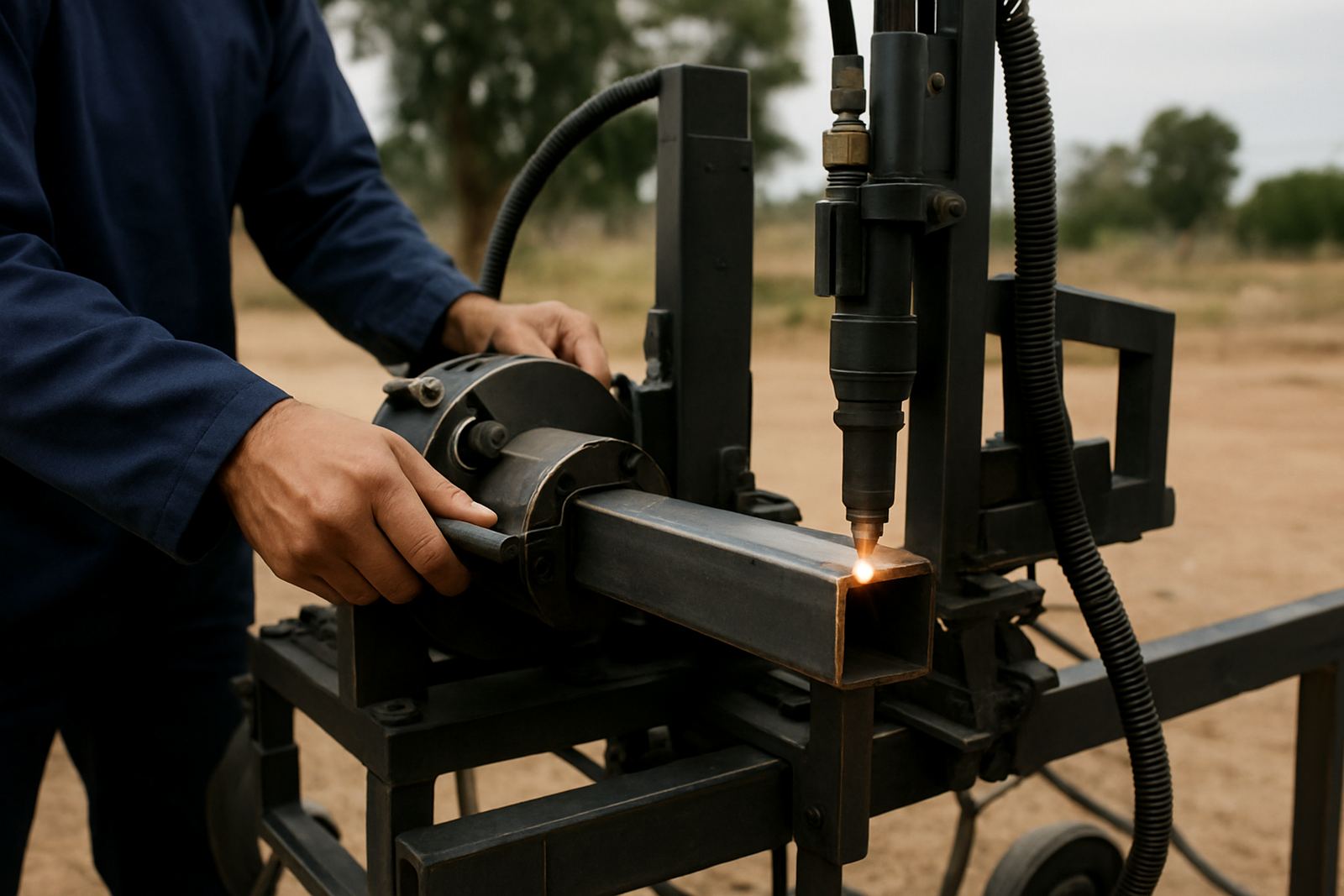
A tube cutting unit is set up to cut round and square tube with steady control over position, rotation and cut repeatability. In practical terms, that means less grinding after the cut and better fit-up when you are preparing frames, handrails, machinery guards, trailer parts or automotive components. For workshops that work to drawing or jigs, the unit helps keep the cut edge where it should be, even when the same part needs to be made again next week.
These units are commonly used where the job calls for clean ends, notch-style cuts, saddle joints, or parts that must line up with minimal rework. On a busy floor in Vereeniging or Germiston, that can save time on every batch and reduce wasted material. It also helps when the operator is changing between tube sizes during the day and needs a machine that settles quickly into the next setup.
Sizes and setup options for different tube diameters
Tube cutting units are usually specified by the tube diameter range, wall thickness, rotation method and whether the material is clamped manually or through a more guided setup. Smaller units suit light fabrication and maintenance work, while larger frames handle longer lengths and heavier sections. If your work includes both round and square tube, it is worth confirming that the unit can hold each profile securely without crushing the section or leaving marks that need extra finishing.
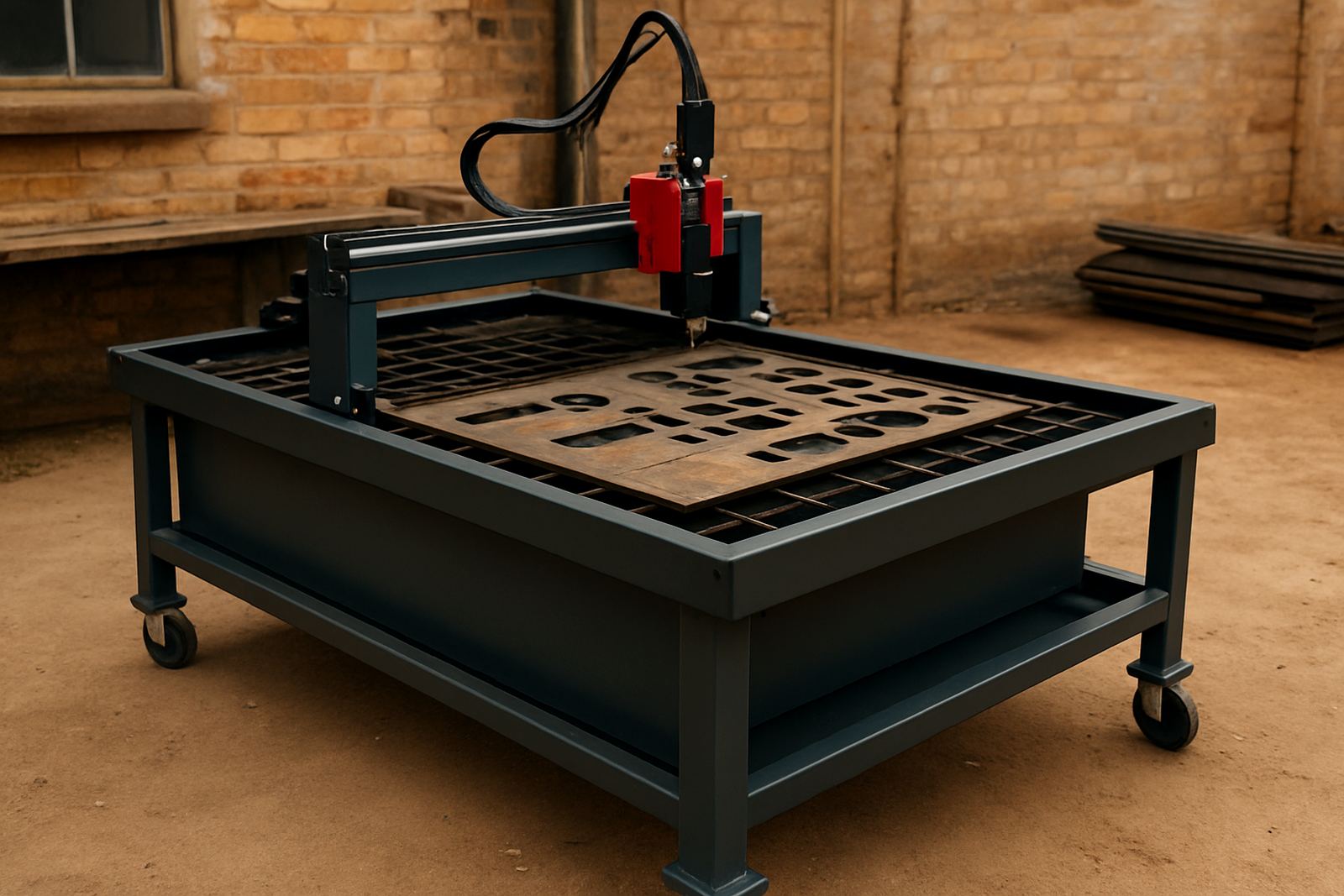
Common setup choices include adjustable supports, length stops, torch mounting brackets and angle controls for bevel cuts. Some workshops want a compact unit for short runs and mobile work, while others need a more stable bench setup for higher repeatability. If you are cutting in a shared workshop, ask for a layout that leaves enough space for loading, offloading and safe movement around the unit, especially where floor space is tight.
- Tube profiles: round tube, square tube and selected rectangular sections
- Work range: small jobbing work through to medium production runs
- Cut type: straight cuts, mitres, notches and joint preparation
- Options: guides, stops, clamps, bevel settings and torch mounting
- Typical use: fabrication, vehicle repair, agricultural equipment and light industrial parts
Where the unit suits local fabrication and repair jobs
Across Gauteng and the Free State, tube work shows up in gate and fence fabrication, racking, truck bodies, balustrades, plant maintenance and repair work for the mining and transport sectors. The unit suits any workshop that needs a cut edge that lines up cleanly on assembly. For a fabricator in Vanderbijlpark, that may mean faster turnaround on structural parts. For a workshop in Bloemfontein or Welkom, it may mean better consistency when one operator hands over to another.
It is also a practical choice for smaller businesses that do not want to rely on hand marking every cut. With repeatable settings, operators can save common lengths and angles for frequent jobs. That helps when the shop is busy and load-shedding or interrupted supply has already pushed the day around a bit. The aim is simple: keep the cutting process predictable and reduce avoidable rework.
Installation, power and gas requirements to plan for
Before installation, check the available floor space, the length of the workpiece you need to feed through, and whether the machine will sit beside a cutting bench or as a dedicated station. Most units need a level surface and enough room for loading on both sides. If the workshop is exposed to dust, grinding residue or coastal humidity in certain areas, placement matters because dirt and corrosion shorten the life of moving parts and electrical connections.
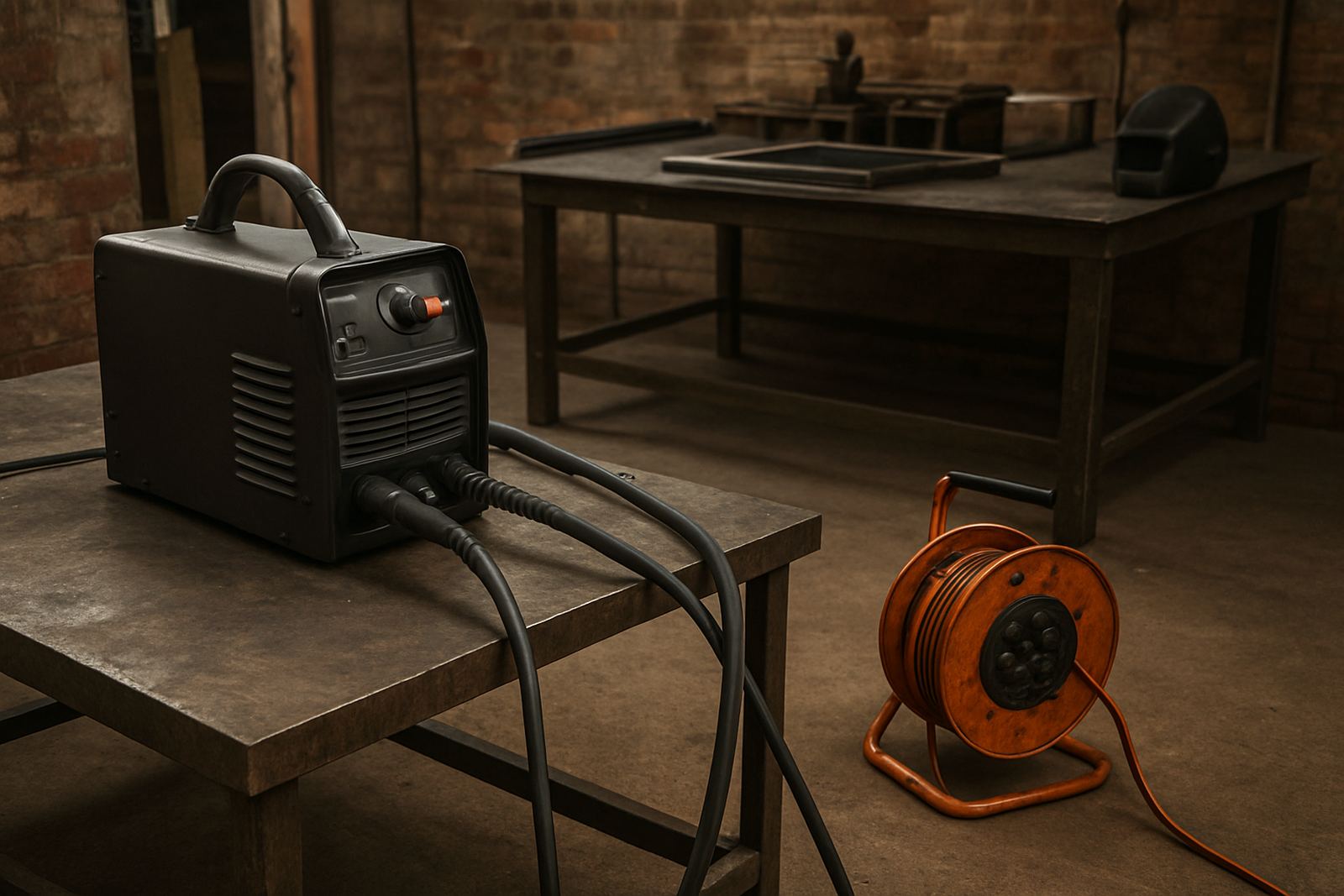
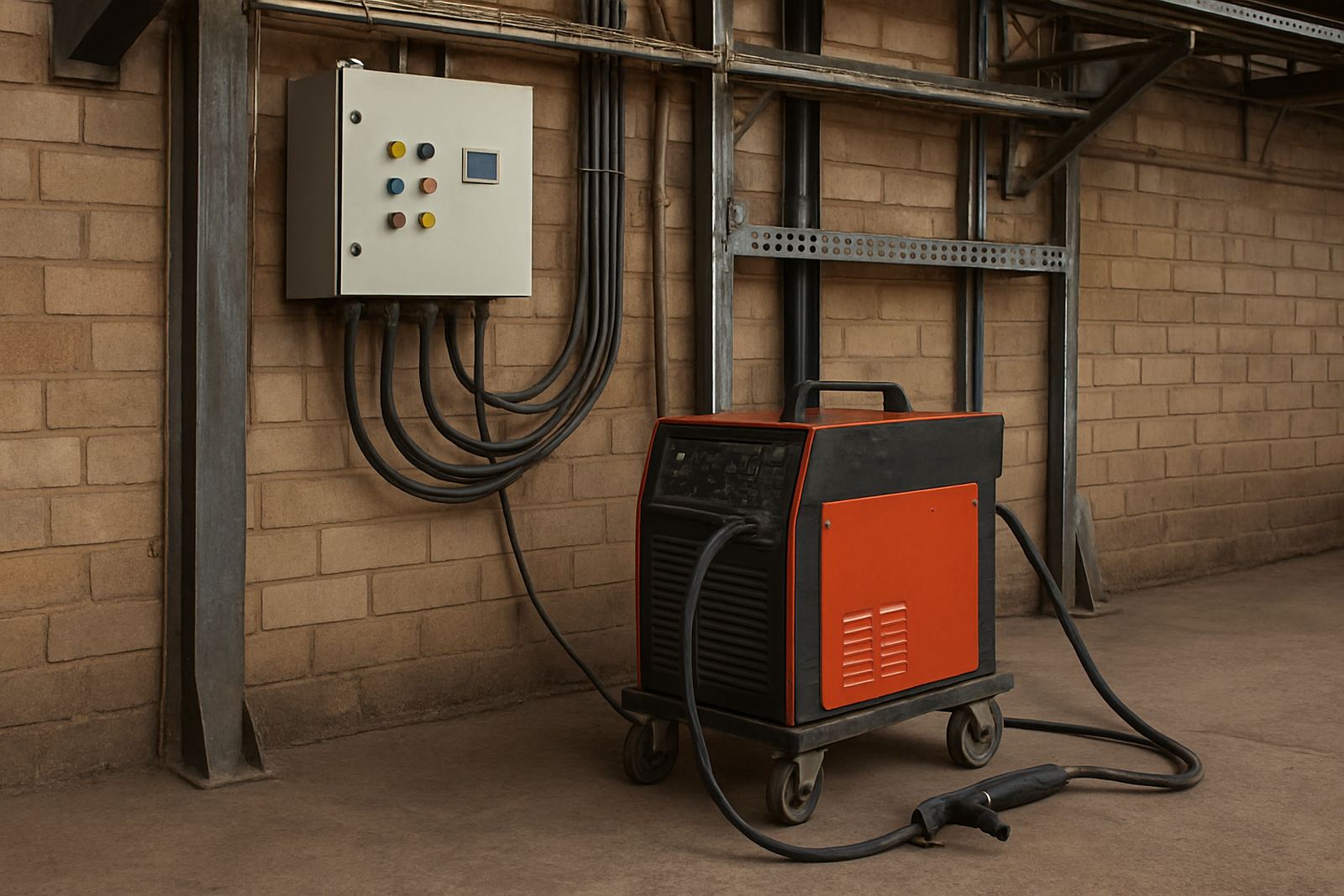
Power requirements depend on the plasma power source paired with the tube unit, so the full setup should be confirmed before delivery. In many cases, workshops need a stable single-phase or three-phase supply, proper earthing and cable management that keeps leads clear of the operator. Compressed air must be clean and dry, because wet air can affect cut quality and consumable life. A basic air system inspection before commissioning is worth the time.
- Check supply voltage and phase before installation
- Provide clean, dry compressed air at the required pressure and flow
- Allow space for torch movement, loading and safe offcuts handling
- Use proper earthing and keep cables clear of traffic areas
- Plan for extraction or ventilation where cutting is done indoors
Care, servicing and keeping cut quality consistent
Like any cutting equipment, a tube cutting unit performs best when it is kept clean, aligned and free of worn parts. Daily checks should include clamp condition, guide movement, drive smoothness and torch position. Consumables wear quickly when the air supply is dirty or the torch height is not set correctly, so height control calibration and consumables checks can make a noticeable difference to finish quality. Small faults left too long often turn into larger downtime later on.
We support tube cutting units with preventive maintenance, on site breakdowns, spares supply, torch repairs and machine commissioning across Vereeniging, Alberton, Germiston, Sasolburg, Meyerton, Bloemfontein and Welkom. If a unit starts leaving rough edges, changing cut angle or losing repeatability, it is worth booking a cut quality audit before the problem spreads through the rest of the job. The earlier the check, the less material gets written off.
What to check before you order
When ordering a tube cutting unit, start with the work you actually cut each week. Confirm the smallest and largest tube diameters, wall thickness range, whether you need round and square tube handling, and the cut styles you want to produce. If you rely on jigs or repeat orders, ask for a setup that allows quick length changes and repeatable angle settings. That is where the real time saving shows up.
Also confirm the plasma power source compatibility, consumable requirements, and whether you need operator training during commissioning. If the unit will be used by different staff, training becomes part of the job because setup mistakes affect fit-up and finish. Our team can assist with machine commissioning, operator training and practical guidance from the Vereeniging base so the first job on site does not become the test run.
- Tube sizes and profile shapes you cut most often
- Required cut type, including mitres, notches or bevels
- Plasma power source compatibility and air supply details
- Space available in the workshop and handling method for long lengths
- Need for setup help, training, servicing and spare parts support
Key facts
| Material focus | Round and square tube |
|---|---|
| Cut styles | Straight cuts, mitres, notches and selected bevel work |
| Typical workshop use | Fabrication, repair and light production |
| Setup needs | Level surface, proper earthing, clean dry compressed air |
| Support areas | Vereeniging, Vanderbijlpark, Sasolburg, Meyerton, Alberton, Germiston, Bloemfontein, Welkom |
| Service options | Commissioning, maintenance, breakdown support, training and spares supply |