What A Three Phase Cutter Does On Site
A three phase cutter is used where cutting jobs are steady, the material is heavier, and the workshop needs reliable duty without overloading the supply. In practice, that means cleaner starts, more consistent arc stability and better cut control on steel plate, mild steel sections and fabrication work that would push smaller machines too hard. For many Vereeniging, Vanderbijlpark and Sasolburg workshops, this is the right fit when production cannot stop for long cool-down periods.
It is a practical choice for metal fabrication bays, repair shops, structural steel yards, trailer builders and automotive operations that cut brackets, frames, gussets and panels every day. Because the power draw is spread across three phases, the machine is generally easier on the installation than trying to force a large output from single phase equipment. That matters when you are already running compressors, welders and extraction in the same area.
- Higher output for regular industrial cutting
- Stable arc on thicker plate and longer runs
- Suitable for production, maintenance and repair work
- Better match for premises with three-phase supply
Sizes And Options To Match The Job
The range is normally selected by cutting thickness, duty cycle and whether the machine will be used by one operator or across a team. Smaller industrial units suit light fabrication and maintenance, while larger machines are better for heavier plate, longer shifts and busier workshops. If your work changes often, it helps to choose a machine with enough headroom so it is not running at the limit all day.
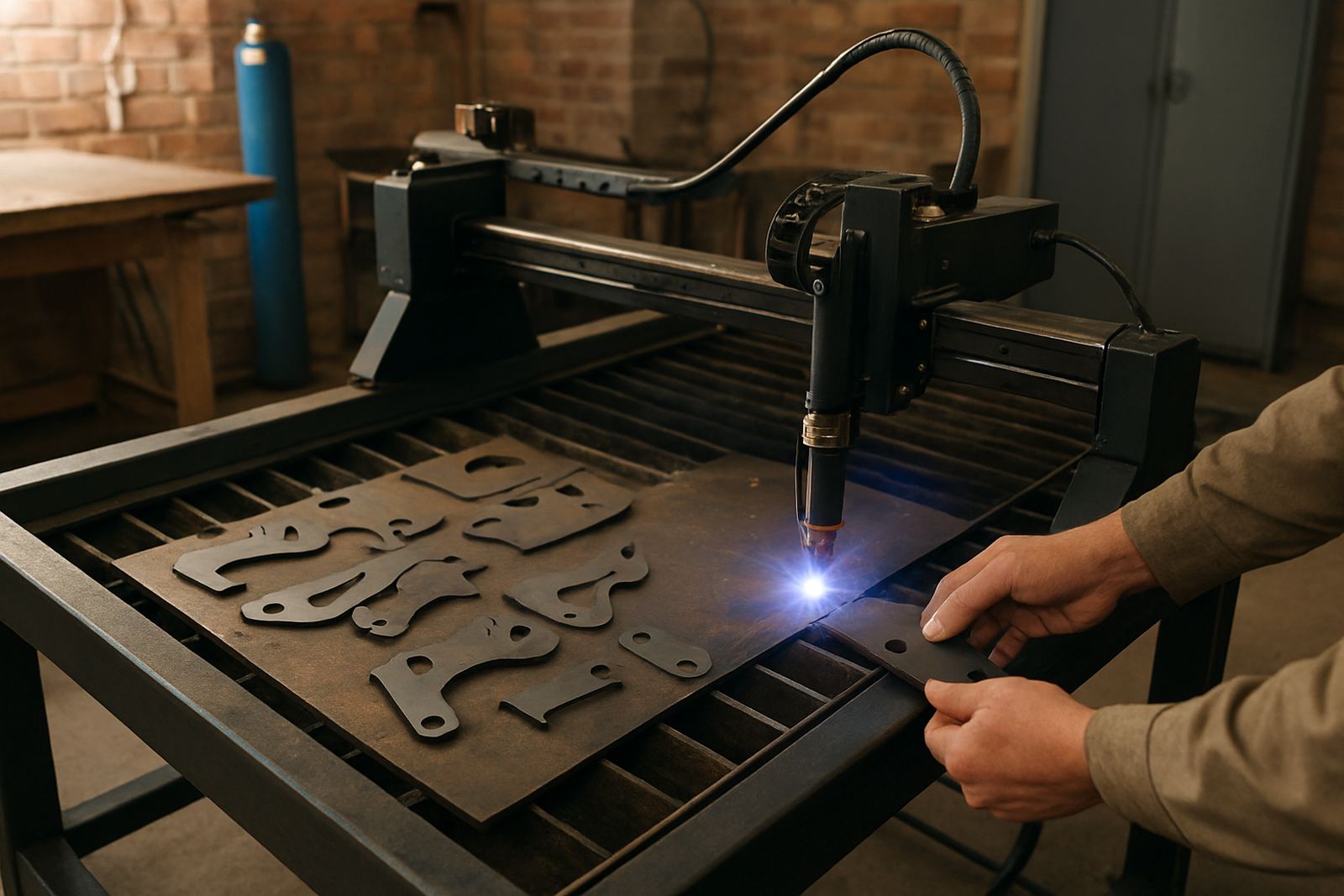
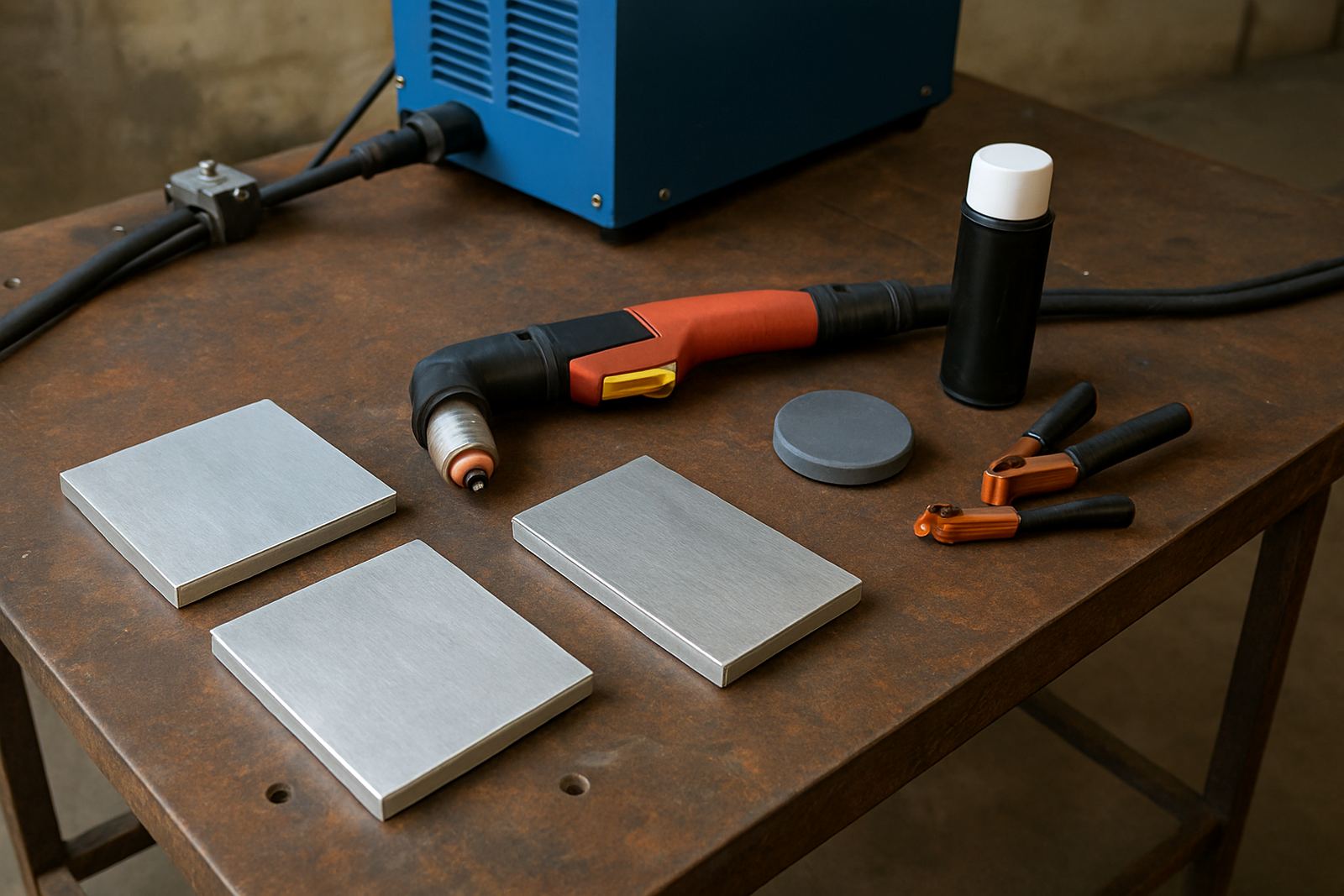
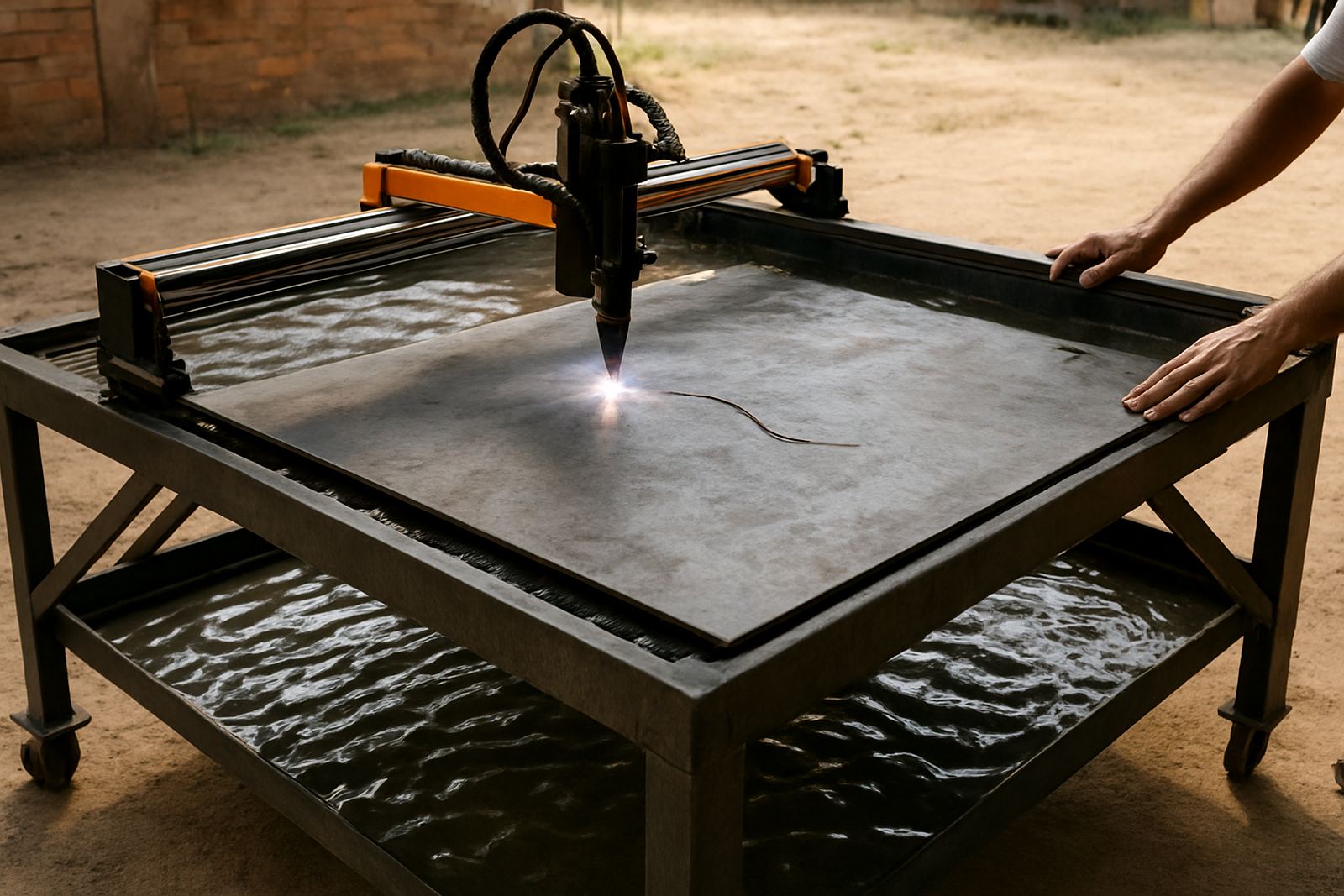
Options can include manual handheld cutters, CNC-ready power sources and packages suited to table work. We also assist with torch choices, cable lengths and consumables so the set-up suits the actual bench or table layout. In many cases, buyers from Meyerton, Alberton, Germiston and Bloemfontein ask for a unit that can do both repair work and accurate repeat cutting, which is where the middle and higher output models tend to make sense.
- Handheld unit for general workshop use
- CNC-compatible unit for table cutting
- Different output ratings for light, medium and heavy plate
- Accessory choices for torch length, leads and consumables
Power, Air And Installation Basics
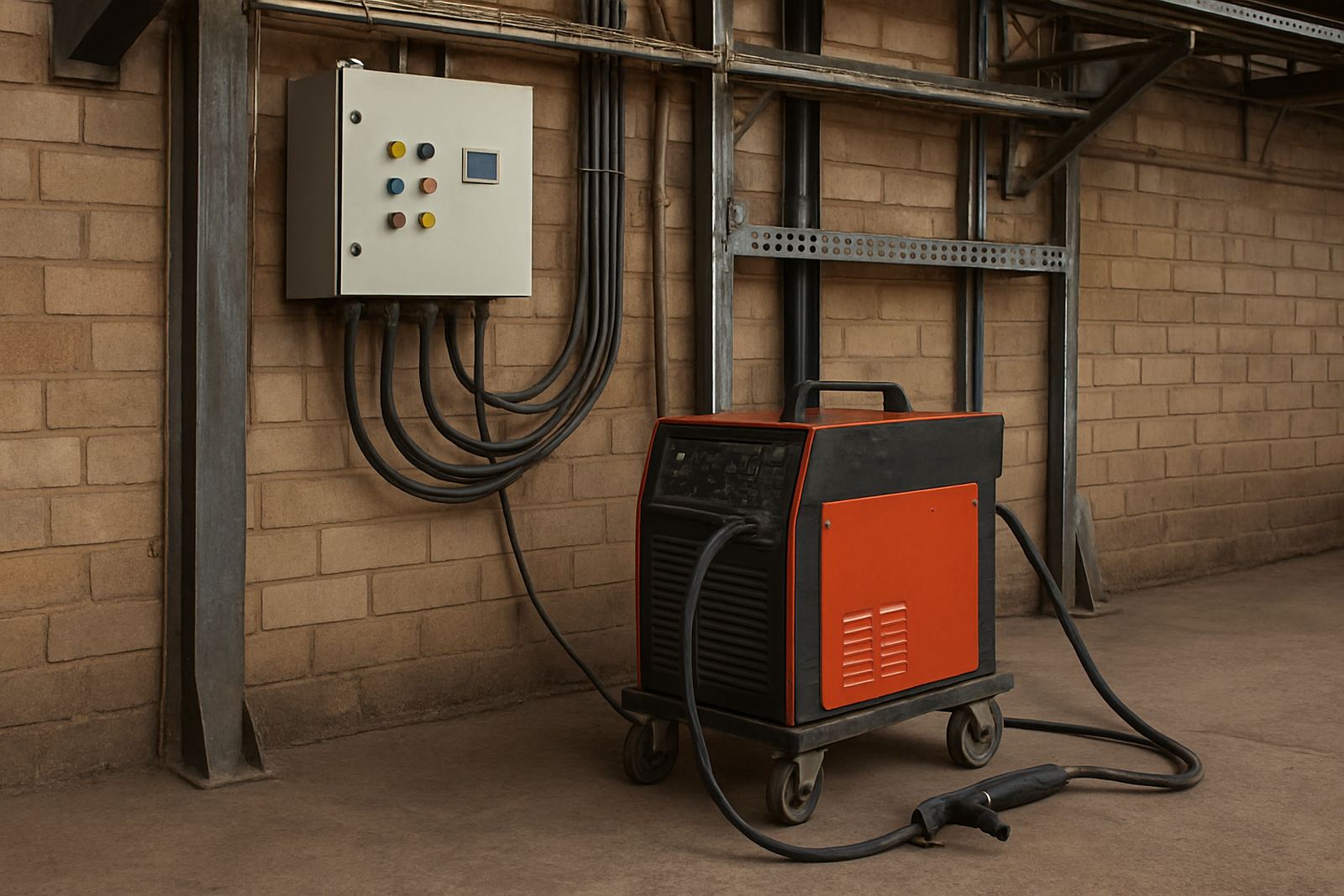
Three phase supply is the first requirement, and the installation should be checked before the machine is commissioned. The site needs the correct breaker sizing, earthing and cable capacity, especially in older industrial buildings where extra machines may already be on the same line. Load-shedding and voltage drops can affect cutting quality, so stable supply is important if the workshop is to keep to schedule.
Most plasma systems also need clean, dry compressed air. Wet air shortens consumable life and can cause poor edge finish, so an air dryer or at least proper filtration is worth the money. If the site is on the coast or in a humid area, maintenance becomes even more important. We often advise clients to inspect the compressor output, line pressure and moisture traps before first use, rather than waiting for a fault later on.
- Three phase electrical supply with correct protection
- Clean, dry compressed air at the right pressure
- Proper earthing and cable sizing
- Enough space for torch movement, cooling and safe handling
Where This Machine Suits Best
This cutter suits industrial premises that need a dependable machine for daily cutting rather than the odd repair job. It is commonly used in fabrication shops, maintenance departments, farms with a workshop, truck and trailer repair businesses and engineering yards that need repeatable cut quality. In Bloemfontein and Welkom, where workshop work often covers both repair and production, the extra capacity is useful for thicker material and longer shifts.
It also suits CNC table users who want cleaner nesting, sharper corners and less rework on parts that must fit first time. If your work includes guard plates, brackets, machine bases or repair sections, the stable output can reduce grinding time after cutting. That said, it is still important to match the machine to the plate thickness and the torch duty cycle, otherwise consumables wear quickly and cut quality drops off.
Care, Servicing And Day To Day Use
Good performance depends on simple upkeep. Keep the torch consumables in order, check the air lines for water, and make sure the earth return is firmly attached to clean metal. A loose clamp, dirty nozzle or damp air supply can create rough edges, more dross and unnecessary wear. In many cases the fault is not the power source itself, but one small issue in the air or torch set-up.
For busy sites we recommend planned servicing rather than waiting for a breakdown. Our support covers torch repairs, power source repairs, preventive maintenance, consumables checks, air system inspection, CNC table servicing, height control calibration, on site breakdowns, machine commissioning, operator training, spares supply and cut quality audits. We service clients across Vereeniging, Vanderbijlpark, Sasolburg, Meyerton, Alberton, Germiston, Bloemfontein and Welkom, with demos and field support arranged through our Vereeniging base.
- Replace worn consumables before arc quality drops
- Drain moisture from air lines and filters daily
- Check torch leads, earth clamp and connectors regularly
- Book periodic servicing to avoid sudden stoppages
What To Check Before You Order
Before placing an order, check the maximum thickness you need to cut, how many hours per day the machine will run, and whether the job is handheld or table based. It also helps to know what supply is available on site, because a machine may be suitable on paper but still need installation work to match the panel and compressor. If the workshop runs through power interruptions, ask about your back-up plan and what tasks must continue when supply is unstable.
Also confirm torch length, cable run, consumable availability and whether your team will need operator training at handover. If the machine is going onto a CNC table, height control and table servicing should be part of the discussion from the start. The right choice saves time, avoids wasted plate and keeps production moving when the order book is full.
Support From Our Vereeniging Team
PlasmaCutter is based in Vereeniging and supports customers through enquiry on the contact page. The team includes Marius van der Merwe, Kgomotso Mhlongo, Johan Botha, Phenyo Diale, Ruan Visser and Naledi Selebalo, each focused on sales, technical guidance, field work and training. That means you can ask for help with selection, setup, servicing or a site visit without having to guess what the machine needs.
We work with hobby users, maintenance crews and full industrial shops, and we keep the advice practical. If you need a three phase cutter for a workshop in Gauteng or the Free State, we can help you match the output to the job, the supply and the day to day use. It saves time later, and in a busy shop that matters.
Key facts
| Power supply | Three phase industrial supply |
|---|---|
| Use type | Handheld and CNC cutting options |
| Suitable material | Mild steel and general fabrication plate |
| Supply requirement | Clean compressed air with moisture control |
| Typical use | Production cutting, maintenance and repair |
| Support area | Vereeniging, Gauteng and the Free State |