
A practical first CNC table for workshop work
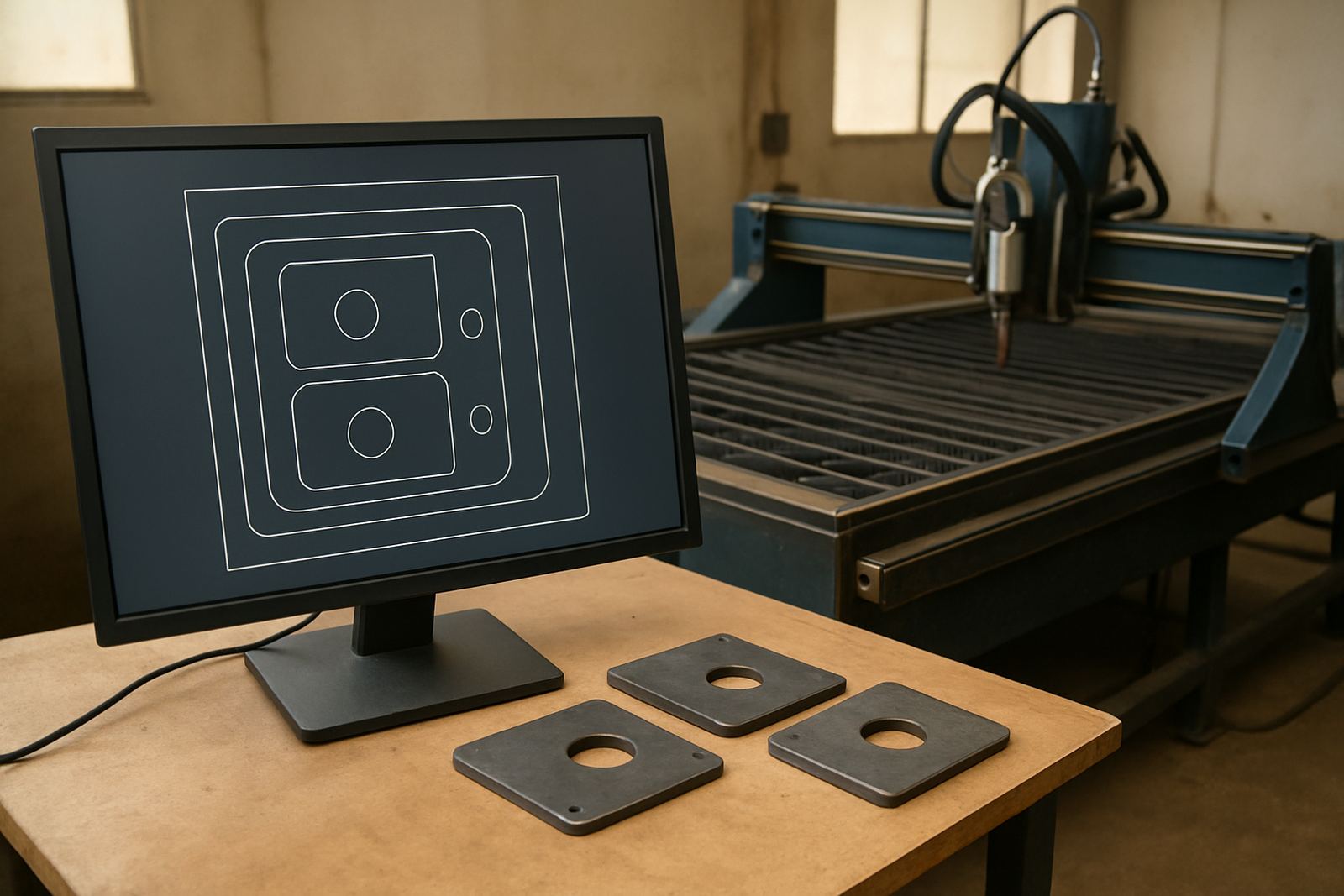
The CNC Starter Table is an entry-level plasma cutting system for businesses that need repeatable shape cutting in mild steel, stainless steel and aluminium. It is aimed at small fabrication shops, repairers, sign makers, auto repair workshops and rural service yards that want better accuracy than hand cutting but do not need a full industrial line. In Vereeniging and the broader Vaal area many customers use this type of table for brackets, flanges, gussets, covers and simple panels.
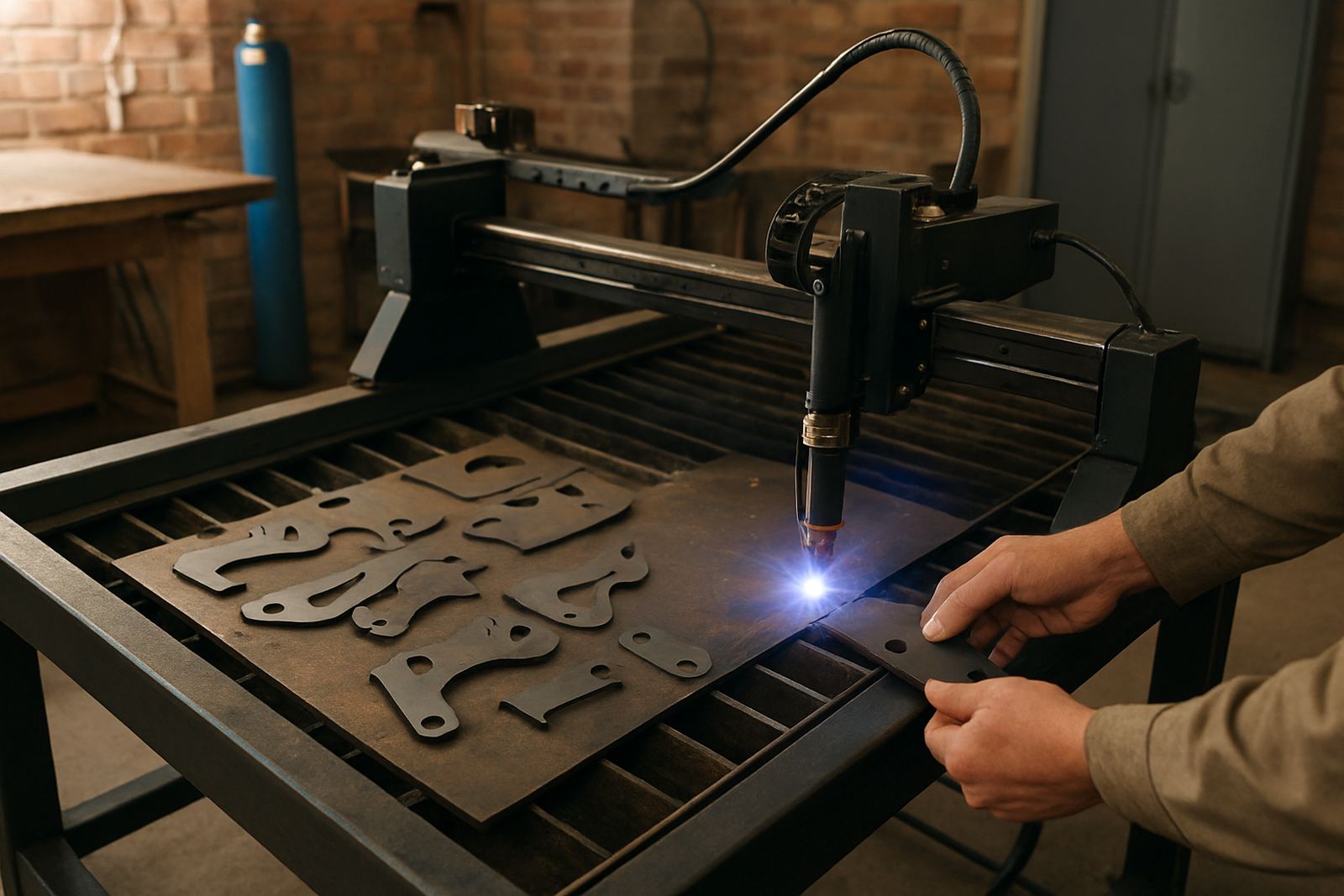
It gives you controlled motion across X and Y axes, a fixed cutting bed, and a torch mount that follows the programmed path. That means cleaner part consistency across a batch, less marking out by hand, and fewer rejected pieces. For a small shop working around load-shedding and mixed workloads, it is a sensible way to keep cutting organised and predictable.
Sizes, cutting area and options to match the job
Starter tables are typically supplied in compact footprints that fit a smaller bay yet still allow useful part nesting. Common bed sizes include 1 000 x 1 500 mm, 1 250 x 2 500 mm and 1 500 x 3 000 mm, with the right choice depending on your sheet sizes and floor space. If you mainly cut offcuts and smaller shaped components, the smaller bed may be enough. If you work with standard sheet stock, the larger option saves handling time.
Options can include a water or downdraft style cutting bed, THC or torch height control, limit switches, a controller cabinet and a slat type cutting surface. Some customers also ask for side access, longer rails or a stronger frame for heavier sheet handling. We help match the table to the kind of work you do, not just the size of your room.
- Bed sizes for small batch work and repeat parts
- Table style choices for smoke control and dross management
- Height control options for steadier cut quality
- Compact frames for tighter workshop spaces
Where it fits best in South African fabrication workshops
This table suits light to medium duty cutting where accuracy and repeatability are more important than very high production speed. It works well for fabrication shops making gates, frames, brackets and repair parts, as well as auto trade users cutting mountings and shaped plates. It also suits training environments, makers, and small businesses that want to move from manual cutting into CNC with manageable running costs.
In coastal areas where humidity can be a problem, the table should be kept in a dry, ventilated space and the rail surfaces wiped down regularly. In towns where dust is an issue, a covered machine with proper air filtration helps protect the drive system. If your workshop is in an industrial area with fluctuating power quality, a proper supply plan matters too. A table like this can still perform well, but it must be installed with care and used within its limits.
- Metal fabrication and light engineering
- Auto repair and panel support work
- Small batch cutting and repeat shaped parts
- Training, demonstrations and skills development
Installation, power and air requirements
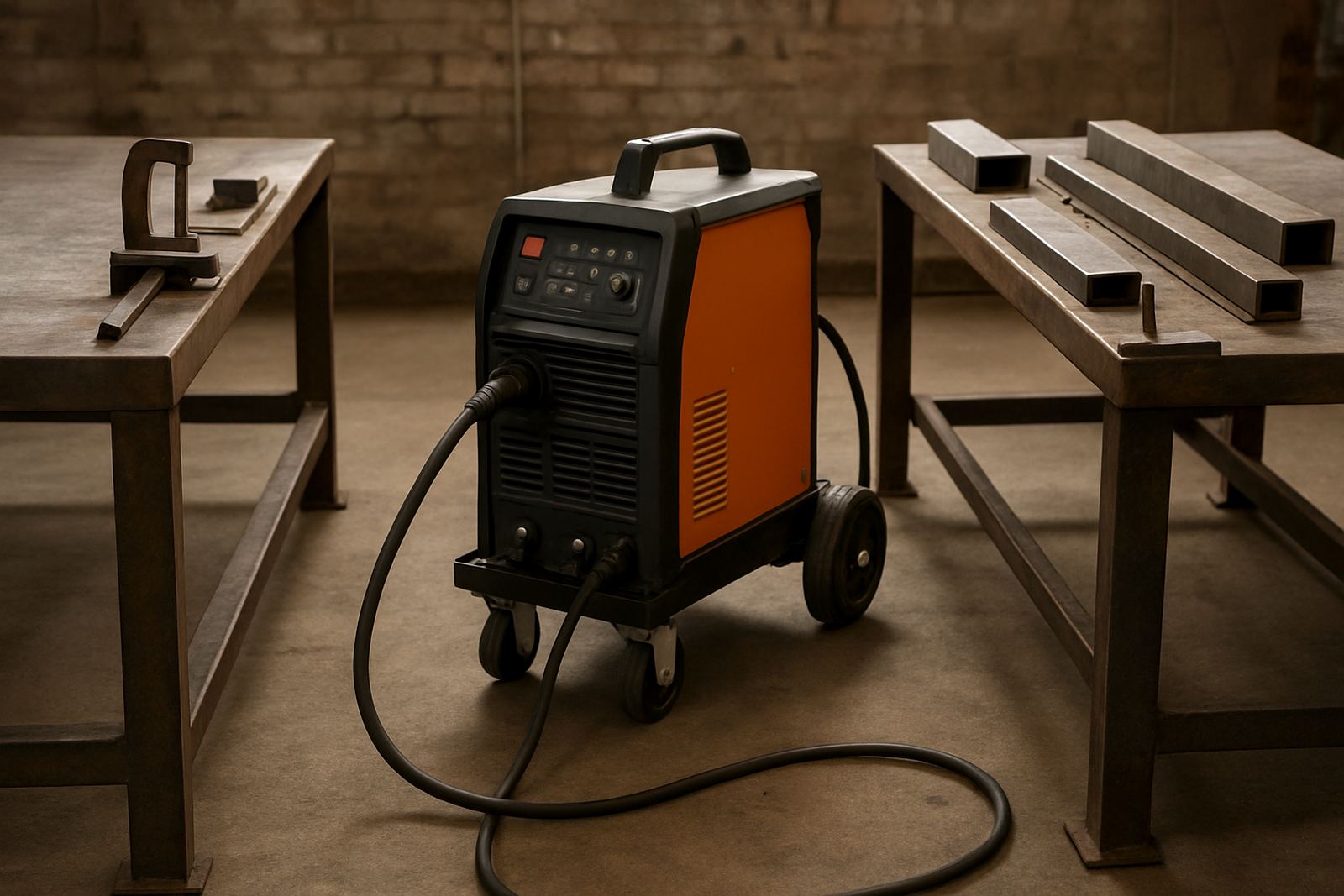
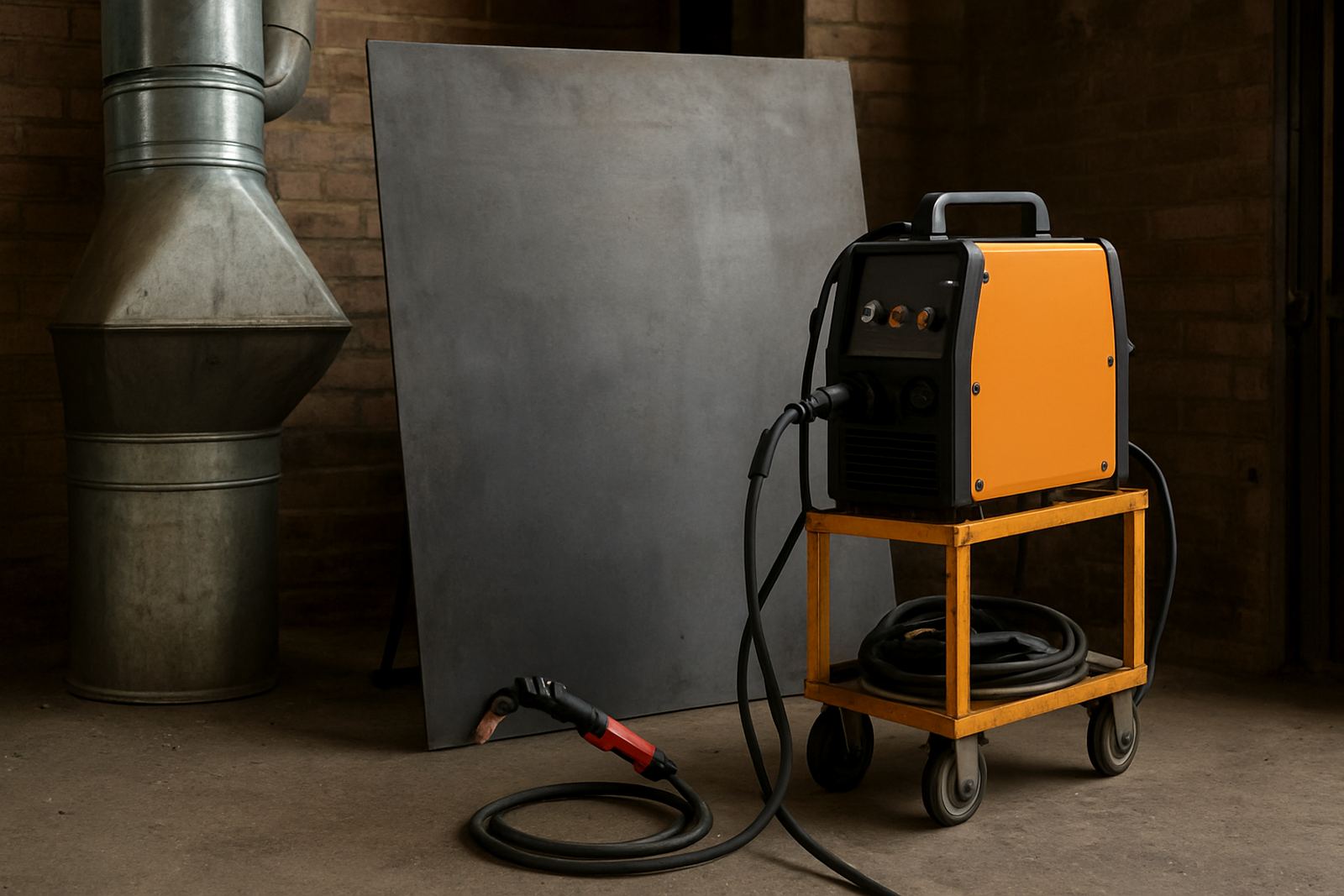
For a clean installation the table needs a level floor, enough room for sheet loading and a reliable compressed air supply. Most starter systems run from standard workshop electricity, though the exact input depends on the controller, drive system and plasma power source selected. A stable supply with proper protection is important, especially where voltage dips are common during load-shedding recovery.
Compressed air quality has a direct effect on cut finish and consumable life. Dry, filtered air helps keep torch parts in better condition and improves edge quality. If the workshop air line carries water or oil the machine will still cut, but the torch and consumables will wear faster. During commissioning we check air delivery, basic machine setup and cutting performance so the operator can start with the correct settings.
- Level floor and safe access for sheet loading
- Stable electrical supply with protection against surges
- Dry filtered compressed air for the torch
- Space for offcut removal and maintenance access
Care, servicing and cut quality checks
Like any plasma system, this table needs regular attention if you want consistent results. The guide rails should be kept clean, the slats or bed checked for distortion, and consumables inspected before they affect edge finish. A quick daily look over can prevent most avoidable stoppages. If the machine is used for mild steel all day, consumables and torch parts will naturally wear quicker than in light hobby use, so a service routine matters.
We assist with preventive maintenance, consumables checks, air system inspection, CNC table servicing and height control calibration. If a breakdown happens on site, the field technician can assess the machine, torch and power source together rather than guessing at one fault. That saves time and helps keep the table cutting properly. A small typo in workshop notes or a missed setting can cost a lot more than a routine check, so it pays to be methodical.
What to check before you order
Before ordering, think about the material type, sheet size, thickness range and how many parts you expect to cut per day. If your work changes often, the safest choice is a table size that gives a bit of spare capacity rather than one that is too tight. You should also decide whether you want a water bed or a dry extraction style, and whether the machine will be used by one trained operator or by several staff members.
It also helps to confirm the available power supply, compressor capacity and floor space. If you plan to move the machine between sites in Gauteng or the Free State, ask about access, lifting points and transport planning. We can help with machine commissioning, operator training and cut quality audits once the table is in place, so the first jobs can be run with proper settings and fewer mistakes.
- Material type and thickness range
- Sheet sizes and batch volumes
- Power supply and air compressor capacity
- Floor space, access and lifting plan
- Training needs for the operator
Key facts
| Product type | Entry-level CNC plasma cutting table for small batch cutting |
|---|---|
| Typical bed sizes | 1 000 x 1 500 mm, 1 250 x 2 500 mm, 1 500 x 3 000 mm |
| Suitable materials | Mild steel, stainless steel and aluminium |
| Control features | CNC motion control with optional torch height control |
| Workshop needs | Level floor, compressed air, stable power supply and operator space |
| Support available | Commissioning, training, servicing, repairs and spares supply |