Built for regular workshop cutting
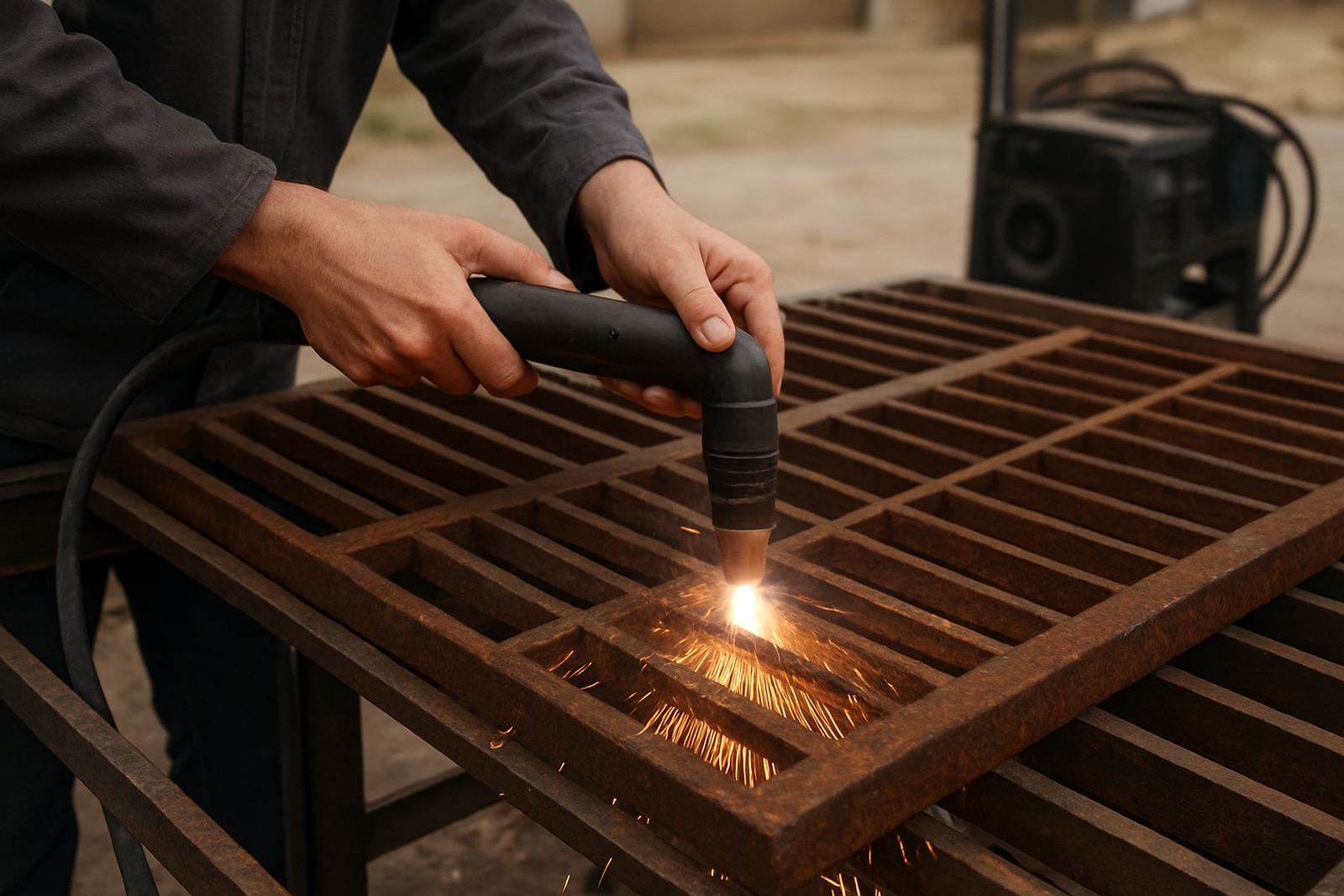
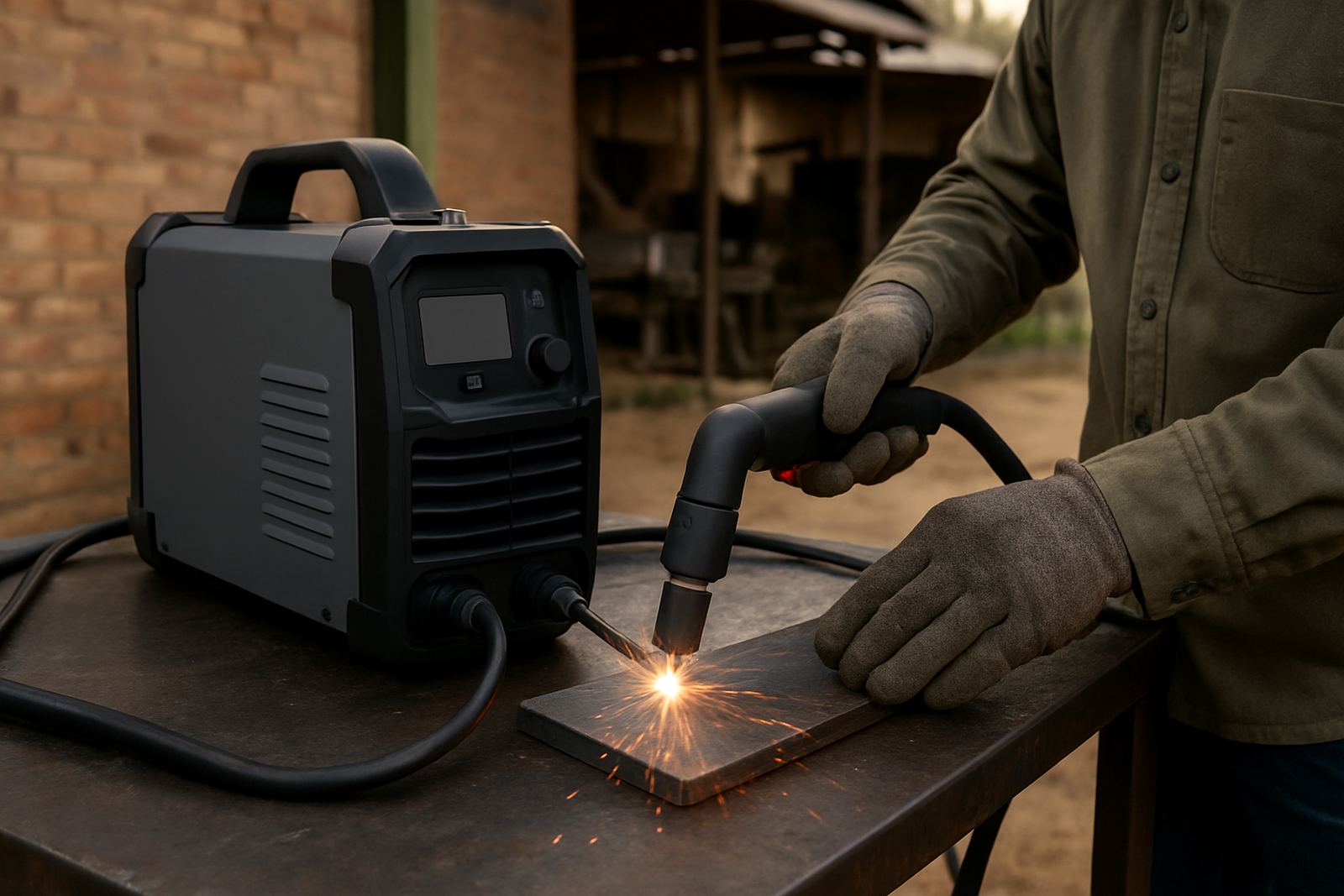
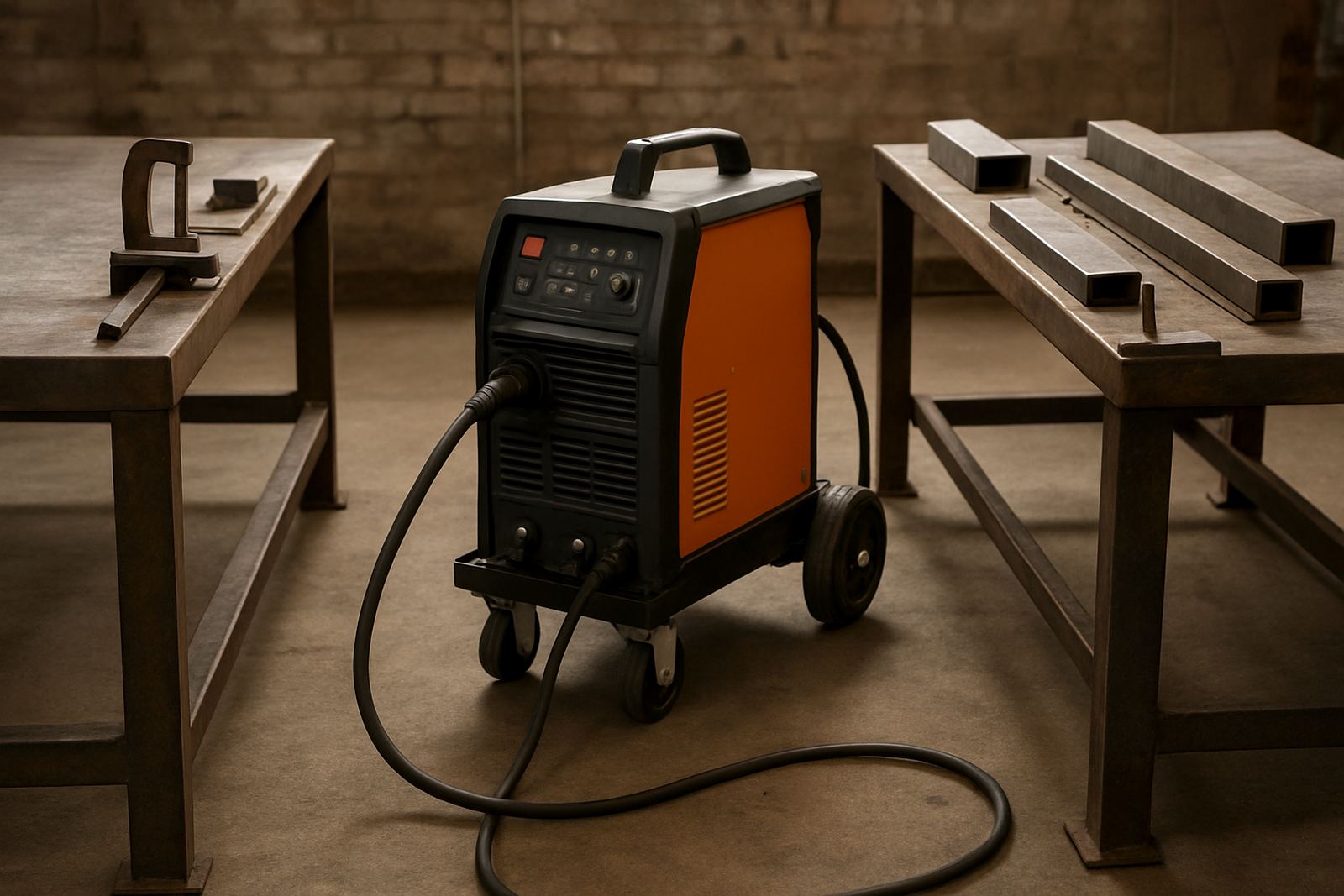
The Fabrication Line Unit is a practical cutting machine for daily use on mild steel and other common fabrication materials. It is suited to workshops handling gates, frames, brackets, truck repairs, farm repairs and light production work where repeatable cuts matter more than fancy extras.
Because it is a grounded workshop machine and not a light hobby unit, it is better matched to places where the operator needs straight starts, stable arc control and enough duty cycle for a proper shift. In many yards around Vereeniging, Vanderbijlpark and Sasolburg, that means less time waiting on cool-down and more time getting jobs out the door.
- Daily cutting for structural and general fabrication
- Suitable for repair shops and production bays
- Clean edges for welding prep and fit-up
- Works well on steady workshop supply and compressed air
Size choices and typical cutting range
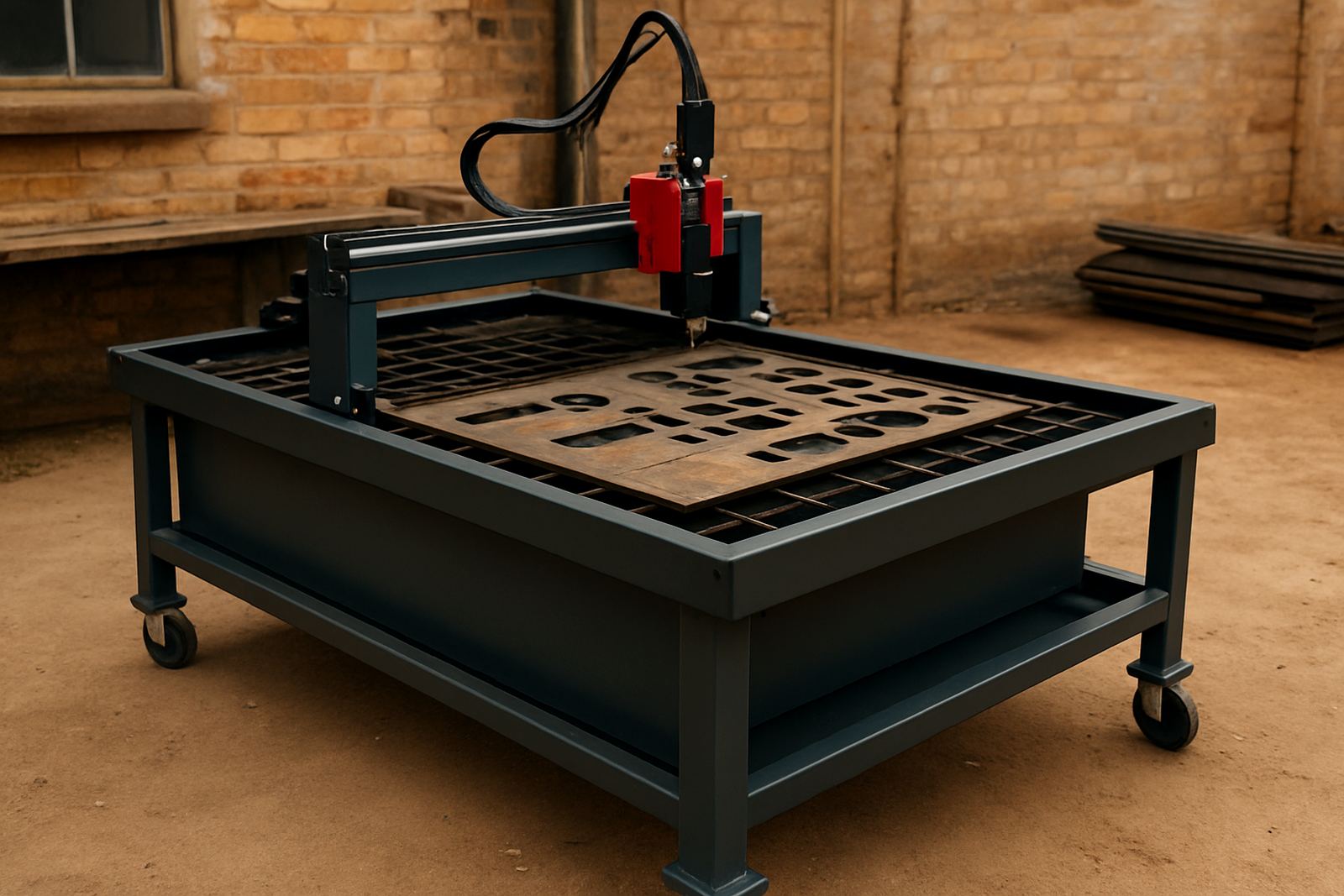
We supply Fabrication Line Units in configurations that suit different workshop volumes. Some buyers need a smaller setup for maintenance work and occasional fabrication, while others need a higher output machine for longer cutting shifts and thicker plate. The main choice is usually the output rating, torch style and whether the machine is being used hand-held or with a cutting table.
For most local fabrication work, a unit in the 40 A to 100 A class is the practical range. Smaller units are handy for sheet, brackets and repair work, while larger ones handle heavier sections more comfortably. Your actual cut performance also depends on steel grade, torch condition, air quality and operator technique so it is worth matching the machine to the real jobs you do, not just the catalogue number.
- Handheld and CNC-ready options
- Common output classes from 40 A to 100 A
- Suitable for thin sheet up to heavier plate, depending on model
- Options for workshop carts, torch length and consumable sets
Where the machine fits best
This unit suits structural and general fabrication workshops, mechanical repair businesses, agricultural repair teams and metal shops that need dependable cutting on mild steel. It is also useful for automotive repair work, trailer builders and jobbing shops where parts need trimming, slotting and accurate fit-up before welding.
In coastal or humid conditions, air quality becomes more important because moisture in the line can shorten consumable life and affect cut quality. In places like Germiston, Alberton and the Free State towns, workshops often run these units alongside compressors and dryers so the torch gets clean, dry air and the cut stays consistent.
- Structural steel fabrication
- Automotive and fleet repair work
- Trailer, gate and railing production
- General maintenance and jobbing shops
Installation, power and air supply needs
Before commissioning, the machine must be matched to the workshop supply and compressed air system. Most installations need a suitable single or three phase input, correct cable sizing and a stable earth connection. On sites where load-shedding is part of normal working life, many buyers plan their cutting schedule around generator support or a properly sized backup supply.
Compressed air is just as important as electrical supply. The machine needs dry, clean air at the correct pressure for stable cutting and longer consumable life. If the compressor is undersized or the air line carries water and oil, the operator will see poor arc starts, rough edges and unnecessary wear. We help customers check these points before delivery so the unit is ready for the actual workshop conditions.
- Check supply voltage and phase before ordering
- Allow for correct earthing and cable capacity
- Use dry compressed air with proper filtration
- Plan for generator or backup support if load-shedding affects production
Care, servicing and workshop uptime
Like any production tool, the Fabrication Line Unit performs best when it is kept clean and checked regularly. Torch wear, dirty air, loose leads and worn consumables are the main reasons operators lose cut quality. A short daily check can prevent bigger stoppages later on, and that is especially important when a workshop is trying to finish work before the end of shift.
Our service team handles torch repairs, power source repairs, preventive maintenance, consumables checks, air system inspection, CNC table servicing, height control calibration, on site breakdowns, machine commissioning, operator training, spares supply and cut quality audits. If a unit starts cutting badly, it is often not the whole machine, just one part of the system that needs attention. A quick inspection can save a full day of downtime, sometimes more.
- Keep torch parts clean and replace worn consumables early
- Drain water from compressor lines and filters
- Check earth connection and work clamp contact
- Book preventive maintenance before busy periods
What to check before you order
When you are choosing a Fabrication Line Unit, start with the jobs you cut most often. Look at material thickness, daily cutting hours, whether the machine will be hand-held or used on a CNC table, and whether your site has a stable power and air supply. It also helps to know if you need portable use for site work or a fixed setup for the workshop.
For support, demos and servicing across Vereeniging, Vanderbijlpark, Sasolburg, Meyerton, Alberton, Germiston, Bloemfontein and Welkom, our team works from the Vereeniging base. Marius van der Merwe leads the business, with Kgomotso Mhlongo on sales, Johan Botha on technical support, Phenyo Diale on customer support, Ruan Visser on field service and Naledi Selebalo handling training and demos. If you need guidance, send an enquiry through the contact page and we will help you match the right setup to your workshop.
- Material type and thickness you cut most often
- Single or three phase power availability
- Air compressor size and air dryness
- Handheld or CNC use, plus torch length needed
- Space for the machine, table and operator access
Key facts
| Product type | Fabrication Line Unit plasma cutting machine |
|---|---|
| Use | Handheld fabrication cutting or CNC table use, depending on configuration |
| Typical output range | 40 A to 100 A classes available |
| Material suited to | Mild steel, structural steel, sheet and general fabrication work |
| Power requirement | Single or three phase supply, model dependent |
| Air requirement | Clean, dry compressed air with proper filtration and pressure control |