What an inverter plasma unit does in the workshop
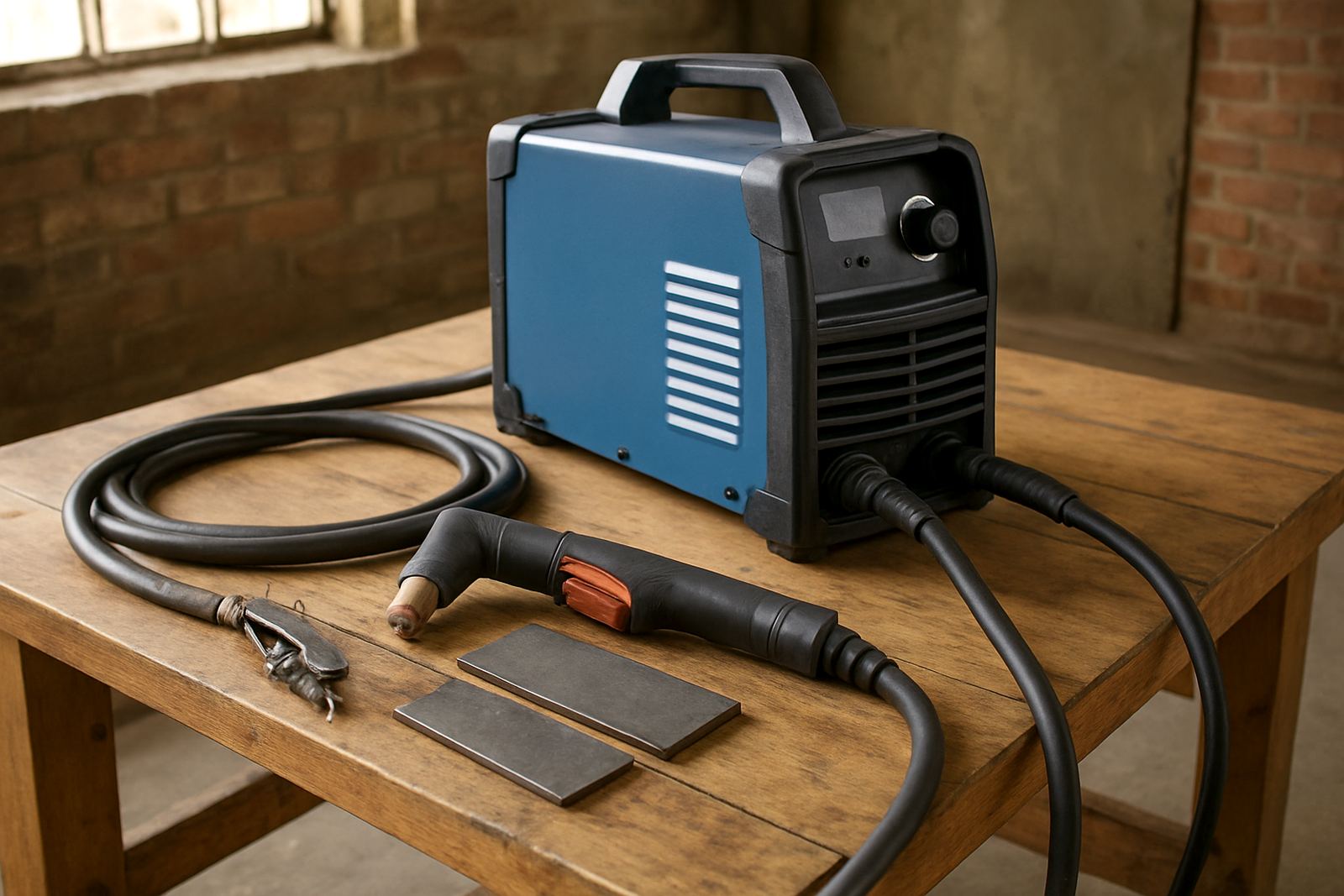
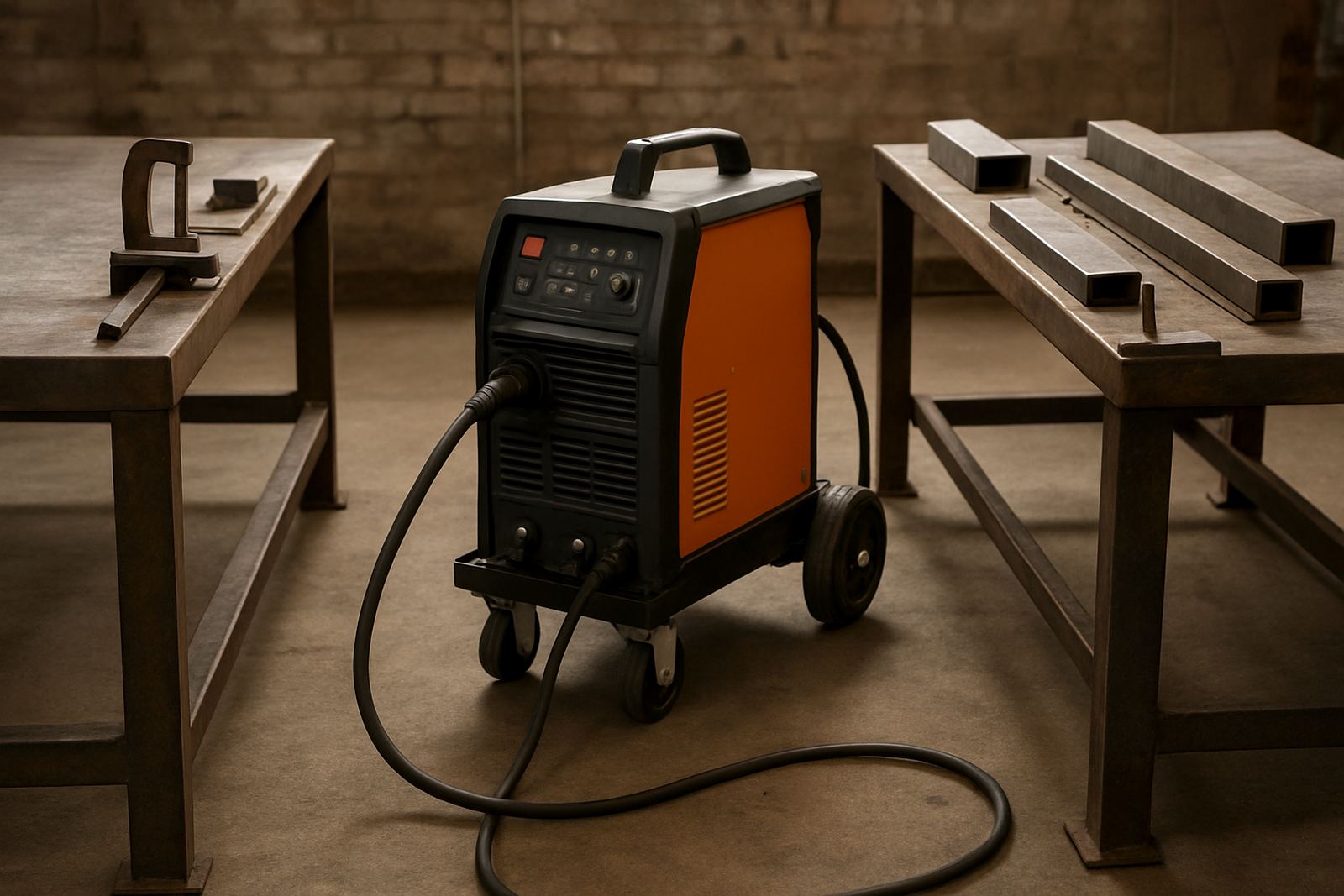
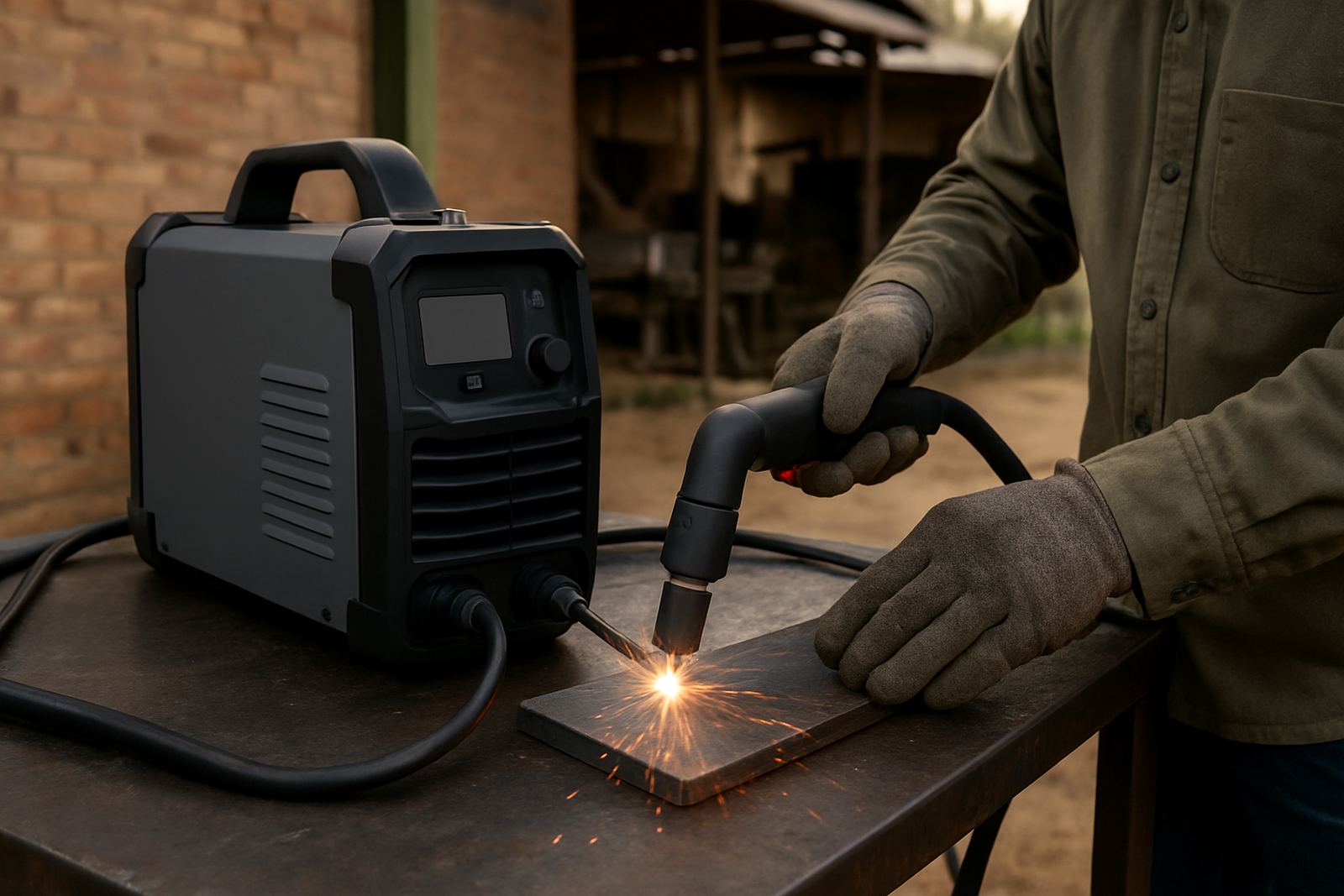
An inverter plasma unit uses modern power conversion to produce a focused plasma arc for cutting mild steel, stainless steel and aluminium. Compared with older transformer-based equipment, the unit is usually lighter, easier to move and more efficient on power use, which is handy when you are working in Vereeniging, Alberton, Bloemfontein or on a site with limited space.
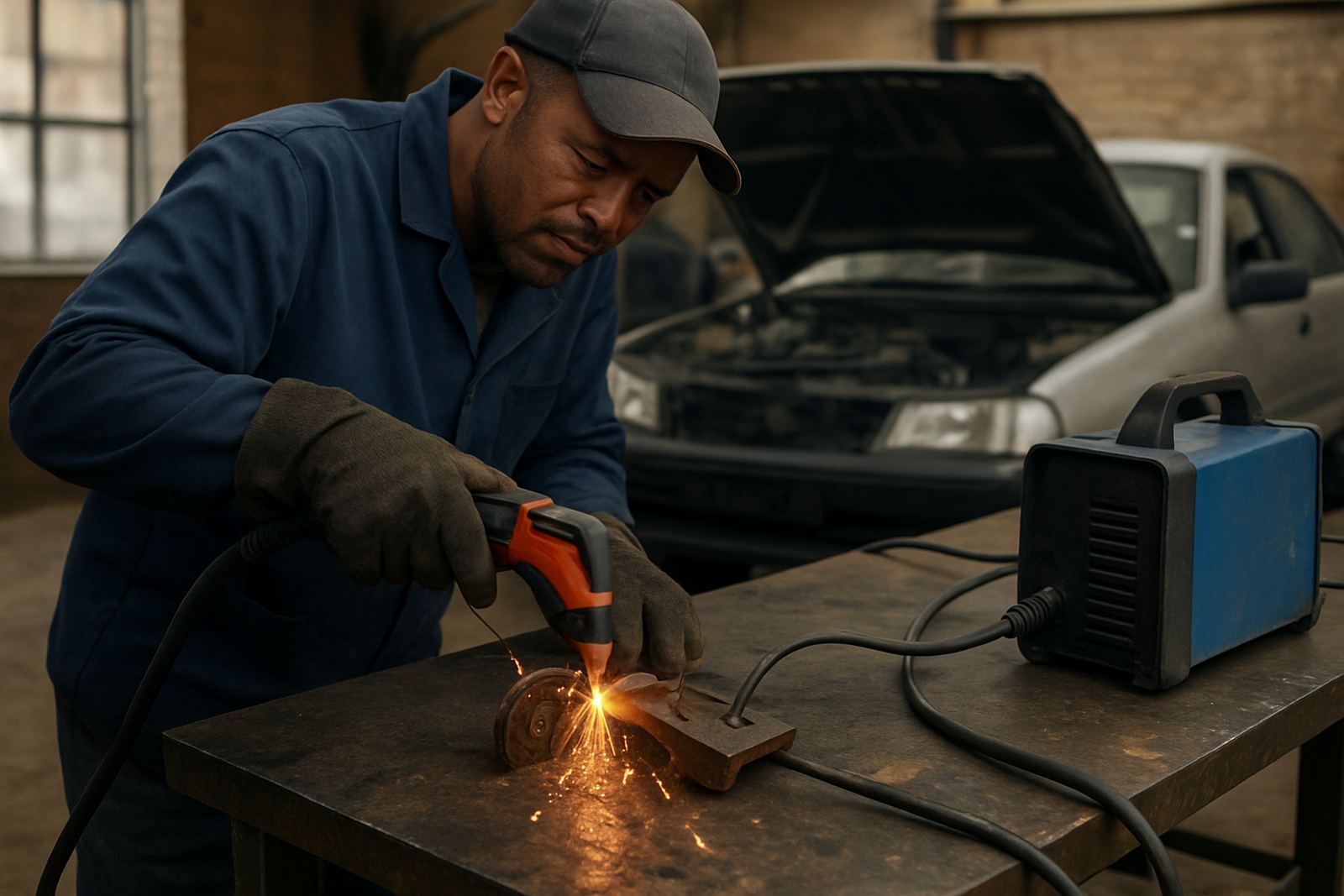
The cutting process is straightforward: compressed air is forced through the torch, the plasma arc forms, and the metal is sliced with a narrow kerf. That means less grinding afterwards and better control on thin sheet or heavier plate. For workshops that need dependable daily use, the main advantage is consistency, especially when your operator needs the same cut quality from the first part to the last.
Available cutting sizes and output options
Inverter plasma units are commonly chosen in output ranges from 30 amp to 100 amp, depending on the thickness and pace of work. A 30 amp machine suits light fabrication, vehicle repair patches and signage work. A 40 amp or 50 amp unit is a good all round option for general metal work. For thicker material, 60 amp, 80 amp and 100 amp units give more cutting margin and better duty cycle for repeated use.
- 30 amp: thin sheet, light brackets and workshop repairs
- 40 to 50 amp: day to day fabrication and maintenance work
- 60 to 80 amp: heavier plate and more regular production cutting
- 100 amp: demanding jobs, thicker sections and higher output use
Depending on the machine, you may also get pilot arc starting, air pressure display, digital current control and drag tip compatibility. Those details matter when you need cleaner starts and less nozzle wear, especially in production work.
Where this type of machine works best
These units suit a wide range of South African users, from hobby workshops in Meyerton to fabrication shops in Germiston and agricultural repair teams in the Free State. They are commonly used for gate and fence work, trailer repairs, automotive body sections, ducting, frames, sign support brackets and general steel preparation.
Because inverter units are lighter, they are also practical for mobile work and breakdown repairs. If you are cutting on site, carrying a smaller machine is a big help when access is tight or the job is upstairs, in a yard or at a remote plant. For coastal users who work near damp or salty air, a clean dry storage space helps protect the machine and torch, while inland workshops still need protection from dust and metal grindings.
- Metal fabrication and welding shops
- Auto repair and panel work
- Maintenance teams and contractors
- Hobby users who want neater cuts
- Small production runs and prototype work
Power supply, air supply and installation needs
Before you order, check the available input power at your workshop or site. Smaller inverter plasma units may run on 230 V single phase, while larger units often need 400 V three phase supply for better output and duty cycle. If load-shedding is part of your daily routine, it is worth planning the machine around your generator capacity, supply stability and cable length so you do not trip the unit halfway through a cut.
The air system is just as important. Most plasma cutting faults start with poor air quality, not the machine itself. You need clean, dry compressed air at the correct pressure, with water and oil removed before it reaches the torch. A simple filter and regulator setup helps a lot, and in humid areas like Sasolburg or around the Vaal Triangle, moisture control becomes even more important.
- Check voltage and phase before installation
- Confirm compressor output and air dryness
- Allow enough cable length for your work area
- Keep the unit on a stable, ventilated surface
- Use the correct earthing and power protection
Care, servicing and cut quality over time
Good plasma cutting depends on simple care carried out regularly. Consumables such as electrodes, nozzles and swirl rings wear with use, so they must be checked before poor arc quality starts affecting the job. A dirty torch body, weak air pressure or contaminated air lines can cause rough edges, more dross and uneven starts. That is why preventive maintenance matters if you want the unit to keep performing properly.
Our team handles torch repairs, power source repairs, preventive maintenance, consumables checks, air system inspection, CNC table servicing, height control calibration and cut quality audits. We also assist with on site breakdowns, machine commissioning, operator training and spares supply across Vereeniging, Vanderbijlpark, Sasolburg, Alberton, Germiston, Bloemfontein and Welkom. If a machine is cutting poorly, it is usually worth checking the torch, air path and settings before assuming the power source is at fault.
Points to confirm before ordering this cutter
Ordering the right inverter plasma unit starts with the material you cut most often and the way you work. A fabrication shop doing thin and medium steel may be better off with a smaller unit that is easy to move, while a busy workshop may need more output and longer duty cycle. If you are using CNC, make sure the unit is suitable for machine torch use and that the arc starting method matches your table setup.
- Material type and maximum thickness
- Whether you need handheld or CNC use
- Input power available on site
- Compressor capacity and air drying method
- Duty cycle needed for daily production
- Consumables availability and torch type
It also helps to think about who will use the unit. If several operators are involved, a simpler control layout and clear training can save a lot of time. Through the enquiry form on our contact page, you can ask for guidance on matching the machine to your job, your power supply and your air system.
Key facts
| Output range | 30 amp, 40 amp, 50 amp, 60 amp, 80 amp and 100 amp options |
|---|---|
| Input supply | 230 V single phase or 400 V three phase, according to the inverter plasma unit model |
| Cutting method | High frequency inverter plasma with compressed air |
| Typical material range | Thin sheet up to thicker plate, depending on amperage and duty cycle |
| Torch type | Handheld torch, with CNC compatible options on selected units |
| Air requirement | Clean, dry compressed air with correct pressure and flow |