A Practical 50 Amp Cutter For Everyday Workshop Work
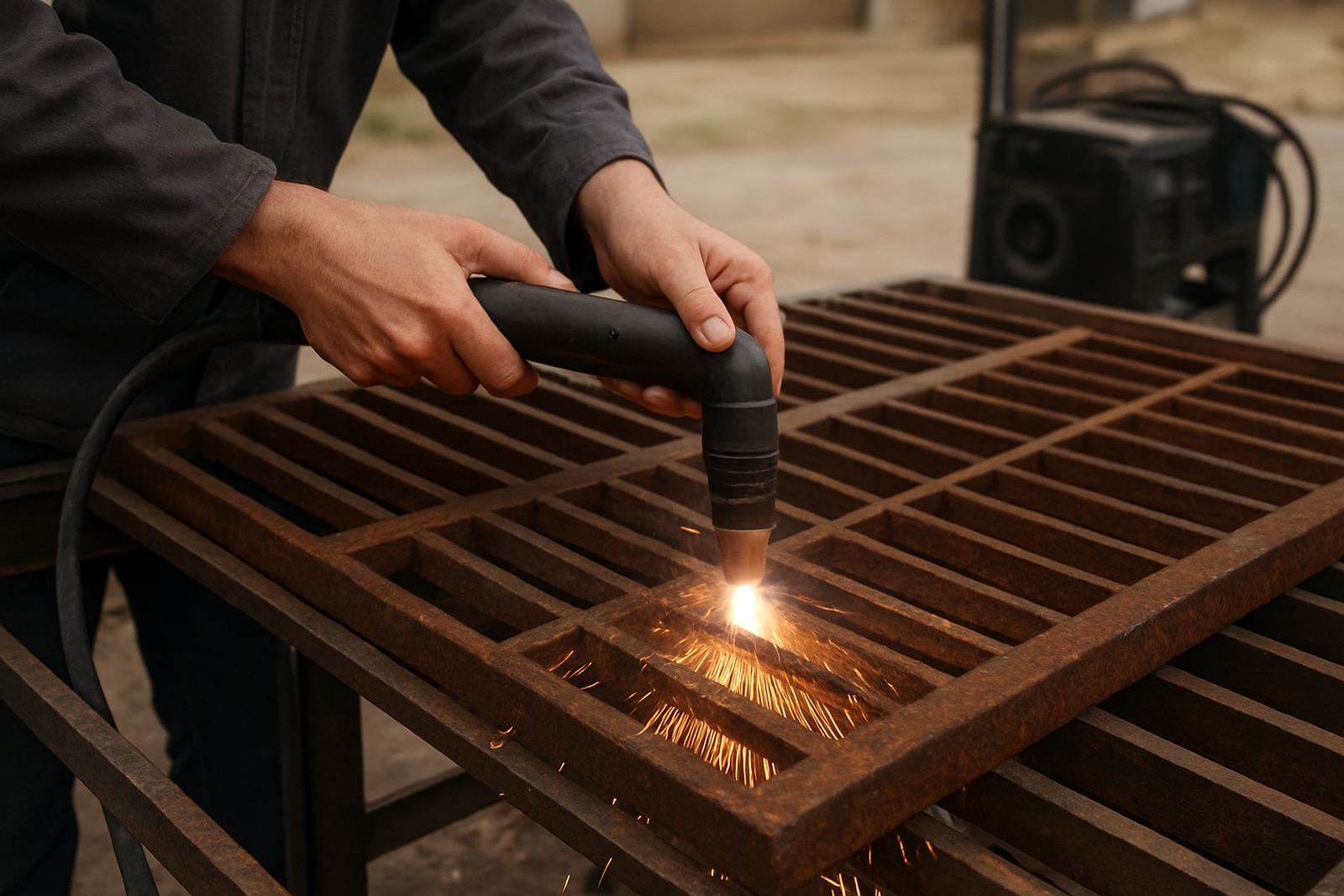
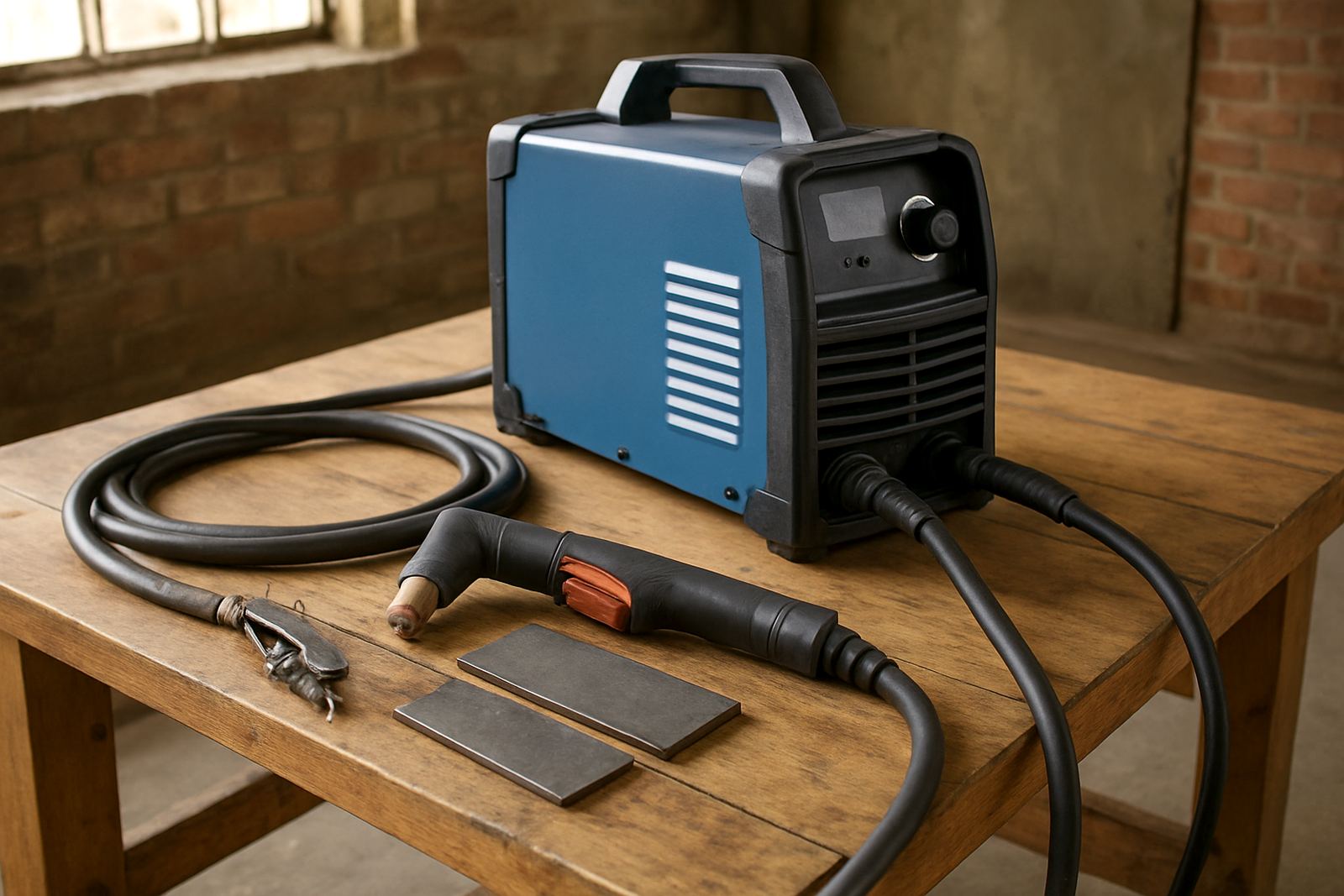
The CUT 50 Workshop Cutter is built for general cutting in metal workshops, repair bays, small fabrication shops, and farm maintenance teams that need accurate cuts without a complicated setup. It handles mild steel, stainless steel, and aluminium within its rated thickness range, making it a useful all round machine for regular day to day work.
For a small to medium workshop, the value is in the simple controls and steady arc. You can move from trimming brackets to opening panels or preparing plate edges with less rework, which helps when jobs must be turned around quickly. It is also a good fit where operators share one machine and need a unit that is easy to understand.
- Handheld plasma cutting for general workshop use
- Clean cut finish on mild steel and similar metals
- Simple front panel controls for faster setup
- Suitable for repair work, fabrication and maintenance
Sizes, Output And Working Range
The CUT 50 is usually chosen as a 50 amp class machine for light to medium duty cutting. In practical terms, that gives a useful working range for sheet metal, brackets, angle iron, tube work, and panel repair. Exact cut speed and edge finish will vary with material condition, air quality, torch distance, and the skill of the operator.
When comparing options, check both the machine output and the duty cycle you need for your workload. A shop that cuts in short bursts may be fine with a standard setup, while a busier line may need better cooling and a stronger duty rating. If you are cutting near the coast or in a dusty yard, you should also think about protection for the machine and air supply, because moisture and dirt affect arc quality.
- Output class: 50 amp
- Typical supply: single phase workshop power
- Best for light to medium duty cutting
- Works well for maintenance teams and fabrication shops
Where The CUT 50 Fits Best In South African Workshops
This cutter suits places where practical cutting matters more than high volume automated production. We see that type of work in vehicle repair shops, gate and fence fabricators, agricultural repairs, and general steel workshops from Vereeniging and Vanderbijlpark through to Sasolburg, Meyerton, Alberton, Germiston, Bloemfontein and Welkom.
It is a sensible choice for operators who need one machine for many different jobs, especially where stock space is limited. The CUT 50 handles a range of common workshop tasks well, so it can reduce the need for hand finishing after cutting. For sites that work through load-shedding, a stable power plan and correct cabling are important, otherwise the arc can become uneven and consumables wear faster.
- Metal fabrication shops
- Automotive repair and body work
- Farm and equipment maintenance
- General steel and welding workshops
Power, Air And Site Setup
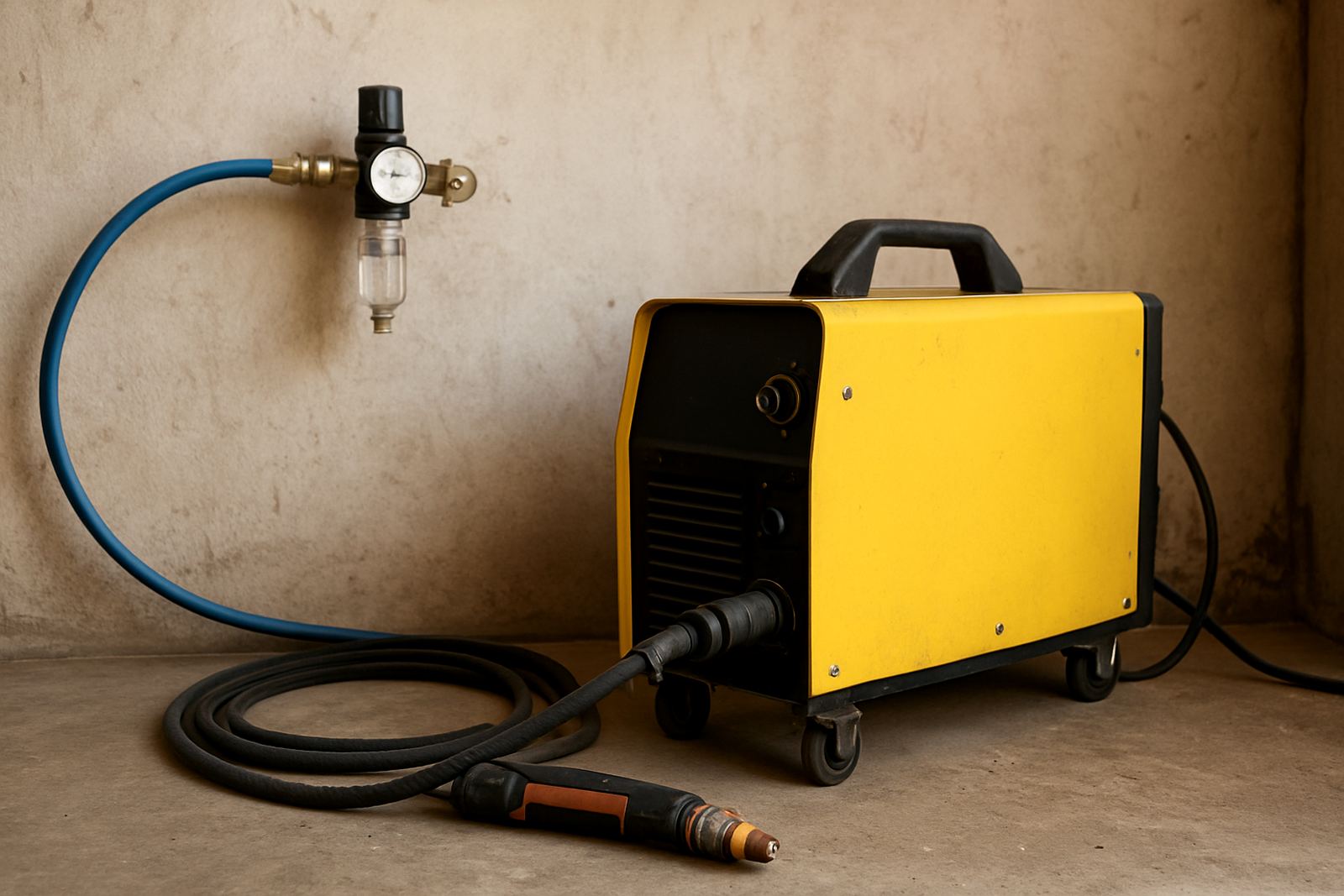
To get good results from a plasma cutter, the power supply and compressed air must both be right. The machine should be connected to a supply that matches its input requirements, with cabling sized for the current draw and the distance from the source. If the supply is weak or shared with other heavy tools, performance can drop, and you may see harder starts or rougher edges.
Air quality matters just as much. Plasma cutting needs clean, dry compressed air at the correct pressure so the torch can cut properly. Water, oil, and dirt in the line shorten consumable life and can spoil the cut face. In coastal humidity or in workshops with older compressors, an inline filter and moisture trap are worth fitting. Please also allow enough space around the machine for ventilation and safe torch movement.
- Use clean, dry compressed air
- Fit moisture and oil filtration where needed
- Check outlet capacity before installation
- Keep ventilation clear around the unit
Keeping The Torch And Power Source In Good Shape
Regular care keeps the CUT 50 working properly and helps reduce unplanned stoppages. The torch consumables need checking for wear, the air line should stay clean, and the machine should be inspected for dust build up inside the casing. In workshops where cutting happens often, small checks each week are better than waiting for a fault.
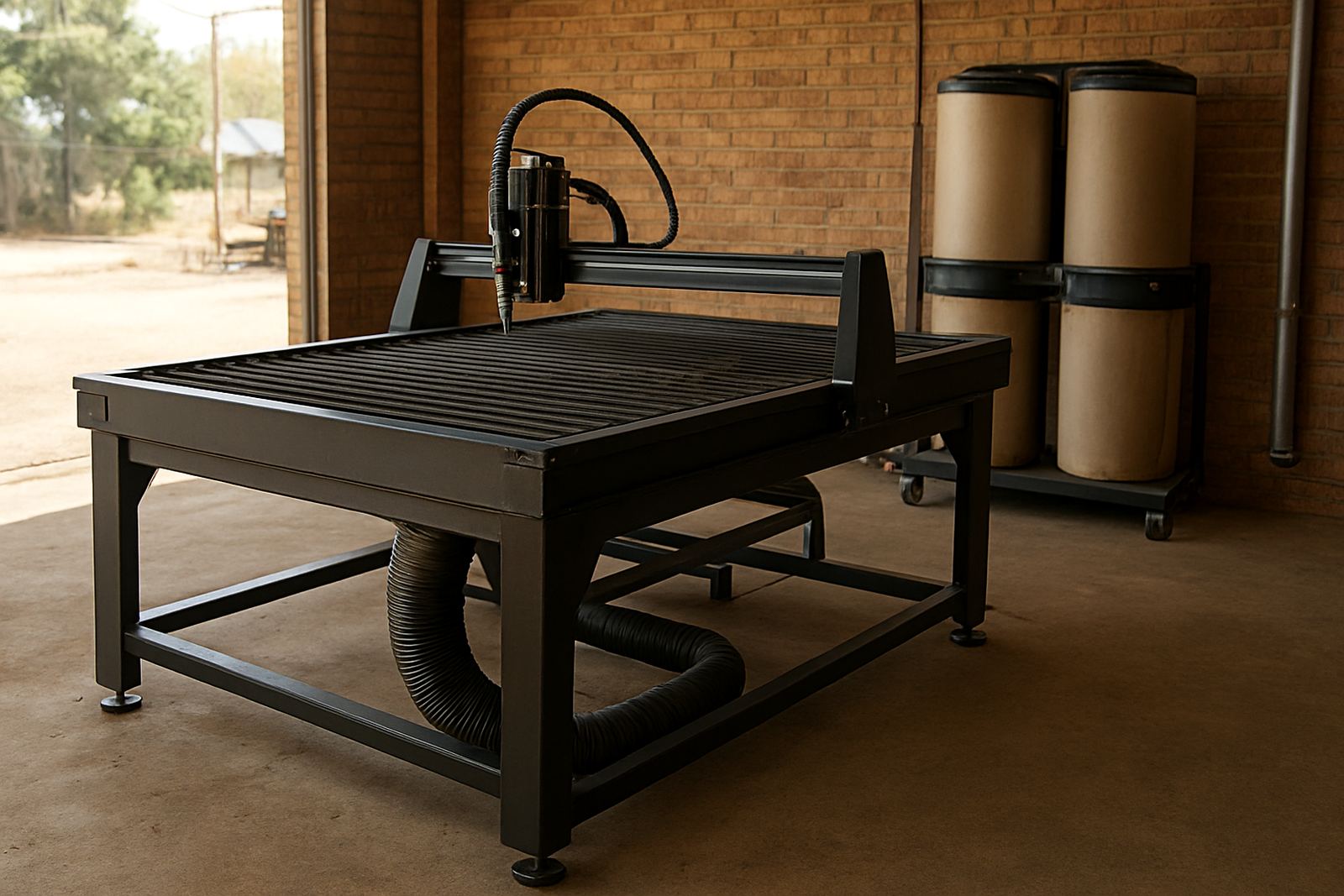
Our support team can assist with torch repairs, power source repairs, preventive maintenance, consumables checks, air system inspection, and on site breakdowns across Gauteng and the Free State. We also help with machine commissioning, operator training, spares supply, cut quality audits, CNC table servicing, and height control calibration where the cutter forms part of a larger setup.
- Check nozzle and electrode wear regularly
- Keep the air supply clean and dry
- Blow out dust from ventilation openings
- Book servicing before the machine starts cutting poorly
What To Confirm Before You Order
Before ordering, it helps to confirm the material type, typical thickness, daily cutting hours, and whether the machine will be used on site or in a fixed workshop. If you plan to cut thicker plate some days and thinner sheet on others, tell us the full range so the unit can be matched properly. That avoids disappointment and makes it easier to choose the right consumables from the start.
You should also check power availability, compressor size, torch lead length, and whether your team needs training on correct standoff distance and travel speed. If the job is in a busy workshop, ask about spare consumables and maintenance intervals as well. A little planning here saves time later and keeps the cut quality more consistant.
- Material type and thickness range
- Single phase supply or generator use
- Available compressor pressure and air volume
- Torch lead length and operator access around the job
Key facts
| Machine type | Handheld plasma cutter for workshop use |
|---|---|
| Output | 50 amp class |
| Input power | Single phase workshop supply |
| Cutting application | Mild steel, stainless steel and aluminium |
| Typical use | General fabrication, repair and maintenance |
| Support | Installation guidance, demos, servicing and spares supply |